
 IN
Home Lifts & Platform Lifts
23 products available
What are Home Lifts & Platform Lifts?
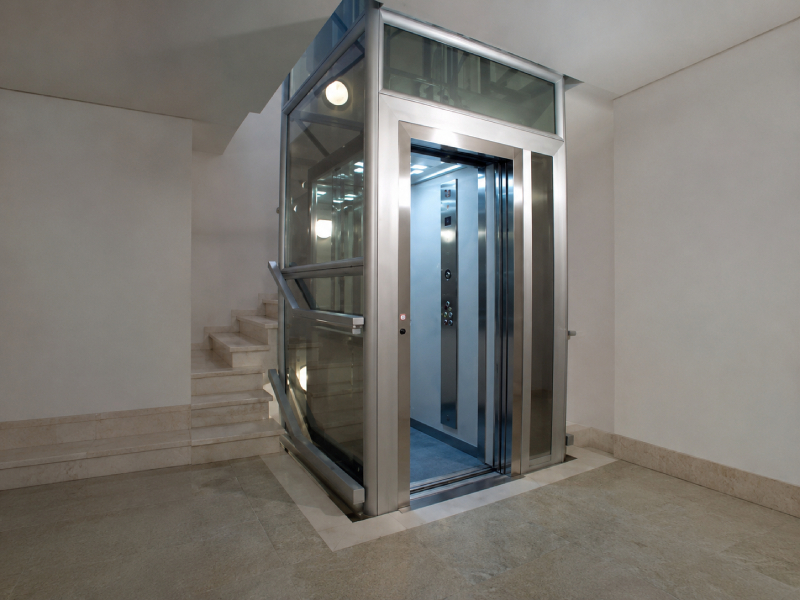
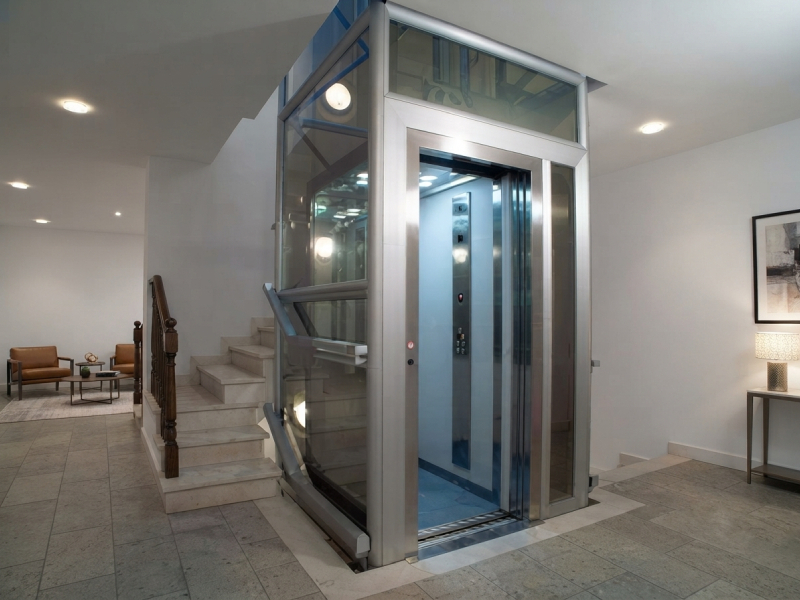
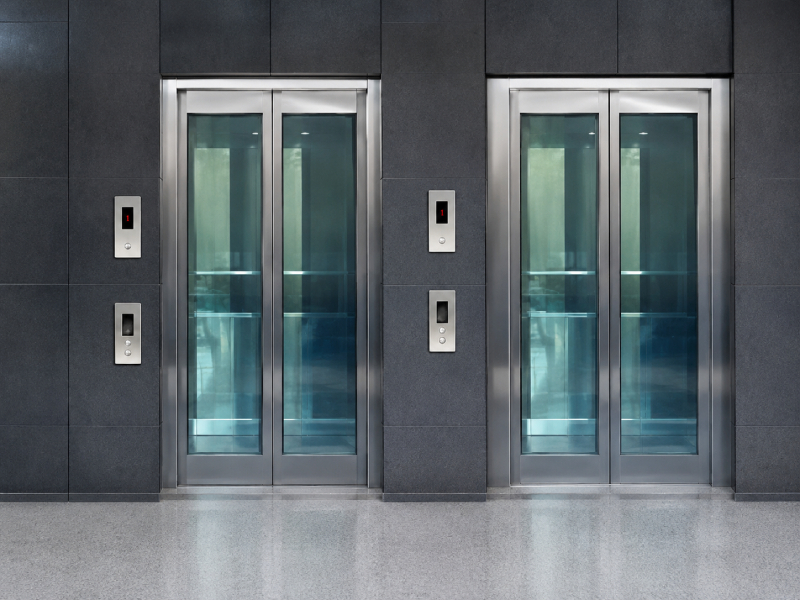
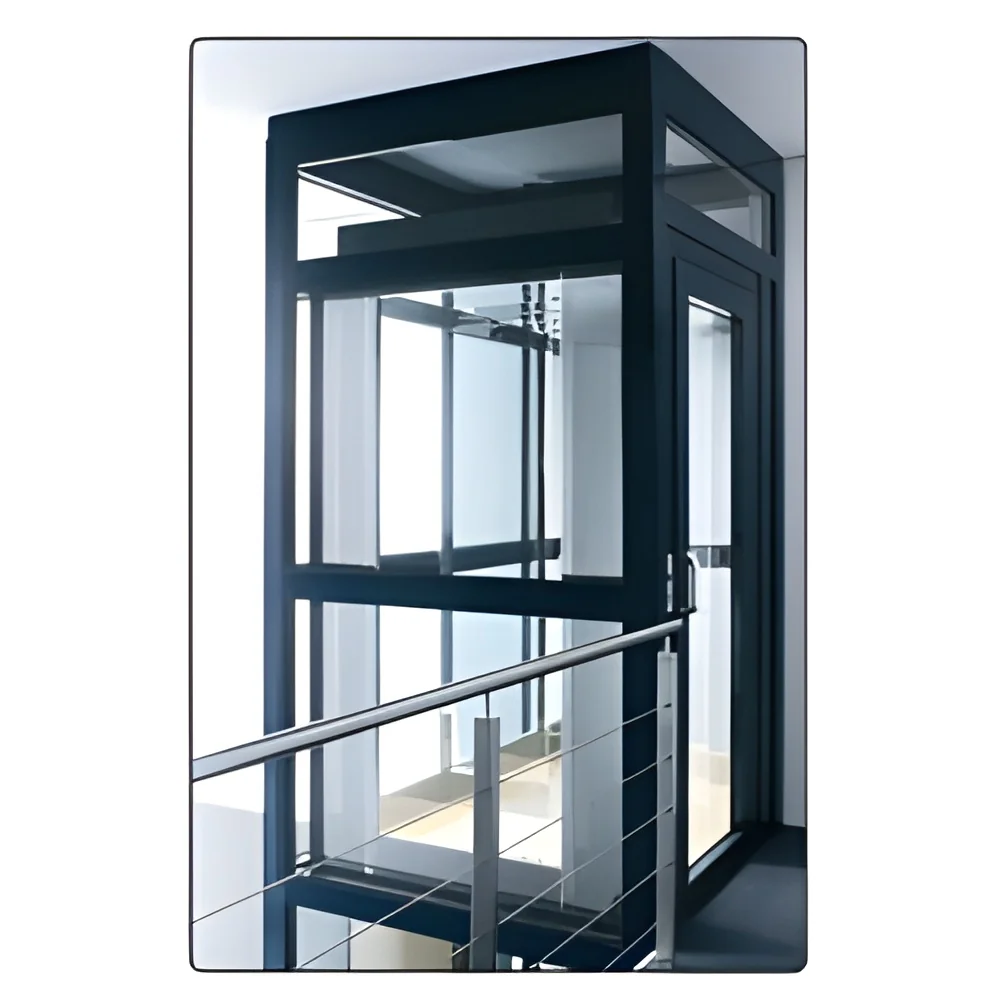
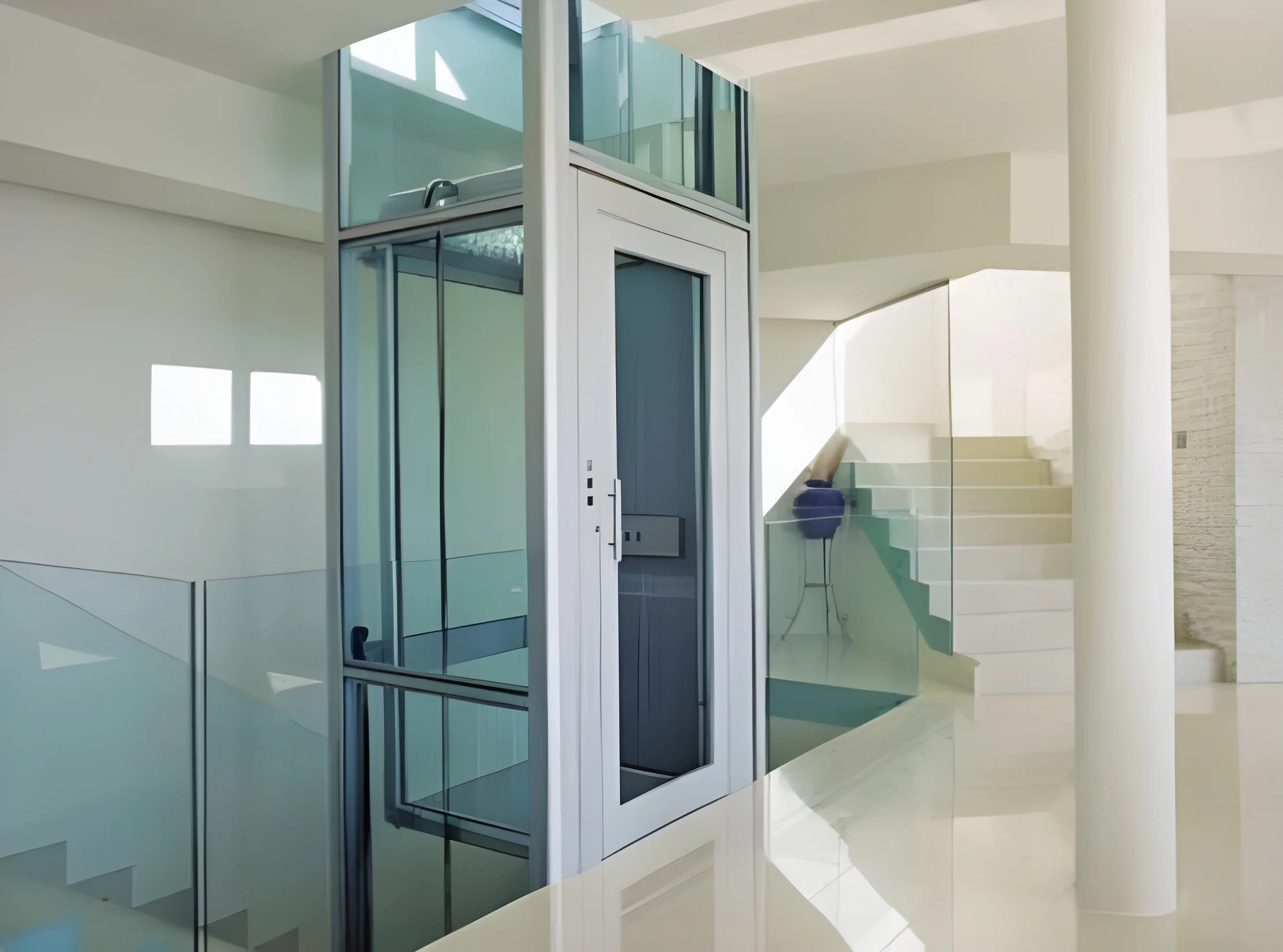
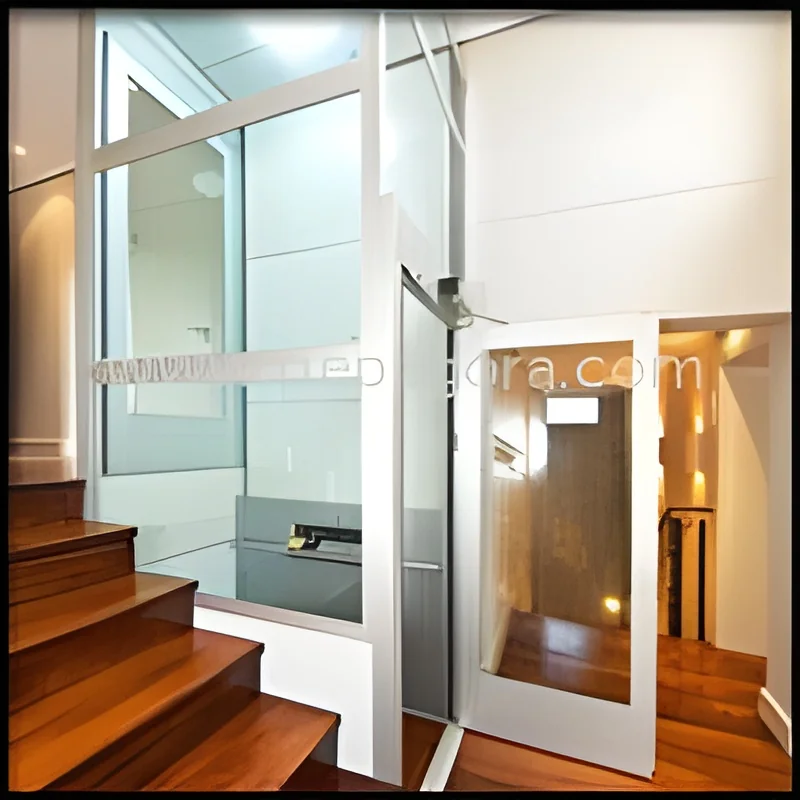
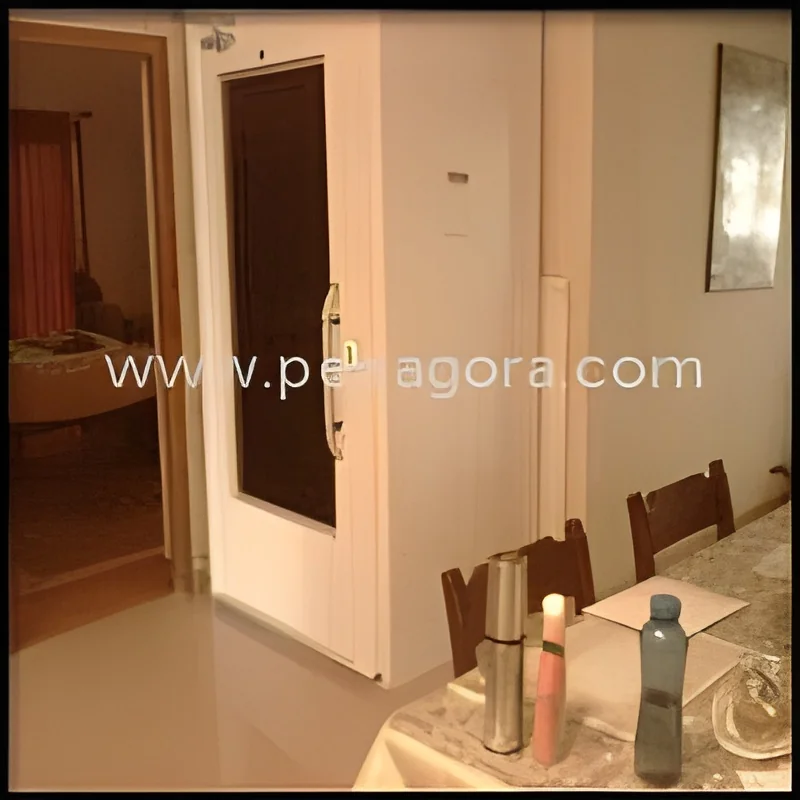
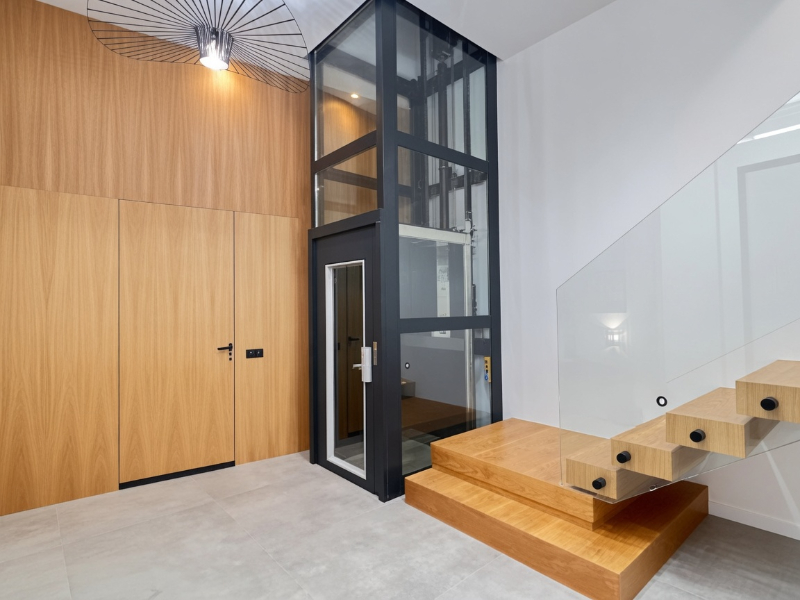
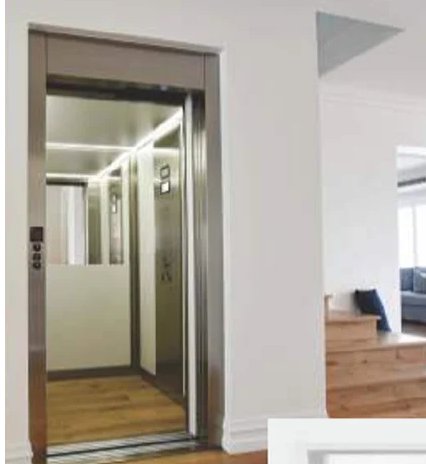
Home lifts and platform lifts are specialized vertical transportation systems designed to facilitate the movement of individuals and goods between different levels of a building. Home lifts are typically smaller, designed for residential use, and provide convenience and accessibility for homeowners. They are suitable for multi-story houses and help overcome the challenges posed by stairs, especially for individuals with mobility issues. Platform lifts, on the other hand, are more versatile and can be used in both residential and commercial settings. They often serve as wheelchair lifts or freight lifts, catering to a broader range of applications.
These lifts are commonly utilized in various sectors, including residential buildings, healthcare facilities, and commercial establishments. In homes, they assist elderly or disabled individuals in accessing upper floors safely. In commercial environments, they enable the transportation of goods, enhance accessibility, and comply with building regulations regarding mobility. The demand for such lifts has increased due to the growing emphasis on inclusivity and the aging population, making them a significant part of the vertical transportation market.
Key Features and Specifications
Home lifts and platform lifts are equipped with various features that cater to different user needs and enhance safety. These features ensure reliability and efficiency in operation, making them suitable for a wide range of applications.
Key specifications include:
1. Capacity
- Designed to accommodate different weight limits.
- Typical ranges include 250 kg to 450 kg for home lifts and up to 1,000 kg for platform lifts.
2. Lift Height
- Maximum vertical distance the lift can travel.
- Common height ranges are from 1 meter to over 15 meters.
3. Speed
- Rate at which the lift travels.
- Typical speeds range from 0.15 m/s to 1 m/s, depending on the model.
4. Drive Mechanism
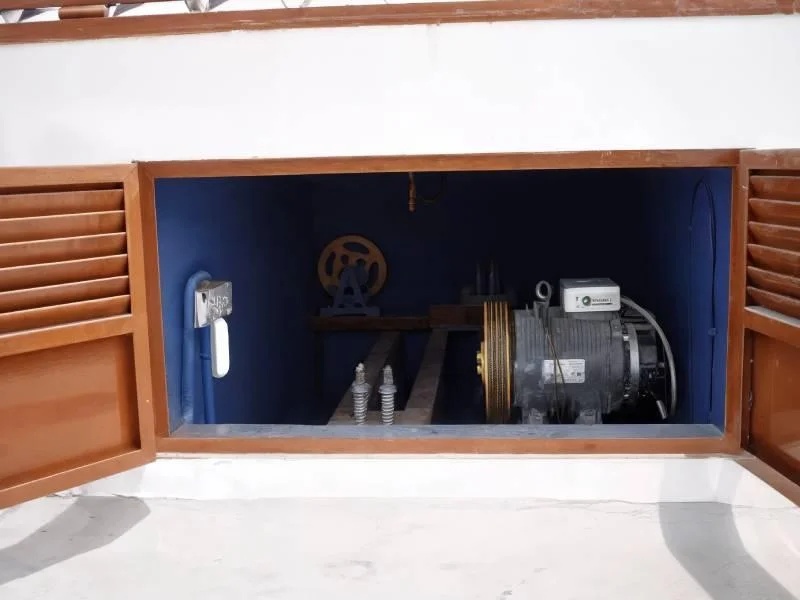
- Various systems such as hydraulic, traction, or screw-driven.
- Each mechanism has specific advantages in terms of efficiency and maintenance.
5. Safety Features
- Includes emergency stop buttons, backup power systems, and sensor technologies.
- Ensures compliance with safety regulations and reduces the risk of accidents.
6. Control System
- User-friendly interfaces for easy operation.
- Options for remote control and automatic doors.
7. Customization Options
- Ability to tailor designs to fit specific building requirements.
- Includes size, finish, and additional features like lighting.
8. Energy Efficiency
- Many lifts are designed to minimize energy consumption.
- Eco-friendly options are available to reduce environmental impact.
In summary, understanding these specifications helps businesses select the right lift for their unique requirements, ensuring optimal performance and compliance with safety standards.
Common Applications and Use Cases
Home lifts and platform lifts are utilized across various industries, each benefiting from their unique features.
1. Residential Homes: Home lifts provide essential accessibility for individuals with mobility challenges, enhancing their quality of life in multi-story residences.
2. Healthcare Facilities: In hospitals and clinics, platform lifts are crucial for transporting patients between floors, ensuring efficient and safe movement.
3. Retail Stores: Retail environments use platform lifts to move goods between storage areas and sales floors, improving inventory management.
4. Educational Institutions: Schools and universities utilize these lifts to ensure all areas are accessible to students and staff with disabilities.
5. Warehousing: Platform lifts are used in warehouses for efficient transportation of goods and materials between levels, streamlining operations.
6. Hospitality: Hotels and resorts implement home lifts to enhance guest experiences, particularly for those requiring mobility assistance.
7. Public Buildings: Government and civic structures use lifts to comply with accessibility regulations, ensuring all visitors can access services.
Product Variants and Subcategories
Home lifts and platform lifts come in various types, each designed for specific applications and user needs.
Residential Home Lift
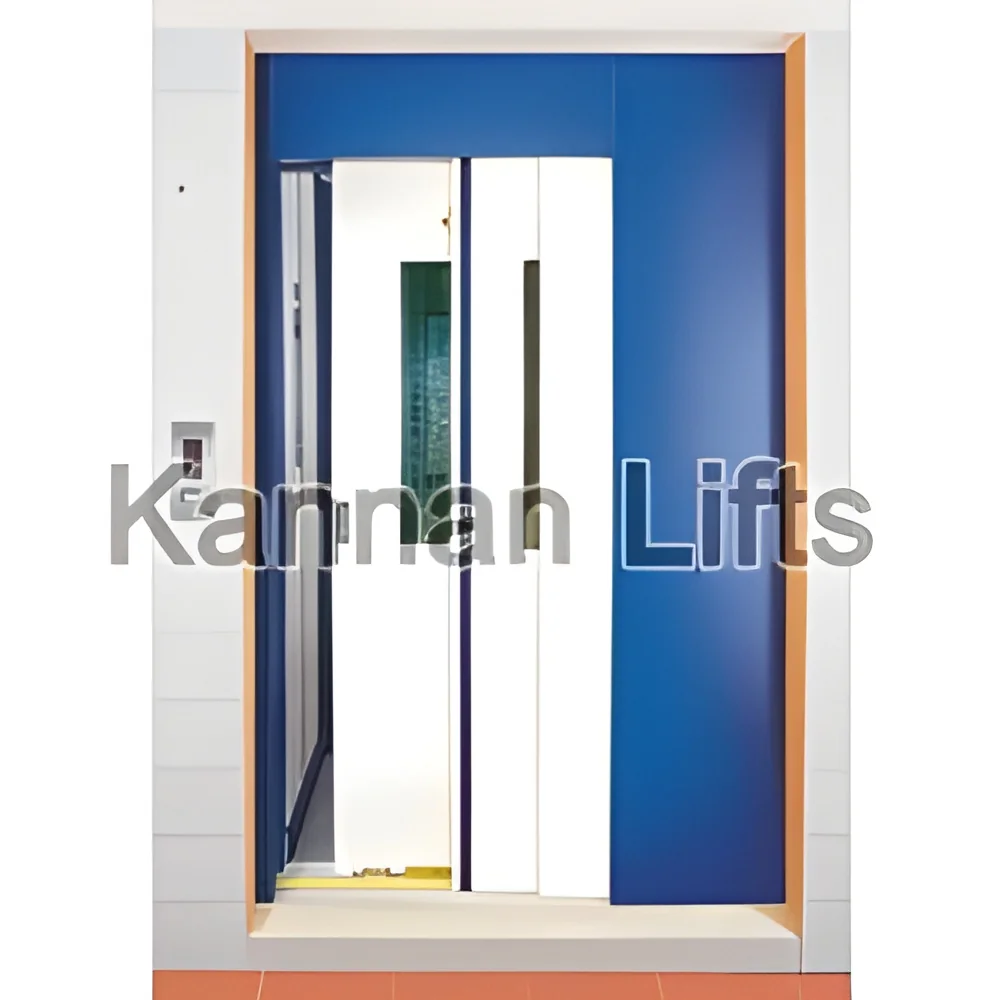
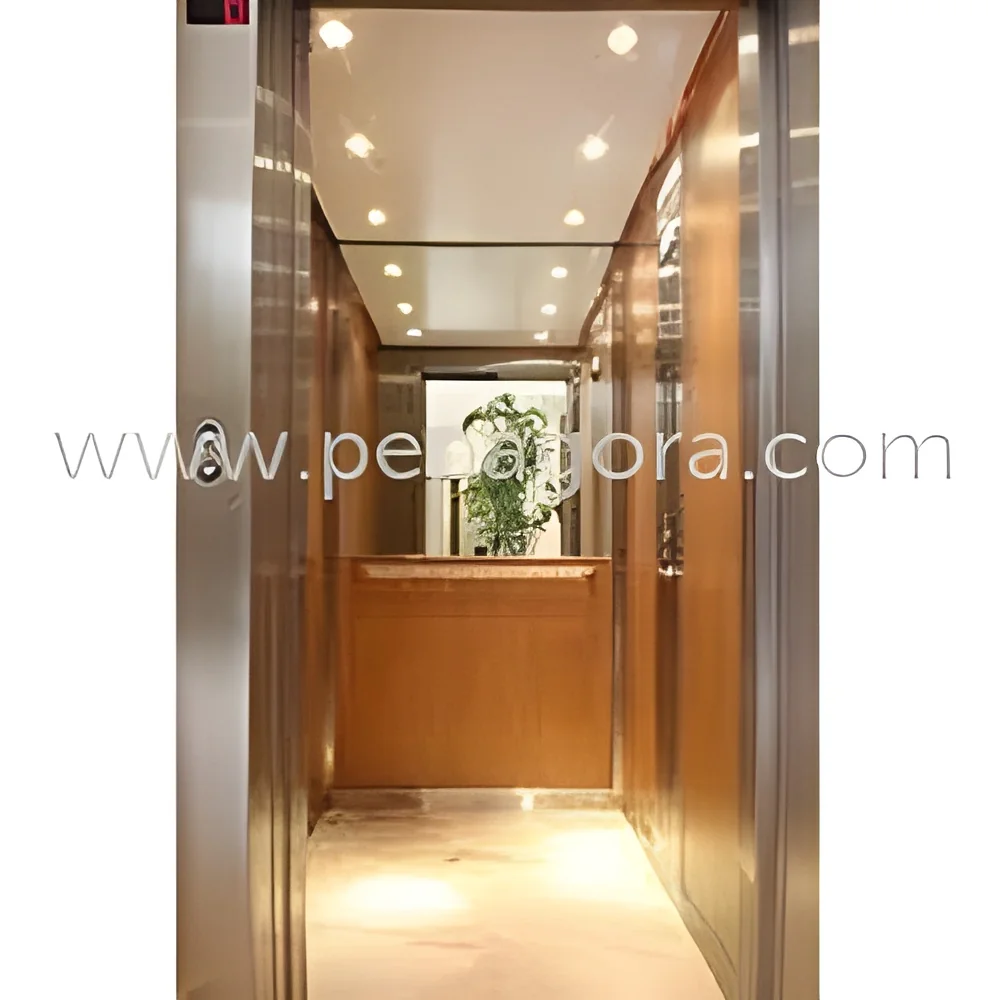
This variant is designed for residential use, providing a compact solution for multi-story homes. It features easy access and can be customized to fit the interior design of the home.
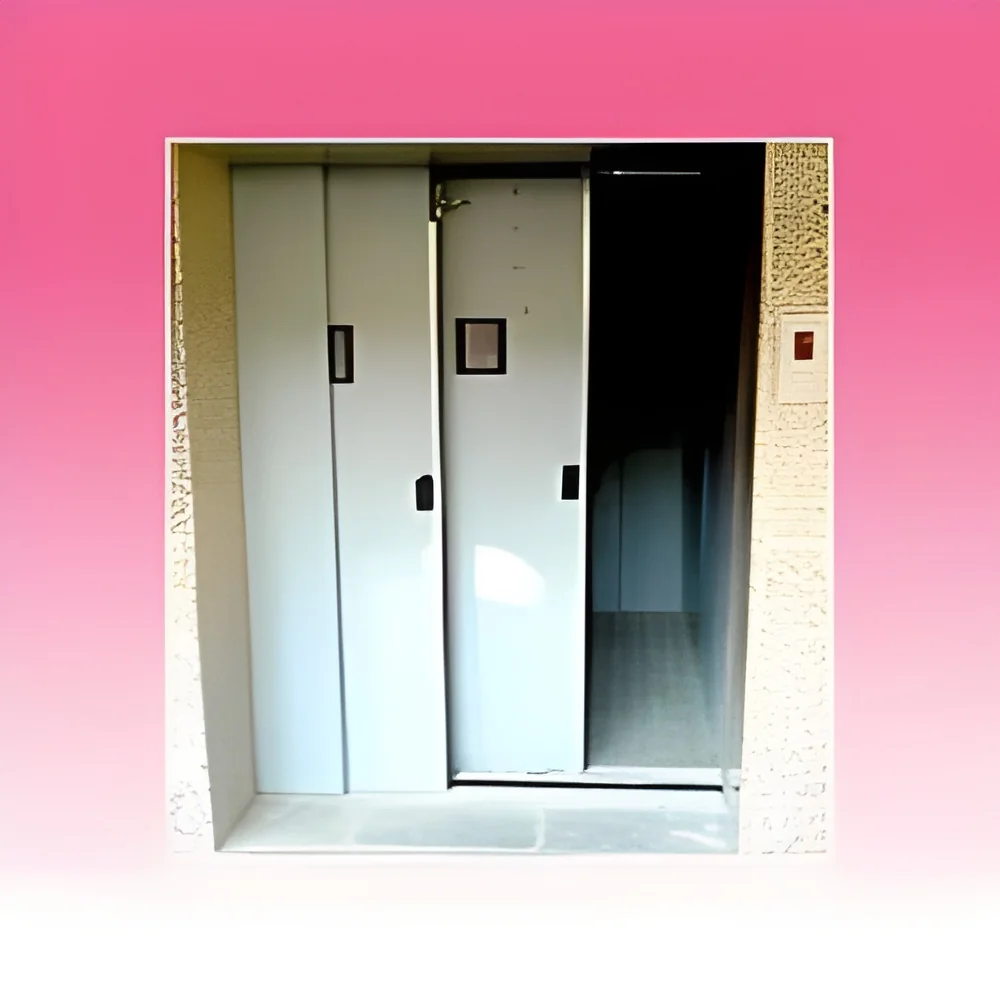
Freight Platform Lift
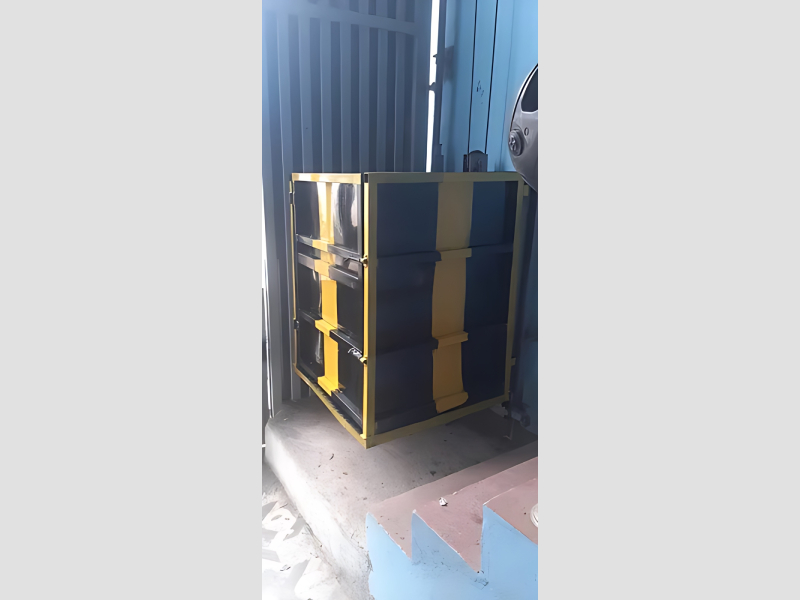
This type is designed for commercial use, capable of carrying heavy loads. It is ideal for warehouses and retail environments where goods need to be transported between floors.
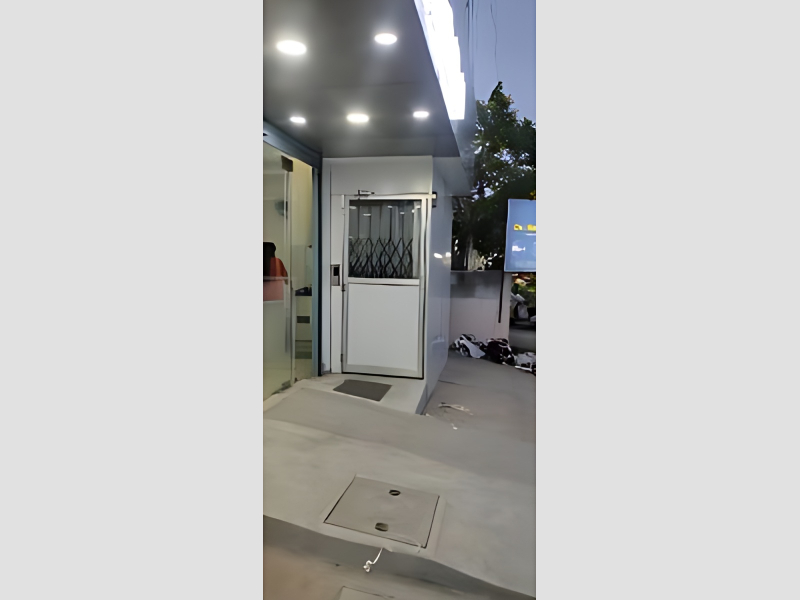
Wheelchair Lift
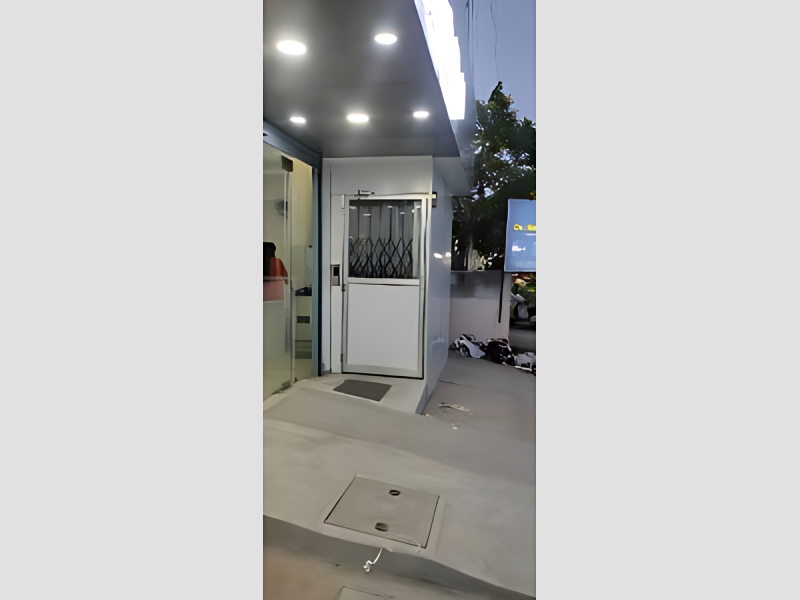
Specifically designed to accommodate individuals using wheelchairs, this lift offers a safe and comfortable means of moving between levels in both residential and public spaces.
Benefits and Advantages
Home lifts and platform lifts offer numerous advantages that enhance convenience and accessibility.
1. Improved Accessibility: These lifts allow individuals with mobility challenges to move freely within a building, promoting independence.
2. Increased Property Value: Installing a lift can increase the value of a property by making it more appealing to potential buyers, especially those with accessibility needs.
3. Versatility: Home lifts and platform lifts can be tailored for various applications, making them suitable for a wide range of environments.
4. Safety Features: Equipped with advanced safety mechanisms, these lifts minimize the risk of accidents and injuries during use.
5. Space Efficiency: Many models are designed to occupy minimal space, making them ideal for residential settings where space is often limited.
6. Cost-Effective: Investing in a lift can reduce the need for extensive renovations or modifications to improve accessibility.
Buying Guide for B2B Buyers
When sourcing home lifts and platform lifts, there are several critical factors to consider to ensure the best fit for your needs.
1. Quality Assessment: Evaluate the materials and construction quality of the lifts. Look for products that meet industry standards to ensure durability and reliability.
2. Supplier Verification: Research and vet suppliers to ensure they have a good reputation and can provide reliable products and services.
3. Pricing and MOQ: Understand the pricing structure and minimum order quantities to make informed purchasing decisions that align with your budget.
4. Delivery and Lead Times: Check delivery schedules and lead times to plan installations effectively without disrupting operations.
5. Compliance Requirements: Ensure that the lifts meet all relevant regulatory standards and certifications, such as CE marking, to guarantee safety and compliance.
Compliance and Certifications
Compliance and certifications are crucial for ensuring the safety and quality of home lifts and platform lifts. Relevant quality standards include ISO 9001, which focuses on quality management systems, ensuring that manufacturers meet customer and regulatory requirements.
Industry certifications, such as CE marking, indicate that products conform to European safety standards, providing assurance of quality and safety. Additionally, safety and testing requirements are critical to ensure lifts operate safely under various conditions. Manufacturers must conduct thorough testing to validate performance and safety features.
Regional compliance considerations also play a vital role, as different countries may have specific regulations governing the installation and use of lifts. Businesses should be aware of these regional differences to ensure that their lifts are compliant and safe to operate.
Why Source Home Lifts & Platform Lifts from Pepagora?
Pepagora offers a trusted platform for sourcing home lifts and platform lifts, providing several key advantages to B2B buyers.
Verified Supplier Network: Pepagora has established a network of verified suppliers, ensuring that buyers can access quality products from reputable manufacturers. This verification process helps reduce risks associated with sourcing.
Streamlined RFQ Process: The platform simplifies the request for quotation (RFQ) process, allowing buyers to easily compare offerings from different suppliers. This efficiency saves time and facilitates informed decision-making.
Trade Assurance and Support: Buyers are protected through trade assurance programs that ensure secure transactions and reliable after-sales support. This assurance fosters confidence in the purchasing process.
Regional Coverage: Pepagora’s geographic reach includes India, the GCC, and Southeast Asia, making it a convenient option for businesses looking to source lifts from diverse markets. This regional coverage helps buyers find suitable products tailored to their specific needs.





Frequently Asked Questions
What are Home Lifts & Platform Lifts?
Home Lifts & Platform Lifts are vertical transportation solutions designed for residential and commercial use. They provide accessibility for individuals with mobility challenges and facilitate the movement of goods between different levels of a building.
What are the different types of Home Lifts & Platform Lifts?
The different types of Home Lifts & Platform Lifts include hydraulic lifts, traction lifts, and pneumatic lifts. Additionally, platform lifts, often used for wheelchair access, come in various designs tailored for indoor and outdoor use.
How do I choose the right Home Lifts & Platform Lifts?
Choosing the right Home Lifts & Platform Lifts involves considering factors like space availability, weight capacity, and intended use. It's important to assess the specific needs of the users and consult with suppliers for recommendations based on your requirements.
What are the standard specifications for Home Lifts & Platform Lifts?
Standard specifications for Home Lifts & Platform Lifts typically include load capacity, travel height, speed, and dimensions. Additionally, safety features such as emergency stop buttons and backup power systems are crucial components.
What is the price range for Home Lifts & Platform Lifts?
The price range for Home Lifts & Platform Lifts can vary widely based on type, specifications, and customization options. Generally, prices can start from around INR 3 lakhs and go up to INR 20 lakhs or more for high-end models.
What quality standards apply to Home Lifts & Platform Lifts?
Home Lifts & Platform Lifts are subject to various quality standards, including ISO certifications and local safety regulations. Compliance with these standards ensures the reliability and safety of the lifts during operation.
Where can I find Home Lifts & Platform Lifts suppliers in India?
You can find Home Lifts & Platform Lifts suppliers in India through online B2B marketplaces like Pepagora, industry trade shows, and local directories. Researching and comparing multiple suppliers can help you find the best options available.
Can Home Lifts & Platform Lifts be customized?
Yes, Home Lifts & Platform Lifts can often be customized to meet specific design, size, and functionality requirements. Customization options may include finishes, control systems, and load capacities to suit individual needs.
What is the typical minimum order quantity for Home Lifts & Platform Lifts?
The typical minimum order quantity (MOQ) for Home Lifts & Platform Lifts can vary among manufacturers but is usually set at one unit. Some suppliers may offer bulk discounts for larger orders.
What is the typical lead time for Home Lifts & Platform Lifts?
The typical lead time for Home Lifts & Platform Lifts ranges from 4 to 12 weeks, depending on the complexity of the order and the manufacturer's production schedule. It's advisable to consult with suppliers for specific timelines.
Why Businesses Trust Pepagora
Thousands of companies trust Pepagora to source smarter and sell faster
Expand Your Sales Globally

Source Smarter,Grow Faster
