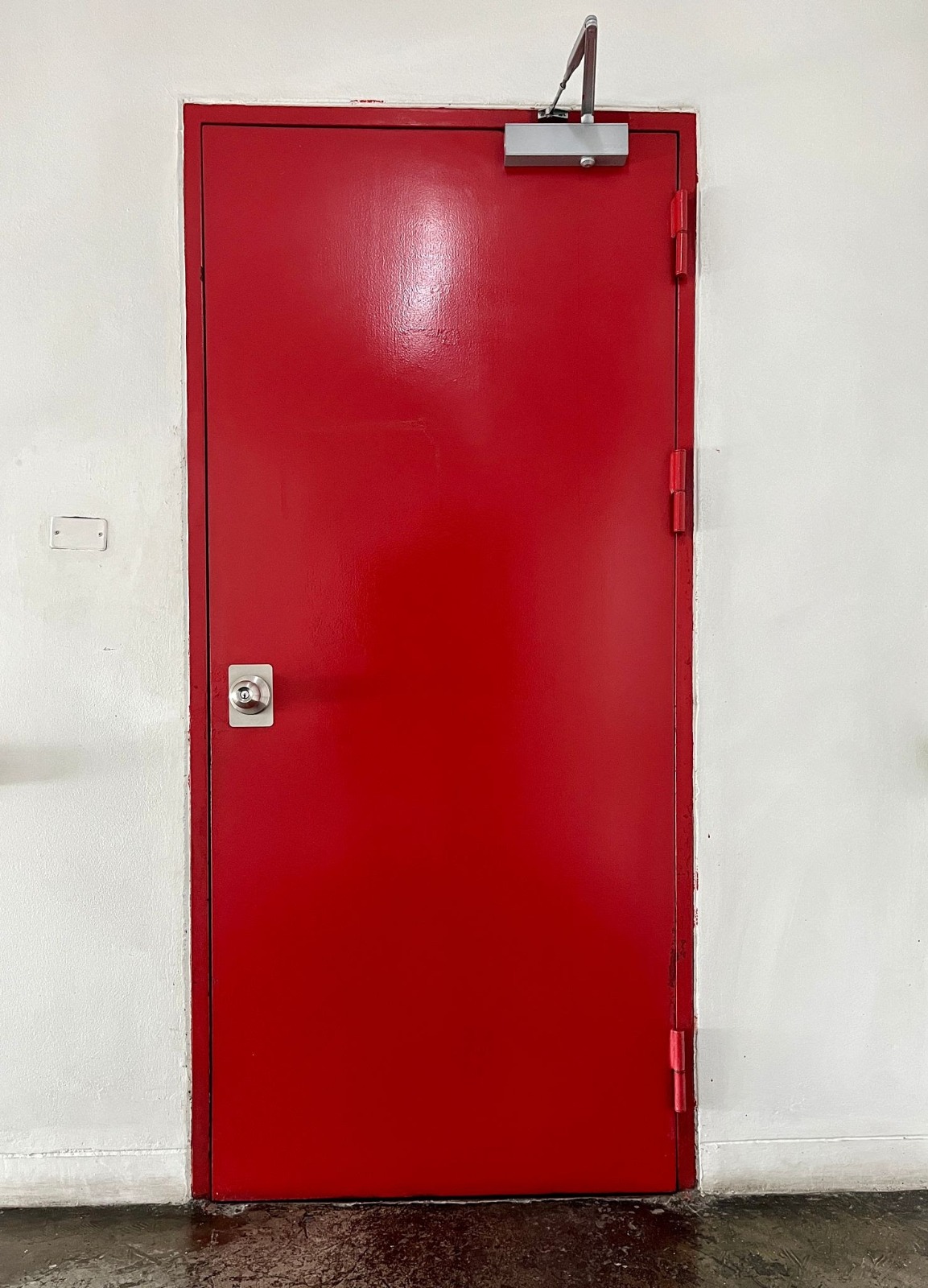
What are Fire-Rated Doors?
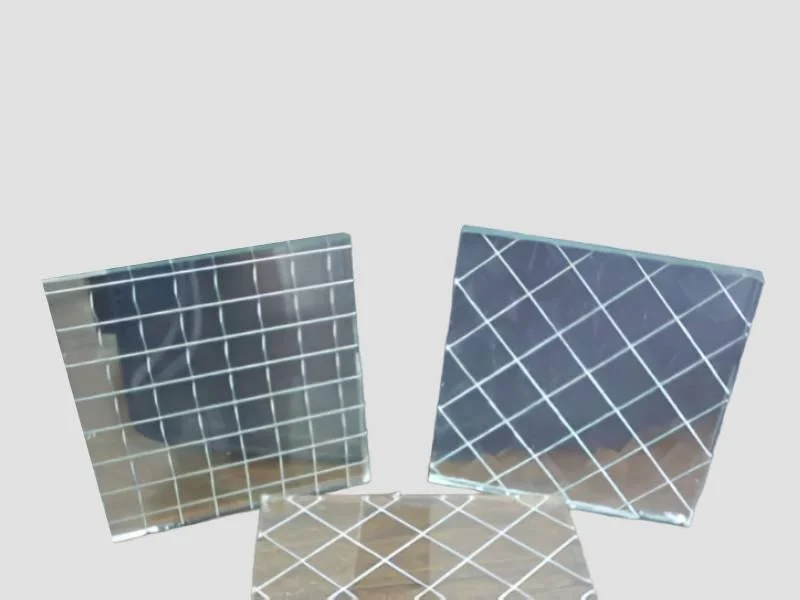
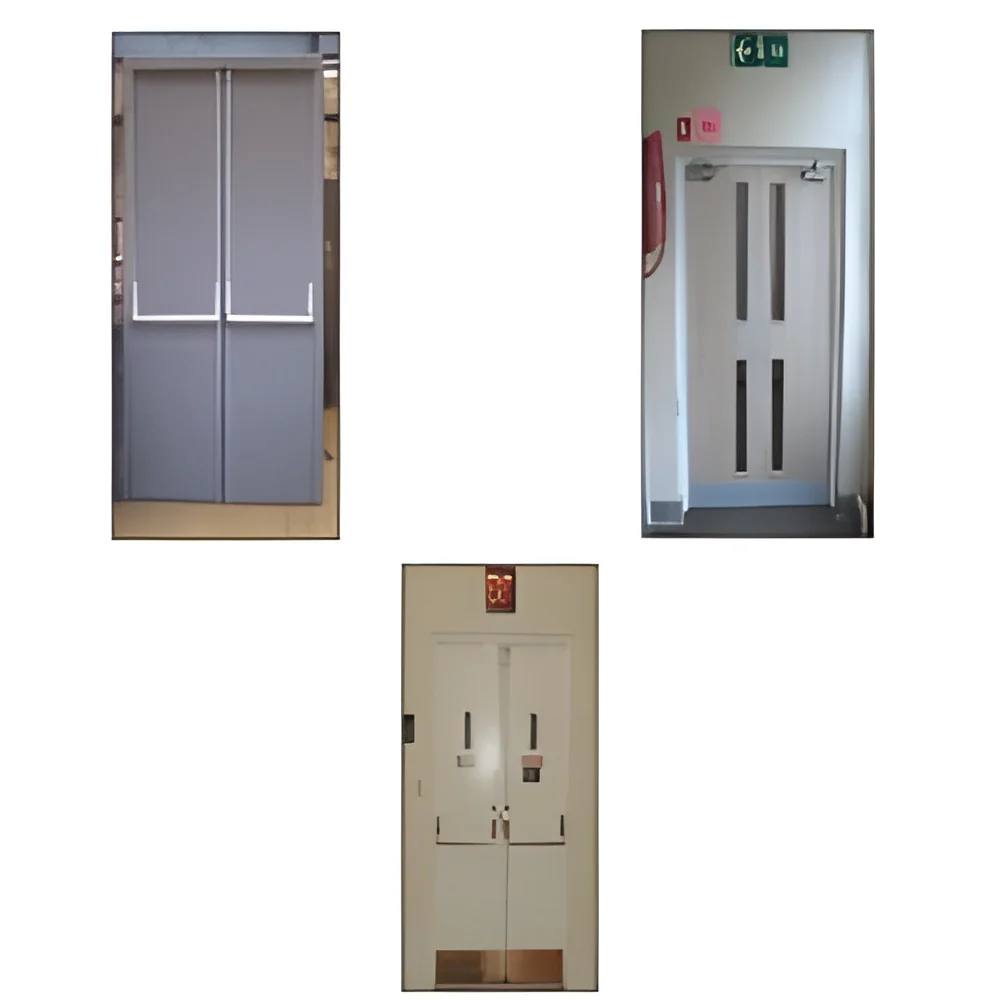
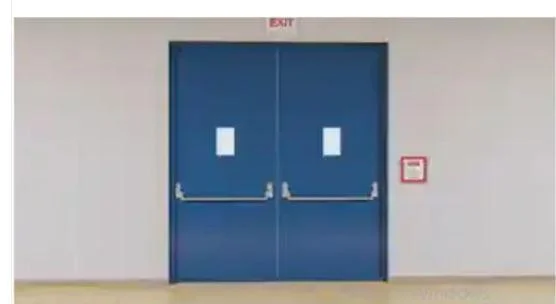
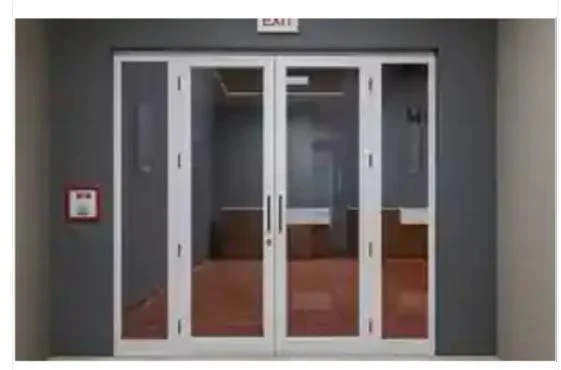
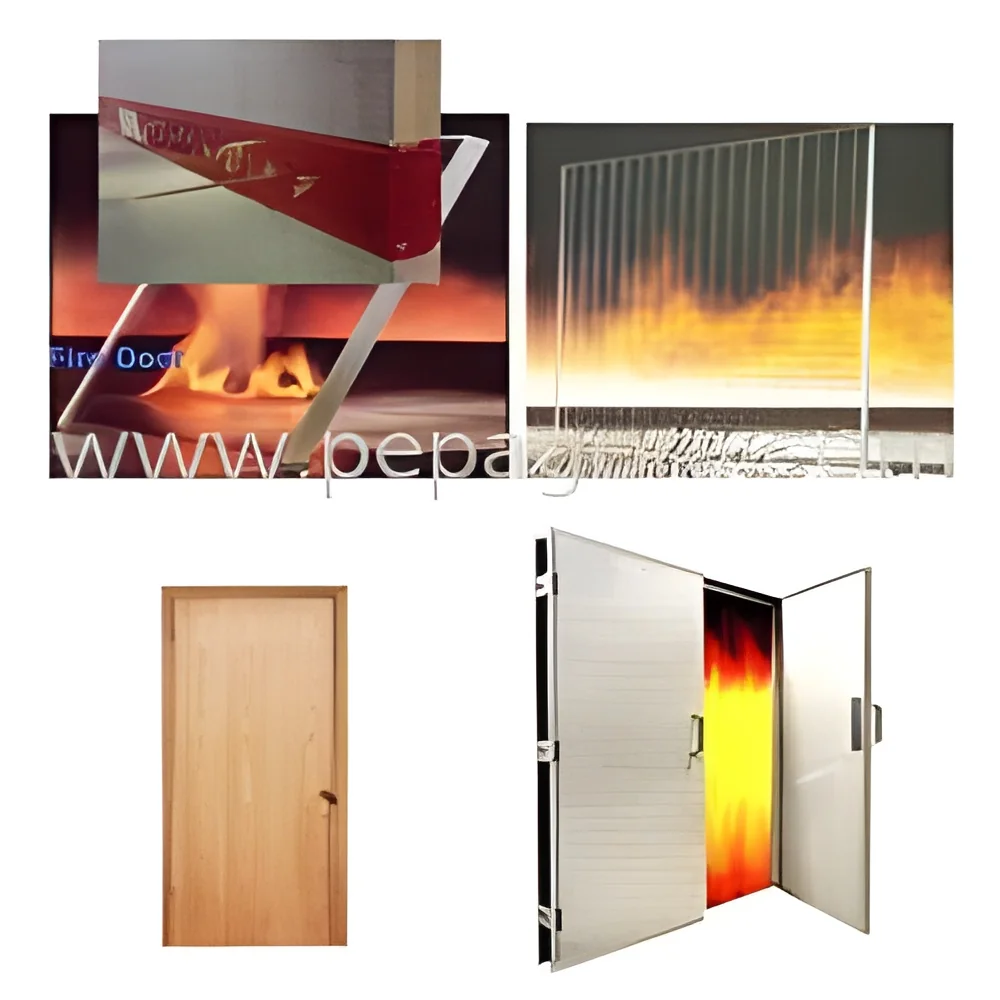
Fire-rated doors are specialized doors designed to withstand high temperatures and prevent the spread of fire and smoke between different areas within a building. They are constructed using fire-resistant materials and are tested to meet specific fire-resistance ratings, typically measured in minutes. These doors are essential components of a building's passive fire protection system, ensuring that occupants have sufficient time to evacuate in the event of a fire.
Fire-rated doors are commonly used in commercial and industrial settings, including offices, warehouses, and manufacturing facilities. They are typically installed in locations such as stairwells, corridors, and entry points to sensitive areas. The primary business applications of fire-rated doors include enhancing safety, ensuring regulatory compliance, and protecting property assets from fire damage. As regulatory standards become more stringent, the relevance of fire-rated doors in various industries continues to grow, making them a crucial investment for any business concerned with fire safety.
Key Features and Specifications
Fire-rated doors come with a variety of features and specifications that enhance their effectiveness and usability. Understanding these specifications is crucial for selecting the right door for your specific needs.
Key specifications include:
1. Fire Resistance Rating
- Indicates the duration the door can withstand fire exposure
- Common ratings include 20, 45, 60, and 90 minutes
2. Material Composition
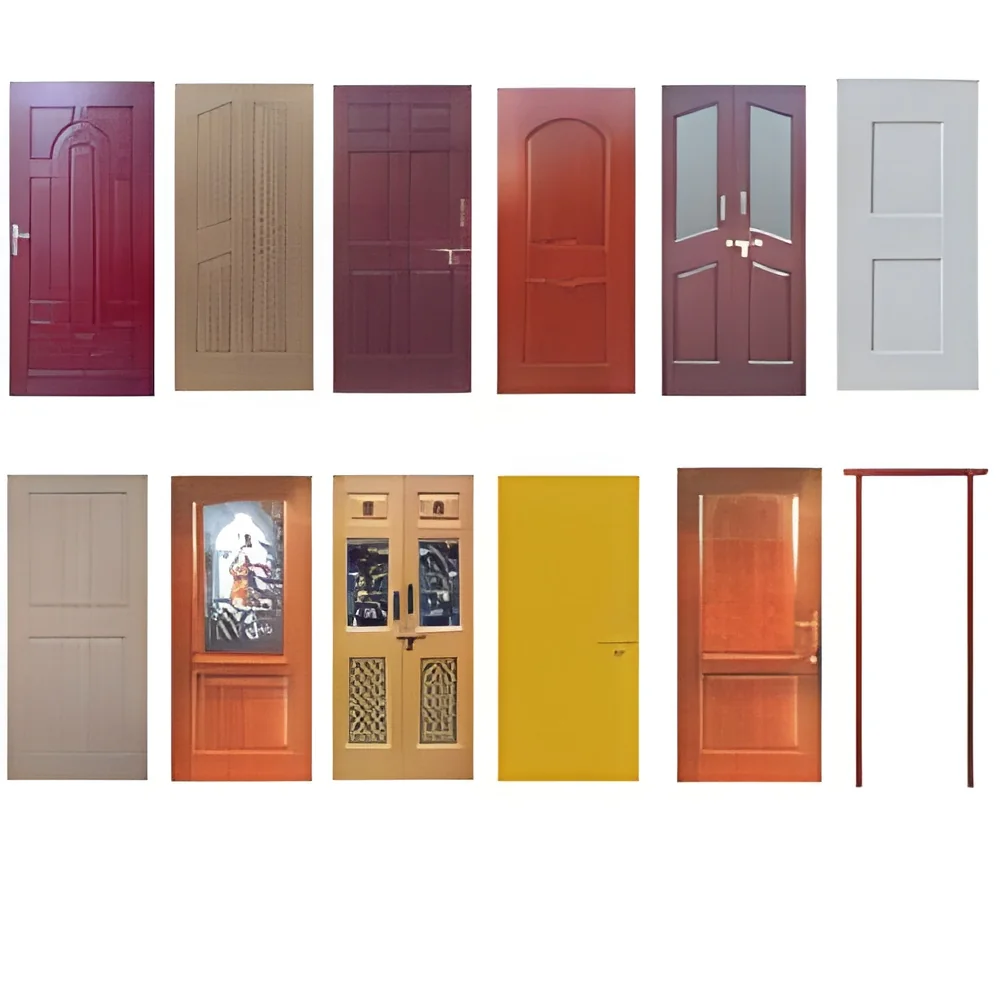
- Typically made from steel, wood, or composite materials
- Designed to resist heat and smoke penetration
3. Door Thickness
- Standard thickness ranges from 1.75 inches to 2.5 inches
- Thicker doors generally provide better fire resistance
4. Frame Type
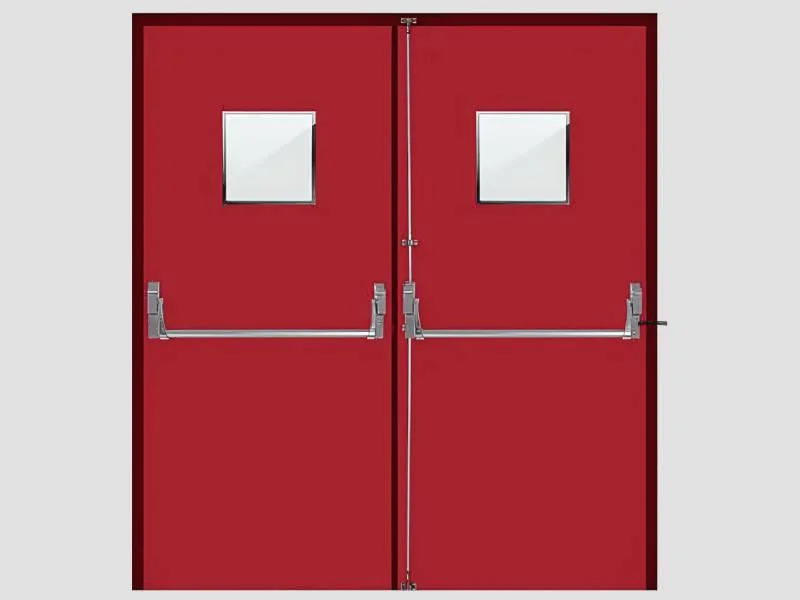
- Available in different frame styles such as single or double
- Must be compatible with the fire-rated door for complete effectiveness
5. Hardware Options
- Includes hinges, locks, and panic bars that meet fire safety standards
- Hardware must be rated for the same duration as the door
6. Smoke Rating
- Some fire-rated doors also have smoke containment ratings
- Essential for preventing smoke spread in addition to fire
7. Compliance with Building Codes
- Must meet local and national fire safety codes
- Often requires testing and certification by relevant authorities
In summary, understanding these key features and specifications is essential for making an informed decision when selecting fire-rated doors for your business needs.
Common Applications and Use Cases
Fire-rated doors serve a vital role across various industries, ensuring safety and compliance in buildings.
1. Healthcare: Fire-rated doors are crucial in hospitals and clinics to protect sensitive areas, such as operating rooms and patient wards, from fire hazards.
2. Education: In schools and universities, these doors help compartmentalize spaces and protect students and staff during emergencies.
3. Manufacturing: Factories often use fire-rated doors to separate areas with high fire risks, such as chemical storage rooms, from the rest of the facility.
4. Hospitality: Hotels and restaurants implement fire-rated doors to enhance safety for guests and staff, particularly in stairwells and emergency exits.
5. Retail: Shopping centers and warehouses utilize these doors to protect property and ensure safe evacuation routes for customers and employees.
6. Transportation: Airports and train stations rely on fire-rated doors to safeguard terminal areas and ensure emergency access.
7. Commercial Offices: Office buildings use fire-rated doors to comply with safety regulations and protect against fire spread in common areas.
Product Variants and Subcategories
Fire-rated doors are diverse, offering various options to meet specific needs.
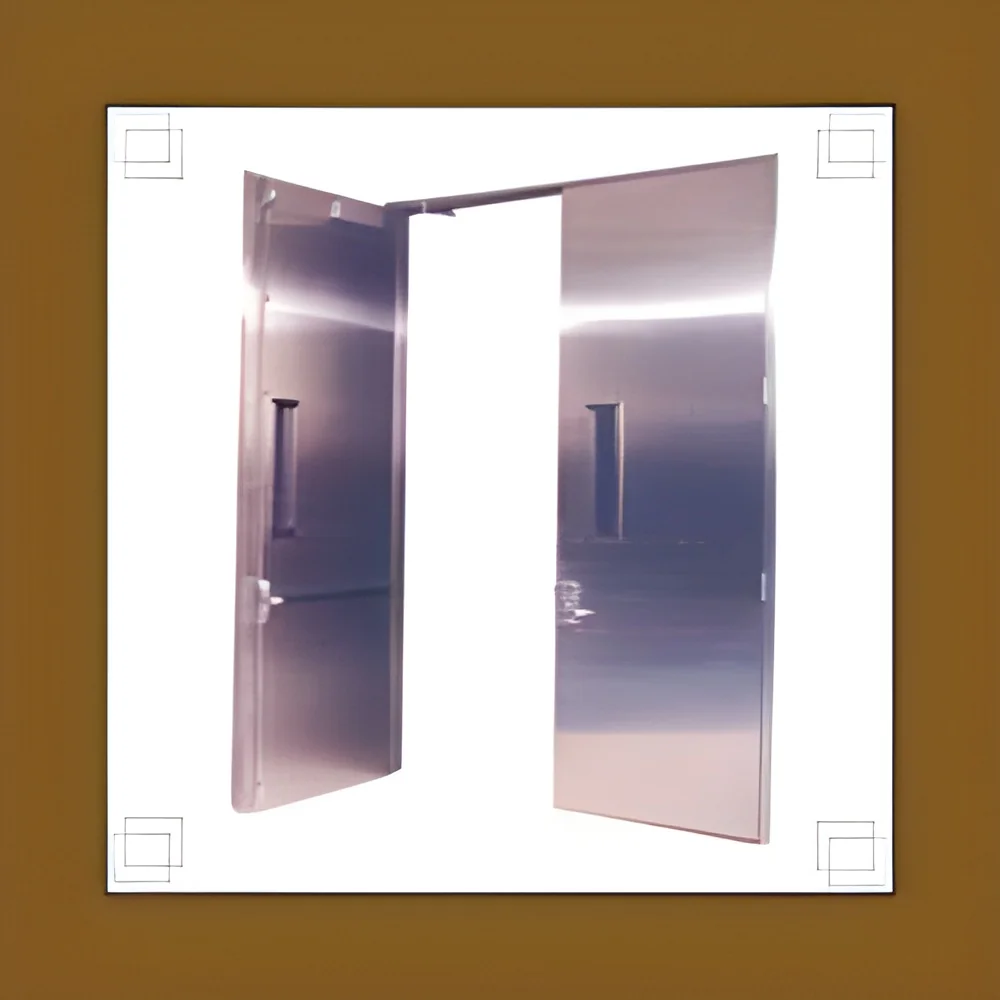
Steel Fire-Rated Doors
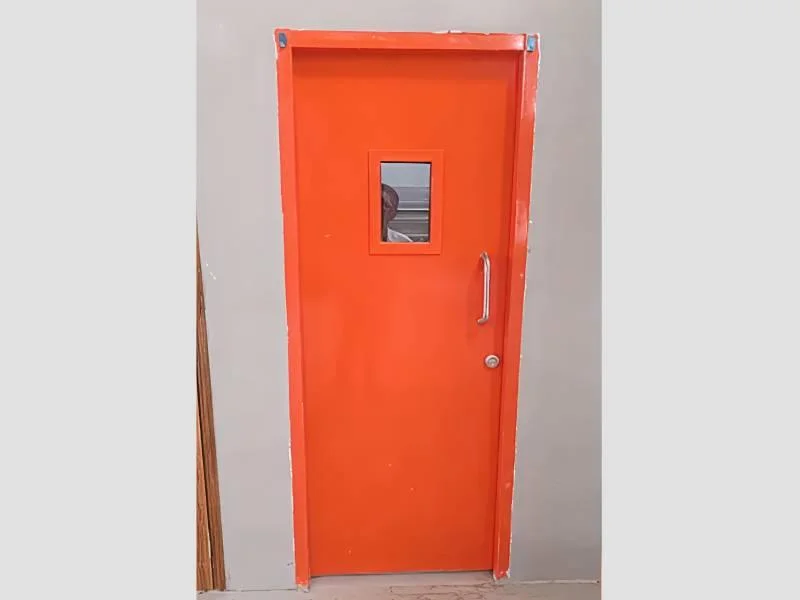
These doors are typically the most durable option, resistant to dents and damage. They are suitable for high-traffic areas and provide excellent fire resistance.
Wood Fire-Rated Doors
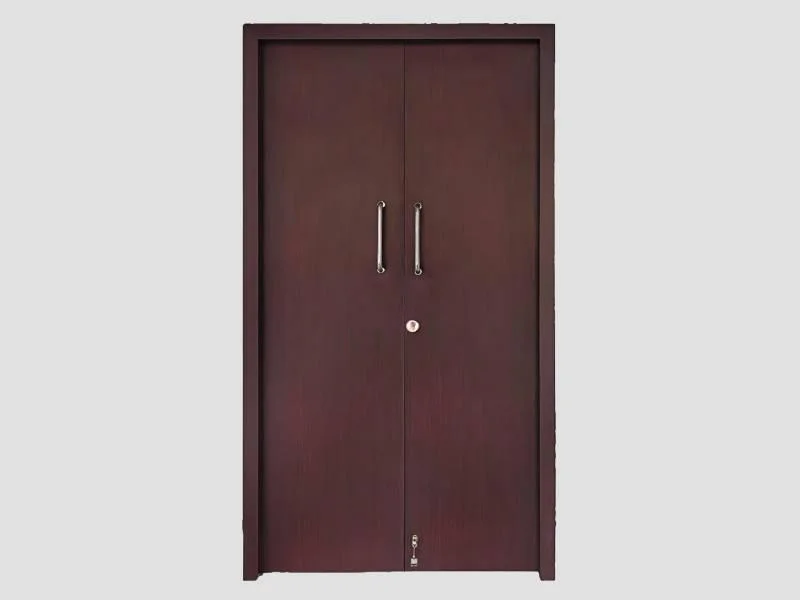
Wood doors combine aesthetic appeal with fire resistance. They are often used in office settings and can be customized for design preferences.
Composite Fire-Rated Doors
Made from a combination of materials, these doors offer a balance of fire resistance and insulation. They are ideal for environments where thermal performance is a consideration.
Benefits and Advantages
The advantages of fire-rated doors extend beyond mere compliance with safety regulations.
1. Enhanced Safety: Fire-rated doors significantly reduce the risk of fire spread, providing critical time for evacuation.
2. Regulatory Compliance: Installing these doors helps businesses meet local and national fire safety codes, minimizing legal liabilities.
3. Property Protection: By containing fires, these doors protect valuable assets and reduce overall fire damage.
4. Improved Insurance Rates: Many insurance providers offer lower premiums for buildings equipped with fire-rated doors, recognizing the reduced risk.
5. Increased Resale Value: Buildings with compliant fire safety features, including fire-rated doors, often have higher market value.
6. Customization Options: Fire-rated doors can be tailored to specific aesthetic or functional requirements, ensuring they meet both safety and design needs.
Buying Guide for B2B Buyers
When sourcing fire-rated doors, several factors should be considered to ensure the best selection for your business.
1. Quality Assessment: Evaluate the materials and construction techniques used in the doors. Look for certifications that verify their fire resistance ratings.
2. Supplier Verification: Check the credibility of suppliers by reviewing their history, customer reviews, and certifications. Reliable suppliers should have a proven track record in the industry.
3. Pricing and MOQ: Understand the pricing structures, including any minimum order quantities. Compare prices across different suppliers while considering the overall value offered.
4. Delivery and Lead Times: Inquire about expected delivery times and logistics. Timely delivery is crucial for project planning and execution.
5. Compliance Requirements: Ensure that the fire-rated doors meet all relevant regulations and standards in your region. This includes local building codes and fire safety certifications.
Compliance and Certifications
Fire-rated doors must adhere to specific industry standards and certifications to ensure safety and reliability. Relevant quality standards include ISO 9001, which outlines requirements for a quality management system, and CE marking, which signifies compliance with European safety, health, and environmental protection standards.
Additionally, fire-rated doors are subject to rigorous testing and safety requirements. They should undergo fire resistance tests performed by recognized authorities to verify their effectiveness. Regional compliance considerations may include additional local regulations that ensure the doors are suitable for specific environments, such as high-density urban areas or industrial sites.
Why Source Fire-Rated Doors from Pepagora?
Pepagora provides a trusted platform for sourcing fire-rated doors, offering several key advantages to B2B buyers.
Verified Supplier Network: Pepagora has established a network of verified suppliers, ensuring that buyers can access high-quality products from reputable manufacturers. This vetting process helps mitigate risks associated with sourcing.
Streamlined RFQ Process: The platform features a user-friendly request-for-quotation system, allowing buyers to easily compare offers from multiple suppliers. This simplifies the procurement process and saves time.
Trade Assurance and Support: Pepagora offers trade assurance to protect buyers during transactions. This includes support for resolving disputes and ensuring that products meet specified standards.
Regional Coverage: With a focus on India, the GCC, and Southeast Asia, Pepagora connects buyers with local suppliers, making it easier to navigate regional compliance requirements and logistics. This geographic reach enhances the sourcing experience for businesses across diverse markets.

 IN
IN


 India
India