
 IN
INExtenders & Fillers (Talc, Barium Sulfate)
4 products available
Key Features and Specifications
Common Applications and Use Cases
Product Variants and Subcategories
Benefits and Advantages
Buying Guide for B2B Buyers
Compliance and Certifications


 India
India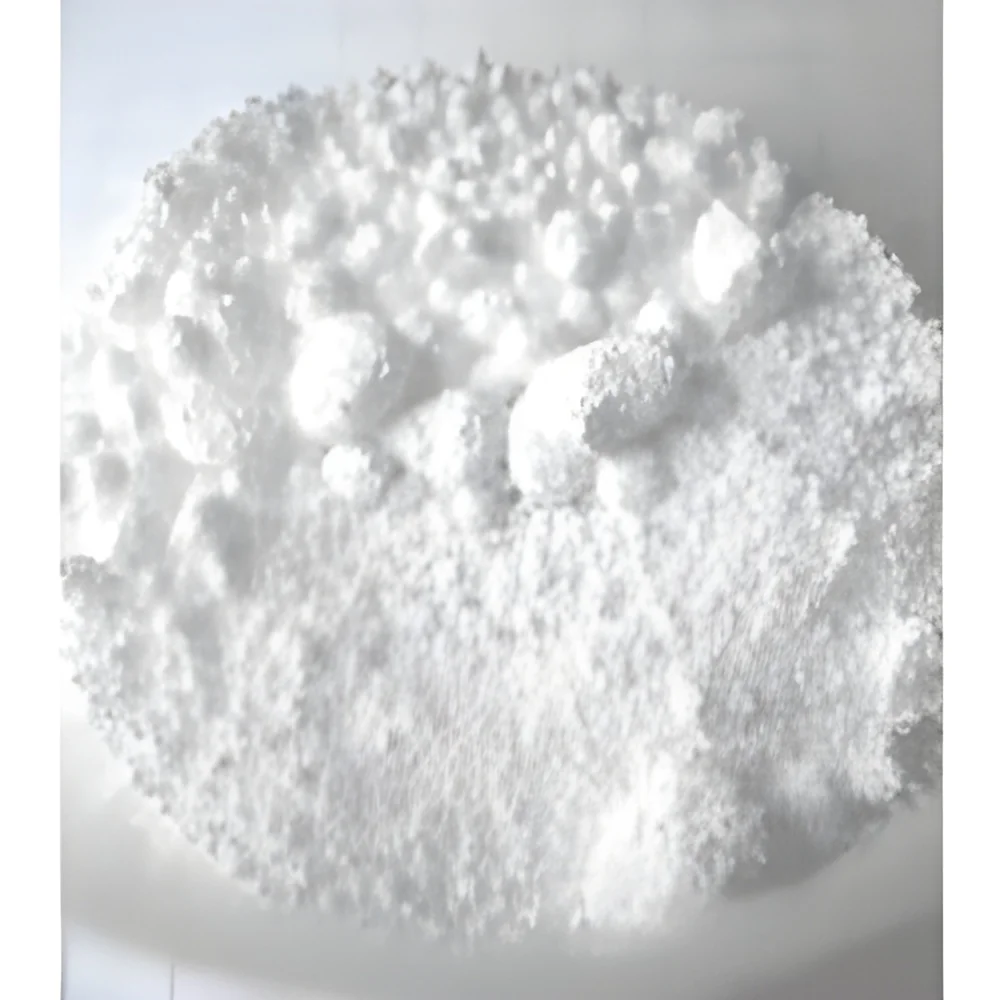
 India
India India
India
Frequently Asked Questions
What are Extenders & Fillers (Talc, Barium Sulfate)?
Extenders & Fillers, such as Talc and Barium Sulfate, are materials added to products to improve their properties or reduce production costs. They are commonly used in various industries, including plastics, paints, and pharmaceuticals, to enhance texture, increase volume, and improve performance.
What are the different types of Extenders & Fillers (Talc, Barium Sulfate)?
The main types of Extenders & Fillers include Talc, which is a soft mineral used for its lubricating and opacity-enhancing properties, and Barium Sulfate, known for its high density and radiopacity. Other variations may include different grades and particle sizes tailored for specific industrial applications.
How do I choose the right Extenders & Fillers (Talc, Barium Sulfate)?
Choosing the right Extenders & Fillers involves evaluating the specific requirements of your application, including compatibility with other materials, desired properties, and performance criteria. It's essential to consider factors such as particle size, purity, and the intended use to ensure optimal results.
What are the standard specifications for Extenders & Fillers (Talc, Barium Sulfate)?
Standard specifications for Extenders & Fillers typically include parameters like particle size distribution, chemical composition, moisture content, and pH level. These specifications can vary based on industry standards and specific applications, so it's important to consult product datasheets for precise information.
What is the price range for Extenders & Fillers (Talc, Barium Sulfate)?
The price range for Extenders & Fillers such as Talc and Barium Sulfate can vary widely depending on factors like purity, quality, and market demand. Generally, prices can range from a few thousand to several tens of thousands of Indian Rupees per ton, so it's advisable to obtain quotes from multiple suppliers.
What quality standards apply to Extenders & Fillers (Talc, Barium Sulfate)?
Quality standards for Extenders & Fillers are often defined by industry regulations and certifications, such as ISO and ASTM. These standards ensure that the materials meet specific criteria for safety, performance, and environmental impact, thus maintaining consistency and reliability in their applications.
Where can I find Extenders & Fillers (Talc, Barium Sulfate) suppliers in India?
You can find suppliers of Extenders & Fillers (Talc, Barium Sulfate) in India through various channels such as online B2B marketplaces, trade shows, and industry directories. Websites like Pepagora provide a comprehensive list of manufacturers and suppliers, allowing you to compare products and prices easily.
Can Extenders & Fillers (Talc, Barium Sulfate) be customized?
Yes, many suppliers offer customization options for Extenders & Fillers based on specific customer requirements. Customizations can include adjustments in particle size, chemical composition, or packaging options to better suit particular applications or industry standards.
What is the typical minimum order quantity for Extenders & Fillers (Talc, Barium Sulfate)?
The typical minimum order quantity (MOQ) for Extenders & Fillers like Talc and Barium Sulfate varies by supplier and product type. Generally, MOQs can range from 500 kg to several tons, depending on the supplier's policies and the nature of the product.
What is the typical lead time for Extenders & Fillers (Talc, Barium Sulfate)?
The typical lead time for Extenders & Fillers can vary based on factors such as order size, supplier location, and current inventory levels. Generally, lead times range from a few days to several weeks, so it's advisable to confirm with the supplier at the time of order.
Why Businesses Trust Pepagora
Thousands of companies trust Pepagora to source smarter and sell faster
Expand Your Sales Globally

Source Smarter,Grow Faster
