What are Powder Coating Raw Materials?
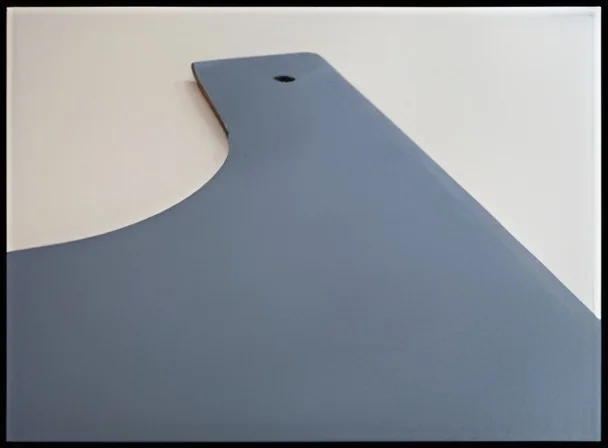
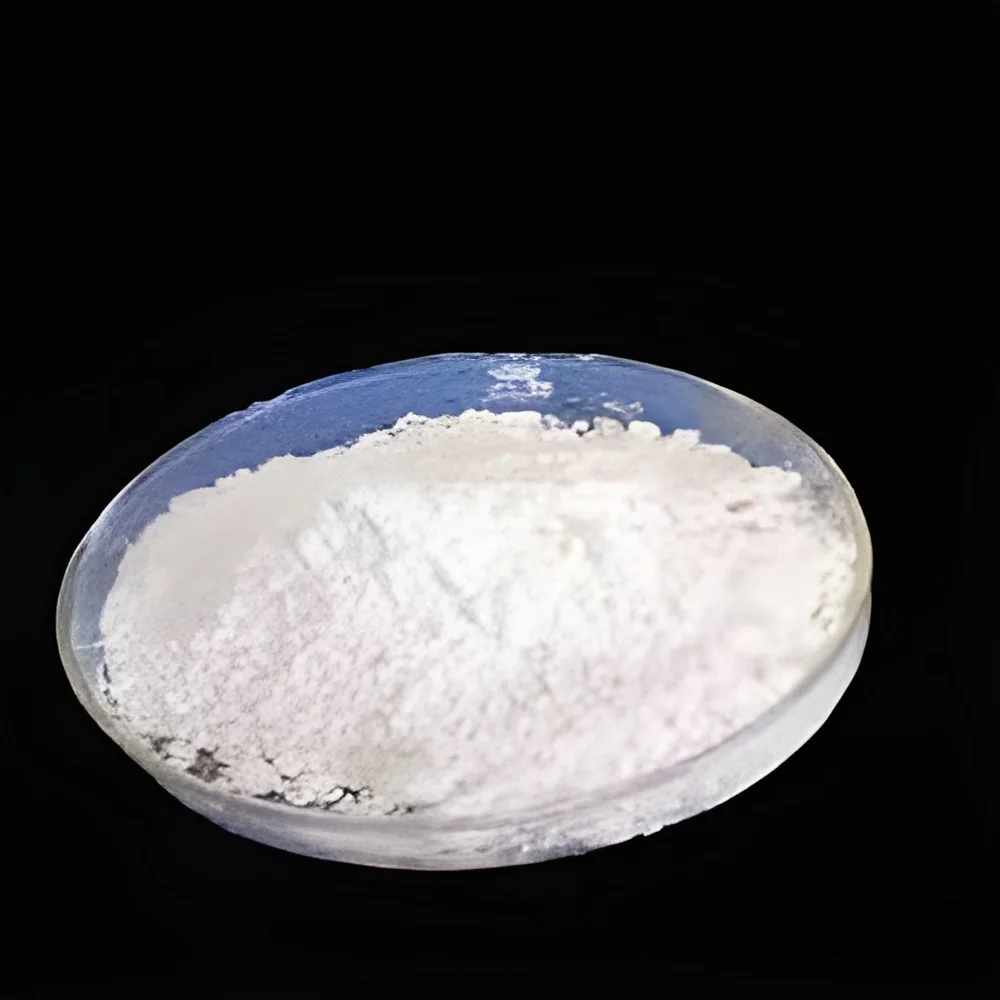
Powder coating raw materials are the essential components used to create a powder coating finish. This process involves applying a dry powder to a surface, which is then heated to form a durable coating. The raw materials typically include resins, pigments, fillers, and additives, each playing a critical role in the final characteristics of the coating, such as color, texture, and durability.
These materials are widely used in various industries, including automotive, furniture, and electronics. They provide a protective and aesthetic finish to metal, wood, and plastic surfaces, enhancing their resistance to corrosion, wear, and environmental stress. The powder coating process not only improves the appearance of products but also contributes to sustainability by reducing waste and eliminating harmful solvents.
In the current market, the demand for powder coating raw materials is increasing due to the growing emphasis on environmentally friendly coatings and efficient manufacturing processes. As industries strive for higher quality and longer-lasting finishes, the relevance of these materials continues to expand. This trend is further supported by advancements in technology and innovations in product formulations.
Key Features and Specifications
Powder coating raw materials possess several key features that enhance their performance and functionality. Understanding these specifications can aid businesses in selecting the right materials for their needs.
Key specifications include:
1. Resin Type
- Determines the coating's adhesion, flexibility, and durability.
- Common types include epoxy, polyester, and hybrid resins.
2. Pigment Quality
- Affects color consistency and stability under UV exposure.
- High-quality pigments ensure vibrant colors and resistance to fading.
3. Particle Size Distribution
- Influences the smoothness and finish of the coating.
- Typically ranges from 10 to 100 microns for optimal application.
4. Additive Functionality
- Enhances properties such as flow, leveling, and curing.
- Includes various agents like flow modifiers and curing agents.
5. Shelf Life
- Indicates the period during which the materials maintain their quality.
- Usually ranges from 6 months to 2 years, depending on storage conditions.
6. Compliance with Standards
- Ensures that materials meet industry regulations for safety and performance.
- Often includes certifications like CE and ISO standards.
7. Application Method Compatibility
- Determines if the materials can be used with different application techniques.
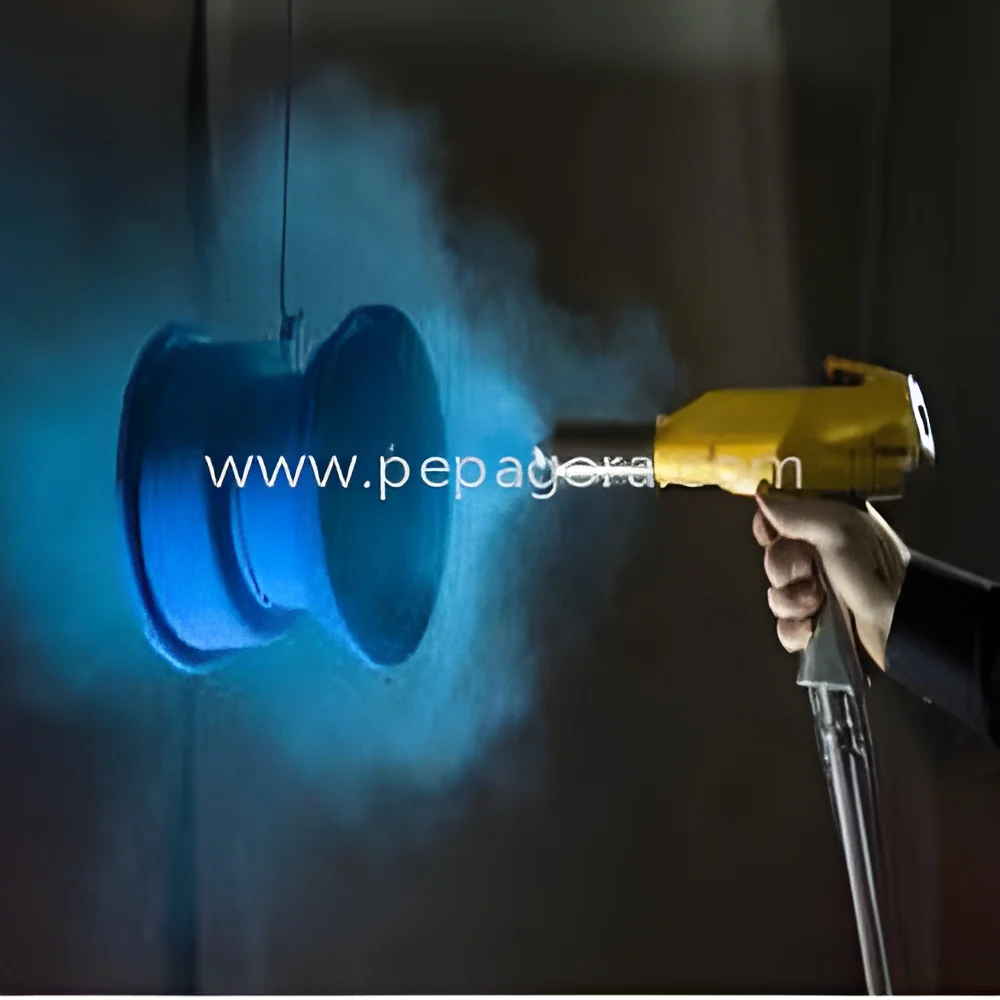
- Compatibility with electrostatic spray and fluidized bed methods is common.
In summary, selecting powder coating raw materials involves understanding these specifications to ensure optimal performance and compliance with industry standards.
Common Applications and Use Cases
Powder coating raw materials are utilized across a wide range of industries due to their versatility and effectiveness.
1. Automotive: Powder coatings are extensively used in the automotive sector for both exterior and interior parts, providing a durable finish that withstands harsh conditions.
2. Furniture: In the furniture industry, these materials are applied to metal and wood surfaces, offering both aesthetic appeal and protection against scratches and corrosion.
3. Electronics: Manufacturers of electronic devices use powder coatings to protect components from environmental damage while ensuring a clean, professional look.
4. Construction: Powder coatings are applied to building materials such as windows and doors, enhancing their durability and resistance to weather elements.
5. Appliances: Home appliances often feature powder-coated surfaces that resist wear and provide a modern finish.
6. Agricultural Equipment: Coatings are used on machinery to protect against rust and environmental wear, extending the lifespan of equipment.
7. Sports Equipment: Powder coatings provide a tough finish on various sports equipment, ensuring durability and color retention even under stress.
Product Variants and Subcategories
Powder coating raw materials come in a variety of forms tailored to specific applications.
Epoxy Powder Coatings
These coatings are known for their excellent adhesion and chemical resistance. They are ideal for applications requiring a durable finish, such as automotive parts and industrial equipment.
Polyester Powder Coatings
Offering good UV resistance and color stability, polyester coatings are commonly used in outdoor applications, such as furniture and architectural elements.
Hybrid Powder Coatings
Combining properties of both epoxy and polyester, hybrid coatings provide a balanced performance making them suitable for a wide range of applications, including consumer goods.
Thermosetting Powder Coatings
These coatings undergo a chemical change when cured, leading to a hard and durable finish. They are often used in high-performance applications that require resilience.
Thermoplastic Powder Coatings
Unlike thermosetting powders, these can be reheated and reshaped. They are useful in applications where flexibility is necessary, such as in certain automotive interiors.
Benefits and Advantages
The use of powder coating raw materials offers several distinct advantages for businesses.
1. Environmental Compliance: Powder coatings are free from volatile organic compounds (VOCs), making them a more environmentally friendly option compared to traditional liquid coatings.
2. Durability: Coatings provide a tough layer that resists scratches, chips, and corrosion, extending the lifespan of finished products.
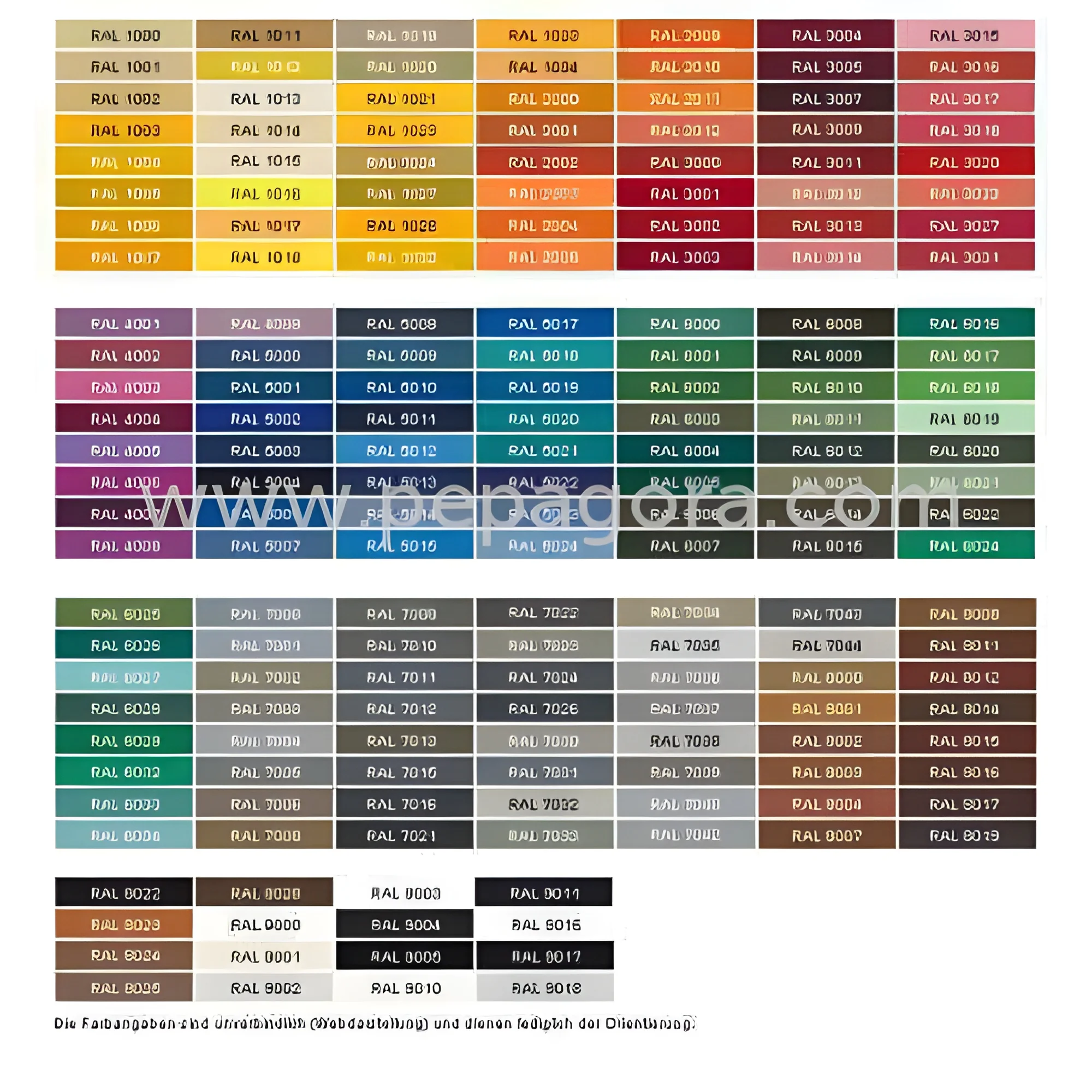
3. Aesthetic Flexibility: A wide range of colors and finishes are available, allowing businesses to customize products according to their branding and design needs.
4. Cost-Effectiveness: The application process minimizes waste, and the long-lasting nature of powder coatings can result in lower maintenance costs.
5. Curing Efficiency: Powder coatings cure quickly, leading to shorter production cycles and increased productivity for manufacturers.
6. Safety: The absence of solvents reduces health risks for workers, promoting a safer working environment.
Buying Guide for B2B Buyers
When sourcing powder coating raw materials, it is essential for businesses to consider several factors to ensure they make informed purchasing decisions.
1. Quality Assessment: Evaluate materials based on their performance characteristics and adhere to industry standards. Conduct tests if necessary to confirm quality.
2. Supplier Verification: Vet potential suppliers by checking their credentials, certifications, and customer reviews. Reliable suppliers should have a proven track record in the industry.
3. Pricing and MOQ: Understand the pricing structure and minimum order quantities (MOQ) required by suppliers. Compare costs across different suppliers to ensure competitive pricing.
4. Delivery and Lead Times: Assess the supplier's ability to meet your delivery requirements. Consider logistics and potential delays in your planning.
5. Compliance Requirements: Ensure that the materials meet relevant regulatory standards and certifications specific to your industry. This may include safety and environmental compliance.
Compliance and Certifications
Powder coating raw materials must adhere to several relevant quality standards and certifications to ensure safety and performance in various applications.
ISO 9001 is a widely recognized quality management standard that ensures consistent quality in products and services. Manufacturers of powder coating materials often seek this certification to demonstrate their commitment to quality.
CE certification is essential for products sold within the European Economic Area, indicating that they meet safety, health, and environmental protection standards.
Safety requirements for powder coating raw materials involve ensuring that materials are non-toxic and safe for use in various applications. This includes testing for harmful substances and ensuring compliance with safety regulations.
Additionally, regional compliance considerations may vary based on local laws and regulations. Businesses should be aware of these differences to ensure that their products meet all necessary legal requirements.
Why Source Powder Coating Raw Materials from Pepagora?
Pepagora provides a trusted platform for sourcing powder coating raw materials, ensuring businesses have access to high-quality products and reliable suppliers.
Verified Supplier Network: Pepagora connects buyers with a network of verified suppliers. This ensures that businesses can source materials confidently, knowing that suppliers meet industry standards and quality expectations.
Streamlined RFQ Process: The request for quotation (RFQ) process is simplified on Pepagora's platform. This allows buyers to request quotes efficiently, saving time and effort in sourcing materials.
Trade Assurance and Support: Pepagora offers trade assurance to protect buyers throughout the purchasing process. This includes support for negotiations and transactions, ensuring a smooth experience.
Regional Coverage: With a strong presence in India, the GCC, and Southeast Asia, Pepagora provides extensive geographic reach. This allows businesses to find local suppliers, reducing shipping times and costs while enhancing accessibility to quality materials.

 IN
IN