What are Heat Resistant Additives?
Heat resistant additives are specialized compounds that enhance the thermal stability of materials, particularly in industrial applications. These additives are formulated to withstand high temperatures while maintaining the integrity and performance of the base material. They play a crucial role in preventing degradation, warping, or loss of functionality in products exposed to extreme heat.
These additives find primary applications in various industries, including plastics, coatings, and rubber manufacturing. They are commonly used to improve the performance of products such as automotive parts, electrical insulations, and industrial equipment. With increasing demands for high-performance materials, the relevance of heat resistant additives continues to grow in the marketplace, as manufacturers seek to innovate and develop products that can endure harsh environmental conditions.
The market for heat resistant additives is expanding, driven by trends in material science and the need for durable products across several sectors. As industries evolve and technological advancements occur, the demand for these additives is expected to rise, reinforcing their importance in the manufacturing process.
Key Features and Specifications
Heat resistant additives offer a variety of features that make them essential for high-temperature applications. The specifications of these additives help manufacturers select the right product based on their specific needs and requirements.
Key specifications include:
1. Thermal Stability
- Ability to maintain performance at elevated temperatures
- Typically effective up to 300 degrees Celsius
2. Compatibility
- Suitable for use with various polymers and compounds
- Ensures seamless integration in manufacturing processes
3. Chemical Resistance
- Resistant to degradation from chemicals and solvents
- Enhances product longevity in harsh environments
4. Flame Retardancy
- Provides added protection against fire hazards
- Conforms to relevant safety standards
5. Processing Temperature
- Defined range for optimal processing conditions
- Usually between 180 to 220 degrees Celsius
6. Physical Form
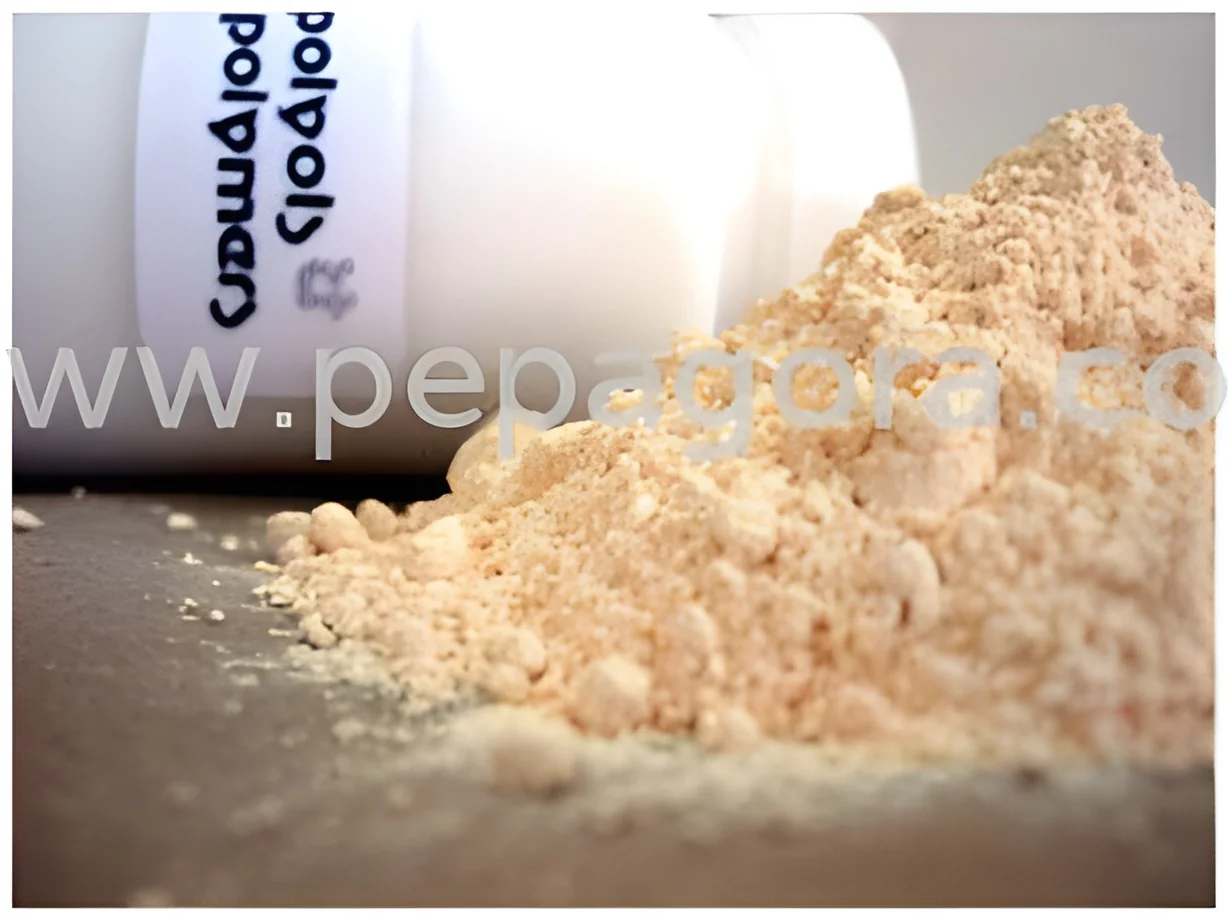
- Available in powder, granule, or liquid form
- Facilitates ease of handling and application
7. Particle Size
- Varies based on specific application needs
- Typically ranges from 10 microns to 200 microns
8. Shelf Life
- Indicates stability and usability over time
- Generally lasts up to three years when stored properly
In summary, understanding the features and specifications of heat resistant additives is critical for manufacturers to ensure they choose the right products for their applications.
Common Applications and Use Cases
Heat resistant additives serve various industries by enhancing the durability and performance of products.
1. Automotive Industry: These additives are used in the production of engine components and electrical insulations, where high temperatures are prevalent. They help in improving the longevity of materials exposed to heat.
2. Electronics Industry: In the manufacture of circuit boards and other electronic components, heat resistant additives protect against thermal degradation, ensuring reliable performance and safety.
3. Construction Materials: Heat resistant additives are incorporated into paints and coatings to provide thermal stability and protect surfaces from heat damage in various environments.
4. Aerospace Industry: These additives are essential for components that must withstand extreme temperatures during flight. They ensure reliability and safety in critical applications.
5. Oil and Gas Sector: In drilling and production equipment, heat resistant additives help maintain structural integrity under high-temperature conditions, improving safety and efficiency.
6. Packaging Industry: Heat resistant additives are used in food packaging materials to maintain quality and safety when exposed to thermal processing.
7. Textiles Industry: These additives enhance the heat resistance of fabrics used in protective clothing and industrial applications, ensuring durability and safety.
Product Variants and Subcategories
Heat resistant additives come in diverse formulations to meet the specific needs of different applications. This diversity allows manufacturers to choose the right variant based on performance requirements.
Variant 1: Polymeric Heat Resistant Additives
These additives are designed specifically for polymers, enhancing their thermal stability and performance. Commonly used in plastic manufacturing, they improve the heat resistance of containers and automotive parts.
Variant 2: Mineral-Based Heat Resistant Additives
These additives are derived from natural minerals and are used in coatings and composites. They provide excellent thermal stability and are often employed in construction materials for enhanced fire resistance.
Variant 3: Intumescent Heat Resistant Additives
These additives expand when exposed to heat, forming a protective char layer. They are used in fireproof coatings and materials, offering additional safety in construction and manufacturing.
Benefits and Advantages
Utilizing heat resistant additives provides numerous advantages for manufacturers looking to improve product performance.
1. Enhanced Durability: These additives significantly increase the lifespan of products exposed to high temperatures, reducing the need for replacements.
2. Improved Safety: The incorporation of heat resistant additives helps meet safety standards, particularly in industries where fire hazards are a concern.
3. Cost-Effectiveness: By increasing the durability of materials, these additives reduce long-term costs associated with maintenance and replacements.
4. Versatility: Heat resistant additives can be used across various applications and industries, making them a flexible solution for manufacturers.
5. Increased Efficiency: These additives improve processing times and manufacturing efficiency by allowing materials to withstand higher temperatures during production.
6. Compliance with Regulations: Many heat resistant additives meet industry standards and certifications, facilitating compliance with safety regulations.
Buying Guide for B2B Buyers
When sourcing heat resistant additives, it is essential for B2B buyers to consider several key factors to ensure they select the best products for their needs.
1. Quality Assessment: Evaluate the quality of heat resistant additives by reviewing technical data sheets and performance reviews. Ensure that the additives meet industry standards and specifications.
2. Supplier Verification: Vet potential suppliers by checking their credentials, customer reviews, and track record in the industry. A reliable supplier can provide consistent quality and timely delivery.
3. Pricing and MOQ: Understand the pricing structure and minimum order quantities (MOQ) that suppliers offer. This information is crucial for budgeting and procurement planning.
4. Delivery and Lead Times: Discuss logistics with suppliers to confirm delivery times and conditions. A supplier’s ability to meet tight deadlines can be critical for production schedules.
5. Compliance Requirements: Verify that the additives comply with relevant safety and environmental regulations. This is particularly important for industries with strict compliance standards.
Compliance and Certifications
Ensuring compliance with relevant standards is crucial for manufacturers using heat resistant additives. Many suppliers adhere to quality management systems such as ISO 9001, ensuring consistent quality in production processes.
Industry certifications, such as CE marking, indicate that products meet European safety and performance standards. This certification is essential for manufacturers exporting products to international markets.
Safety and testing requirements are also vital considerations. Many heat resistant additives undergo rigorous testing to assess their performance under extreme conditions. This includes thermal testing and chemical resistance evaluations.
Regional compliance considerations may vary, and it is important for manufacturers to be aware of local regulations governing the use of heat resistant additives. Understanding these factors can help ensure that products meet all necessary legal requirements.
Why Source Heat Resistant Additives from Pepagora?
Pepagora provides a trusted platform for sourcing heat resistant additives, offering several key advantages for B2B buyers.
Verified Supplier Network: Pepagora connects buyers with a network of verified suppliers, ensuring that they receive high-quality products. This verification process helps mitigate risks associated with supplier reliability.
Streamlined RFQ Process: The platform offers a streamlined request for quotation (RFQ) process that enables buyers to easily compare prices and features from multiple suppliers. This efficiency saves time and allows for better-informed purchasing decisions.
Trade Assurance and Support: Pepagora provides trade assurance and support to buyers, offering protection against potential issues in transactions. This support enhances buyer confidence in sourcing decisions.
Regional Coverage: With a geographic focus on India, the GCC, and Southeast Asia, Pepagora ensures broad accessibility for buyers in these regions. This extensive reach allows manufacturers to find suitable suppliers close to their operations, facilitating timely deliveries and support.

 IN
IN