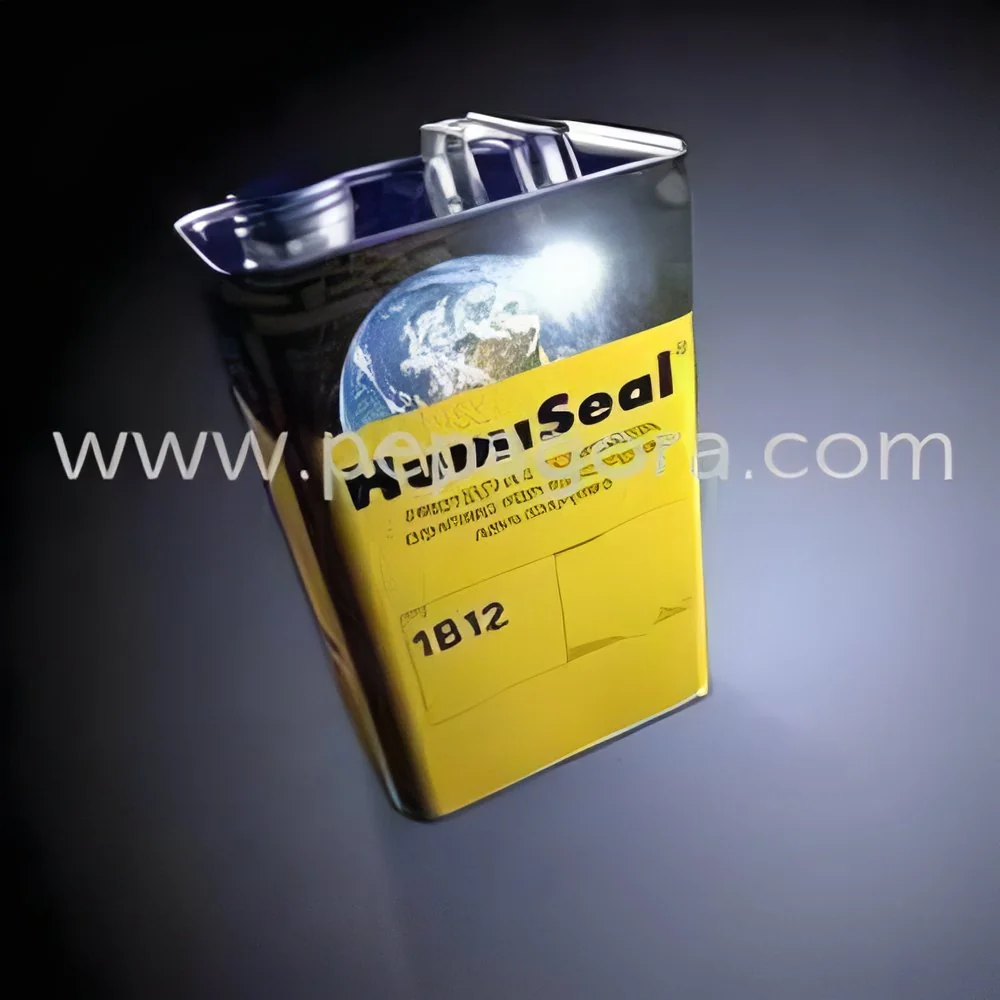
What are UV Stabilizers?
UV stabilizers are chemical compounds used to protect materials from the degrading effects of ultraviolet (UV) radiation. They work by absorbing harmful UV light, thereby preventing it from breaking down the chemical bonds in polymers and other materials. This stabilization process helps to maintain the integrity, color, and mechanical properties of products that are exposed to sunlight or other UV sources.
These stabilizers are widely used in various industries, particularly in the manufacture of plastics, coatings, and textiles. They are essential for products ranging from outdoor furniture and automotive components to packaging materials and construction supplies. By incorporating UV stabilizers, businesses can enhance the longevity and performance of their products, ensuring they withstand harsh environmental conditions and retain their aesthetic appeal over time.
The market for UV stabilizers is experiencing growth as industries increasingly recognize the need for durable and reliable products. With the rise of eco-friendly materials and sustainable manufacturing practices, the demand for effective UV protection continues to rise. Companies that invest in high-quality UV stabilizers can significantly improve their product offerings and competitiveness in the marketplace.
Key Features and Specifications
UV stabilizers come with a range of features and specifications that cater to different applications and requirements. These specifications play a crucial role in determining the effectiveness and suitability of the stabilizers for various materials.
Key specifications include:
1. UV Absorption Capacity
- Ability to absorb specific wavelengths of UV light
- Measured in nanometers (nm), typically targeting UV-A and UV-B ranges
2. Thermal Stability
- Resistance to degradation at high temperatures
- Ensures performance under extreme conditions, usually indicated by decomposition temperature
3. Compatibility
- Ability to blend with various polymers and materials
- Ensures uniform distribution and effectiveness without affecting other properties
4. Concentration Levels
- Recommended dosage for optimal performance
- Usually expressed in parts per million (ppm) or percentage by weight
5. Migration Resistance
- Ability to remain within the substrate without leaching out
- Critical for maintaining long-term effectiveness in applications
6. Lightfastness
- Resistance to fading or discoloration when exposed to light
- Often tested through accelerated weathering tests
7. Regulatory Compliance
- Adherence to industry standards and regulations
- Certification such as CE for safety and environmental impact
8. Shelf Life
- Duration for which the product maintains effectiveness when stored
- Typically ranges from several months to a few years depending on storage conditions
In summary, understanding the key features and specifications of UV stabilizers is essential for making informed decisions in product development and procurement.
Common Applications and Use Cases
UV stabilizers serve a variety of industries, providing essential protection for products exposed to UV radiation.
1. Plastics Industry: UV stabilizers are commonly used in outdoor plastic products like garden furniture, automotive parts, and packaging materials. They help prevent discoloration and brittleness, extending the lifespan of these items.
2. Coatings and Paints: In the coatings industry, UV stabilizers are added to paints and varnishes to enhance durability. They protect the finish from fading and degradation caused by sunlight, ensuring long-lasting aesthetics.
3. Textiles: UV stabilizers are utilized in outdoor textiles, such as awnings, umbrellas, and upholstery. They prevent fabric degradation and color loss, maintaining the appearance and functionality of these products.
4. Construction Materials: In construction, UV stabilizers are used in roofing membranes, siding, and other materials exposed to sunlight. They help preserve structural integrity and reduce maintenance costs.
5. Electronics: UV stabilizers are integrated into electronic devices to protect plastic housings and components from UV damage, ensuring reliability and performance over time.
6. Agriculture: In agricultural applications, UV stabilizers are used in greenhouse films and tarps to protect crops from harmful UV rays while allowing beneficial light to pass through.
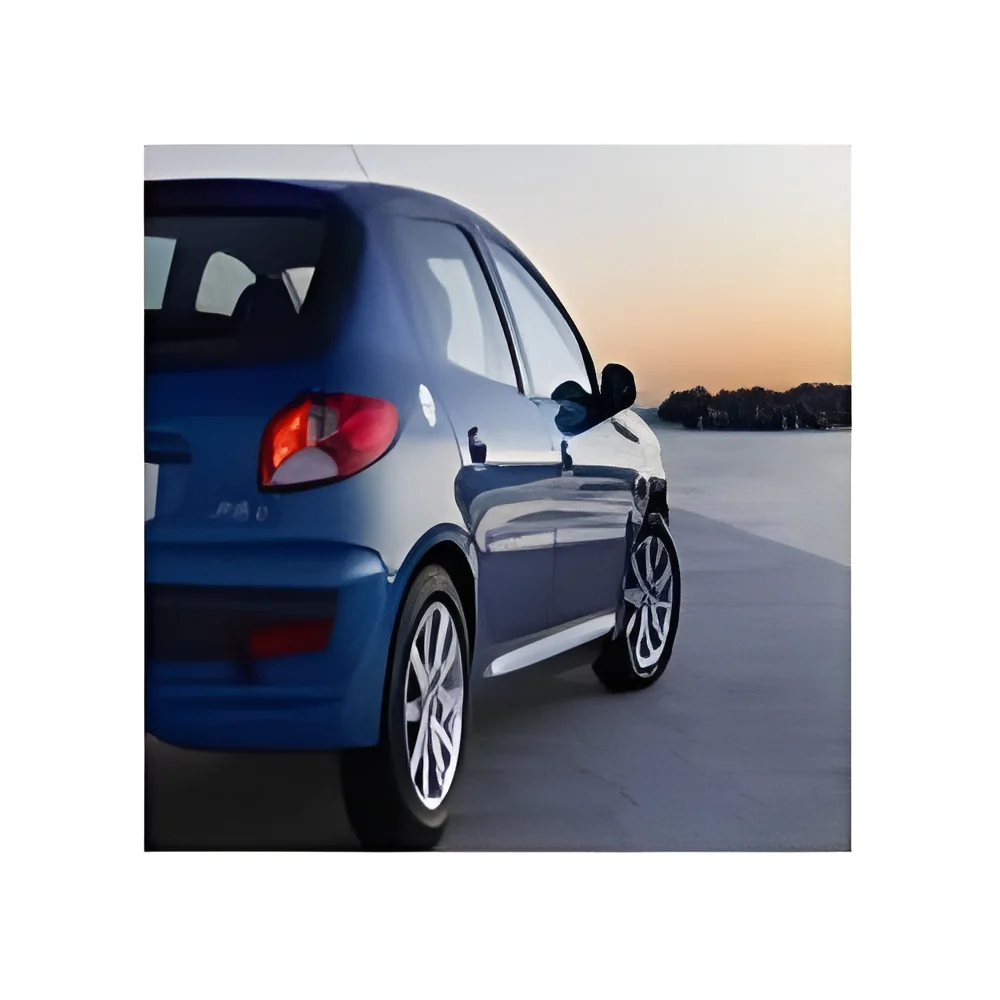
7. Automotive: UV stabilizers play a vital role in automotive coatings and interior components, protecting against fading and maintaining the visual appeal of vehicles.
Product Variants and Subcategories
UV stabilizers come in various forms, each designed to meet specific industry needs.
Variant 1: Benzotriazole-based Stabilizers
These stabilizers provide excellent UV absorption and are widely used in plastics and coatings. They are known for their ability to protect against both UV-A and UV-B radiation, making them suitable for outdoor applications.
Variant 2: Hindered Amine Light Stabilizers (HALS)
HALS are effective in preventing polymer degradation by scavenging free radicals. They are commonly used in applications requiring long-term UV protection, such as automotive and construction materials.
Variant 3: Combination Stabilizers
These products combine different stabilizer types to provide broad-spectrum protection. They are ideal for complex formulations where multiple types of UV protection are needed.
Benefits and Advantages
The use of UV stabilizers offers several key benefits for businesses looking to enhance their product durability and quality.
1. Extended Product Lifespan: UV stabilizers significantly increase the longevity of materials by preventing degradation from UV exposure, reducing the need for replacements.
2. Improved Aesthetics: By preventing discoloration and fading, UV stabilizers help maintain the visual appeal of products, which is crucial for consumer satisfaction.
3. Enhanced Performance: Products treated with UV stabilizers exhibit better mechanical properties, such as flexibility and impact resistance, ensuring reliability in various applications.
4. Cost Efficiency: By reducing the frequency of product replacement and maintenance, businesses can save on costs associated with repairs and replacements.
5. Regulatory Compliance: Many UV stabilizers meet safety and environmental standards, helping businesses adhere to regulations and enhance their marketability.
6. Versatility: UV stabilizers can be used across various materials and industries, providing flexibility in product development and formulation.
Buying Guide for B2B Buyers
When sourcing UV stabilizers, it is essential to consider several factors to ensure the selection of the right product for your needs.
1. Quality Assessment: Evaluate the quality of the UV stabilizers based on performance data and testing results. Look for products that meet industry standards and have positive reviews from other users.
2. Supplier Verification: Vet potential suppliers to ensure they are reputable and reliable. Check for certifications and customer feedback to gauge their reliability and service quality.
3. Pricing and MOQ: Consider the pricing structure and minimum order quantities (MOQ) offered by suppliers. Compare costs while ensuring quality is not compromised for price.
4. Delivery and Lead Times: Assess the logistics of delivery and lead times offered by suppliers. Ensure they can meet your timelines to avoid disruptions in your production processes.
5. Compliance Requirements: Understand the regulatory requirements relevant to your industry. Ensure that the UV stabilizers you choose comply with necessary safety and environmental standards.
Compliance and Certifications
UV stabilizers must adhere to various quality standards and certifications to ensure safety and effectiveness in their applications.
ISO 9001 is a widely recognized standard that emphasizes quality management systems. Suppliers of UV stabilizers often pursue this certification to demonstrate their commitment to quality and continuous improvement.
CE certification is essential for products sold in the European market, ensuring they meet safety, health, and environmental protection standards. This certification is particularly important for businesses looking to expand their market reach.
Safety and testing requirements are critical in the manufacturing process for UV stabilizers. Products must undergo rigorous testing to confirm their performance and stability under UV exposure and other environmental conditions.
Additionally, regional compliance considerations may vary. Buyers should be aware of local regulations regarding chemical safety and environmental impact, ensuring the products they source meet these requirements.
Why Source UV Stabilizers from Pepagora?
Pepagora provides a trusted platform for sourcing UV stabilizers, offering numerous advantages for B2B buyers.
Verified Supplier Network: Pepagora has established a network of verified suppliers, ensuring that buyers can confidently source high-quality UV stabilizers. This verification process helps mitigate risks associated with sourcing from unproven suppliers.
Streamlined RFQ Process: The platform features a user-friendly request for quotation (RFQ) system, allowing buyers to easily compare quotes from multiple suppliers. This process enhances transparency and helps buyers make informed decisions.
Trade Assurance and Support: Pepagora offers trade assurance to protect buyers throughout the procurement process. This support includes assistance with negotiations and addressing any potential issues that may arise.
Regional Coverage: With a strong presence in India, the GCC, and Southeast Asia, Pepagora connects buyers with suppliers in these regions. This geographic reach facilitates easier access to essential UV stabilizers, catering to diverse industry needs.

 IN
IN