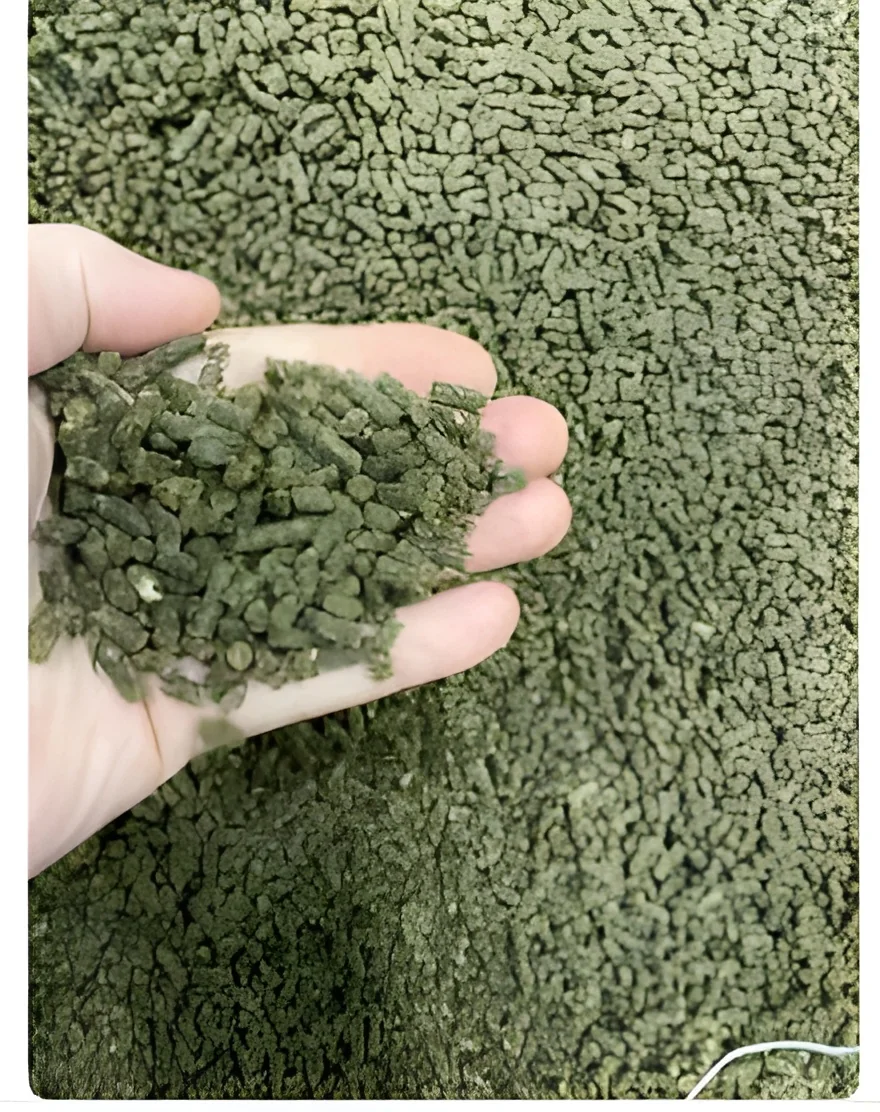
What are Cellulose Derivatives?
Cellulose derivatives are chemically modified forms of cellulose, a natural polymer derived from plant cell walls. These derivatives are created through various chemical processes that enhance their properties, making them suitable for a wide range of industrial applications. The modifications can alter aspects such as solubility, viscosity, and reactivity, enabling cellulose derivatives to serve specific functions in diverse products.
The primary uses of cellulose derivatives span several industries, including pharmaceuticals, food, cosmetics, and textiles. In pharmaceuticals, they are commonly used as excipients or binding agents in drug formulations. In the food industry, they act as thickeners, stabilizers, and emulsifiers, enhancing product texture and shelf life. Additionally, their versatility makes them relevant in industries such as personal care for thickening agents and in textiles for enhancing fabric properties.
The market for cellulose derivatives is growing, driven by the increasing demand for sustainable and biodegradable materials. As industries look for eco-friendly alternatives to synthetic substances, cellulose derivatives offer a promising solution. Their natural origin and adaptability make them a critical component in the shift towards sustainable product development.
Key Features and Specifications
Cellulose derivatives possess a variety of features that make them valuable in industrial applications. Their diverse chemical properties allow for customization based on specific requirements. Key specifications include:
1. Solubility
- Varies depending on the type of derivative
- Can be water-soluble or insoluble, influencing application suitability
2. Viscosity
- Affected by concentration and molecular weight
- Can range from low to high viscosity, tailored for different uses
3. pH Stability
- Maintains performance across a range of pH levels
- Important for applications in food and pharmaceuticals
4. Thermal Stability
- Resistance to degradation under heat
- Essential for processing conditions in manufacturing
5. Binding Properties
- Strong adhesion characteristics
- Useful in tablet formulations and coatings
6. Film-Forming Ability
- Can form protective films when applied
- Ideal for coatings in various applications
7. Biodegradability
- Environmentally friendly due to natural origin
- Supports sustainability goals in product development
In summary, the specifications of cellulose derivatives highlight their versatility and adaptability, making them suitable for a wide range of industrial applications.
Common Applications and Use Cases
Cellulose derivatives are used across various industries due to their unique properties.
1. Pharmaceuticals: They are utilized as binders in tablets and capsules, enhancing drug stability and release profiles.
2. Food Industry: Cellulose derivatives serve as thickeners and stabilizers in sauces, dressings, and dairy products, improving texture and mouthfeel.
3. Cosmetics: In personal care products, they act as thickeners and emulsifiers, contributing to product consistency and performance.
4. Textile Industry: Cellulose derivatives are used in fabric treatments to enhance water resistance and durability.
5. Construction: They play a role in the formulation of adhesives and sealants, providing improved bonding strength.
6. Paper and Packaging: Cellulose derivatives are employed as coatings to improve moisture resistance and printability.
7. Agriculture: They are used in controlled-release fertilizers and as soil conditioners to enhance moisture retention.
Product Variants and Subcategories
Cellulose derivatives encompass a range of product variants that cater to different industrial needs.
Hydroxypropyl Methylcellulose (HPMC)
This variant is widely used in pharmaceuticals and food applications due to its excellent solubility and film-forming properties. HPMC acts as a thickener and stabilizer, providing desired textures in various products.
Carboxymethylcellulose (CMC)
CMC is known for its high viscosity and water retention capabilities. It is commonly used in the food industry as a thickener and in pharmaceuticals as a binding agent due to its reliable performance.
Methylcellulose (MC)
MC is frequently used in construction and personal care applications for its unique properties. It acts as a thickener and stabilizer, enhancing product performance in various formulations.
Benefits and Advantages
The use of cellulose derivatives offers numerous advantages across different applications.
1. Versatility: Cellulose derivatives can be tailored for specific applications, enhancing their effectiveness in various industries.
2. Eco-Friendliness: Being derived from natural cellulose, these materials contribute to sustainable practices and reduce reliance on synthetic substances.
3. Improved Product Stability: Cellulose derivatives enhance the stability of formulations, extending shelf life and maintaining quality over time.
4. Enhanced Texture: They improve the texture and mouthfeel of food products, making them more appealing to consumers.
5. Customizable Properties: Manufacturers can adjust viscosity, solubility, and other properties to meet specific formulation requirements.
6. Safety and Non-Toxicity: Cellulose derivatives are generally recognized as safe, making them suitable for use in food and pharmaceutical products.
Buying Guide for B2B Buyers
When sourcing cellulose derivatives, several factors should be taken into account to ensure quality and reliability.
1. Quality Assessment: Evaluate the purity and consistency of cellulose derivatives. Look for suppliers who provide certificates of analysis to confirm product specifications.
2. Supplier Verification: Conduct thorough research on potential suppliers. Check their reputation, production capabilities, and compliance with industry standards to ensure reliability.
3. Pricing and MOQ: Understand the pricing structures and minimum order quantities (MOQ) set by suppliers. This helps in budgeting and managing inventory effectively.
4. Delivery and Lead Times: Inquire about delivery schedules and lead times. Timely delivery is crucial for maintaining production schedules and avoiding delays.
5. Compliance Requirements: Ensure that the cellulose derivatives meet relevant regulatory standards for your industry, such as food safety or pharmaceutical guidelines.
Compliance and Certifications
Cellulose derivatives must adhere to various quality standards and certifications to ensure safety and efficacy in their applications.
Relevant quality standards include ISO 9001, which focuses on quality management systems, and HACCP, which is vital for food safety assurance. Compliance with these standards helps maintain product integrity and consumer safety.
Industry certifications such as UL and CE indicate that products meet specific safety and performance standards. These certifications are essential for building trust with consumers and regulatory bodies.
Safety and testing requirements are crucial for cellulose derivatives used in sensitive applications like food and pharmaceuticals. Regular testing and adherence to established guidelines ensure that these materials remain safe for end users.
Regional compliance considerations may vary, making it essential for manufacturers and suppliers to stay informed about local regulations to ensure market access and product acceptance.
Why Source Cellulose Derivatives from Pepagora?
Pepagora offers a reliable platform for sourcing cellulose derivatives, providing several key advantages for B2B buyers.
Verified Supplier Network: Pepagora connects buyers with a network of verified suppliers, ensuring that you work with credible and trustworthy manufacturers. This reduces the risks associated with sourcing and enhances product quality.
Streamlined RFQ Process: The request for quotation (RFQ) process on Pepagora is designed for efficiency. Buyers can easily request quotes from multiple suppliers, simplifying the procurement process and facilitating better decision-making.
Trade Assurance and Support: Pepagora provides trade assurance and support, protecting buyers throughout the transaction process. This includes safeguards against potential disputes and ensures that products meet agreed-upon specifications.
Regional Coverage: With a strong presence in India, the GCC, and Southeast Asia, Pepagora offers extensive regional coverage. This geographic reach allows buyers to source cellulose derivatives locally while benefiting from competitive pricing and reduced shipping times.

 IN
IN