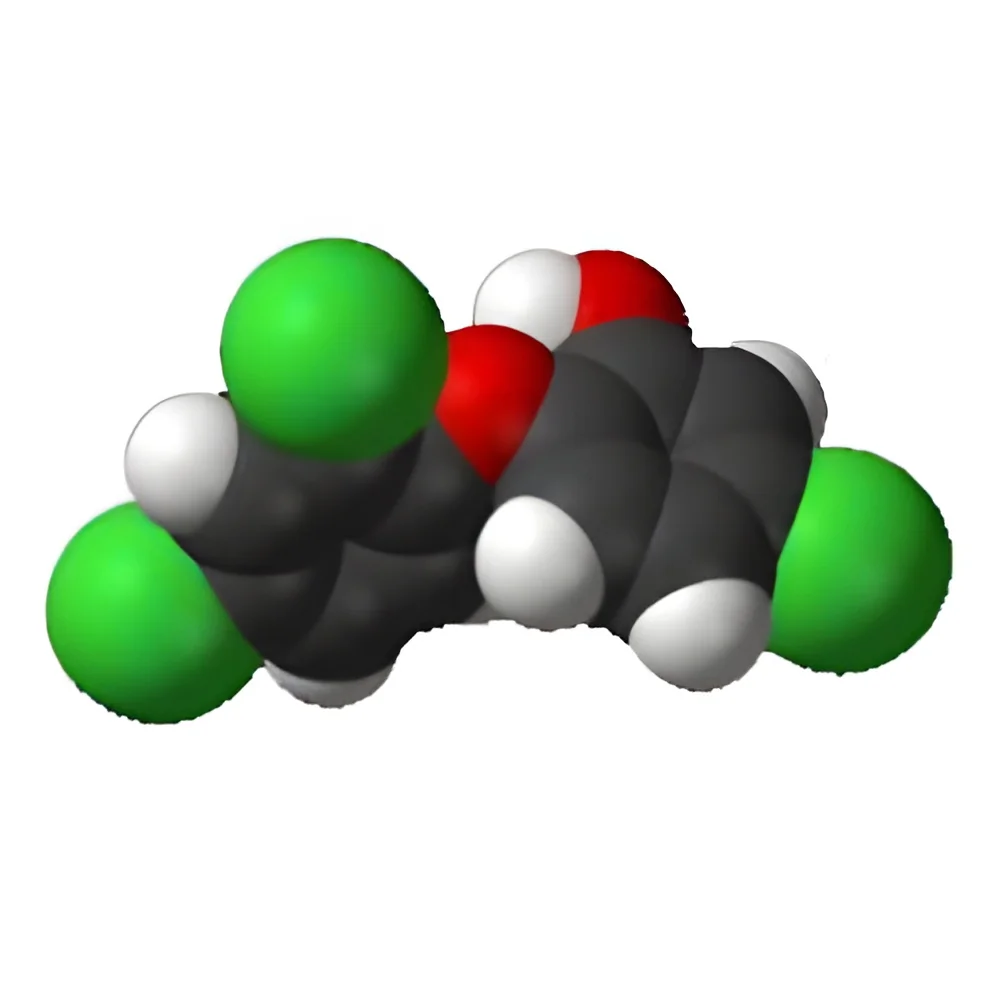
What are Anti-Microbial Additives?
Anti-Microbial Additives are substances incorporated into materials to inhibit the growth of microorganisms such as bacteria, fungi, and viruses. These additives work by either disrupting the cellular processes of these organisms or providing a hostile environment for their growth. They are commonly used in a variety of applications, including plastics, textiles, and coatings, ensuring that products remain hygienic and safe for consumers.
The primary uses of Anti-Microbial Additives span several industries, including healthcare, food processing, and consumer goods. In healthcare, they help maintain sterile environments in medical devices and facilities. In food processing, they prevent contamination and extend shelf life. In consumer products, they are utilized in items like kitchenware and clothing to reduce odors and stains caused by microbial growth. The increasing awareness of health and hygiene has heightened the demand for these additives across various markets.
With the global rise in health consciousness and the demand for safer products, the market for Anti-Microbial Additives has expanded significantly. Industries are increasingly investing in these solutions to enhance product performance and comply with regulatory standards. This trend highlights the relevance of Anti-Microbial Additives in ensuring public health and safety in industrial applications.
Key Features and Specifications
Anti-Microbial Additives are characterized by their ability to provide long-lasting protection against microbial growth. Key specifications include:
1. Efficacy:
- Detail about this specification: Measures the effectiveness of the additive in killing or inhibiting the growth of microorganisms.
- Technical parameters or ranges: Efficacy rates often exceed 99% against common pathogens.
2. Compatibility:
- Detail about this specification: Refers to how well the additive integrates with different materials without compromising their properties.
- Technical parameters or ranges: Compatible with a wide range of polymers and substrates.
3. Concentration:
- Detail about this specification: Indicates the amount of additive required for optimal performance.
- Technical parameters or ranges: Typically ranges from 0.5% to 5% by weight of the final product.
4. Temperature Stability:
- Detail about this specification: The additive's ability to maintain its effectiveness under varying temperatures.
- Technical parameters or ranges: Operates effectively within a broad temperature range, often from -20°C to 80°C.
5. Regulatory Compliance:
- Detail about this specification: Adherence to safety and quality standards set by regulatory bodies.
- Technical parameters or ranges: Complies with regulations like CE marking and other industry-specific certifications.
6. Longevity:
- Detail about this specification: The duration for which the additive remains effective after application.
- Technical parameters or ranges: Can provide protection for the lifespan of the product, often exceeding five years.
In summary, Anti-Microbial Additives offer a combination of efficacy, compatibility, and stability, making them essential for various industrial applications.
Common Applications and Use Cases
Anti-Microbial Additives find extensive use across multiple sectors due to their protective properties.
1. Healthcare: These additives are widely used in medical devices, hospital equipment, and surfaces to reduce the risk of infections and improve patient safety.
2. Food Processing: They are utilized in food packaging and processing environments to prevent microbial contamination, thereby extending the shelf life of products.
3. Textiles: Anti-Microbial Additives are incorporated into fabrics to reduce odors and stains, making them ideal for clothing and upholstery.
4. Consumer Electronics: These additives help protect electronic devices from microbial growth, enhancing product hygiene.
5. Construction: In building materials, they prevent mold and mildew formation, ensuring healthier indoor environments.
6. Automotive: Used in vehicle interiors to maintain cleanliness and prevent odor caused by bacteria and fungi.
7. Personal Care: Incorporated in products like deodorants and lotions to inhibit microbial growth, enhancing product safety and effectiveness.
Product Variants and Subcategories
Anti-Microbial Additives come in various forms to cater to different applications.
Variant 1: Silver-based Additives
These additives utilize silver ions to inhibit microbial growth. They are effective against a broad spectrum of bacteria and are commonly used in healthcare applications and consumer products.
Variant 2: Copper-based Additives
Copper-based additives exhibit strong anti-microbial properties and are often used in surfaces and coatings. They are particularly effective in high-touch areas such as door handles and hospital surfaces.
Variant 3: Zinc-based Additives
Zinc-based additives are effective in textiles and polymer applications, providing long-lasting protection against microbial growth while being environmentally friendly.
Benefits and Advantages
Anti-Microbial Additives offer several key benefits that enhance product value.
1. Enhanced Hygiene: They significantly reduce the risk of microbial contamination, leading to safer products for end users.
2. Extended Product Lifespan: By preventing microbial growth, these additives help extend the longevity of products, reducing replacement costs.
3. Odor Control: Anti-Microbial Additives help in controlling odors caused by bacterial growth, improving user experience.
4. Compliance with Regulations: Incorporating these additives helps companies meet health and safety standards, ensuring regulatory compliance.
5. Versatile Applications: Their compatibility with various materials allows for widespread use across multiple industries.
6. Improved Brand Reputation: Offering products with anti-microbial properties enhances brand perception, as consumers increasingly seek safer and cleaner options.
Buying Guide for B2B Buyers
When sourcing Anti-Microbial Additives, B2B buyers should consider several key factors.
1. Quality Assessment: Evaluate the quality of additives by reviewing product specifications, efficacy data, and compliance with industry standards.
2. Supplier Verification: Vet potential suppliers by checking their certifications, customer reviews, and track record in the market.
3. Pricing and MOQ: Analyze pricing structures and minimum order quantities to ensure they align with your budget and production needs.
4. Delivery and Lead Times: Confirm logistics capabilities and lead times to avoid delays in production and supply chain interruptions.
5. Compliance Requirements: Ensure that the additives meet regional regulatory requirements and industry-specific standards to mitigate compliance risks.
Compliance and Certifications
Compliance and certifications play a crucial role in the manufacturing and use of Anti-Microbial Additives. Adhering to quality standards like ISO 9001 ensures that products meet international quality benchmarks for safety and reliability.
Industry certifications, such as the CE mark, confirm that the products comply with European safety and health regulations.
Safety and testing requirements are essential to validate the efficacy and safety of these additives. Rigorous testing ensures that the products will perform as intended without adverse effects on human health or the environment.
Additionally, regional compliance considerations must be taken into account, as different markets may have specific regulations governing the use of anti-microbial solutions.
Why Source Anti-Microbial Additives from Pepagora?
Pepagora offers a trusted platform for sourcing Anti-Microbial Additives, providing several key advantages for businesses.
The verified supplier network ensures that buyers can connect with reputable manufacturers and distributors, minimizing risks associated with quality and reliability.
The streamlined RFQ process allows for efficient quotation management, enabling buyers to easily compare offers and select the best options for their needs.
Trade assurance and support are integral to the Pepagora experience, offering buyers peace of mind through protection measures that safeguard transactions.
With extensive regional coverage in India, the GCC, and Southeast Asia, Pepagora meets the diverse needs of businesses across different markets, facilitating access to high-quality anti-microbial solutions.

 IN
IN