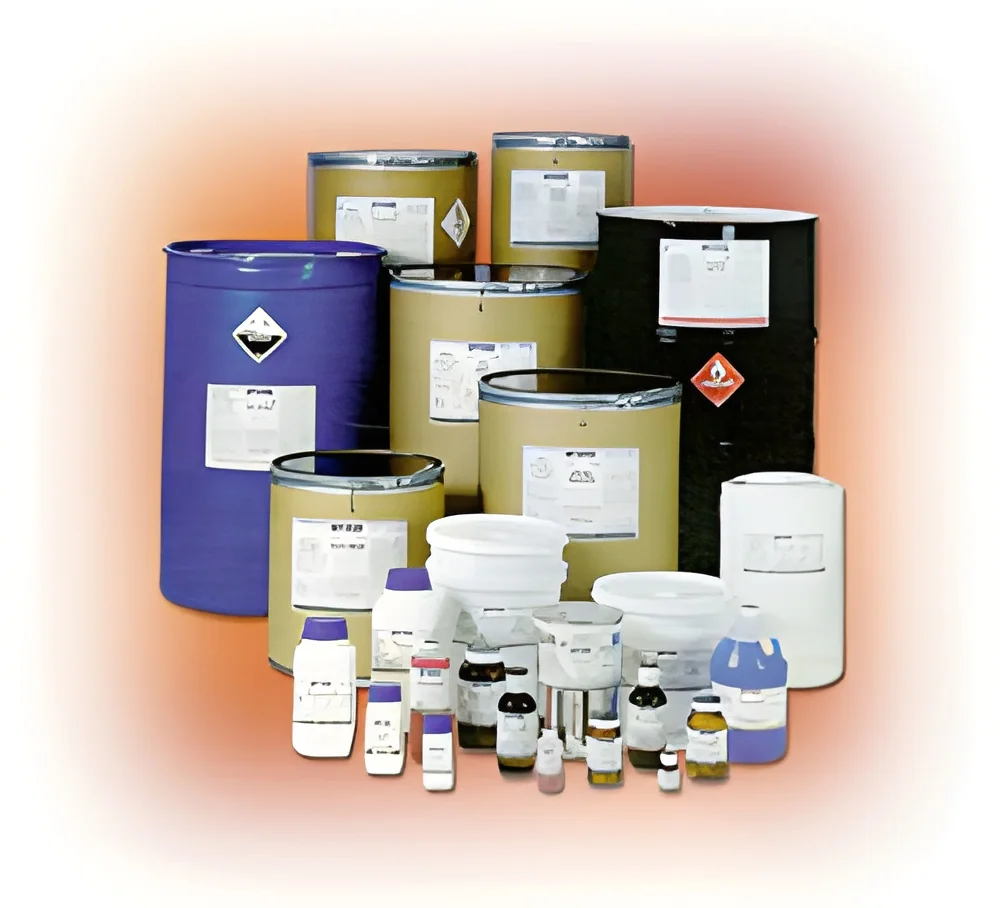
What are Crosslinking Agents?
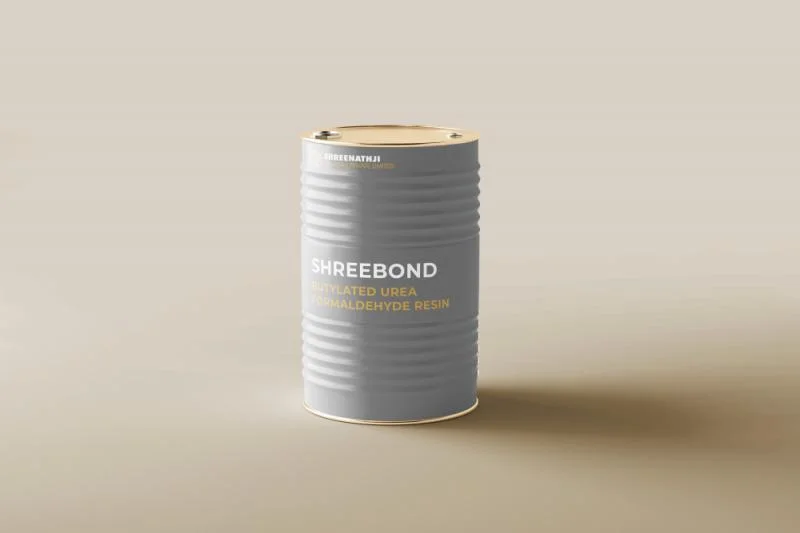
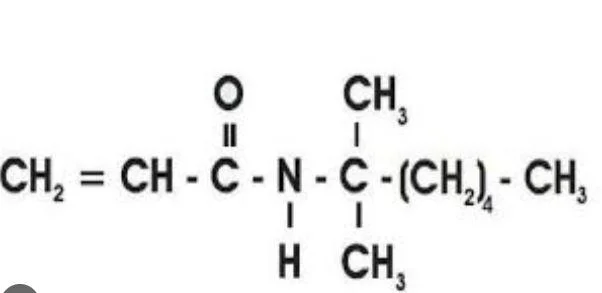
Crosslinking agents are chemical compounds that facilitate the formation of crosslinks between polymer chains. This process enhances the physical properties of materials, making them more durable and resistant to wear and tear. Crosslinking can significantly improve the thermal stability, mechanical strength, and chemical resistance of the base materials. These agents are essential in various applications, particularly in the production and formulation of coatings, adhesives, and elastomers.
The primary uses of crosslinking agents span multiple industries, including construction, automotive, and consumer goods. In coatings, they help create a tough, resistant surface that can endure harsh environmental conditions. In adhesives, they enhance bonding strength, ensuring long-lasting performance. In elastomers, they contribute to improved elasticity and resilience. As industries increasingly seek materials that offer enhanced performance, the demand for crosslinking agents continues to grow.
The relevance of crosslinking agents in today’s market cannot be overstated. With an emphasis on sustainability and high-performance materials, companies are increasingly turning to advanced formulations that incorporate these agents. This trend is especially prominent in sectors focused on innovation and efficiency, driving growth and investment in this area.
Key Features and Specifications
Crosslinking agents come with various features and specifications that determine their effectiveness in different applications. Understanding these specifications is essential for selecting the right product for specific needs.
Key specifications include:
1. Chemical Composition
- The base chemistry of the crosslinking agent, which can be epoxy, isocyanate, or other types.
- Varies based on the intended application and performance requirements.
2. Reactivity Rate
- The speed at which the agent reacts with other components during the curing process.
- Important for determining processing times and overall production efficiency.
3. Temperature Resistance
- The range of temperatures the crosslinked material can withstand without losing properties.
- Critical for applications in extreme environments.
4. Mechanical Properties
- The strength, flexibility, and hardness of the final product after crosslinking.
- Influences the suitability of the material for specific uses.
5. Environmental Stability
- The agent's ability to maintain performance in varying environmental conditions, including humidity and UV exposure.
- Essential for outdoor applications.
6. Compatibility
- The ability to work with various resins and substrates.
- Important for ensuring optimal bonding and performance in mixed formulations.
7. Safety and Handling
- Information on toxicity, flammability, and safe handling practices.
- Essential for compliance and worker safety.
8. Shelf Life
- The duration for which the agent remains effective when stored properly.
- Critical for inventory management and production planning.
In summary, selecting the right crosslinking agent involves understanding its chemical properties and performance characteristics. This knowledge helps ensure optimal application results.
Common Applications and Use Cases
Crosslinking agents find applications across a diverse range of industries, each with unique requirements.
1. Automotive Industry: Here, crosslinking agents are used in coatings and adhesives that require high durability and resistance to environmental factors. They help enhance the longevity and safety of vehicles.
2. Construction Sector: In this industry, crosslinking agents are vital for producing strong adhesives and sealants that can withstand structural stresses and varying weather conditions.
3. Electronics Manufacturing: Crosslinking agents are employed in potting compounds and encapsulants, providing protection for sensitive electronic components from moisture and mechanical stress.
4. Consumer Goods: Many household products, such as paints and coatings, utilize crosslinking agents to improve finish quality and longevity.
5. Textiles: In the textile industry, these agents are used to enhance the durability and water resistance of fabrics.
6. Medical Devices: Crosslinking agents are important in creating biocompatible materials for medical applications, ensuring safety and effectiveness.
7. Adhesive Formulations: They improve bonding strength and durability in various adhesive products used in multiple applications.
Product Variants and Subcategories
Crosslinking agents are available in various forms, each tailored for specific applications and industries. This diversity allows businesses to select the most appropriate agent for their needs.
Epoxy Crosslinkers: These agents provide excellent adhesion and chemical resistance, making them ideal for coatings and adhesives in industrial applications.
Polyurethane Crosslinkers: Known for their flexibility and durability, these agents are often used in elastomers and coatings that require high performance under stress.
Acrylic Crosslinkers: These are used in water-based formulations, offering quick drying times and excellent clarity in coatings.
Silane Crosslinkers: Suitable for use in a variety of substrates, silane agents provide strong bonding and moisture resistance, making them ideal for construction applications.
Benefits and Advantages
Crosslinking agents offer numerous advantages that enhance material performance and operational efficiency.
1. Enhanced Durability: Products formulated with crosslinking agents exhibit improved resistance to wear, chemicals, and environmental factors.
2. Improved Mechanical Properties: Crosslinking leads to stronger and more flexible materials, essential for applications requiring high performance.
3. Increased Thermal Stability: Crosslinked materials can withstand higher temperatures without compromising their integrity.
4. Greater Adhesion: Crosslinking agents enhance bonding strength between different materials, ensuring long-lasting performance.
5. Versatile Applications: Their diverse formulations allow crosslinking agents to be used across multiple industries and applications.
6. Cost-Effectiveness: By improving product performance, crosslinking agents can lead to reduced material costs and longer product lifespans.
Buying Guide for B2B Buyers
When sourcing crosslinking agents, it is crucial to consider several factors to ensure you select the right product for your needs.
1. Quality Assessment: Evaluate the quality of crosslinking agents based on their chemical composition and performance specifications. Look for products that meet industry standards.
2. Supplier Verification: Conduct thorough vetting of suppliers to ensure they have a proven track record of providing high-quality products and reliable service.
3. Pricing and MOQ: Understand the pricing structure and minimum order quantities to find options that fit your budget and production requirements.
4. Delivery and Lead Times: Inquire about the delivery schedules and lead times to ensure timely availability of materials for your production processes.
5. Compliance Requirements: Ensure that the crosslinking agents meet all necessary regulatory and safety standards for your industry to avoid compliance issues.
Compliance and Certifications
Crosslinking agents must adhere to various quality standards and certifications that ensure their safety and effectiveness in different applications.
Relevant quality standards include ISO 9001, which focuses on quality management systems, and HACCP, which is essential for ensuring food safety in applicable industries. Compliance with GDP, or Good Distribution Practices, is also crucial for maintaining product quality during distribution.
Industry certifications, such as CE marking, indicate that the products meet European safety, health, and environmental protection standards. These certifications are particularly important for suppliers looking to enter or compete in global markets.
Safety and testing requirements are paramount, especially in sensitive applications such as medical devices or food contact materials. Regular testing ensures that crosslinking agents perform as intended without causing harm.
Additionally, regional compliance considerations vary. Suppliers should be aware of local regulations and standards that may affect the use of crosslinking agents in specific markets.
Why Source Crosslinking Agents from Pepagora?
Pepagora provides a trusted platform for sourcing crosslinking agents, offering several key advantages tailored to meet the needs of B2B buyers.
Verified Supplier Network: Pepagora maintains a rigorous supplier verification process, ensuring that all listed suppliers meet high standards of quality and reliability. This helps buyers make informed decisions with confidence.
Streamlined RFQ Process: The platform simplifies the request for quotation process, allowing buyers to easily compare offers from multiple suppliers. This efficiency saves time and resources in procurement.
Trade Assurance and Support: Pepagora offers buyer protection through trade assurance, providing a safety net for transactions. This ensures that buyers receive the products they ordered in the specified quality and quantity.
Regional Coverage: With a strong presence in India, the GCC, and Southeast Asia, Pepagora ensures that buyers have access to suppliers in key markets. This geographic reach facilitates efficient logistics and timely delivery of products.
In summary, sourcing crosslinking agents from Pepagora allows businesses to benefit from a reliable network of suppliers, streamlined procurement processes, and enhanced buyer protection, making it an ideal choice for B2B transactions.

 IN
IN