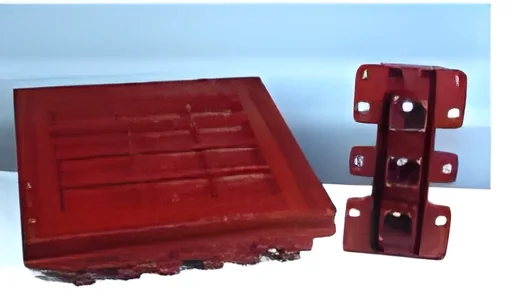
What are Epoxy Resins?
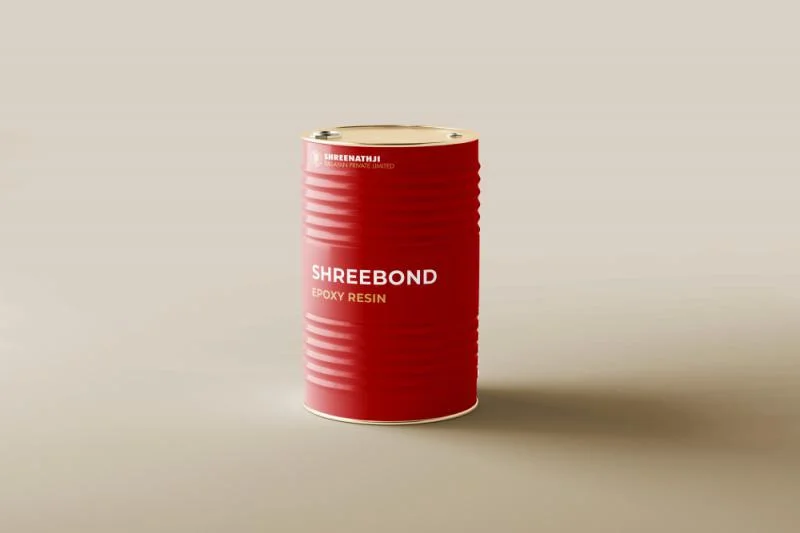
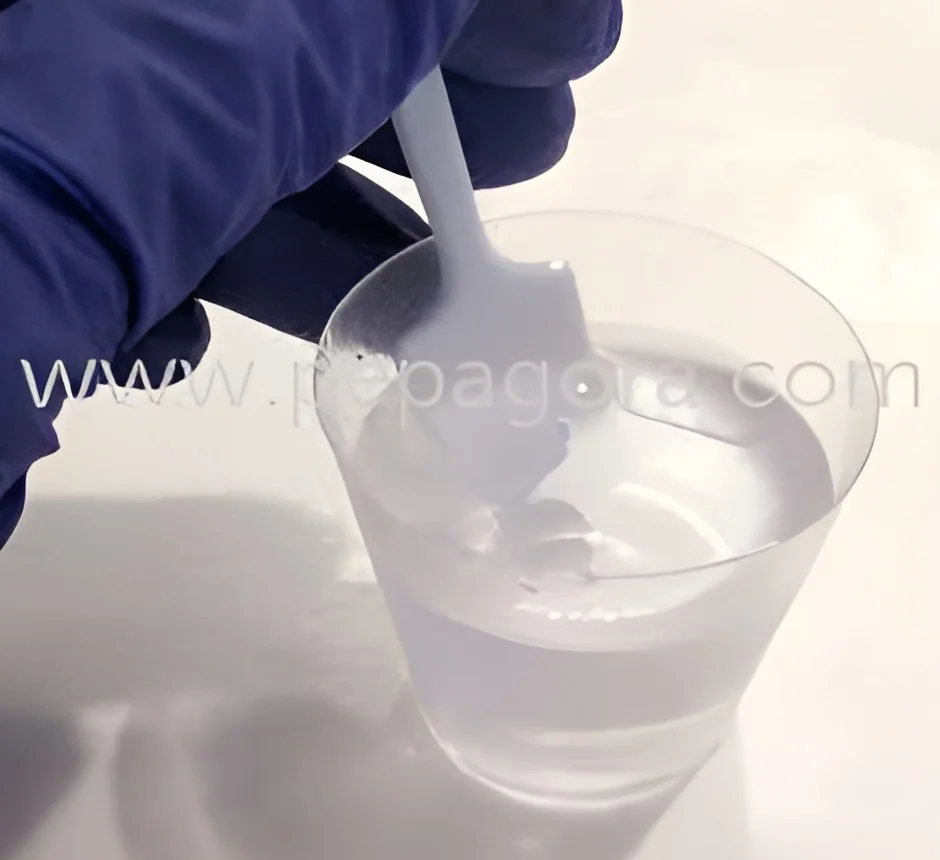
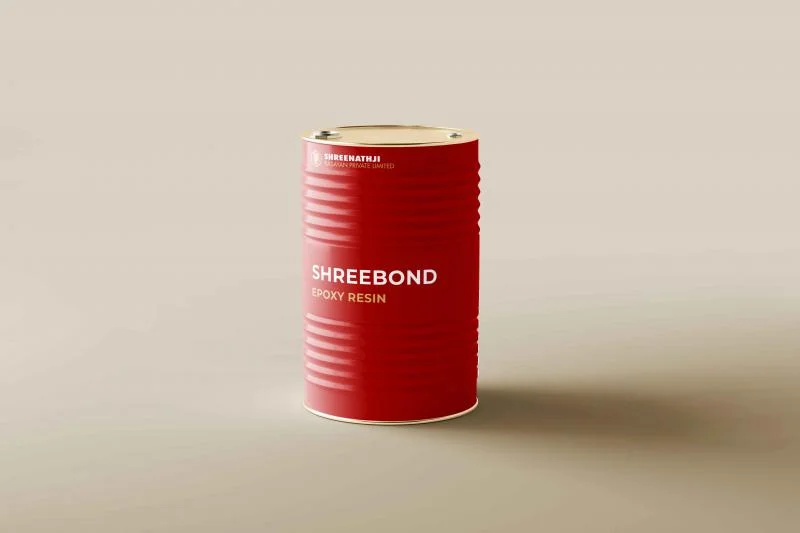
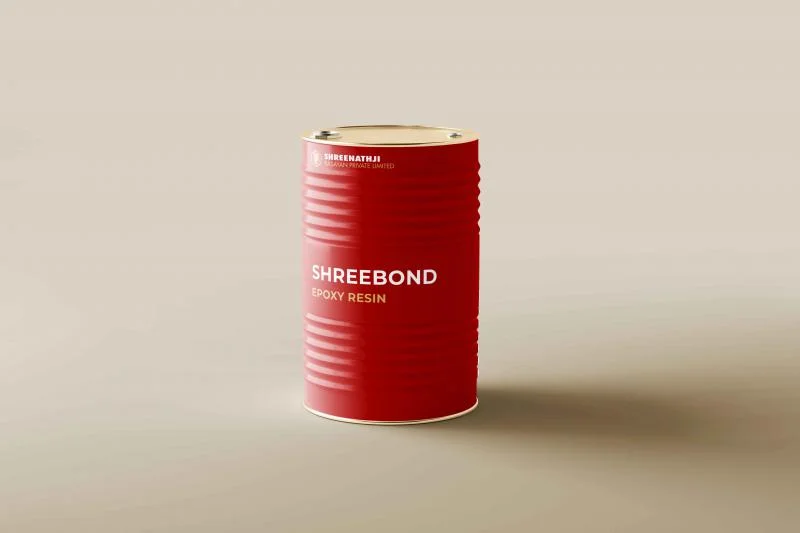
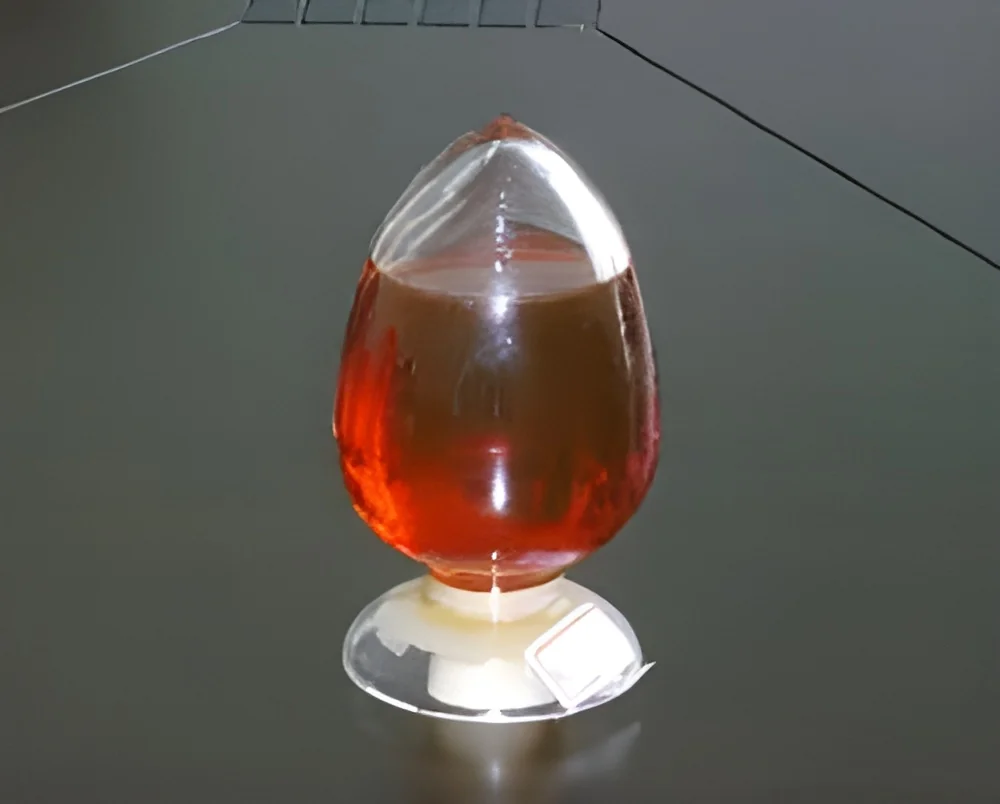
Epoxy resins are a group of synthetic thermosetting polymers formed through the reaction of epoxide resins with hardeners or curing agents. These versatile materials are known for their excellent adhesive properties, chemical resistance, and mechanical strength. They can be used in various formulations, including coatings, adhesives, and composite materials, making them a popular choice across multiple sectors.
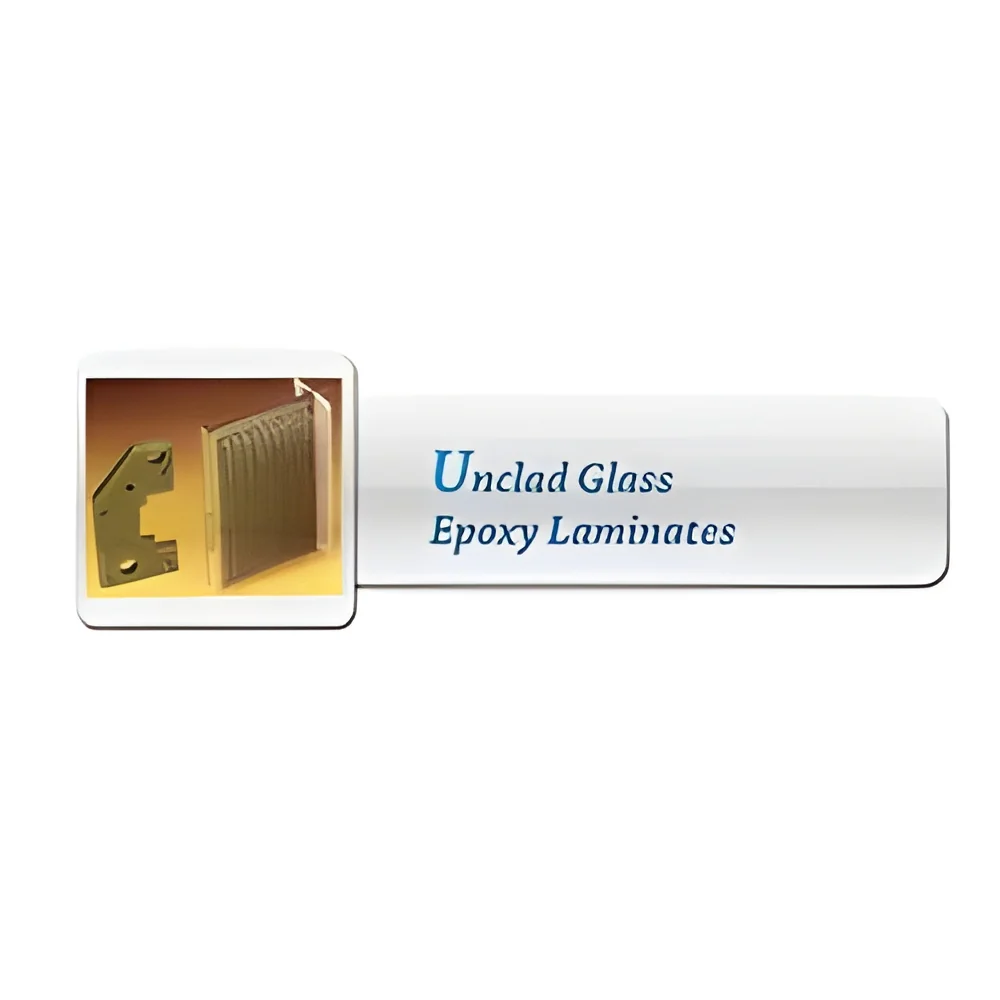
The primary applications of epoxy resins include the automotive, aerospace, electronics, and construction industries. In these fields, they are often used for bonding, sealing, and coating purposes. Their ability to cure at room temperature or elevated temperatures enhances their usability in different manufacturing processes. The growing demand for durable and high-performance materials in industrial applications has led to an expanding market for epoxy resins, positioning them as critical components in modern engineering and manufacturing.
Key Features and Specifications
Epoxy resins are known for their outstanding performance characteristics, which make them suitable for a wide range of applications. Understanding the key features and specifications is essential for selecting the right product for specific needs.
Key specifications include:
1. Adhesion Strength
- Epoxy resins provide excellent adhesion to a variety of substrates, including metals, plastics, and wood.
- Adhesion levels can vary based on formulation and surface preparation.
2. Chemical Resistance
- They exhibit strong resistance to a wide range of chemicals, including acids, bases, and solvents.
- This resistance ensures longevity and durability in harsh environments.
3. Mechanical Properties
- Epoxy resins offer high tensile and compressive strength, making them suitable for load-bearing applications.
- Flexural strength can also be enhanced through specific formulations.
4. Thermal Stability
- These materials can withstand elevated temperatures, depending on the specific epoxy formulation.
- They maintain performance even in high-heat applications.
5. Curing Time
- Curing times vary based on the type of hardener used and the ambient temperature.
- Some formulations allow for rapid curing, which can speed up production processes.
6. Viscosity
- Epoxy resins can have varying viscosities, influencing their application methods and ease of use.
- Low-viscosity formulations are ideal for intricate applications or detailed work.
7. UV Resistance
- Certain epoxy formulations offer UV stability, making them suitable for outdoor applications.
- This feature helps to prevent degradation from sunlight exposure.
8. Color and Finish
- Epoxy resins can be tinted or formulated to achieve a glossy finish, making them attractive for decorative applications.
- Customization options allow for flexibility in design and aesthetics.
In summary, epoxy resins are highly versatile materials with a wide array of features that can be tailored to meet specific industrial requirements.
Common Applications and Use Cases
Epoxy resins find usage in numerous industries due to their excellent properties and adaptability.
1. Automotive: In the automotive sector, epoxy resins are used for bonding components, manufacturing composite parts, and providing durable coatings that enhance surface protection.
2. Aerospace: Epoxy resins play a crucial role in aerospace applications, such as in the production of lightweight composite materials that contribute to fuel efficiency and structural integrity.
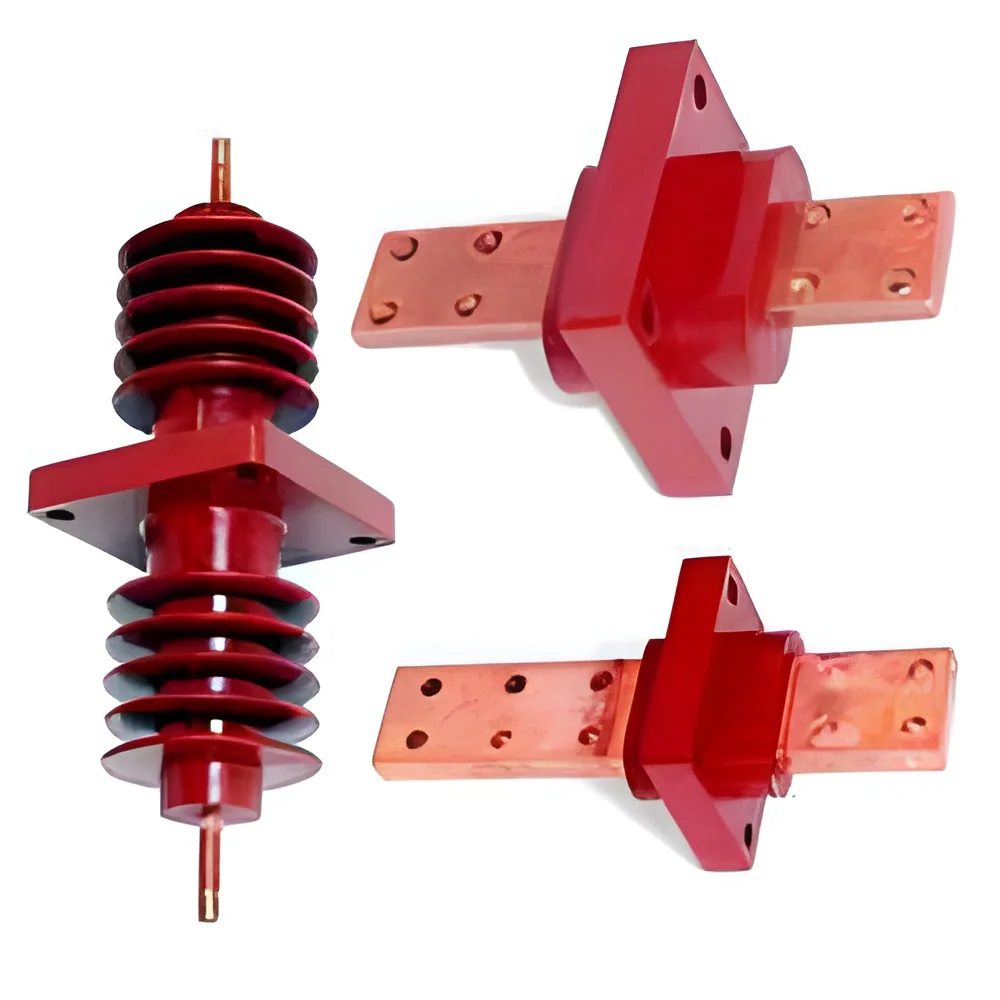
3. Electronics: They are widely used in electronic applications for encapsulating components, providing insulation, and enhancing the reliability of circuit boards.
4. Construction: In construction, epoxy resins are utilized for flooring systems, sealants, and adhesives, ensuring durable and long-lasting installations.
5. Marine: The marine industry uses epoxy resins for boat construction, repairs, and protective coatings due to their resistance to water and harsh marine environments.
6. Art and Crafts: Epoxy resins are popular in artistic applications, such as creating jewelry, art pieces, and furniture finishes that require a clear, glossy finish.
7. Wind Energy: In the renewable energy sector, epoxy resins are used in the manufacturing of wind turbine blades, providing strength and durability to withstand environmental stressors.
Product Variants and Subcategories
Epoxy resins are available in various forms, each designed to meet specific application needs.
Standard Epoxy Resin
This is the most widely used variant, known for its general-purpose capabilities. It offers good adhesion, mechanical strength, and chemical resistance, making it suitable for a range of applications.
Flexible Epoxy Resin
This variant is designed to provide flexibility without compromising strength. It is ideal for applications where impact resistance and shock absorption are essential, such as in automotive and aerospace sectors.
High-Temperature Epoxy Resin
Formulated to withstand elevated temperatures, this variant is used in applications that require thermal stability, such as electronics and industrial machinery.
Low-Viscosity Epoxy Resin
This type is suited for applications requiring detailed work, such as casting and molding. Its low viscosity allows for easy penetration into intricate designs.
Fast-Curing Epoxy Resin
With a quick curing time, this variant is beneficial in production settings where speed is critical. It is commonly used in manufacturing environments that require rapid turnaround.
Benefits and Advantages
Epoxy resins offer numerous benefits that enhance their appeal to various industries.
1. Superior Adhesion: They bond effectively to a wide range of materials, ensuring strong and lasting connections in manufacturing and construction.
2. High Durability: Epoxy resins provide exceptional resistance to wear, chemicals, and environmental factors, extending the lifespan of products and structures.
3. Versatile Applications: Their adaptability allows them to be used in diverse industries, making them a preferred choice for many applications.
4. Customization Options: Epoxy resins can be tailored to meet specific performance requirements, including color, viscosity, and curing times.
5. Excellent Aesthetic Qualities: The ability to achieve a glossy finish and vibrant colors makes them popular in decorative applications.
6. Cost-Effective Solutions: Their long-lasting nature reduces the need for frequent replacements, leading to lower overall costs in the long run.
Buying Guide for B2B Buyers
When sourcing epoxy resins, it is essential to consider multiple factors to ensure the right choice for your business needs.
1. Quality Assessment: Look for products that meet established quality standards. Ensure that the resin provides reliable performance based on specific application requirements.
2. Supplier Verification: Vet suppliers by checking their credentials, certifications, and customer reviews to ensure reliability and product quality.
3. Pricing and MOQ: Understand pricing structures and minimum order quantities. Compare costs across suppliers to find a balance between quality and affordability.
4. Delivery and Lead Times: Review the logistics capabilities of suppliers. Ensure that they can meet your required delivery timelines to avoid disruptions in production.
5. Compliance Requirements: Confirm that the epoxy resins comply with regional and industry-specific regulations to avoid legal issues and ensure safety.
Compliance and Certifications
Epoxy resins must adhere to various quality standards and certifications to ensure safety and reliability in industrial applications.
ISO 9001 is a widely recognized standard that sets criteria for a quality management system, ensuring consistent product quality and customer satisfaction. Compliance with this standard indicates that manufacturers have effective processes in place to maintain high-quality production.
The CE mark is another significant certification for epoxy resins, particularly in Europe. It indicates that the product meets EU safety, health, and environmental protection requirements. This certification is crucial for companies looking to market their products within the European Union.
In addition to these certifications, epoxy resins may also need to comply with specific safety and testing requirements depending on their intended use. Manufacturers must conduct rigorous testing to ensure that the resins are safe for use in various applications.
Finally, regional compliance considerations should also be taken into account. Different regions may have unique regulations governing the use and sale of epoxy resins. Understanding these regulations is essential for manufacturers and suppliers to ensure compliance and avoid potential penalties.
Why Source Epoxy Resins from Pepagora?
Pepagora serves as a trusted platform for sourcing epoxy resins, providing several key advantages for buyers.
Verified Supplier Network: Pepagora connects buyers with a network of verified suppliers, ensuring that all partners meet stringent quality and reliability standards. This verification process helps mitigate risks associated with sourcing materials.
Streamlined RFQ Process: The platform simplifies the request for quotation process, allowing buyers to receive competitive pricing and terms from multiple suppliers quickly. This efficiency saves time and enhances decision-making.
Trade Assurance and Support: Pepagora offers trade assurance, protecting buyers from potential disputes and ensuring product quality. Support services are available to assist buyers throughout the sourcing process.
Regional Coverage: With a strong presence in India, the GCC, and Southeast Asia, Pepagora provides extensive geographic reach, enabling buyers to connect with local suppliers. This regional focus helps to reduce lead times and logistics costs, making the sourcing process more efficient.

 IN
IN