𝗪𝗵𝗮𝘁 𝗮𝗿𝗲 𝗣𝗮𝗶𝗻𝘁𝘀 & 𝗖𝗼𝗮𝘁𝗶𝗻𝗴𝘀 𝗥𝗮𝘄 𝗠𝗮𝘁𝗲𝗿𝗶𝗮𝗹𝘀?
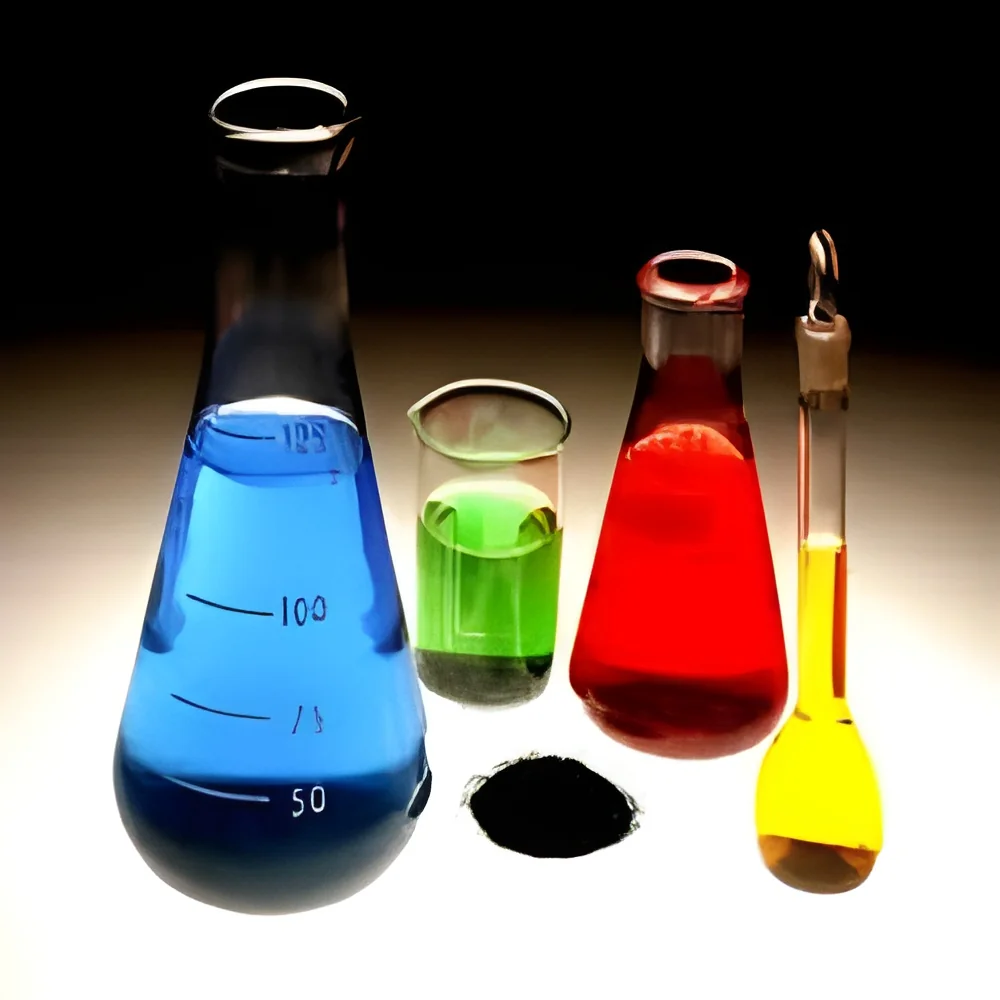
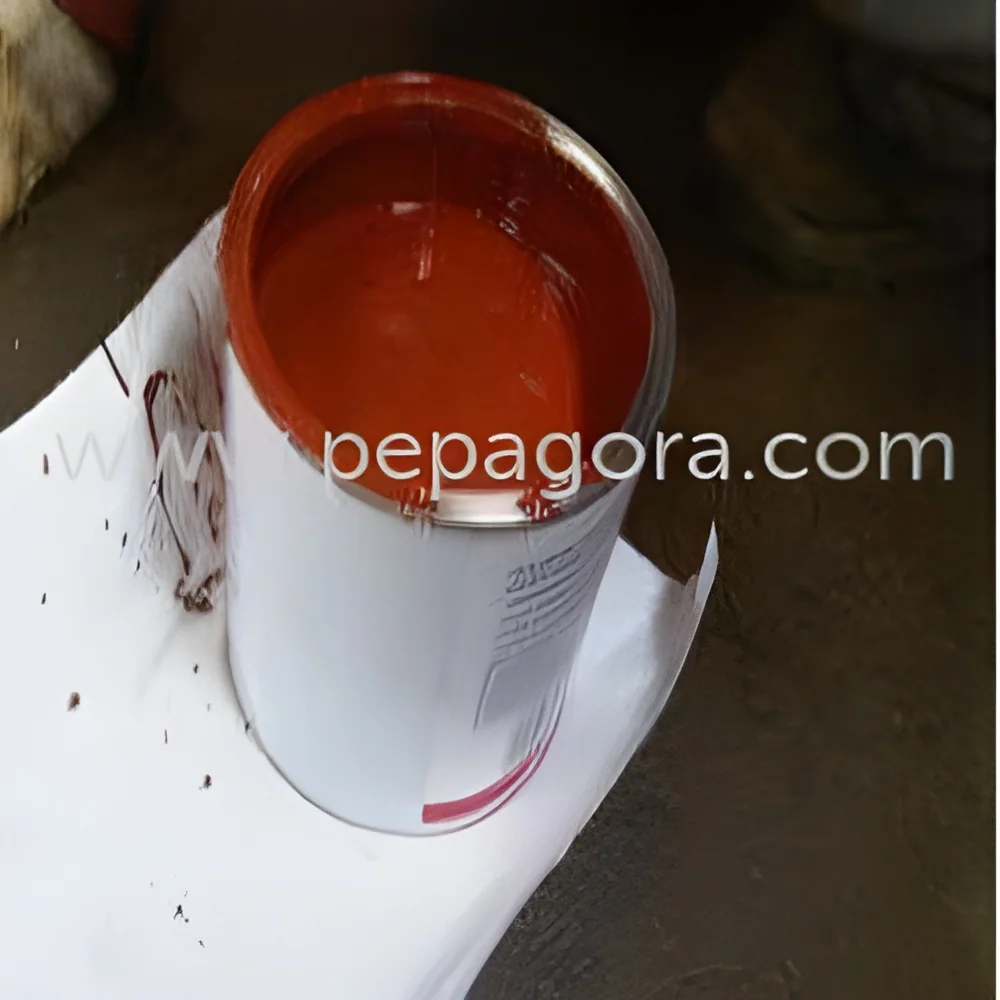
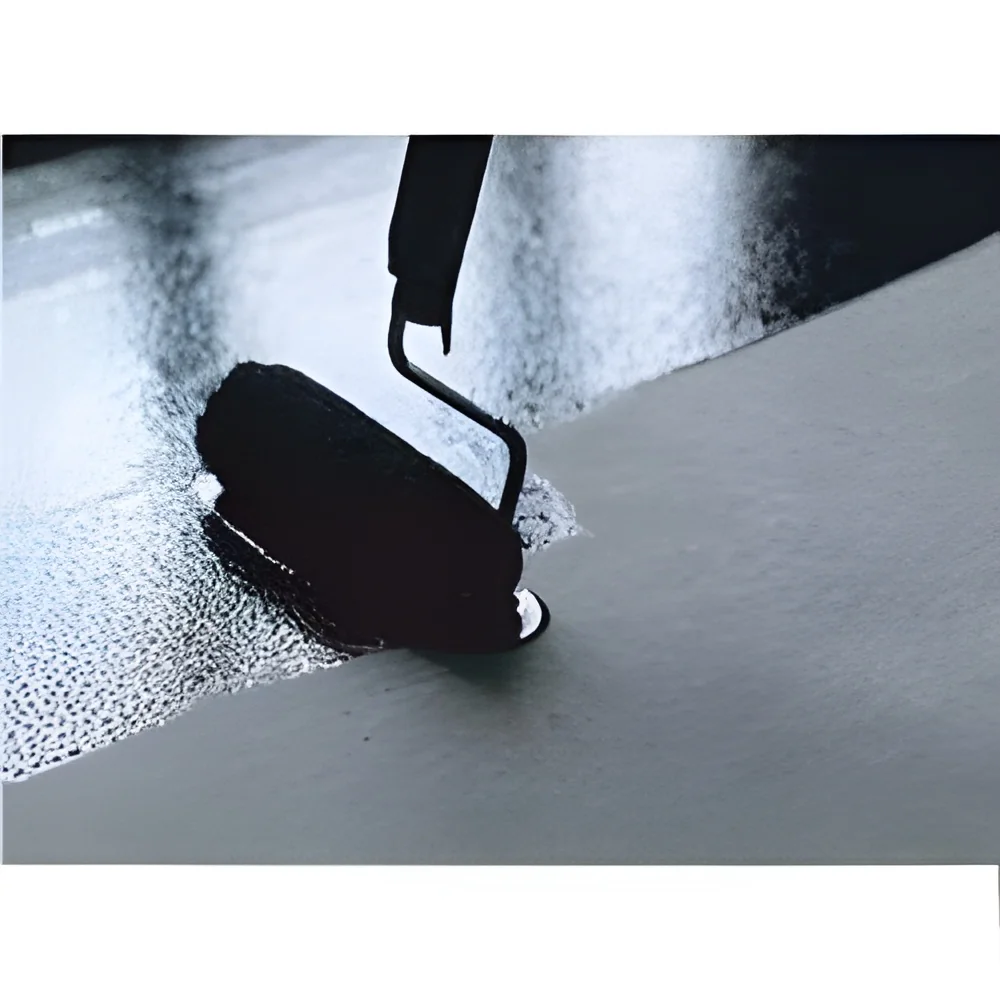
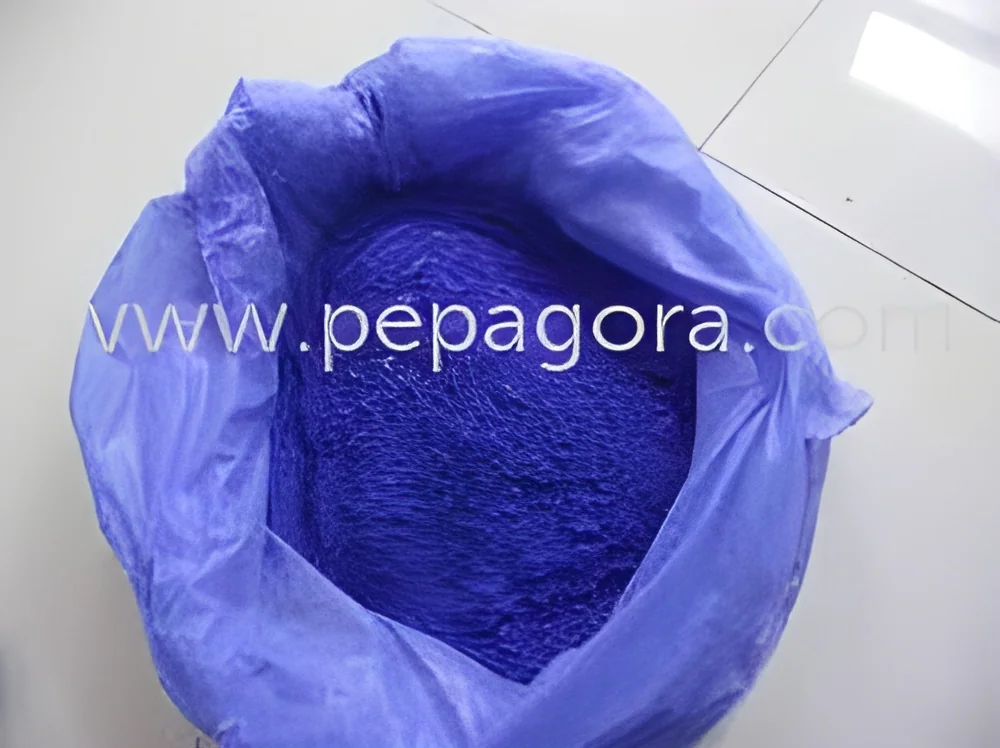
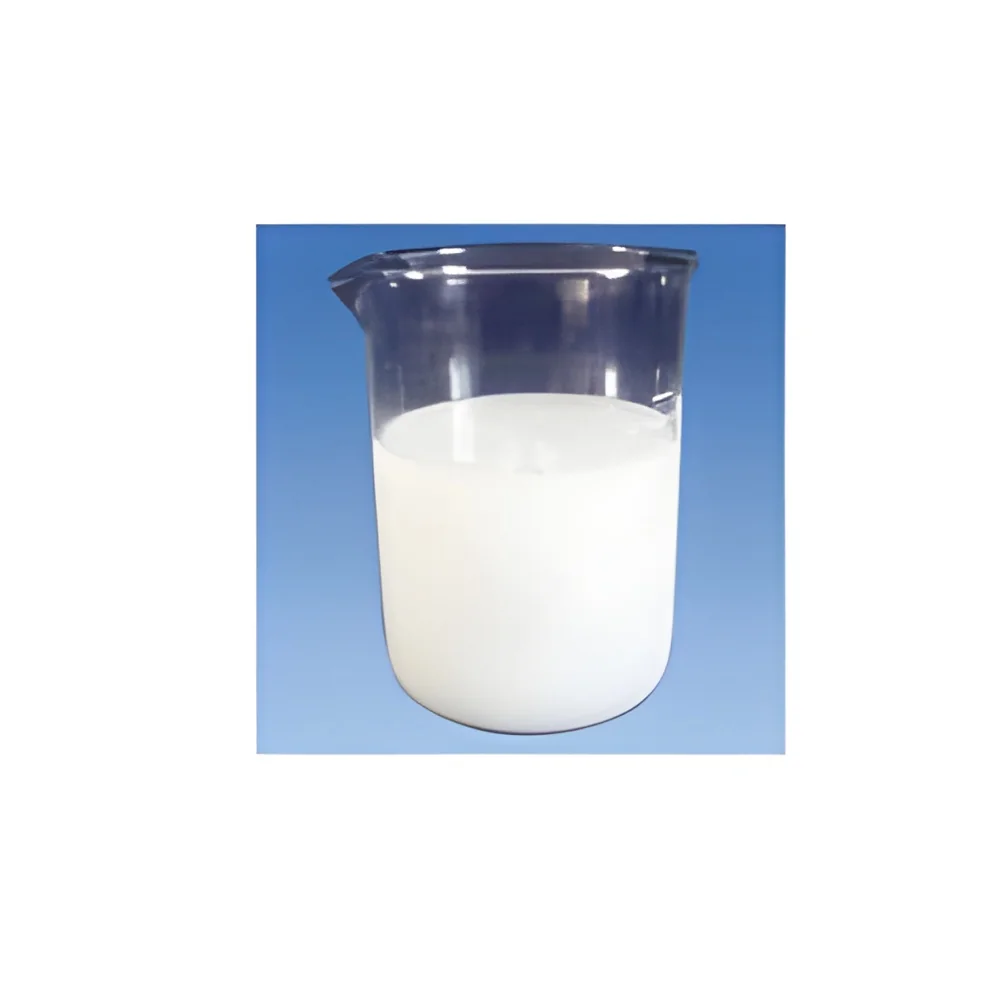
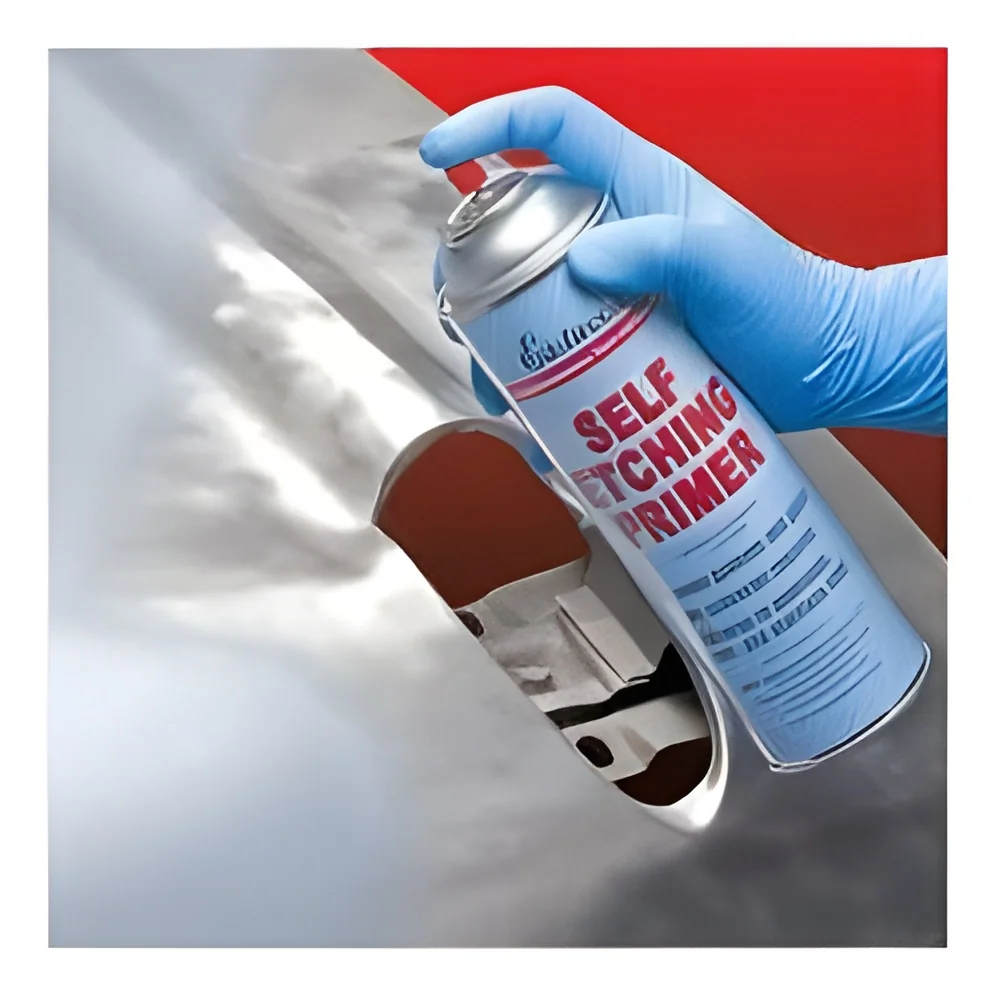
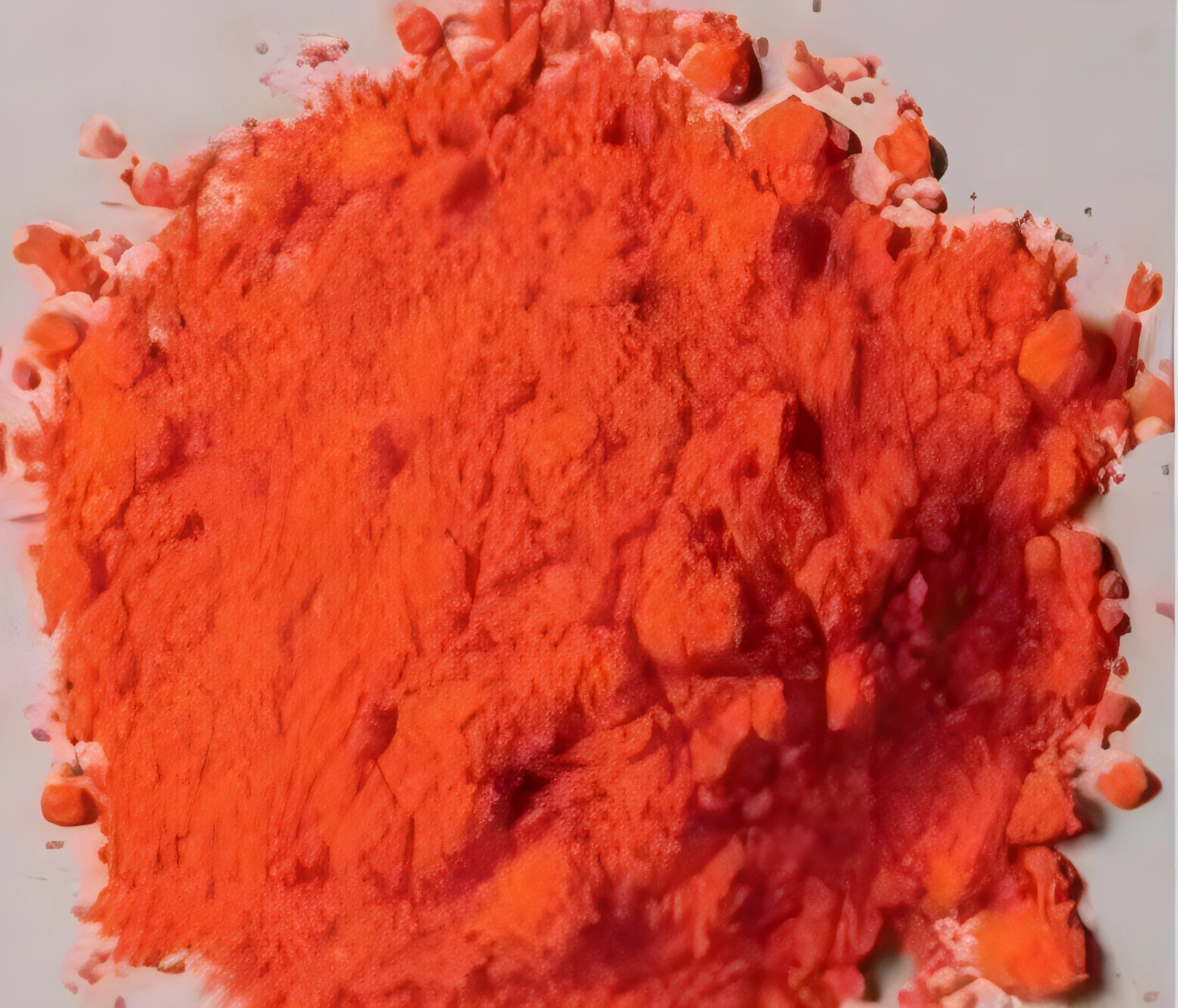
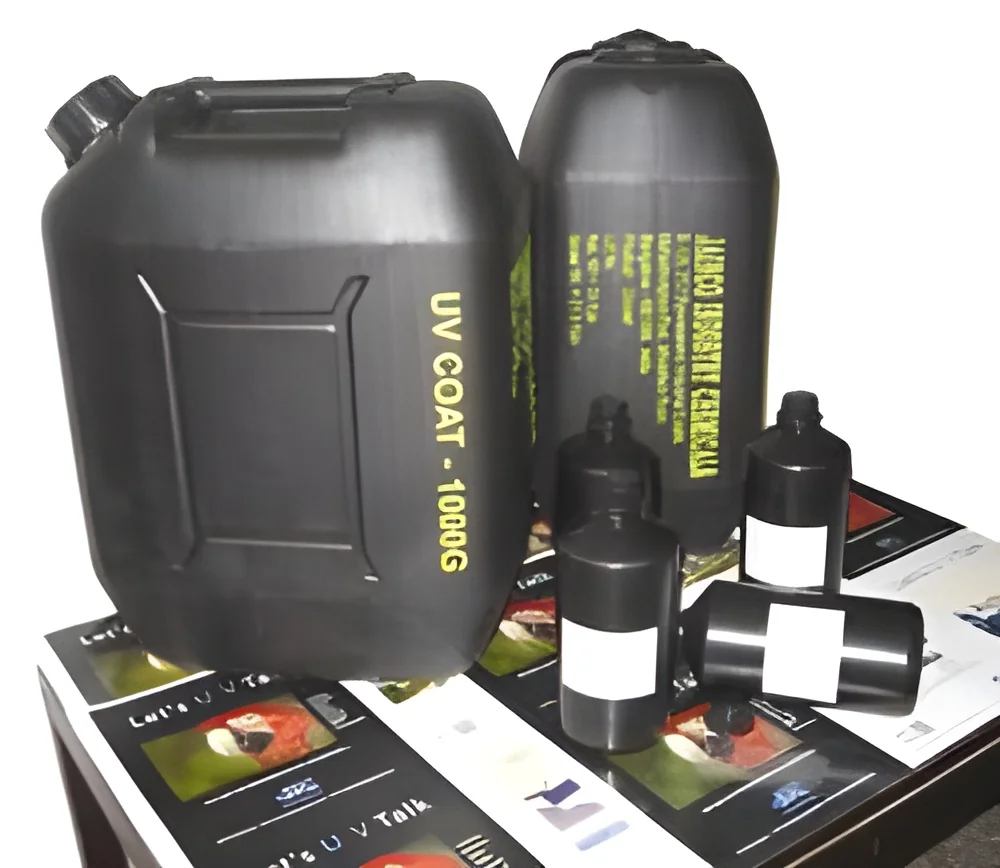
Paints and coatings raw materials are the essential components used in the formulation of various paint and coating products. These materials include pigments, resins, solvents, and additives, which combine to create the final paint or coating that provides color, protection, and durability. Each component plays a specific role in the performance and properties of the end product, influencing factors such as adhesion, drying time, and resistance to environmental conditions.
The primary uses of paints and coatings raw materials span across several industries, including construction, automotive, aerospace, and manufacturing. They are critical for protective coatings on surfaces, decorative finishes, and industrial applications. Businesses rely on these materials not only for their functional attributes but also for compliance with industry standards and regulatory requirements. The relevance of paints and coatings raw materials in the market continues to grow, driven by trends in sustainability, innovation, and the increasing demand for high-performance coatings.
𝗞𝗲𝘆 𝗙𝗲𝗮𝘁𝘂𝗿𝗲𝘀 𝗮𝗻𝗱 𝗦𝗽𝗲𝗰𝗶𝗳𝗶𝗰𝗮𝘁𝗶𝗼𝗻𝘀
Paints and coatings raw materials come with numerous features and specifications that cater to diverse application needs. These specifications determine their suitability for specific industries and uses.
Key specifications include:
1. Pigment Concentration
- This refers to the ratio of pigment to the total formulation.
- Ranges vary based on application, typically from 10% to 30%.
2. Viscosity
- Viscosity indicates the thickness of the paint or coating.
- Common ranges are from 50 to 500 centipoise, depending on the formulation.
3. Drying Time
- This specification defines how quickly a paint or coating dries after application.
- Can range from 30 minutes to several hours based on environmental conditions.
4. Gloss Level
- Gloss level measures the sheen of the finished surface.
- Levels can range from matte to high gloss (0 to 100 units).
5. Solvent Type
- Solvents are crucial for dissolving other components and affecting drying time.
- Common types include water, alcohols, and hydrocarbons.
6. Adhesion Properties
- Adhesion properties indicate how well the paint or coating bonds to the substrate.
- Measured through peel tests, with values ranging from 1 to 5 N/mm.
7. Chemical Resistance
- This specification assesses the coating's ability to withstand exposure to chemicals.
- Varies by formulation, essential for industrial applications.
8. Environmental Compliance
- Compliance with regulations such as VOC limits is crucial for manufacturing and application.
- Must meet specific thresholds set by local and international standards.
In summary, understanding the key features and specifications of paints and coatings raw materials is essential for selecting the right products for specific applications and ensuring optimal performance.
𝗖𝗼𝗺𝗺𝗼𝗻 𝗔𝗽𝗽𝗹𝗶𝗰𝗮𝘁𝗶𝗼𝗻𝘀 𝗮𝗻𝗱 𝗨𝘀𝗲 𝗖𝗮𝘀𝗲𝘀
Paints and coatings raw materials serve a wide range of industries, each with unique applications and requirements.
1. Construction: In the construction industry, paints and coatings are used for protective finishes on structures, ensuring durability and aesthetic appeal.
2. Automotive: Automotive manufacturers utilize these raw materials for both interior and exterior finishes, enhancing both appearance and protection against corrosion.
3. Aerospace: The aerospace sector requires specialized coatings for aircraft that adhere to strict safety and performance standards, ensuring protection from harsh environmental conditions.
4. Marine: Marine applications depend on coatings that resist saltwater and UV damage, providing long-lasting protection for vessels.
5. Industrial: In industrial settings, coatings are applied to equipment and machinery to prevent wear and corrosion, thereby extending their lifespan.
6. Furniture: The furniture industry uses paints and coatings to provide attractive finishes and protect wood surfaces from damage.
7. Electronics: Coatings are essential in the electronics industry for providing insulation and protection against moisture and dust.
𝗣𝗿𝗼𝗱𝘂𝗰𝘁 𝗩𝗮𝗿𝗶𝗮𝗻𝘁𝘀 𝗮𝗻𝗱 𝗦𝘂𝗯𝗰𝗮𝘁𝗲𝗴𝗼𝗿𝗶𝗲𝘀
Paints and coatings raw materials exhibit a diverse range of products tailored to meet specific needs within various industries.
Water-Based Paints: These paints utilize water as a solvent, making them environmentally friendly. They are ideal for interior applications and offer easy cleanup.
Solvent-Based Paints: These paints use organic solvents, providing excellent durability and resistance to environmental factors, suitable for industrial applications.
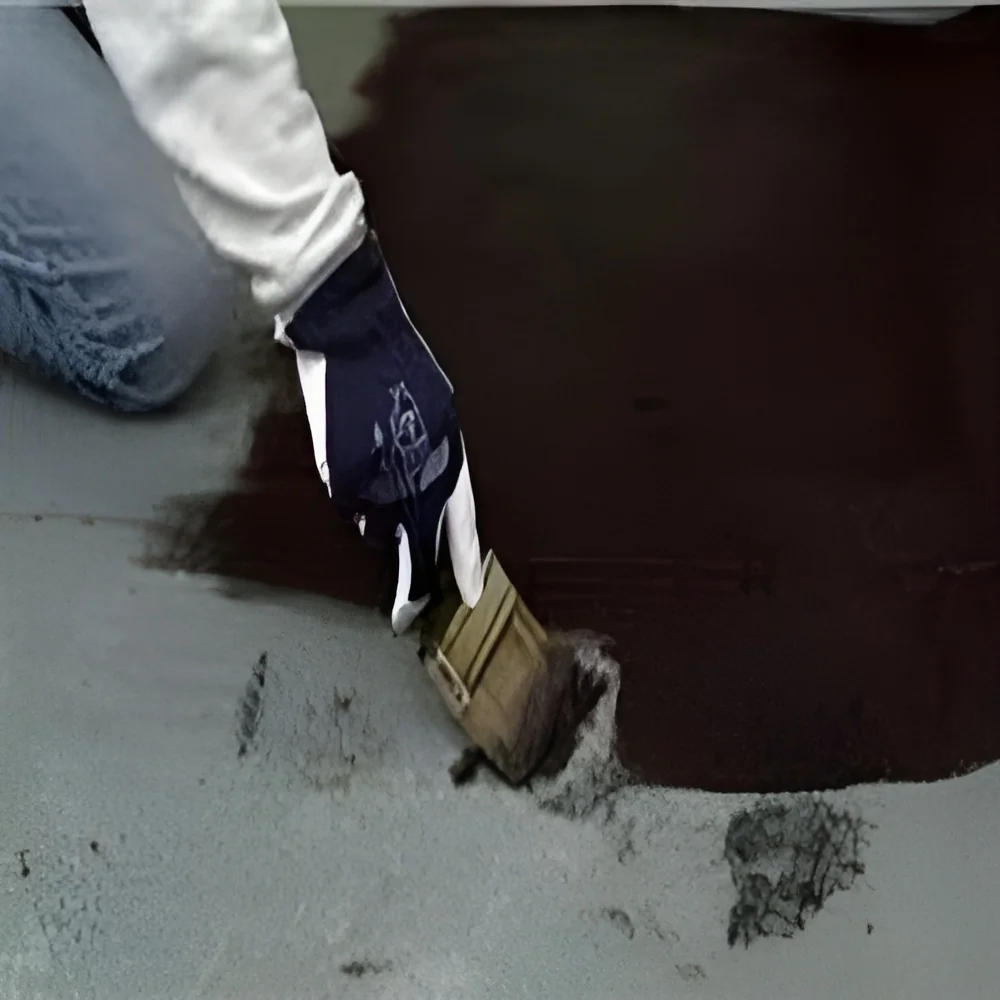
Epoxy Coatings: Known for their strong adhesion and chemical resistance, these coatings are often used in industrial environments and for flooring applications.
Acrylic Coatings: These coatings offer flexibility and UV resistance, making them popular for outdoor applications and decorative finishes.
Polyurethane Coatings: Renowned for their toughness and glossy finish, polyurethane coatings are widely used in automotive and furniture industries.
𝗕𝗲𝗻𝗲𝗳𝗶𝘁𝘀 𝗮𝗻𝗱 𝗔𝗱𝘃𝗮𝗻𝘁𝗮𝗴𝗲𝘀
Sourcing high-quality paints and coatings raw materials offers several advantages to businesses.
1. Enhanced Durability: Quality raw materials contribute to longer-lasting finishes that withstand wear and environmental factors.
2. Improved Aesthetic Appeal: A diverse range of colors and finishes allows businesses to achieve the desired look for their products.
3. Regulatory Compliance: Sourcing from reputable suppliers ensures adherence to environmental and safety regulations, reducing liability.
4. Customization Options: Many suppliers offer tailored formulations to meet specific customer requirements, enhancing product performance.
5. Cost Efficiency: Utilizing high-quality materials can lead to lower maintenance costs and improved product longevity.
6. Innovation Potential: Access to advanced raw materials supports the development of new and innovative products, keeping businesses competitive.
𝗕𝘂𝘆𝗶𝗻𝗴 𝗚𝘂𝗶𝗱𝗲 𝗳𝗼𝗿 𝗕𝟮𝗕 𝗕𝘂𝘆𝗲𝗿𝘀
When sourcing paints and coatings raw materials, several key factors should be considered to ensure optimal purchasing decisions.
1. Quality Assessment: Evaluate the quality of raw materials through certifications and supplier history. Look for compliance with industry standards.
2. Supplier Verification: Vet potential suppliers by reviewing their credentials, customer feedback, and delivery track record. A reliable supplier relationship is vital.
3. Pricing and MOQ: Understand pricing structures and minimum order quantities (MOQ) to align with budgetary constraints and production needs.
4. Delivery and Lead Times: Inquire about logistics, including delivery schedules and lead times, to ensure timely availability of materials.
5. Compliance Requirements: Ensure that all materials meet relevant regulatory standards, including environmental and safety regulations applicable to your industry.
𝗖𝗼𝗺𝗽𝗹𝗶𝗮𝗻𝗰𝗲 𝗮𝗻𝗱 𝗖𝗲𝗿𝘁𝗶𝗳𝗶𝗰𝗮𝘁𝗶𝗼𝗻𝘀
Paints and coatings raw materials must adhere to various compliance and certification requirements to ensure safety and quality.
Relevant quality standards, such as ISO 9001, govern the manufacturing processes and quality management systems within the industry. These standards help ensure consistent product quality and reliability.
Industry certifications, such as CE marking, indicate compliance with European health, safety, and environmental protection standards. This is crucial for products entering the European market.
Safety and testing requirements are fundamental in this industry. Manufacturers must conduct thorough testing for chemical resistance, toxicity, and performance to meet regulatory standards.
Regional compliance considerations vary based on geographic location. It is essential for businesses to remain informed about local regulations to ensure all materials used are compliant.
𝗪𝗵𝘆 𝗦𝗼𝘂𝗿𝗰𝗲 𝗣𝗮𝗶𝗻𝘁𝘀 & 𝗖𝗼𝗮𝘁𝗶𝗻𝗴𝘀 𝗥𝗮𝘄 𝗠𝗮𝘁𝗲𝗿𝗶𝗮𝗹𝘀 𝗳𝗿𝗼𝗺 𝗣𝗲𝗽𝗮𝗴𝗼𝗿𝗮?
Pepagora offers an exceptional platform for sourcing paints and coatings raw materials, providing several key advantages for businesses.
Verified Supplier Network: Pepagora maintains a network of verified suppliers, ensuring quality and reliability in sourcing. This reduces the risk associated with procurement.
Streamlined RFQ Process: The platform features a user-friendly request for quotation (RFQ) process, simplifying the way businesses acquire quotes and compare prices from multiple suppliers.
Trade Assurance and Support: Pepagora provides trade assurance, ensuring buyer protection throughout the purchasing process. This support fosters confidence in sourcing decisions.
Regional Coverage: With strong presence in India, GCC, and Southeast Asia, Pepagora enables businesses to access a wide range of suppliers and materials tailored to regional needs.

 IN
IN