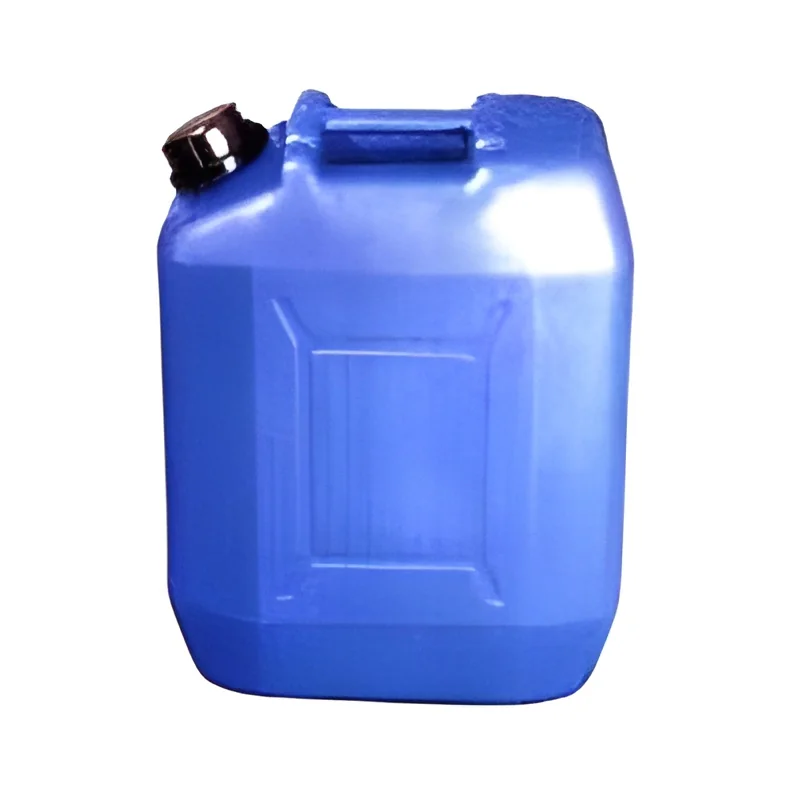
What are Catalysts for Paints?
Catalysts for paints are chemical substances that accelerate the curing processes of various paint formulations. They play a crucial role in enhancing the performance and durability of paints by facilitating chemical reactions that lead to the hardening of paint films. This ensures that the final product adheres well to surfaces, resists environmental factors, and provides a long-lasting finish.
These catalysts are primarily used in industrial and commercial applications where high-performance coatings are essential. They find their utility in sectors such as automotive, construction, and manufacturing, where the quality of paint is critical for both aesthetic and protective purposes. As the demand for efficient and durable coatings continues to rise, the relevance of catalysts in the paint industry becomes increasingly significant.
In today's market, the focus on sustainability and eco-friendly products has led to innovations in catalyst formulations. Manufacturers are continuously developing new catalysts that enhance paint performance while minimizing environmental impact. This trend reflects the industry's commitment to improving product quality and meeting regulatory standards.
Key Features and Specifications
Catalysts for paints come with a variety of features that enhance their effectiveness and applicability. Understanding these specifications is crucial for selecting the right catalyst for specific paint applications.
Key specifications include:
1. Curing Speed
- Determines how quickly the paint can set and dry.
- Ranges from minutes to hours depending on the formulation.
2. Temperature Stability
- Indicates the operational temperature range for effective performance.
- Typically between 0 to 100 degrees Celsius.
3. Compatibility
- Refers to how well the catalyst interacts with different resin systems.
- Essential for ensuring uniformity in paint properties.
4. Viscosity
- Measures the thickness of the paint formulation.
- Affects application methods and drying times.
5. Shelf Life
- Indicates the duration the catalyst remains effective before use.
- Usually spans 1 to 2 years under proper storage conditions.
6. Regulatory Compliance
- Ensures the catalyst meets necessary industry standards.
- Often includes certifications such as CE.
In summary, understanding these key specifications helps businesses choose the most suitable catalysts for their paint products, ensuring optimal performance and compliance with industry standards.
Common Applications and Use Cases
Catalysts for paints serve a diverse range of industries, each benefiting from their unique properties.
1. Automotive: Catalysts are used in automotive paints to enhance durability and resistance to weathering, ensuring long-lasting finishes that can withstand harsh conditions.
2. Construction: In the construction sector, catalysts facilitate faster drying times for exterior coatings, allowing for quicker project completion without compromising quality.
3. Industrial Manufacturing: Catalysts are essential in manufacturing facilities for coatings on machinery and equipment, providing protection against corrosion and wear.
4. Wood Coatings: In the wood industry, catalysts help achieve smooth, durable finishes for furniture and cabinetry, enhancing aesthetics while providing protection.
5. Aerospace: Aerospace coatings require catalysts for high-performance finishes that meet stringent safety and durability standards.
6. Marine: Catalysts are crucial in marine applications for coatings that must endure constant exposure to water and salt, ensuring longevity.
7. Decorative Coatings: In decorative paint applications, catalysts enhance the visual appeal and longevity of wall paints and finishes.
Product Variants and Subcategories
Catalysts for paints are available in various forms to cater to specific requirements across different applications.
Aliphatic Amines
These catalysts are known for their fast curing properties and are commonly used in epoxy and polyurethane paint systems. They are suitable for applications requiring quick turnaround times.
Metal Catalysts
Metal-based catalysts are often employed in high-performance coatings, providing excellent thermal stability and cross-linking properties. They are particularly used in industrial applications where durability is paramount.
Tertiary Amines
These catalysts are versatile and can be used in multiple resin systems. They offer good compatibility and are favored for their ability to improve drying times without compromising the quality of the finish.
Benefits and Advantages
Utilizing catalysts for paints provides several advantages that can significantly impact product performance and business outcomes.
1. Enhanced Curing Times: Catalysts speed up the curing process, allowing for quicker application and turnover in production.
2. Improved Durability: They contribute to the longevity of the paint film, enhancing resistance to abrasion, chemicals, and environmental factors.
3. Better Finish Quality: Catalysts often lead to smoother finishes, improving aesthetic appeal and reducing imperfections in the final product.
4. Cost-Effectiveness: Faster curing and improved performance can reduce labor costs and waste, making catalysts a financially sound choice for manufacturers.
5. Customization Potential: Many catalysts can be tailored to meet specific application needs, allowing for greater flexibility in product development.
6. Compliance with Standards: Using certified catalysts ensures that paint products meet industry regulations, promoting safety and environmental responsibility.
Buying Guide for B2B Buyers
When sourcing catalysts for paints, it is vital for buyers to consider several key factors to ensure they make informed decisions.
1. Quality Assessment: Evaluate the quality of catalysts by reviewing technical data sheets and performance testing results. Look for consistency in product delivery and formulation.
2. Supplier Verification: Ensure that suppliers are reputable and have a history of providing high-quality catalysts. Check references and certifications to validate their credibility.
3. Pricing and MOQ: Understand the pricing structure and minimum order quantities required by suppliers. Compare costs among different providers to find the best value.
4. Delivery and Lead Times: Inquire about logistics and expected lead times for delivery. Timely availability of catalysts can impact production schedules.
5. Compliance Requirements: Ensure that the catalysts meet necessary regulatory and safety standards relevant to your industry. This includes checking for certifications like CE.
Compliance and Certifications
Compliance and certifications are critical for catalysts used in paints, ensuring safety and quality in production.
Many catalysts adhere to quality standards such as ISO 9001, which ensures consistent quality management systems. Compliance with HACCP guidelines may also be necessary in industries where safety is a concern.
Industry certifications, such as CE marking, indicate that the products meet European Union safety, health, and environmental protection standards. This certification is crucial for suppliers looking to sell products in European markets.
Safety and testing requirements are integral to the development of catalysts. They must undergo rigorous testing to ensure they do not pose risks to users or the environment during their application.
Additionally, regional compliance considerations must be taken into account, as different countries may have unique regulations governing chemical substances. Buyers should be aware of these requirements to avoid potential legal issues.
Why Source Catalysts for Paints from Pepagora?
Pepagora offers a trusted platform for sourcing catalysts for paints, providing several key advantages that benefit B2B buyers.
Verified Supplier Network: Pepagora has established a comprehensive network of verified suppliers, ensuring that buyers can access high-quality catalysts from reputable manufacturers. This verification process adds a layer of security for purchasing decisions.
Streamlined RFQ Process: The request for quotation (RFQ) process on Pepagora is designed to be efficient and user-friendly. Buyers can easily compare offerings from multiple suppliers, facilitating informed decision-making.
Trade Assurance and Support: Pepagora provides trade assurance to buyers, protecting their purchases and ensuring a smooth transaction process. Customer support is available to assist with any inquiries or issues that may arise.
Regional Coverage: Pepagora's geographic reach spans India, the GCC, and Southeast Asia, enabling buyers to source catalysts efficiently within their respective regions. This coverage ensures timely delivery and access to local suppliers, enhancing the overall purchasing experience.

 IN
IN