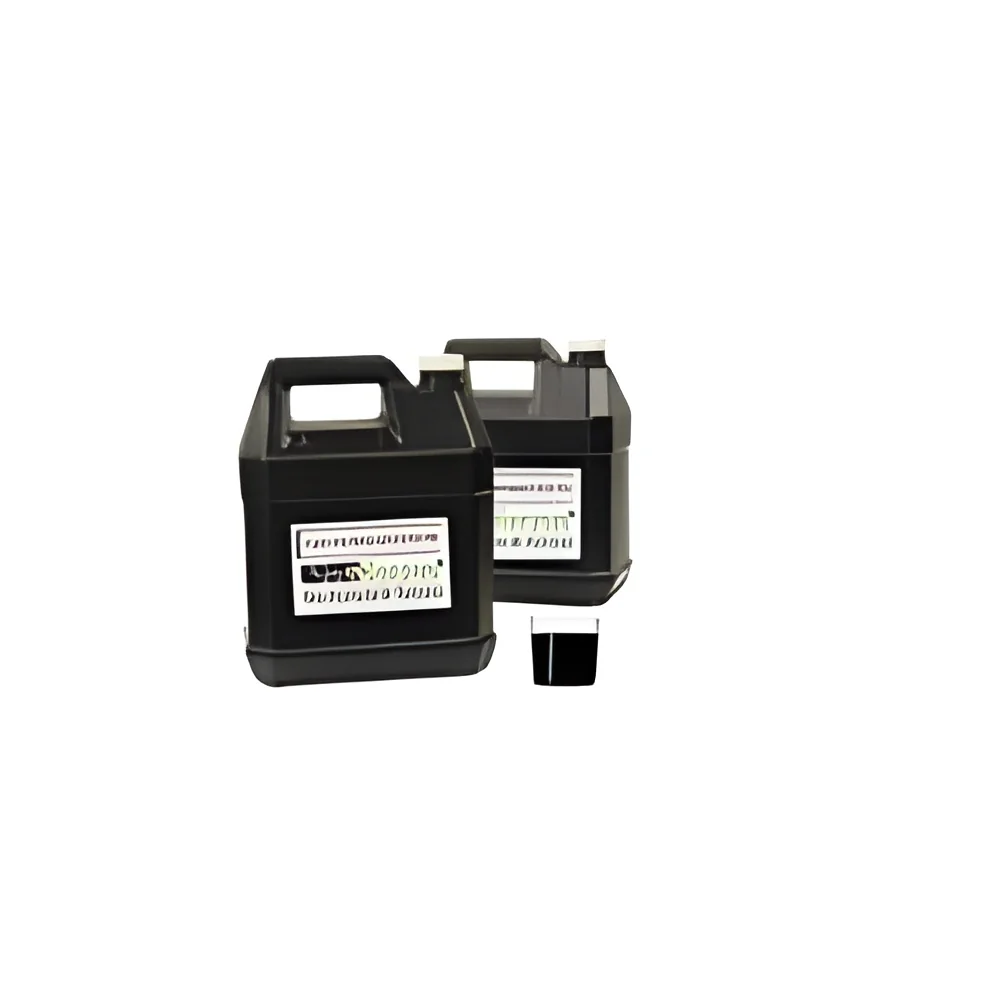
What are Emulsifiers for Paints?
Emulsifiers for paints are specialized chemical agents that facilitate the mixing of two immiscible substances, typically oil and water. They play a crucial role in stabilizing paint formulations, ensuring a consistent texture and preventing separation during storage and application. By reducing surface tension, emulsifiers help create a uniform distribution of pigments and additives, improving the overall performance of the paint.
In the industrial context, emulsifiers are widely used in the production of water-based paints, coatings, and inks. Their primary applications involve enhancing the stability of emulsions, improving viscosity, and optimizing the application properties of the final product. Industries such as automotive, construction, and consumer goods heavily rely on high-quality emulsifiers to achieve desired characteristics in their paint formulations. The growing demand for sustainable and eco-friendly paints further emphasizes the importance of efficient emulsifiers, as manufacturers seek to meet regulatory standards and customer expectations.
Key Features and Specifications
Emulsifiers for paints come with a variety of features that enhance their performance and application in different environments. Understanding these specifications is essential for selecting the right product for specific industrial needs.
Key specifications include:
1. Emulsifying Power
- The ability of the emulsifier to stabilize oil-water mixtures.
- Measured in terms of HLB (Hydrophilic-Lipophilic Balance) values.
2. Temperature Stability
- Resistance to changes in viscosity and performance at varying temperatures.
- Suitable temperature ranges depend on specific formulations.
3. pH Stability
- Performance consistency across a range of pH levels.
- Generally effective in neutral to slightly alkaline environments.
4. Viscosity Modification
- Ability to adjust the thickness of the paint formulation.
- Measured in centipoise (cP) and varies based on concentration.
5. Shelf Life
- The duration for which the emulsifier remains effective without degrading.
- Typically ranges from 12 to 36 months under proper storage conditions.
6. Regulatory Compliance
- Adherence to industry-specific regulations and safety standards.
- Certifications may include UL and CE.
7. Environmental Impact
- Assessment of biodegradability and eco-friendliness.
- Important for companies aiming for sustainable practices.
8. Application Versatility
- Suitability for various paint types, including matte, gloss, and specialty coatings.
- Compatibility with different solvent systems.
In summary, selecting the right emulsifier involves understanding these key features and specifications, which can significantly influence the quality and performance of paint products.
Common Applications and Use Cases
Emulsifiers for paints are utilized across various industries, each with specific applications that highlight their importance.
1. Automotive: Emulsifiers are essential in formulating automotive paints and coatings, providing durability and resistance to harsh environmental conditions.
2. Construction: In the construction industry, emulsifiers help create high-performance paints for exterior and interior applications, enhancing adhesion and longevity.
3. Consumer Goods: Emulsifiers are used in decorative paints and coatings for consumer products, ensuring vibrant colors and smooth finishes.
4. Wood Finishing: Emulsifiers assist in producing wood stains and sealers, helping to achieve a uniform appearance and protecting surfaces.
5. Industrial Coatings: These emulsifiers are vital for formulating industrial coatings that require resistance to chemicals and abrasion.
6. Adhesives: Emulsifiers are also used in adhesive formulations, improving bonding properties and stability.
7. Printing Inks: In the production of printing inks, emulsifiers help achieve proper viscosity and color consistency for high-quality prints.
Product Variants and Subcategories
Emulsifiers for paints come in various formulations tailored to meet specific industrial needs.
Polyether Emulsifiers
Polyether emulsifiers are versatile and widely used due to their excellent emulsifying properties. They are suitable for a range of applications, including water-based paints, and can help achieve desired viscosity and stability.
Surfactant-based Emulsifiers
These emulsifiers are designed for high performance in challenging environments. They provide robust stability and are often used in industrial coatings where durability is crucial.
Non-ionic Emulsifiers
Non-ionic emulsifiers are favored for their compatibility with a wide range of ingredients. They are often used in formulations requiring low toxicity and minimal environmental impact.
Anionic Emulsifiers
Anionic emulsifiers are effective in stabilizing water-based systems, particularly in construction and automotive applications. They enhance the performance of paints by improving adhesion and durability.
Cationic Emulsifiers
These emulsifiers are less common but are used in specific applications where positive charge stabilizes the formulation, such as in certain specialty coatings.
Benefits and Advantages
Emulsifiers for paints offer several significant benefits that enhance both the manufacturing process and the final product quality.
1. Improved Stability: They prevent separation of components, ensuring uniformity and consistency in paint formulations.
2. Enhanced Performance: Emulsifiers can improve the application properties of paints, such as flow and leveling, leading to a better finish.
3. Versatility: A wide range of emulsifiers can accommodate various formulations, making them suitable for different industries.
4. Cost Efficiency: By improving the performance of paints, emulsifiers can reduce the amount of raw materials needed, leading to cost savings.
5. Eco-Friendliness: Many emulsifiers are available in biodegradable formulations, aligning with growing sustainability goals.
6. Regulatory Compliance: Emulsifiers that meet industry standards can help manufacturers adhere to safety regulations, reducing liability risks.
Buying Guide for B2B Buyers
When sourcing emulsifiers for paints, several critical factors should be taken into account to ensure the right product selection.
1. Quality Assessment: Evaluate the emulsifier based on purity, performance characteristics, and compatibility with existing formulations to ensure it meets quality standards.
2. Supplier Verification: It is vital to vet suppliers for reliability and reputation. Check for certifications and customer reviews to ensure trustworthiness.
3. Pricing and MOQ: Analyze pricing structures and minimum order quantities (MOQ) to align with budget constraints while ensuring sufficient supply for production needs.
4. Delivery and Lead Times: Understand the logistics involved, including delivery schedules and lead times, to avoid production delays.
5. Compliance Requirements: Ensure that the emulsifiers comply with necessary regulatory standards, including safety and environmental regulations relevant to your industry.
Compliance and Certifications
Emulsifiers for paints must adhere to several quality and safety standards to ensure they are suitable for industrial applications.
ISO 9001 is a widely recognized standard that ensures effective quality management systems are in place, promoting consistent product quality.
HACCP (Hazard Analysis and Critical Control Points) is essential for ensuring food safety in related applications, while GDP (Good Distribution Practice) ensures the quality of products during storage and transport.
Industry certifications such as UL and CE indicate adherence to safety standards, providing assurance to buyers that the products meet international safety requirements.
Additionally, safety and testing requirements are paramount, involving assessments to ensure the emulsifiers do not pose health risks during use.
Regional compliance considerations may vary, requiring awareness of specific regulations based on geographic location and industry practices.
Why Source Emulsifiers for Paints from Pepagora?
Pepagora provides a trusted platform for sourcing emulsifiers for paints, offering several key advantages to B2B buyers.
Verified Supplier Network: Pepagora ensures that all suppliers are thoroughly vetted, providing buyers with access to reliable and high-quality products. This verification process builds confidence in sourcing decisions.
Streamlined RFQ Process: The Request for Quotation (RFQ) system simplifies the procurement process, allowing buyers to receive competitive quotes from multiple suppliers quickly and efficiently.
Trade Assurance and Support: Pepagora offers trade assurance, protecting buyers from potential risks associated with transactions. This support fosters a secure purchasing environment.
Regional Coverage: With a strong presence in India, the GCC, and Southeast Asia, Pepagora facilitates connections between buyers and suppliers in diverse markets, enhancing accessibility to quality emulsifiers for paints.

 IN
IN