IN
IN₹
Apparel & Fashion
Description
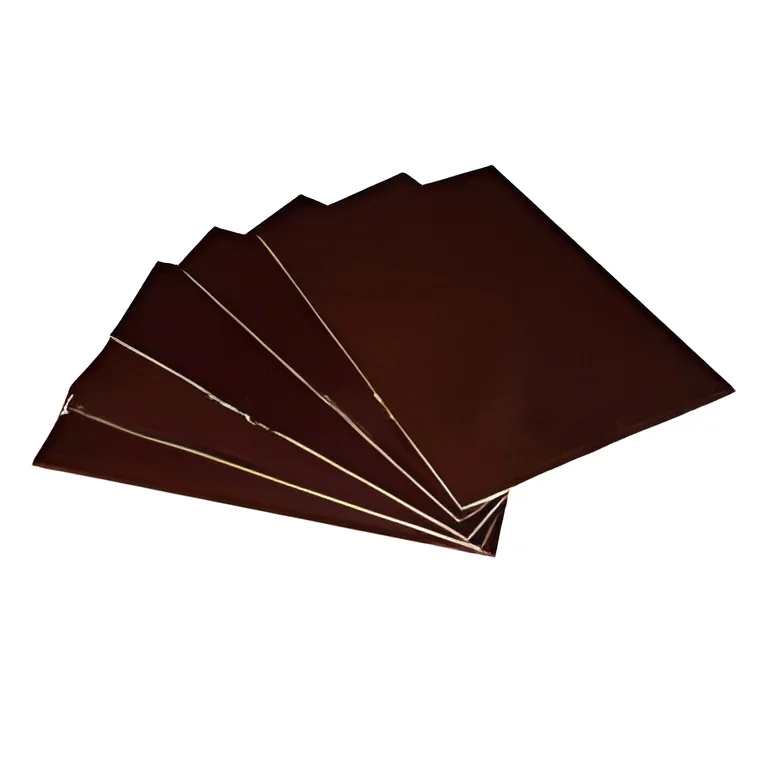
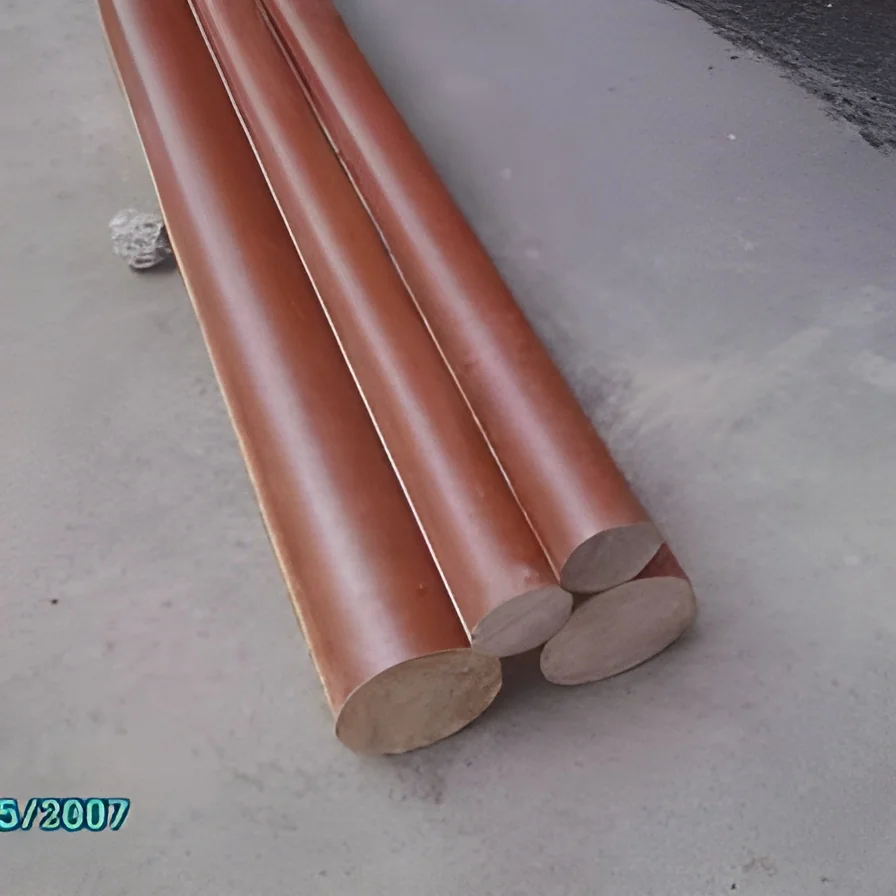
Unclad glass epoxy laminates serve as the fundamental building material for printed circuit board manufacturing, providing the reliable substrate upon which electronic circuits are constructed. These high-performance materials combine woven glass fabric with epoxy resin under precisely controlled heat and pressure conditions, resulting in a substrate renowned for exceptional electrical insulation properties, mechanical durability, and thermal stability. Unlike copper-clad laminates, the unclad version arrives without pre-applied copper foil, offering manufacturers complete flexibility to apply specific copper weights according to their exact design specifications. This versatility proves particularly valuable for custom PCB applications where precise control over material characteristics directly impacts end-product performance and reliability.

These laminates find extensive application across numerous industries where electronic reliability cannot be compromised. In the telecommunica...
Unclad glass epoxy laminates serve as the fundamental building material for printed circuit board manufacturing, providing the reliable substrate upon which electronic circuits are constructed. These high-performance materials combine woven glass fabric with epoxy resin under precisely controlled heat and pressure conditions, resulting in a substrate renowned for exceptional electrical insulation properties, mechanical durability, and thermal stability. Unlike copper-clad laminates, the unclad version arrives without pre-applied copper foil, offering manufacturers complete flexibility to apply specific copper weights according to their exact design specifications. This versatility proves particularly valuable for custom PCB applications where precise control over material characteristics directly impacts end-product performance and reliability.

These laminates find extensive application across numerous industries where electronic reliability cannot be compromised. In the telecommunications sector, they form the foundation for high-frequency PCBs used in networking equipment, base stations, and 5G infrastructure. The automotive industry depends on them for critical components including engine control units, advanced sensors, and sophisticated infotainment systems that must endure harsh operating environments. Aerospace and defense applications utilize these materials for avionics, radar systems, and communication devices requiring exceptional temperature resistance and dimensional stability. Industrial automation systems, medical diagnostic equipment, and consumer electronics all rely on the consistent performance of quality glass epoxy laminates for their circuit board manufacturing requirements.

The business value of premium unclad glass epoxy laminates lies in their capacity to enhance product reliability while minimizing manufacturing risks. These materials deliver consistent dielectric properties that ensure signal integrity in increasingly complex circuits, directly influencing the performance and longevity of electronic end-products. Their superior thermal resistance prevents delamination and maintains structural integrity during soldering processes and operational heating cycles. The exceptional mechanical strength withstands drilling, routing, and fabrication stresses during PCB manufacturing, significantly reducing production waste and improving overall yield rates. By providing options for thickness, glass style, and resin content customization, manufacturers can optimize their material selection for specific applications, achieving superior performance while maintaining cost competitiveness.

Key Features:
- Superior dielectric strength ensuring consistent electrical insulation performance
- Excellent thermal resistance with high glass transition temperature capabilities
- Outstanding mechanical strength and dimensional stability across temperature variations
- Multiple thickness options and size configurations available for specific requirements
- Enhanced moisture and chemical resistance for reliable operation in demanding environments

Benefits:
- Ensures reliable signal integrity and consistent circuit performance
- Maintains structural stability during high-temperature manufacturing processes
- Reduces production waste through superior drilling and routing characteristics
- Provides long-term durability in challenging operational conditions
- Supports diverse application requirements through material customization
Specifications
| Additional Information | |
|---|---|
| Country of Origin | India |
Application
Unclad glass epoxy laminates form the essential foundation for printed circuit boards across multiple industries. Their exceptional electrical insulation properties, mechanical durability, and thermal stability ensure reliable performance in demanding electronic applications. These materials maintain signal integrity and structural strength even under challenging operating conditions, making them indispensable for modern electronics manufacturing.
Engineered to meet rigorous manufacturing requirements, these laminates provide consistent dielectric performance and dimensional stability. They offer excellent resistance to environmental factors including moisture, chemicals, and temperature fluctuations. This reliability makes them suitable for both standard and high-frequency applications where precision and long-term performance are critical for operational success.
- Base substrate for single-sided, double-sided, and multilayer PCBs in consumer electronics manufacturing
- Core material for high-frequency circuits in telecommunications infrastructure and networking equipment
- Electrical insulation components in industrial motor controls, power supplies, and automation systems
- Critical layers in automotive electronics including engine control units and sensor systems
- Foundation for aerospace and defense avionics requiring extreme environmental resistance
Trade Details
| Available Stock | In Stock |
| Sample Availability | No |
Payment Terms
| Payment Terms |
|
Company Profile

Bihar Mica House, New Delhi
 New Delhi, India
New Delhi, IndiaIndustrial Equipment & Machinery•Distributor / Wholesaler•Importer / Exporter
Factory Details
Factory SizeBelow 1000 sqm
Annual Production Capacity0
Unclad Glass Epoxy Laminates For PCB Manufacturing
Premium unclad glass epoxy laminates for PCB manufacturing deliver superior electrical insulation, thermal resistance, and mechanical strength. Trusted for electronics, aerospace, and industrial applications requiring reliable performance.
Min. Order Quantity: 1 unit
Shipping
Shipping fee and delivery date to be negotiated. Contact supplier now for more details.
Bihar Mica House
 New Delhi, India
New Delhi, IndiaIndustrial Equipment & MachineryDistributor / Wholesaler