IN
IN₹
Apparel & Fashion
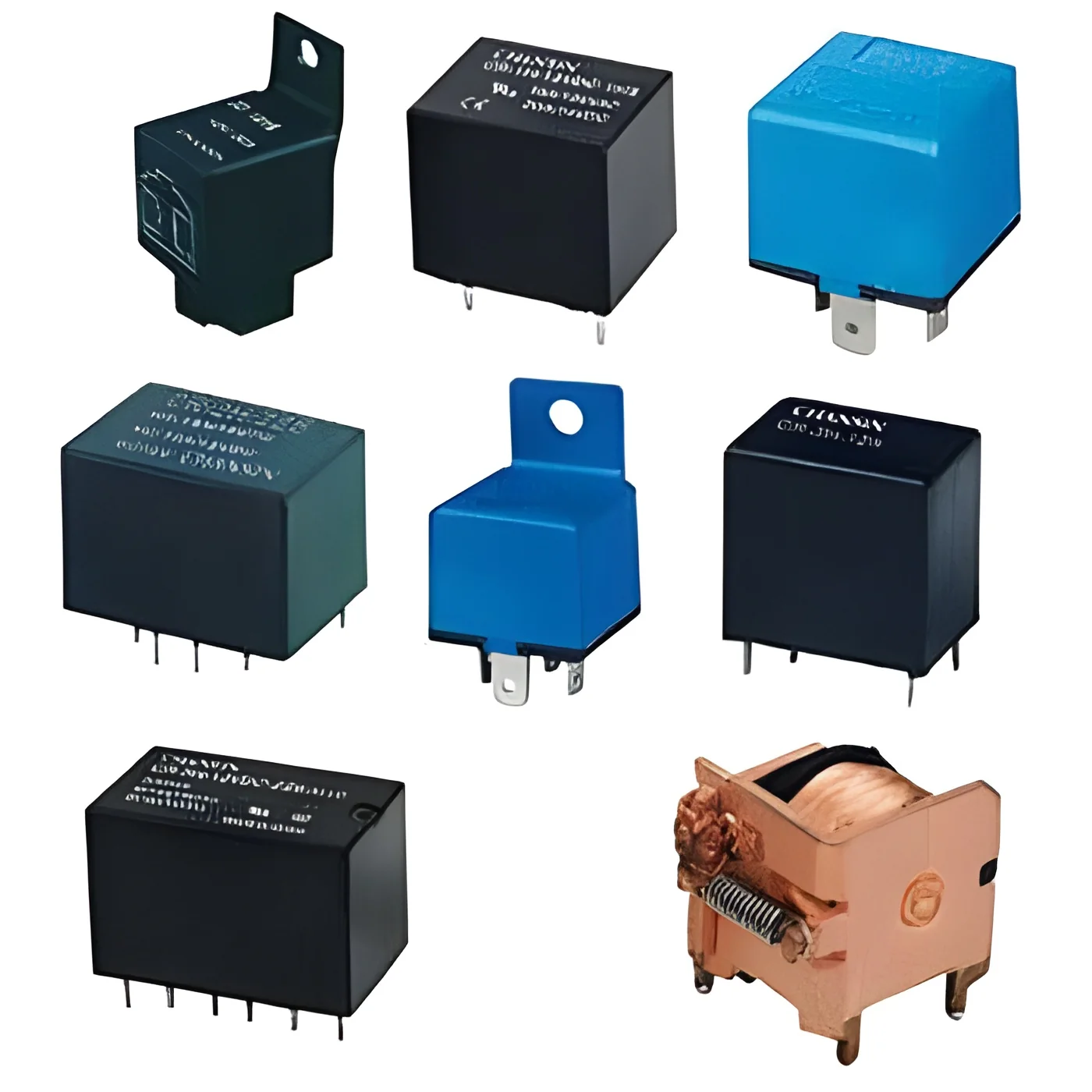
Description
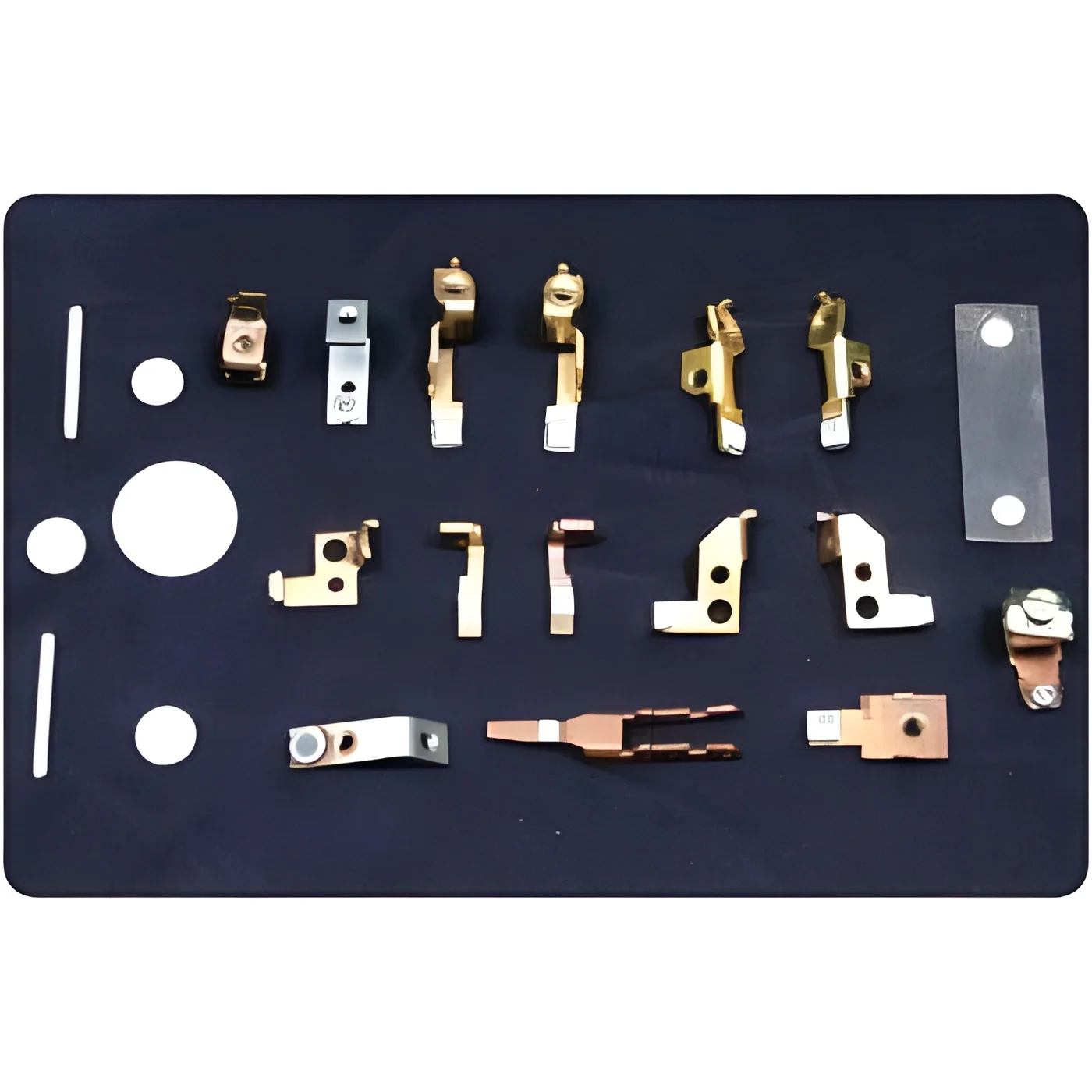
Industrial automation relay circuits are electromechanical switches designed specifically for controlling high-power devices like compressors and motors using low-power control signals. These essential components consist of an electromagnet and contact set that open or close circuits based on input commands, providing critical automation and protection functions. They ensure safe operation by isolating control circuits from heavy electrical loads, making them indispensable for industrial applications requiring precise switching, overload protection, and seamless system integration. Engineered for reliability and durability, these relay circuits handle varying voltages and currents while maintaining consistent performance in demanding industrial environments.

These relay circuits find extensive application across multiple industrial sectors including manufacturing, automotive production, HVAC systems, energy generation, and aerospace. In manufacturing environments, they control machine...
Industrial automation relay circuits are electromechanical switches designed specifically for controlling high-power devices like compressors and motors using low-power control signals. These essential components consist of an electromagnet and contact set that open or close circuits based on input commands, providing critical automation and protection functions. They ensure safe operation by isolating control circuits from heavy electrical loads, making them indispensable for industrial applications requiring precise switching, overload protection, and seamless system integration. Engineered for reliability and durability, these relay circuits handle varying voltages and currents while maintaining consistent performance in demanding industrial environments.

These relay circuits find extensive application across multiple industrial sectors including manufacturing, automotive production, HVAC systems, energy generation, and aerospace. In manufacturing environments, they control machinery, conveyor systems, and automated production lines with precision. The automotive industry relies on them for vehicle control systems, starter circuits, and power distribution networks. HVAC applications utilize relays to manage compressors, fans, and heating elements for optimal climate control efficiency. Energy sector applications include renewable energy systems like solar and wind power management, while aerospace implementations cover avionics and critical safety systems where absolute reliability is non-negotiable.

Businesses benefit significantly from these relay circuits through enhanced operational reliability, reduced equipment downtime, and lower maintenance costs. The electromechanical design ensures long service life and consistent performance even in harsh industrial conditions. These circuits act as crucial safeguards that prevent equipment damage and electrical system failures, translating to higher productivity and substantial cost savings over time. By ensuring operational safety and efficiency, they support business continuity and build trust with serious buyers, importers, and distributors who require dependable components for their industrial operations and client projects.

Key Features:
- Electromechanical switch design with reliable electromagnet and contact set operation
- Wide compatibility with various voltage and current requirements for industrial use
- Robust construction ensuring durability and long-lasting performance in demanding conditions
- Standard configurations available to meet specific application requirements and ratings
- Easy integration into existing systems with standard mounting and wiring configurations

Benefits:
- Enhanced operational reliability through consistent switching performance and overload protection
- Reduced equipment downtime and lower maintenance costs due to durable construction
- Improved safety by isolating control circuits from heavy electrical loads and preventing damage
- Long service life and consistent performance even in challenging industrial environments
- Easy system integration with standard configurations that simplify installation and replacement
Specifications
| Additional Information | |
|---|---|
| Country of Origin | India |
Application
Industrial automation relay circuits provide critical switching functions for high-power equipment like compressors, motors, and HVAC systems. They serve as protective intermediaries that isolate control circuits from heavy electrical loads, enhancing safety and preventing equipment damage. Their robust construction ensures consistent performance in challenging industrial environments from manufacturing plants to commercial facilities.
These versatile components are essential across multiple sectors including automotive manufacturing, energy production, aerospace systems, and building management. They enable precise electrical control, support automation processes, and improve operational efficiency through reliable switching capabilities. With standard configurations available, they meet diverse voltage, current, and mounting requirements for various industrial applications.
- Compressor control in refrigeration and air conditioning systems for efficient cycling and overload protection
- Motor starter circuits in manufacturing equipment to manage high inrush currents and prevent burnout
- HVAC system automation for regulating fans, pumps, and heating elements in commercial buildings
- Power management in renewable energy setups including solar inverters and wind turbine control systems
- Safety interlocking in industrial machinery to ensure equipment operates only under safe conditions
Trade Details
| Available Stock | In Stock |
| Sample Availability | No |
Payment Terms
| Payment Terms |
|
Company Profile
Annapurna Enterprises, Andhra Pradesh
 Andhra Pradesh, India
Andhra Pradesh, IndiaFood & Agriculture•Manufacturer•Trading Company•Importer / Exporter
Factory Details
Factory SizeBelow 1000 sqm
Annual Production Capacity0
Main Markets
Mid East
Eastern Asia
Domestic
Industrial Automation Relay Circuits For Compressors And Motors
Industrial automation relay circuits for compressors and motors deliver reliable power control, overload protection, and seamless integration. These durable electromechanical switches ensure safe operation in demanding industrial environments.
Min. Order Quantity: 1 unit
Shipping
Shipping fee and delivery date to be negotiated. Contact supplier now for more details.
Annapurna Enterprises
 Andhra Pradesh, India
Andhra Pradesh, IndiaFood & AgricultureManufacturer