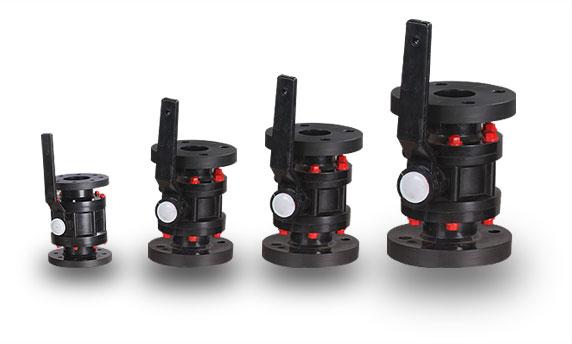
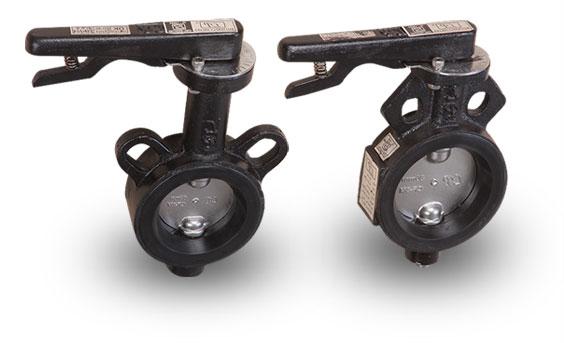
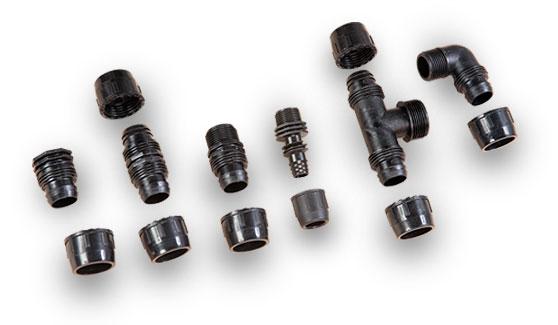
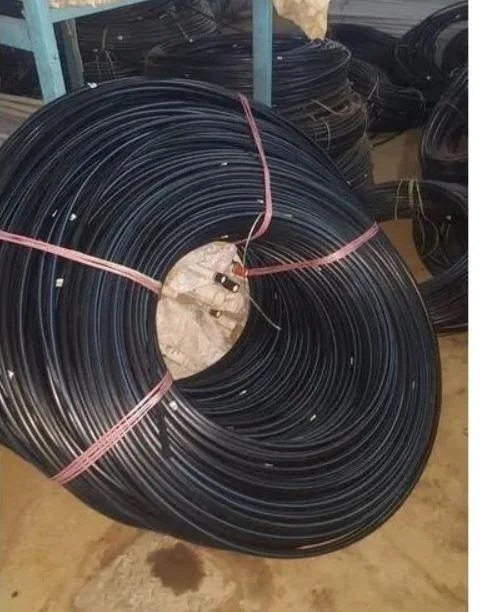
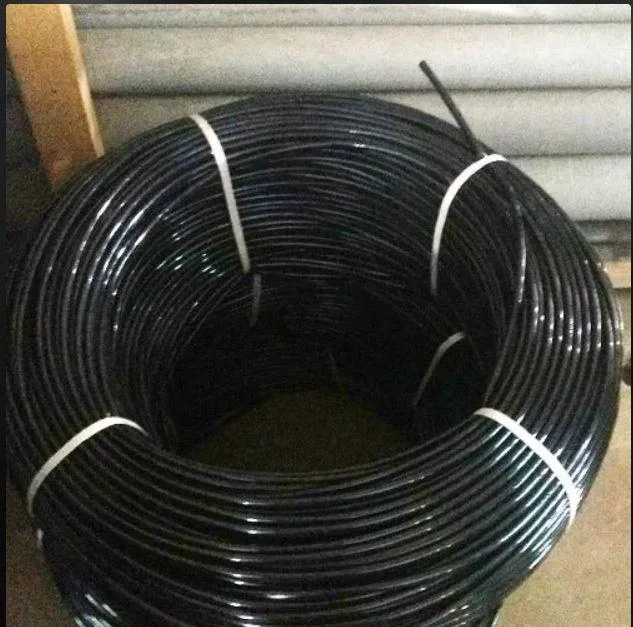
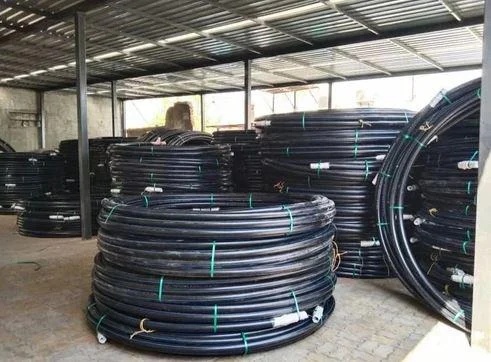
𝗪𝗵𝗮𝘁 𝗮𝗿𝗲 𝗗𝗿𝗶𝗽 𝗜𝗿𝗿𝗶𝗴𝗮𝘁𝗶𝗼𝗻 𝗟𝗶𝗻𝗲𝘀 𝗳𝗼𝗿 𝗣𝗼𝗹𝘆𝗵𝗼𝘂𝘀𝗲?
Drip irrigation lines for polyhouse are specialized tubing systems designed to deliver precise amounts of water directly to the root zone of plants in controlled environments. These lines use a network of emitters that release water gradually, ensuring that plants receive adequate moisture without waste. The technology behind drip irrigation supports efficient water usage, which is crucial in agricultural practices, especially in regions facing water scarcity.
These systems find primary applications in commercial horticulture and agriculture, particularly in polyhouse settings where environmental conditions are closely monitored. Farmers and growers utilize these lines to optimize plant growth, reduce water consumption, and enhance crop yield. The relevance of drip irrigation lines in the agricultural industry is growing, driven by the need for sustainable farming practices and the increasing demand for food production in a changing climate.
𝗞𝗲𝘆 𝗙𝗲𝗮𝘁𝘂𝗿𝗲𝘀 𝗮𝗻𝗱 𝗦𝗽𝗲𝗰𝗶𝗳𝗶𝗰𝗮𝘁𝗶𝗼𝗻𝘀
Drip irrigation lines for polyhouse come with various features that enhance their effectiveness and reliability. Understanding these specifications is essential for buyers to make informed decisions.
Key specifications include:
1. Material Composition
- Typically made from high-density polyethylene (HDPE) or PVC
- Resistant to UV rays and chemical degradation
2. Emitter Spacing
- Emitters are spaced at regular intervals, commonly ranging from 30 cm to 1 meter apart
- Ensures uniform water distribution across the crop area
3. Flow Rate
- Flow rates usually vary between 1 to 8 liters per hour per emitter
- Allows customization based on crop water needs
4. Line Diameter
- Common diameters include 16 mm, 20 mm, and 25 mm
- Choice of diameter impacts water pressure and flow capacity
5. Operating Pressure
- Designed to function effectively at pressures ranging from 0.5 to 2.0 bar
- Ensures optimal emitter performance without leakage
6. Lifespan
- Typical lifespan of 5 to 10 years under proper maintenance
- Longevity dependent on environmental conditions and usage
7. Compatibility
- Can be integrated with automated irrigation systems for precision farming
- Compatible with various filtration systems to prevent clogging
In summary, these specifications highlight the advanced design and functionality of drip irrigation lines, making them a critical component for maximizing agricultural efficiency.
𝗖𝗼𝗺𝗺𝗼𝗻 𝗔𝗽𝗽𝗹𝗶𝗰𝗮𝘁𝗶𝗼𝗻𝘀 𝗮𝗻𝗱 𝗨𝘀𝗲 𝗖𝗮𝘀𝗲𝘀
Drip irrigation lines for polyhouse are versatile tools used across multiple agricultural sectors. Their adaptability makes them suitable for various applications.
1. Horticulture: In flower and vegetable production, these lines provide consistent moisture that promotes healthy growth and flowering.
2. Fruit Cultivation: Orchards utilize drip irrigation to ensure that fruit trees receive adequate hydration, enhancing fruit quality and yield.
3. Greenhouse Operations: Greenhouses benefit from the precision of drip systems, allowing for targeted watering that conserves water and energy.
4. Nursery Production: Young plants in nurseries thrive with the controlled moisture levels provided by drip irrigation, leading to stronger root development.
5. Organic Farming: Drip irrigation supports organic farming practices by minimizing water stress and reducing weed growth through targeted watering.
6. Hydroponics: In hydroponic systems, drip lines can deliver nutrient-rich water directly to plant roots, optimizing growth rates.
7. Landscaping: Commercial landscaping projects utilize drip irrigation to maintain plant health while conserving water resources.
𝗣𝗿𝗼𝗱𝘂𝗰𝘁 𝗩𝗮𝗿𝗶𝗮𝗻𝘁𝘀 𝗮𝗻𝗱 𝗦𝘂𝗯𝗰𝗮𝘁𝗲𝗴𝗼𝗿𝗶𝗲𝘀
Drip irrigation lines for polyhouse are available in various configurations to meet specific agricultural needs.
Standard Drip Lines: These are the most commonly used and provide a basic solution for efficient watering in polyhouses.
Pressure Compensating Drip Lines: These variants maintain a consistent flow rate across varying pressure conditions, making them ideal for uneven terrain.
Sub-surface Drip Lines: Designed to be buried beneath the soil surface, these lines reduce evaporation and ensure deep root watering.
𝗕𝗲𝗻𝗲𝗳𝗶𝘁𝘀 𝗮𝗻𝗱 𝗔𝗱𝘃𝗮𝗻𝘁𝗮𝗴𝗲𝘀
Investing in drip irrigation lines for polyhouse offers numerous advantages that enhance agricultural productivity.
1. Water Efficiency: Drip systems minimize water waste by delivering water directly to the root zone, reducing evaporation and runoff.
2. Enhanced Crop Yields: Consistent and controlled moisture levels lead to healthier plants and increased harvests.
3. Labor Savings: Automated systems reduce the need for manual watering, allowing farmers to allocate resources more efficiently.
4. Disease Reduction: By minimizing water on plant foliage, drip irrigation can lower the risk of fungal diseases and pests.
5. Flexibility: These systems can be easily adapted to various crops and growing conditions, making them versatile.
6. Environmental Sustainability: Drip irrigation promotes sustainable farming practices by conserving water and reducing chemical runoff.
𝗕𝘂𝘆𝗶𝗻𝗴 𝗚𝘂𝗶𝗱𝗲 𝗳𝗼𝗿 𝗕𝟮𝗕 𝗕𝘂𝘆𝗲𝗿𝘀
When sourcing drip irrigation lines for polyhouse, several factors should be considered to ensure optimal purchasing decisions.
1. Quality Assessment: Evaluate the materials and manufacturing processes to ensure durability and performance. Look for products that meet industry standards.
2. Supplier Verification: Vet suppliers through reviews, references, and certifications to ensure reliability and quality assurance.
3. Pricing and MOQ: Understand the price range and minimum order quantities to align with your budget and operational needs.
4. Delivery and Lead Times: Confirm logistics and lead times to ensure timely delivery, especially during peak planting seasons.
5. Compliance Requirements: Ensure the products meet local and international regulations and standards to avoid legal issues.
𝗖𝗼𝗺𝗽𝗹𝗶𝗮𝗻𝗰𝗲 𝗮𝗻𝗱 𝗖𝗲𝗿𝘁𝗶𝗳𝗶𝗰𝗮𝘁𝗶𝗼𝗻𝘀
Drip irrigation lines for polyhouse must adhere to several compliance and certification standards to ensure safety and quality.
Relevant quality standards such as ISO 9001 ensure that manufacturing processes meet international quality management criteria. Additionally, industry certifications like CE indicate that products comply with European health, safety, and environmental protection standards.
Safety and testing requirements are critical, necessitating rigorous evaluation of materials and performance under various operational conditions. Buyers should also consider regional compliance aspects, as regulations may vary significantly across different markets.
𝗪𝗵𝘆 𝗦𝗼𝘂𝗿𝗰𝗲 𝗗𝗿𝗶𝗽 𝗜𝗿𝗿𝗶𝗴𝗮𝘁𝗶𝗼𝗻 𝗟𝗶𝗻𝗲𝘀 𝗳𝗼𝗿 𝗣𝗼𝗹𝘆𝗵𝗼𝘂𝘀𝗲 𝗳𝗿𝗼𝗺 𝗣𝗲𝗽𝗮𝗴𝗼𝗿𝗮?
Pepagora provides a trusted platform for sourcing drip irrigation lines for polyhouse, offering numerous advantages for B2B buyers.
Verified Supplier Network: Pepagora connects buyers with a network of verified suppliers, ensuring that all partners have undergone thorough checks for quality and reliability.
Streamlined RFQ Process: The platform simplifies the request for quotation process, allowing buyers to easily compare prices and specifications from multiple suppliers.
Trade Assurance and Support: Buyers are protected through trade assurance programs that provide support and recourse in case of disputes, fostering a secure purchasing environment.
Regional Coverage: With a broad geographic reach spanning India, the GCC, and Southeast Asia, Pepagora facilitates access to quality products, catering to diverse agricultural needs across different regions.

 IN
IN
 India
India