
 IN
Custom Jig & Fixture Development
27 products available
What are Custom Jig & Fixture Development?
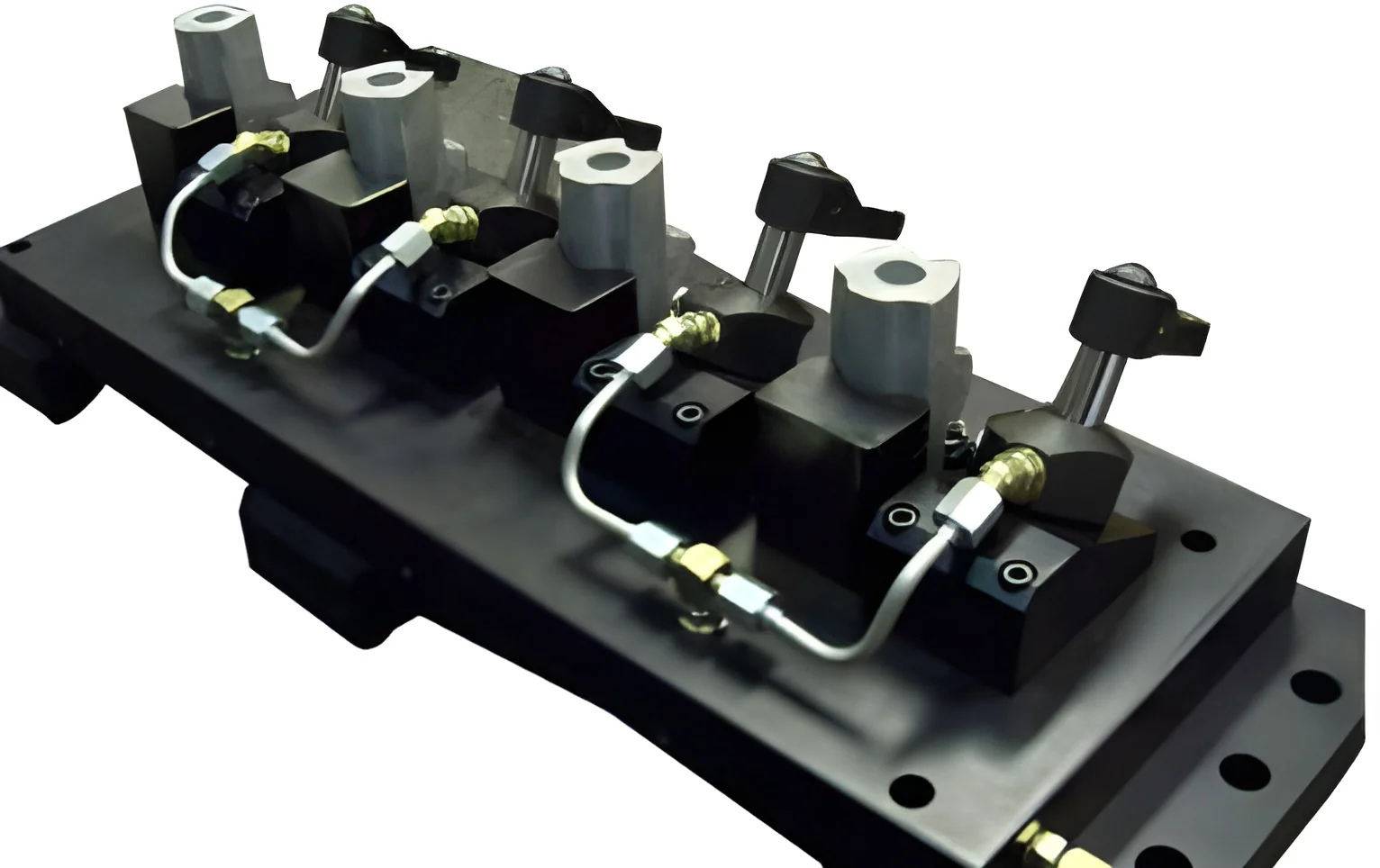
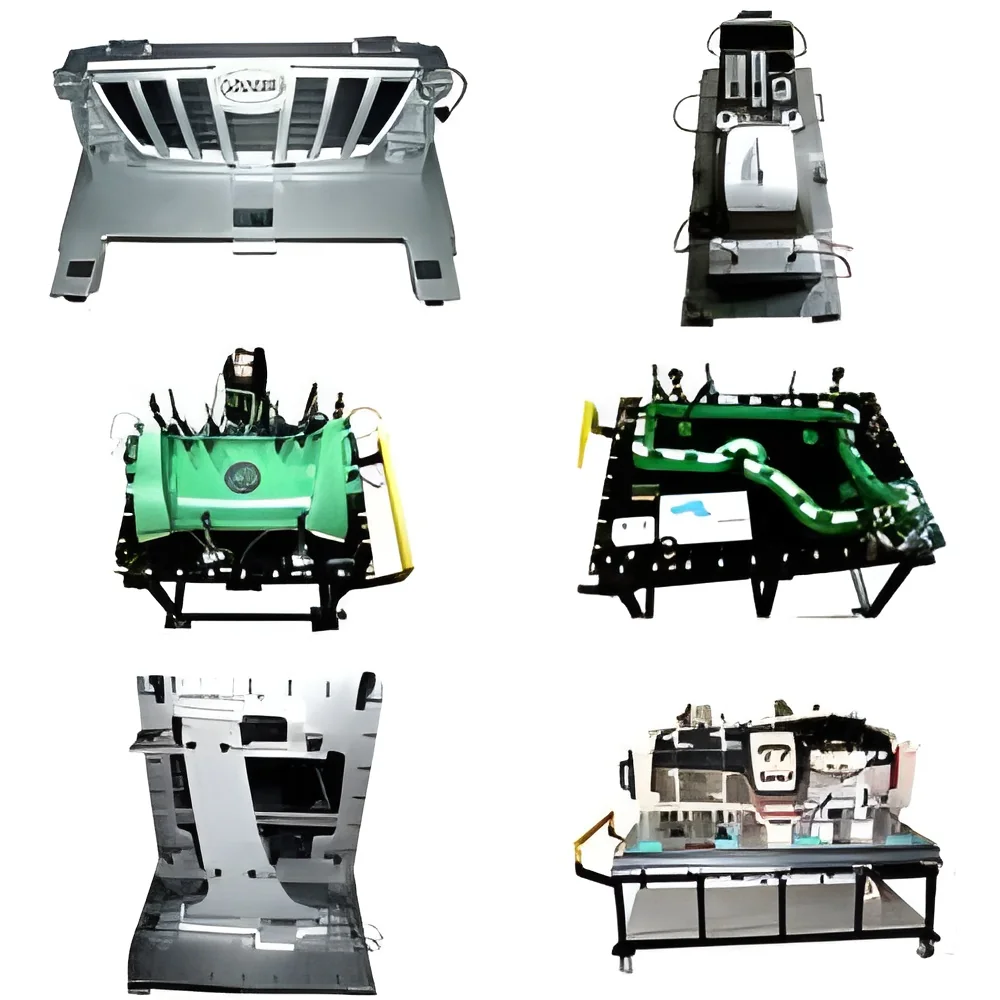
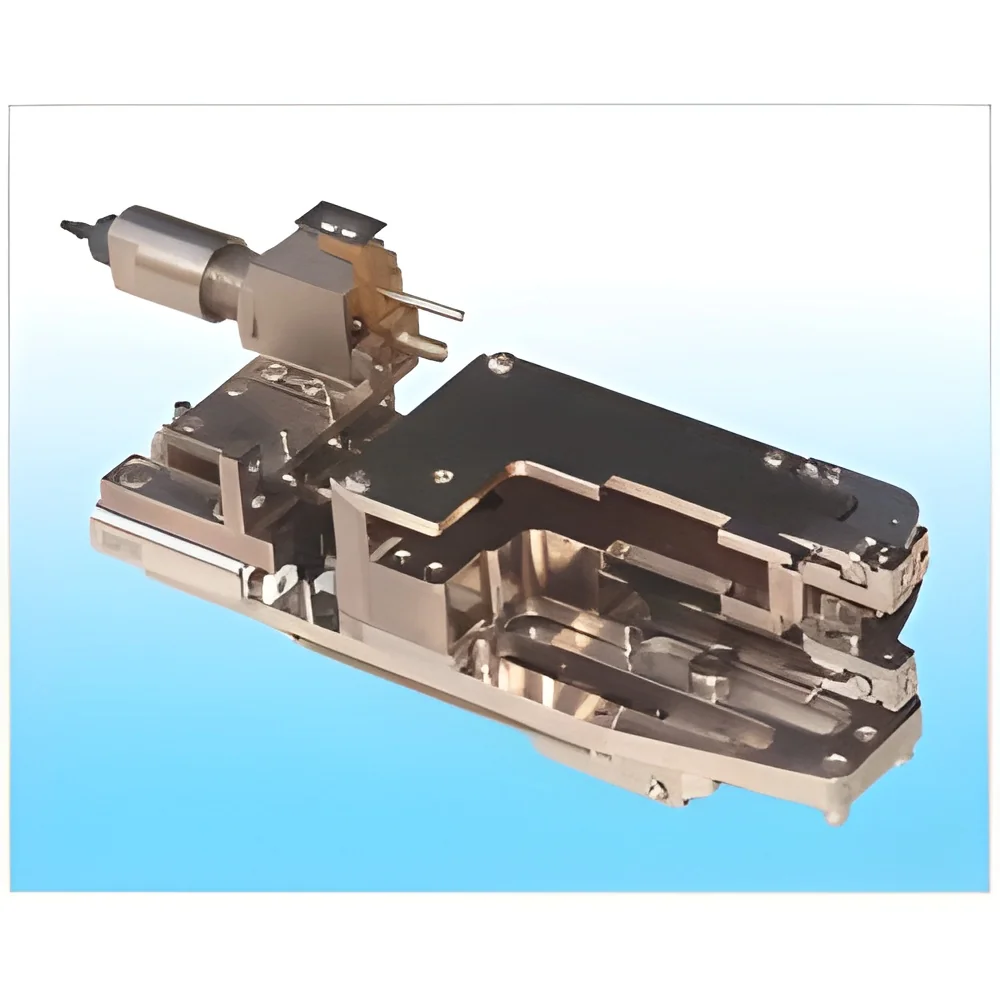
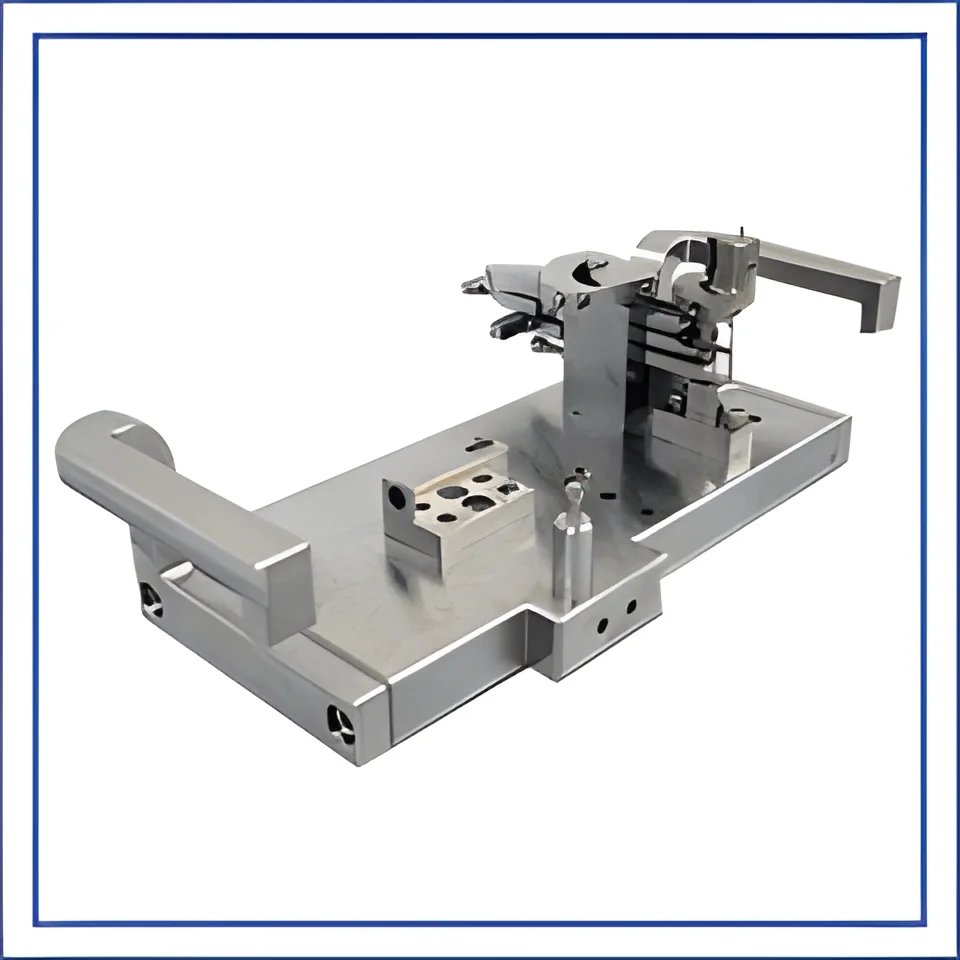
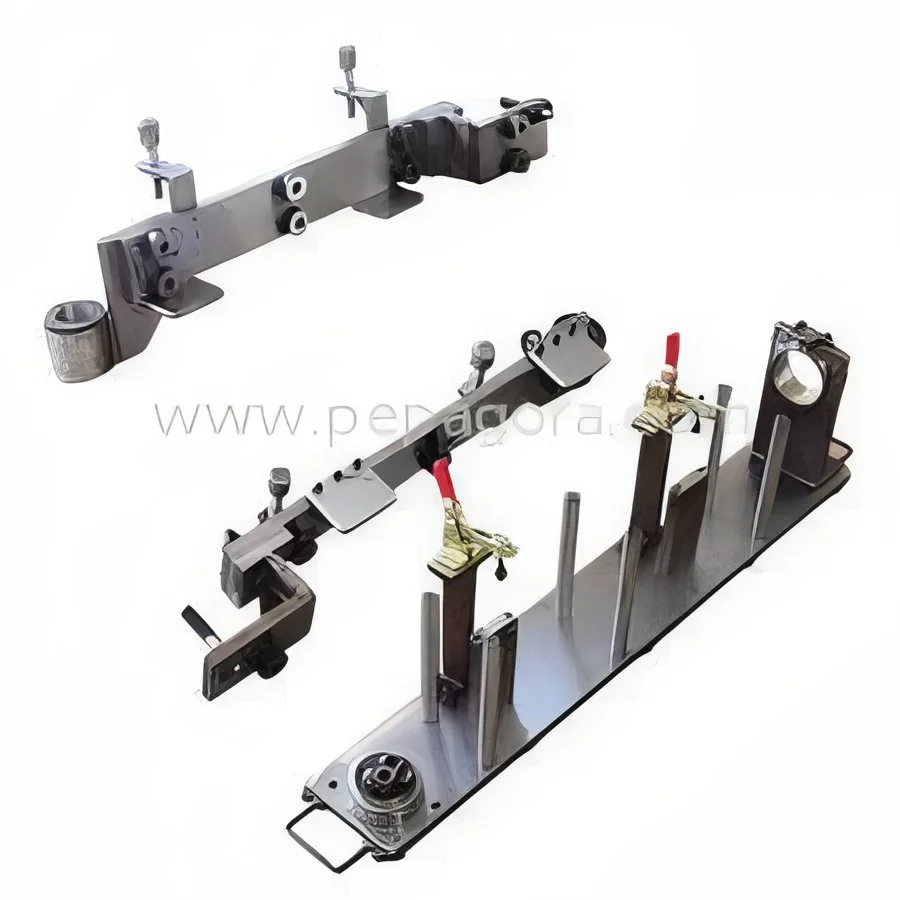
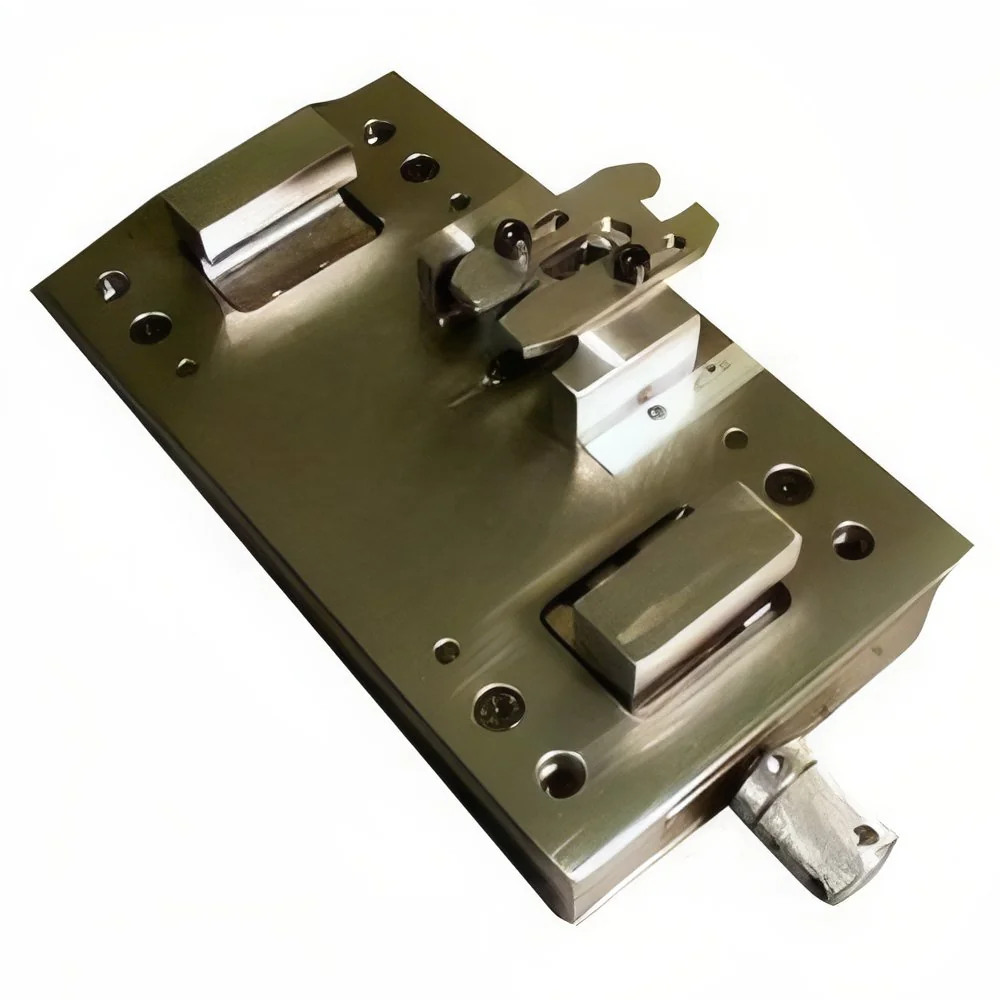
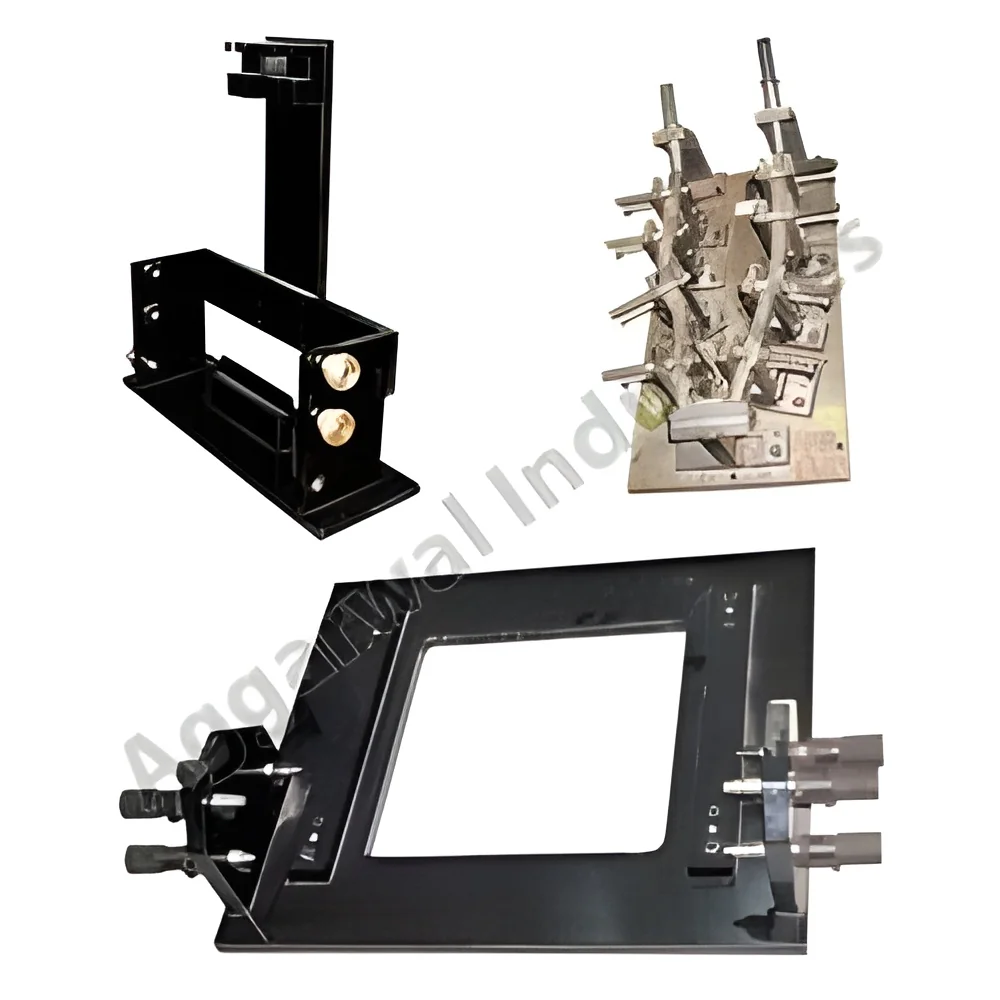
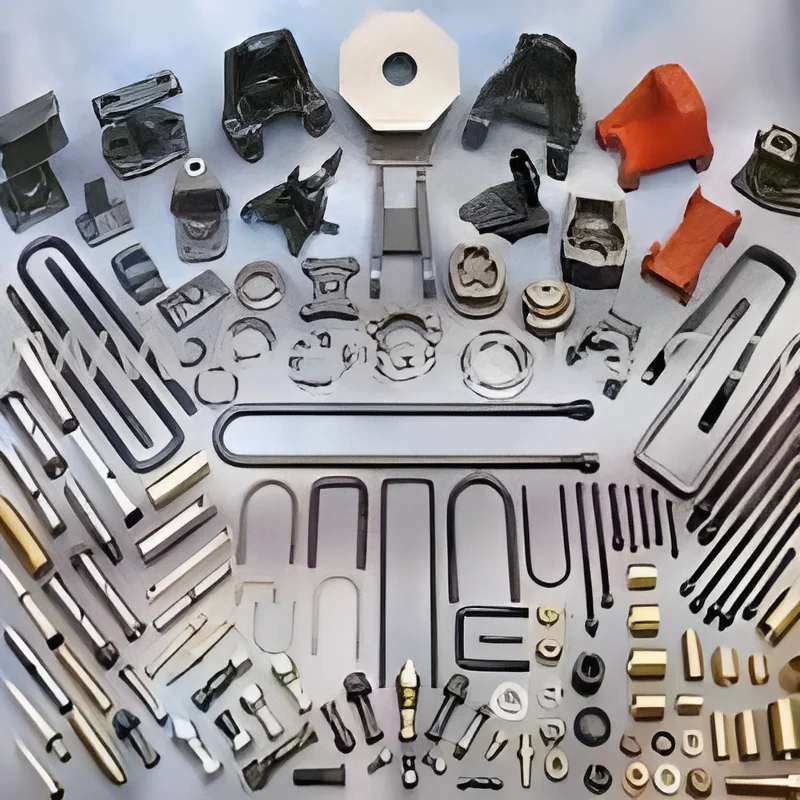
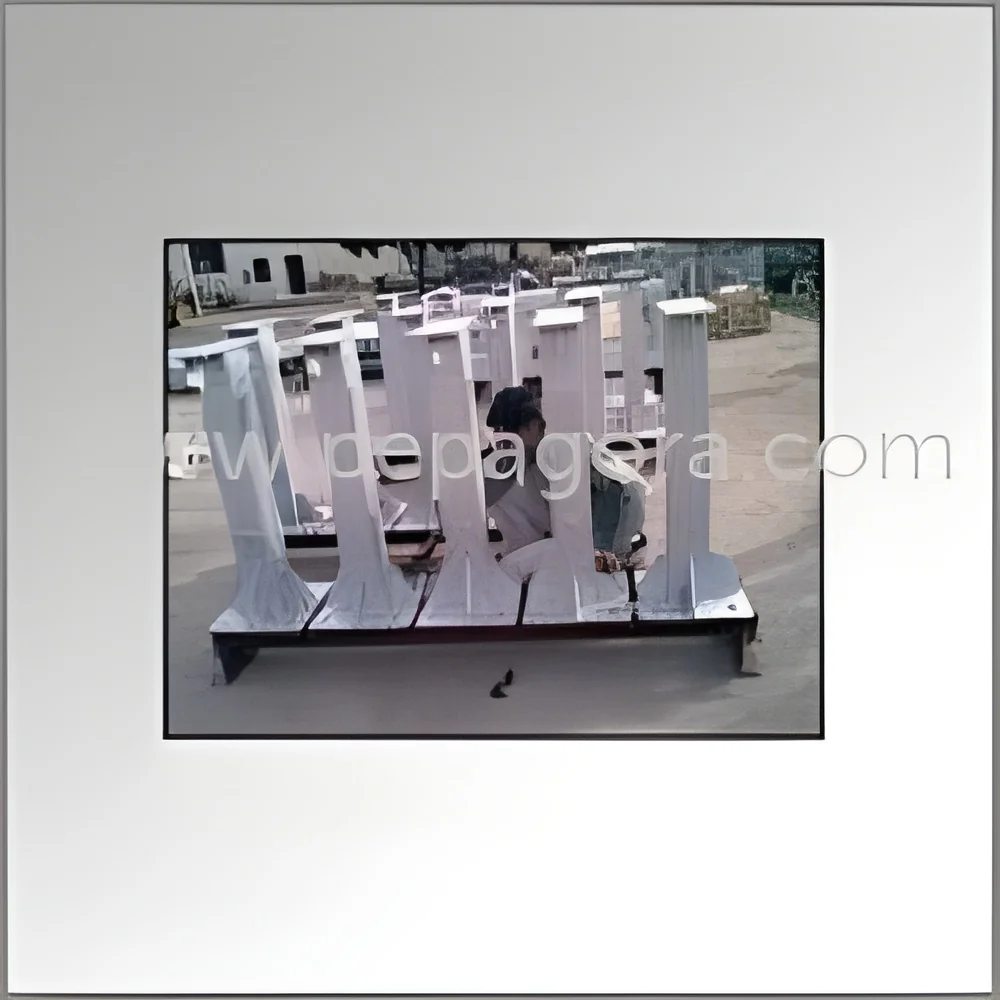
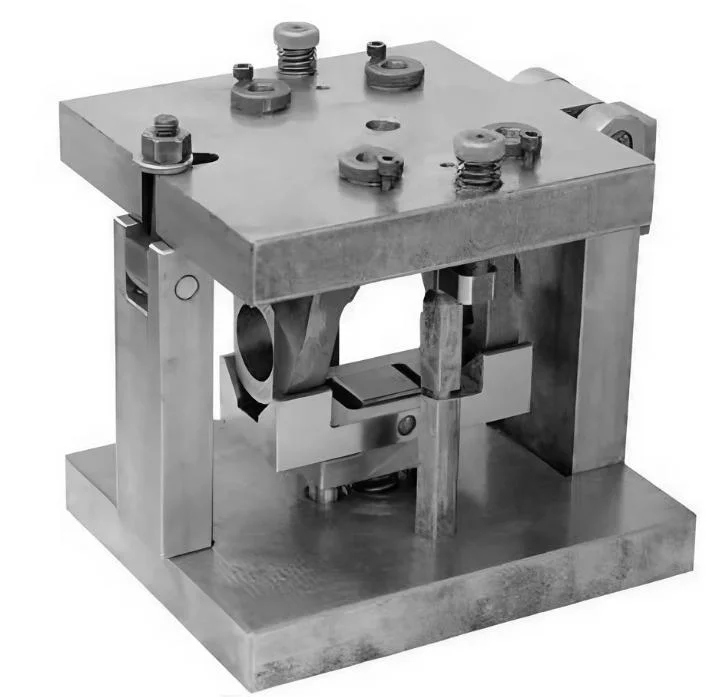
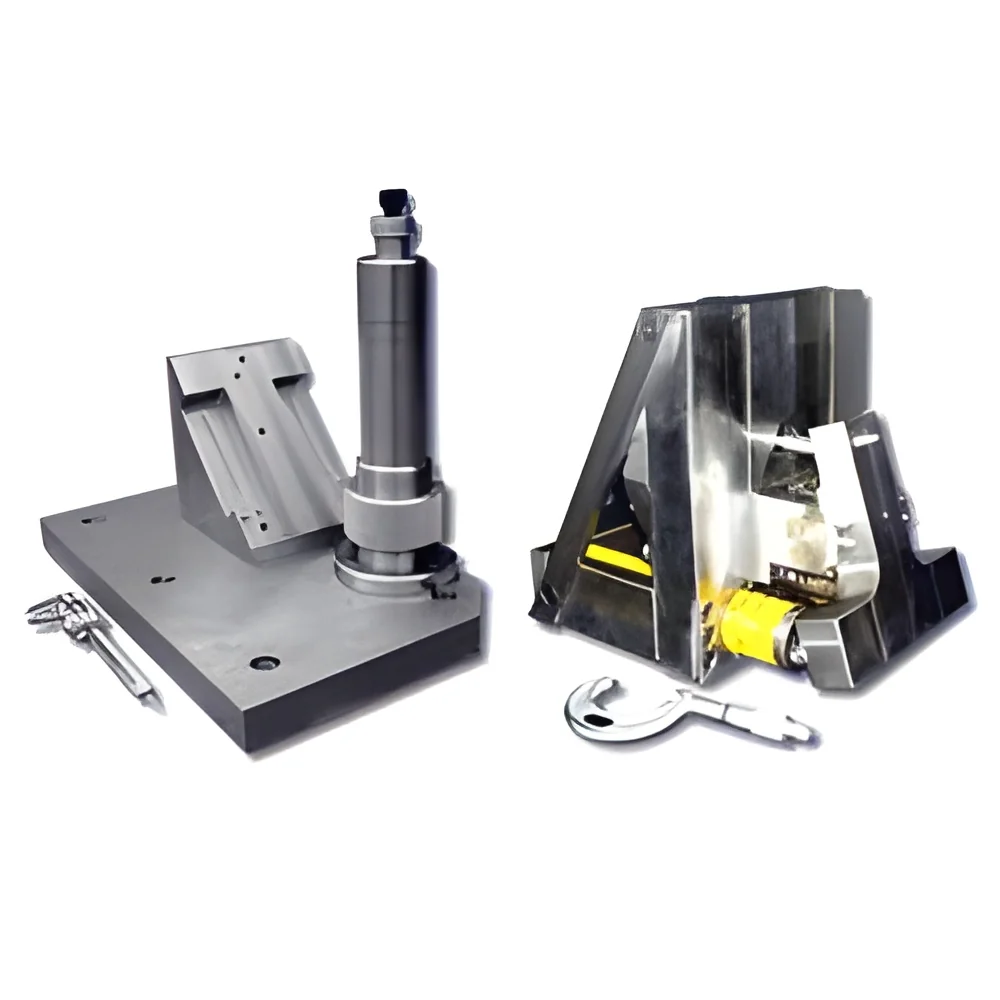
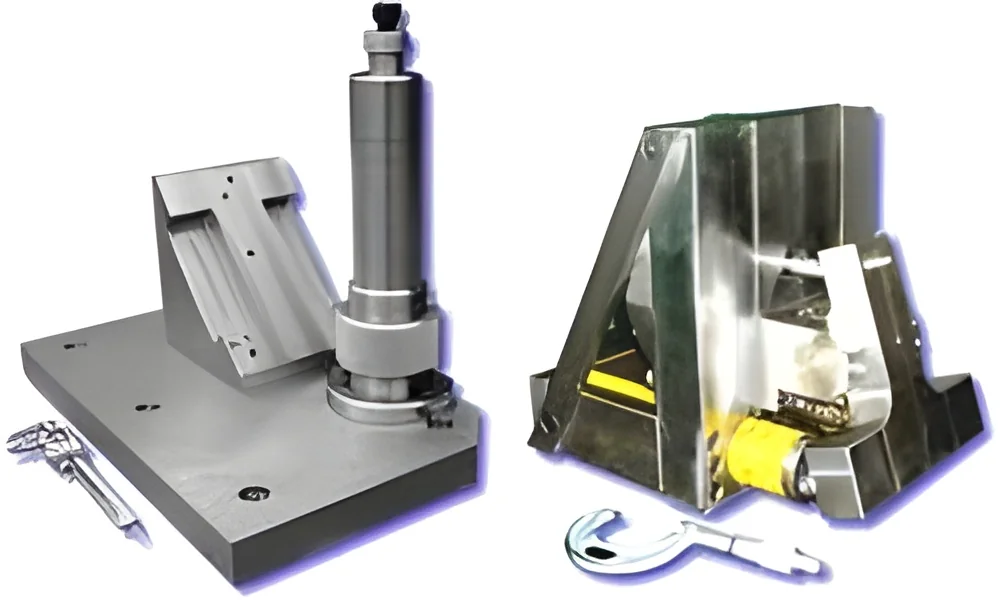
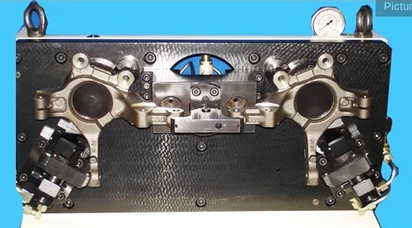
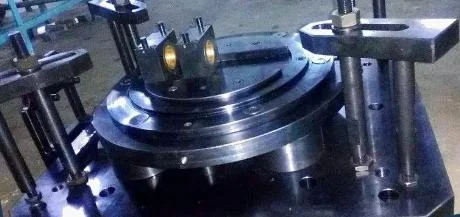
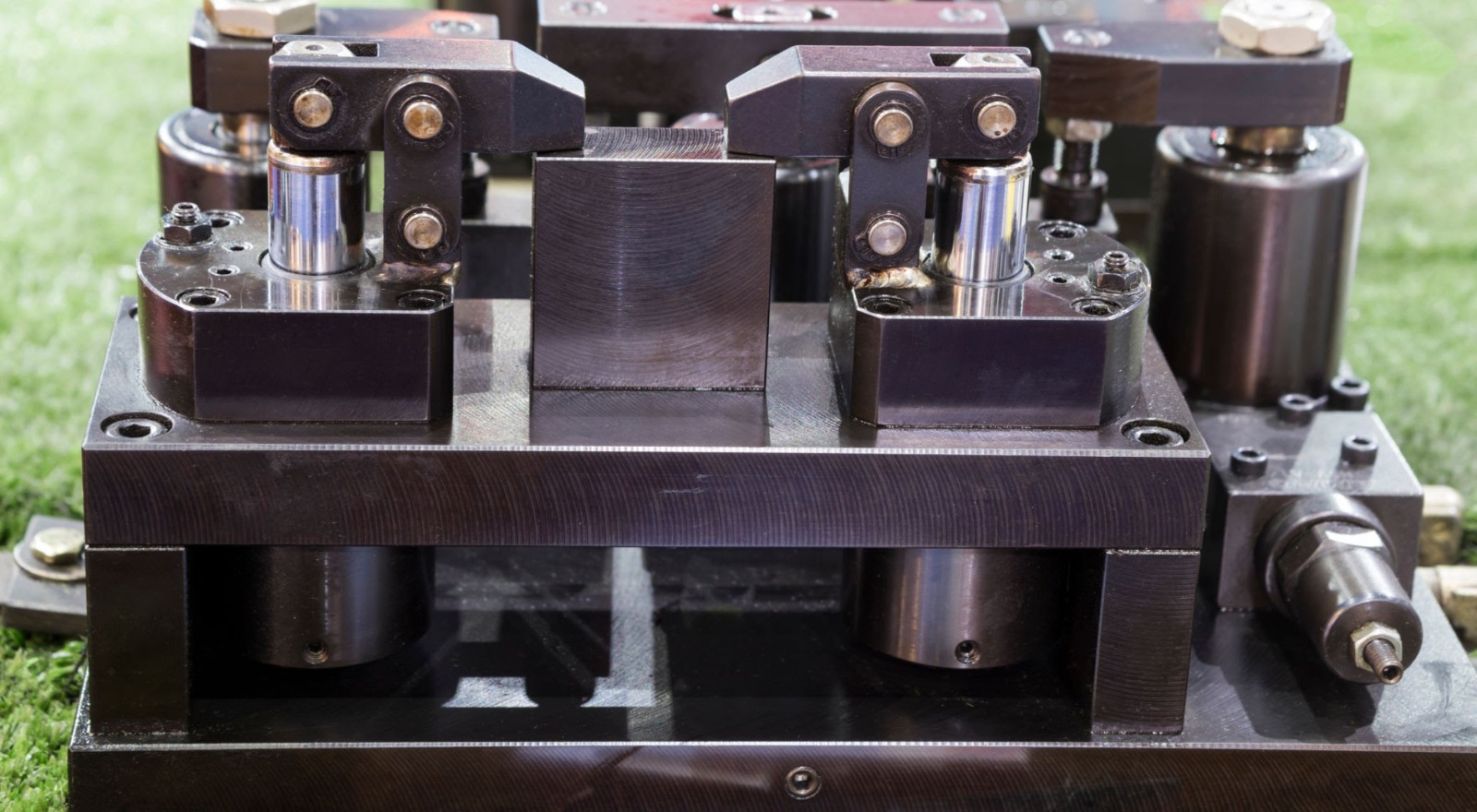
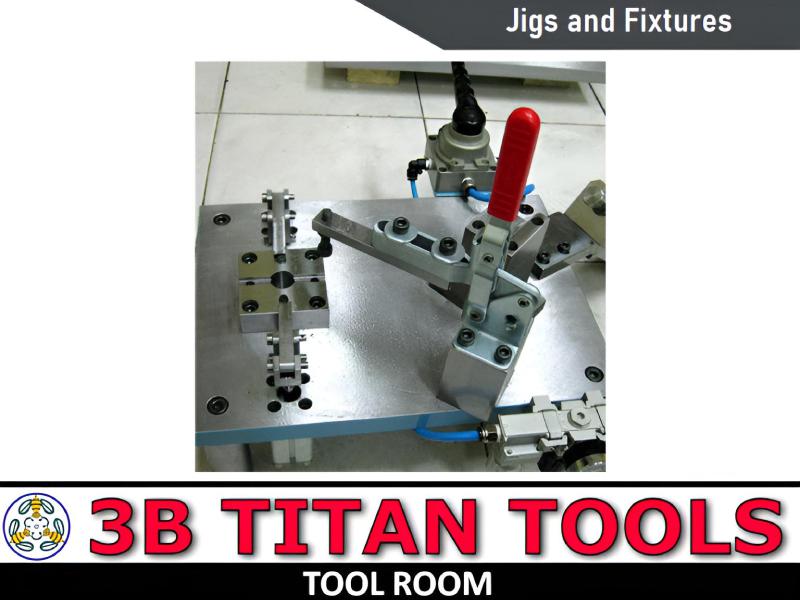
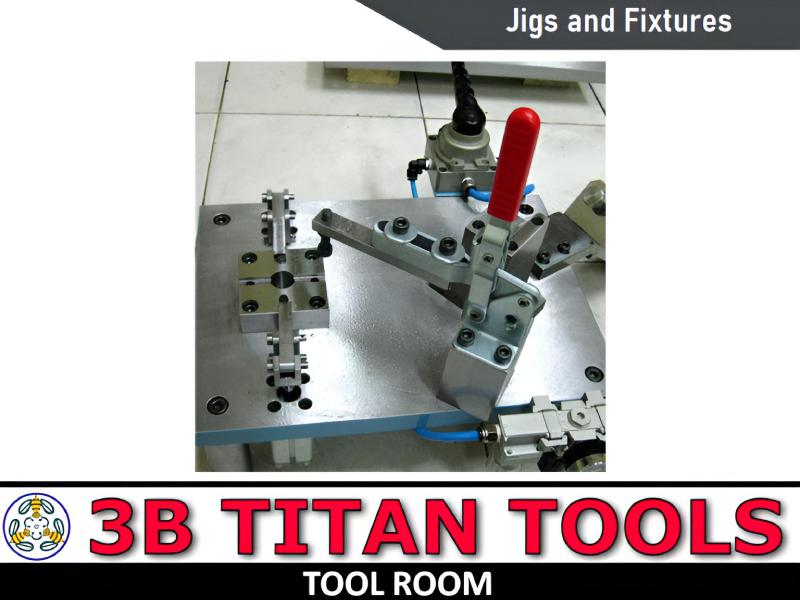
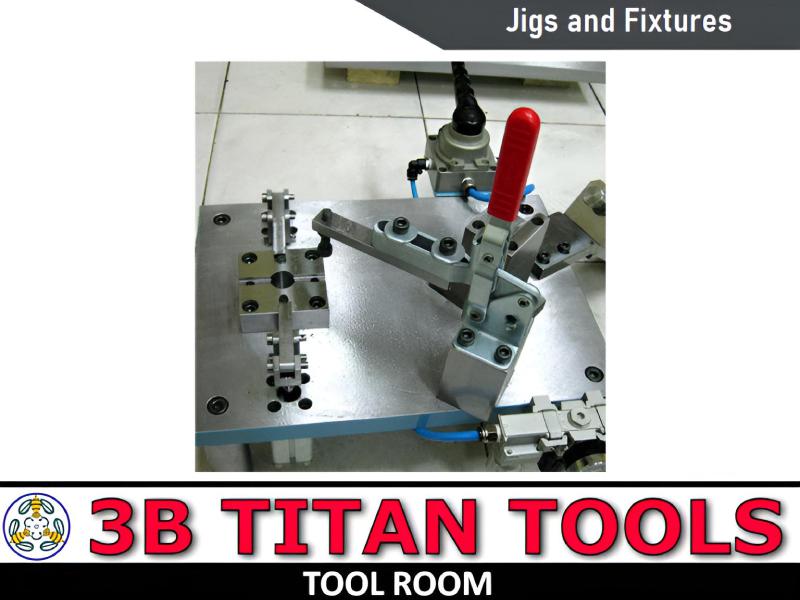
Custom jig and fixture development involves creating specialized tools used in manufacturing and assembly processes to enhance efficiency and precision. These tools are designed to hold, support, and guide workpieces during production, ensuring consistent quality and reducing the risk of errors. Custom jigs and fixtures can be tailored to meet specific requirements of various operations, such as machining, welding, and assembly.
Primary uses of custom jigs and fixtures span multiple industries, including automotive, aerospace, electronics, and consumer goods. They facilitate tasks such as alignment, positioning, and repetitive handling of components, making them essential for mass production environments. Businesses often rely on these tools to streamline workflows, improve safety, and reduce labor costs. The relevance of custom jig and fixture development is underscored by the ongoing demand for efficiency in manufacturing processes across various market sectors.
In today's competitive landscape, the ability to produce high-quality products at lower costs is paramount. Companies that invest in custom jig and fixture development can gain a competitive edge by optimizing their production capabilities. As industries evolve and technologies advance, the importance of precision tools continues to grow, positioning custom jigs and fixtures as critical components in modern manufacturing.
Key Features and Specifications
Custom jig and fixture development includes several key features that enhance productivity and accuracy. Understanding these specifications is vital for businesses looking to invest in these tools.
Key specifications include:
1. Precision Tolerance
- Ensures that the jig or fixture holds the workpiece within tight tolerances to maintain quality.
- Typically ranges from +/-0.01 mm to +/-0.1 mm depending on the application.
2. Material Composition
- Made from durable materials such as steel, aluminum, or composite materials for longevity and strength.
- Material choice affects weight, cost, and performance characteristics.
3. Customization Options
- Ability to tailor designs to specific requirements, including size, shape, and functionality.
- Customization can be based on the type of operation or workpiece dimensions.
4. Ergonomic Design
- Designed to minimize operator fatigue and improve safety during use.
- Features may include handles or adjustable supports for ease of handling.
5. Integration with Machinery
- Compatibility with existing machinery and equipment to enhance workflow.
- Ensures seamless operation within established production lines.
6. Surface Finish
- Options for surface treatments such as anodizing or powder coating for protection and aesthetics.
- Affects friction, wear resistance, and overall product appearance.
7. Load Capacity
- Designed to support specific weights and forces without deformation.
- Load capacity will vary based on the fixture's intended use and material strength.
8. Quick Change Mechanism
- Features that allow for rapid changes between different setups or workpieces.
- Increases flexibility and efficiency in production environments.
In summary, selecting the right specifications for custom jigs and fixtures is crucial for maximizing production efficiency and ensuring high-quality output.
Common Applications and Use Cases
Custom jigs and fixtures find applications across a variety of industries, enhancing production processes and ensuring consistency.
1. Automotive: In the automotive industry, custom jigs are used for assembling components, ensuring precise alignment during welding and fastening processes.
2. Aerospace: Aerospace manufacturers utilize specialized fixtures to handle complex components, ensuring accuracy in assembly and compliance with stringent safety standards.
3. Electronics: In electronics manufacturing, jigs are employed to hold circuit boards in place during soldering and testing, improving precision and reducing defects.
4. Consumer Goods: Custom fixtures aid in the assembly of consumer products, ensuring consistent quality and efficiency in mass production.
5. Medical Devices: In the medical device sector, jigs are used for assembling delicate components, adhering to rigorous regulatory standards for safety and quality.
6. Industrial Equipment: Custom jigs facilitate the assembly and testing of industrial machinery, enhancing precision in production processes.
7. Furniture Manufacturing: In furniture production, jigs are used to maintain consistent dimensions and alignment during assembly, improving overall product quality.
Product Variants and Subcategories
There is a diversity of custom jig and fixture designs available to meet various manufacturing needs. Different variants cater to specific applications and industries.
Basic Fixture Design
This variant focuses on simplicity and functionality, providing a basic structure to hold workpieces during machining operations. It is ideal for low-volume production where quick setup is essential.
Multi-Station Jig
Designed for high-volume production, this fixture allows multiple parts to be processed simultaneously. It enhances productivity by reducing cycle times and is commonly used in assembly lines.
Adjustable Fixture
This variant features adjustable components to accommodate various sizes and shapes of workpieces. It is versatile and suitable for operations where multiple product variations are manufactured.
Benefits and Advantages
Investing in custom jig and fixture development offers numerous advantages for businesses seeking to enhance production efficiency.
Key benefits include:
1. Improved Accuracy: Custom jigs ensure precise positioning of workpieces, reducing the likelihood of errors during manufacturing.
2. Increased Efficiency: Streamlined processes and reduced setup times contribute to overall productivity improvements.
3. Enhanced Safety: Ergonomic designs and secure fixtures help minimize risks associated with manual handling and operator fatigue.
4. Cost Savings: By reducing errors and improving cycle times, businesses can lower operational costs and increase profitability.
5. Flexibility: Customization allows for the creation of tools tailored to specific needs, adapting to changing production requirements.
6. Consistency in Quality: Reliable jigs and fixtures contribute to uniformity in production output, ensuring high-quality products.
Buying Guide for B2B Buyers
When sourcing custom jig and fixture development, several key factors should be considered to ensure the right investment.
1. Quality Assessment: Evaluate the materials and construction techniques used in the jigs and fixtures. High-quality components lead to better performance and durability.
2. Supplier Verification: Conduct thorough research on potential suppliers. Look for industry certifications and customer reviews to ensure reliability and reputation.
3. Pricing and MOQ: Understand pricing structures and minimum order quantities. This helps in budgeting and ensures that the investment aligns with business needs.
4. Delivery and Lead Times: Consider the supplier's ability to meet delivery schedules. Timely delivery is critical for maintaining production timelines.
5. Compliance Requirements: Ensure that the jigs and fixtures meet relevant industry standards and regulations. Compliance with safety and quality standards is essential for operational integrity.
Compliance and Certifications
Compliance and certifications play a crucial role in ensuring the quality and safety of custom jig and fixture development. Key standards include ISO 9001, which focuses on quality management systems, ensuring consistent quality in manufacturing processes.
Industry certifications, such as CE marking, indicate that products meet European safety, health, and environmental requirements. This is particularly relevant for companies exporting products to Europe or those operating within regulated industries.
Safety and testing requirements must be adhered to, including thorough testing of jigs and fixtures to ensure they can withstand intended loads and conditions. Regular inspections and maintenance help ensure that custom tools remain in compliance with safety standards.
Regional compliance considerations may vary, depending on the geographic market. Companies should be aware of local regulations that may affect the design and production of jigs and fixtures.
Why Source Custom Jig & Fixture Development from Pepagora?
Pepagora provides a trusted platform for sourcing custom jig and fixture development, offering several key advantages that benefit B2B buyers.
Verified Supplier Network: Pepagora’s extensive network includes suppliers who are vetted for quality and reliability. This ensures that buyers can source high-quality tools with confidence.
Streamlined RFQ Process: The platform simplifies the request for quotation process, allowing businesses to obtain multiple competitive quotes efficiently. This saves time and helps in making informed decisions.
Trade Assurance and Support: Pepagora offers trade assurance, providing buyers with protection against potential risks. In addition, customer support is available to assist with any inquiries or issues during the sourcing process.
Regional Coverage: With a presence in India, GCC, and Southeast Asia, Pepagora caters to a wide geographic range. This allows businesses to connect with local suppliers and ensures timely delivery of products tailored to regional needs.

 India
 India
 India
 India
 India

 India
 India
 India
 India
 India
 India
 India
 India
 India




Frequently Asked Questions
What are Custom Jig & Fixture Development?
Custom Jig & Fixture Development refers to the design and manufacturing of specialized tools that assist in the production process. These tools help in holding, supporting, and aligning components, ensuring precision and efficiency during assembly or machining operations.
What are the different types of Custom Jig & Fixture Development?
There are various types of custom jigs and fixtures, including assembly jigs, welding fixtures, machining fixtures, and inspection fixtures. Each type serves a specific purpose in the manufacturing process, tailored to meet the unique requirements of different operations.
How do I choose the right Custom Jig & Fixture Development?
To choose the right custom jig or fixture, consider the specific application, the materials being used, and the complexity of the parts involved. It is also important to assess the production volume and any tolerance requirements to ensure optimal performance.
What are the standard specifications for Custom Jig & Fixture Development?
Standard specifications for custom jigs and fixtures often include material type, size, weight, and load capacity. Additionally, dimensions, tolerance levels, and compatibility with existing machinery are critical factors to ensure proper functionality.
What is the price range for Custom Jig & Fixture Development?
The price range for custom jig and fixture development can vary widely based on complexity, materials, and design requirements. Typically, prices can start from a few thousand rupees and go up to several lakhs for highly specialized tools.
What quality standards apply to Custom Jig & Fixture Development?
Quality standards for custom jigs and fixtures may include ISO 9001 certification and adherence to industry-specific regulations. Ensuring high precision and durability is also critical, with many manufacturers implementing stringent quality control processes.
Where can I find Custom Jig & Fixture Development suppliers in India?
You can find custom jig and fixture development suppliers in India through B2B marketplaces like Pepagora, industry trade shows, and online directories. It's advisable to evaluate suppliers based on their experience, capabilities, and customer reviews.
Can Custom Jig & Fixture Development be customized?
Yes, custom jigs and fixtures can be tailored to meet specific operational requirements. Manufacturers often work closely with clients to design solutions that fit their unique production processes and component specifications.
What is the typical minimum order quantity for Custom Jig & Fixture Development?
The typical minimum order quantity (MOQ) for custom jigs and fixtures can vary by manufacturer, but it often ranges from one piece for prototypes to several units for production runs. It's essential to discuss MOQs with suppliers during the inquiry process.
What is the typical lead time for Custom Jig & Fixture Development?
The typical lead time for custom jig and fixture development can range from a few weeks to several months, depending on the complexity of the design and the manufacturer's workload. It’s advisable to confirm lead times with your chosen supplier to ensure timely delivery.
Why Businesses Trust Pepagora
Thousands of companies trust Pepagora to source smarter and sell faster
Expand Your Sales Globally

Source Smarter,Grow Faster
