IN
IN₹
Apparel & Fashion
Description
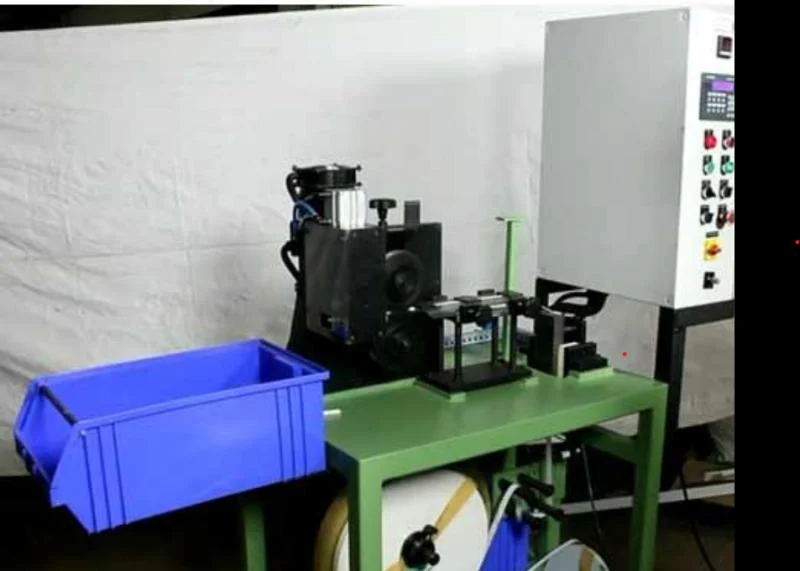
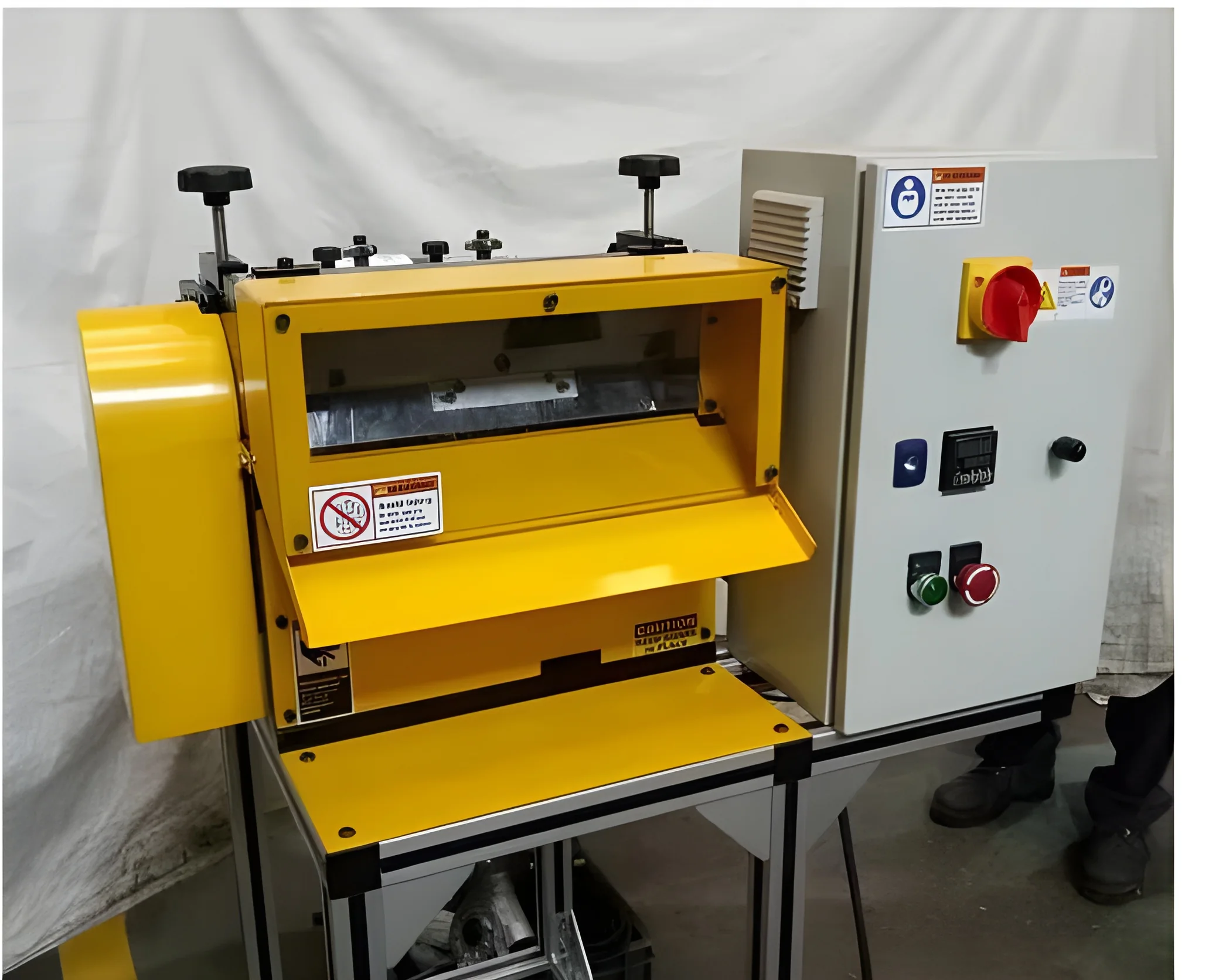
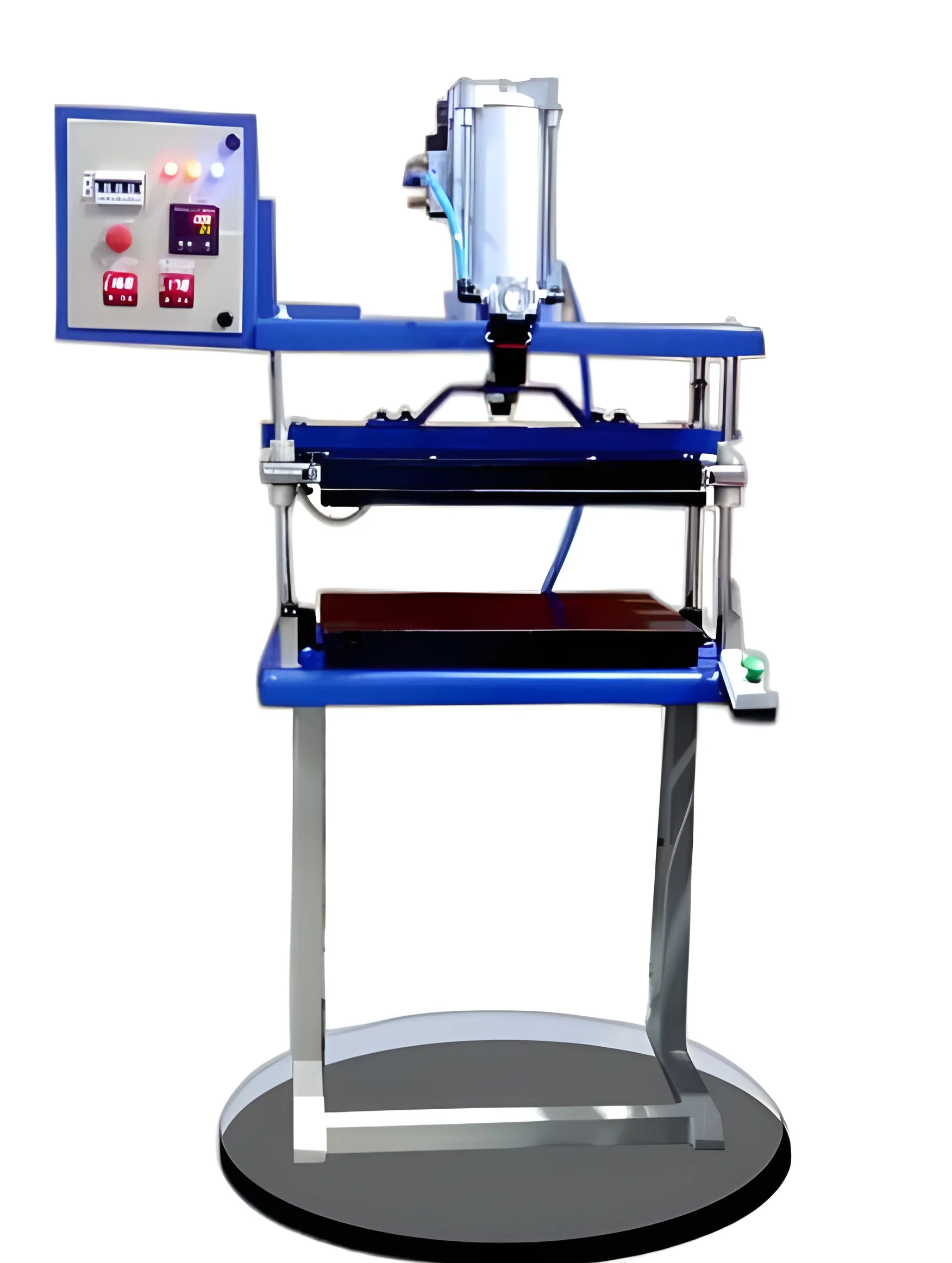
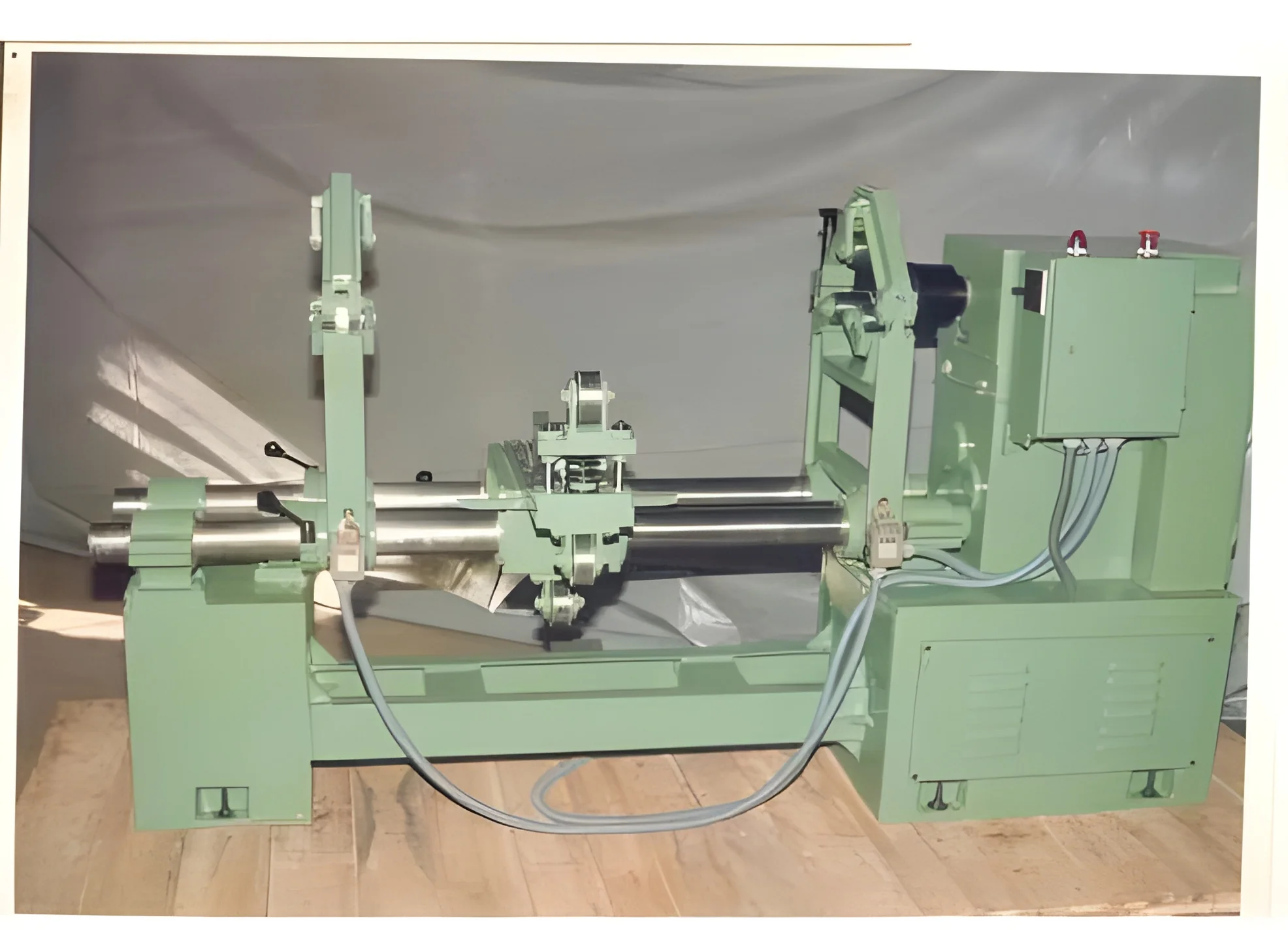
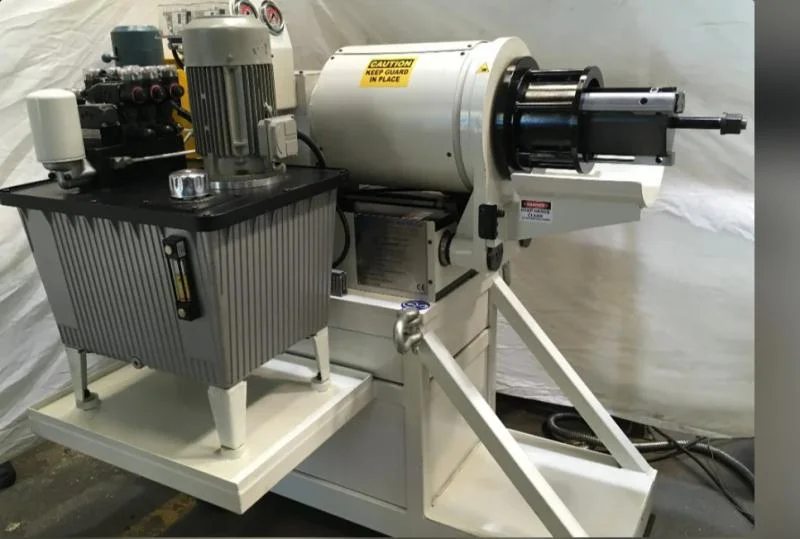
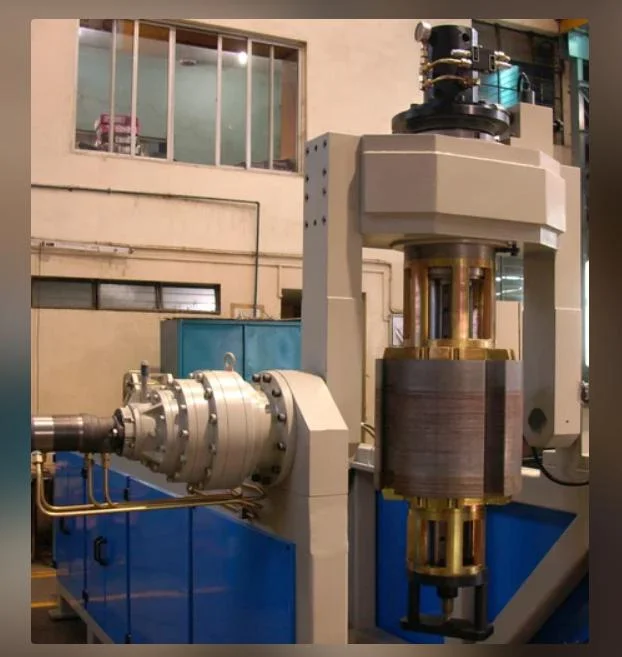
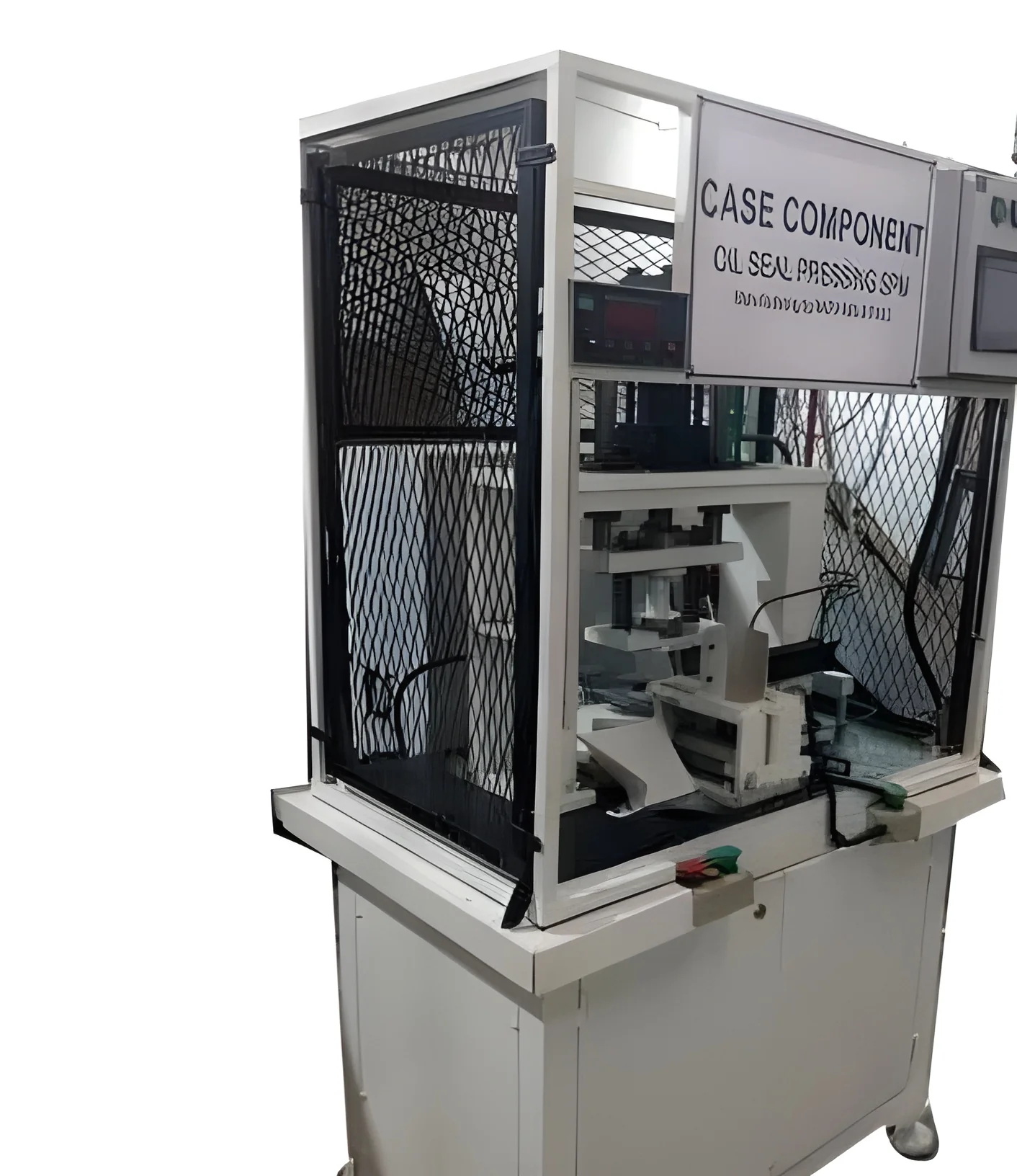
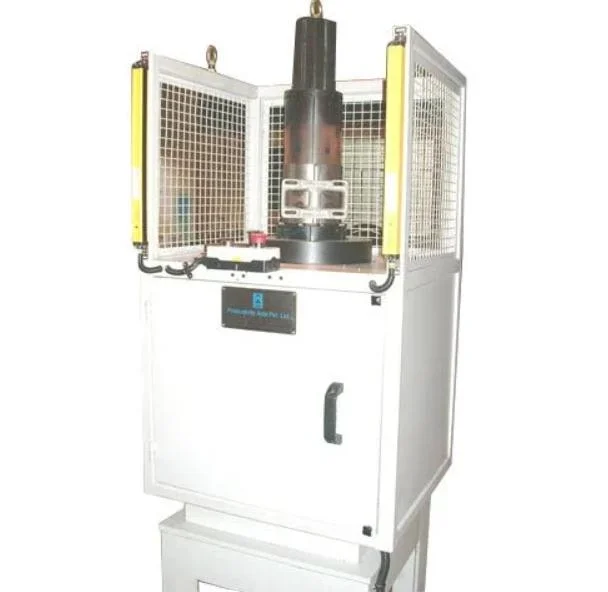
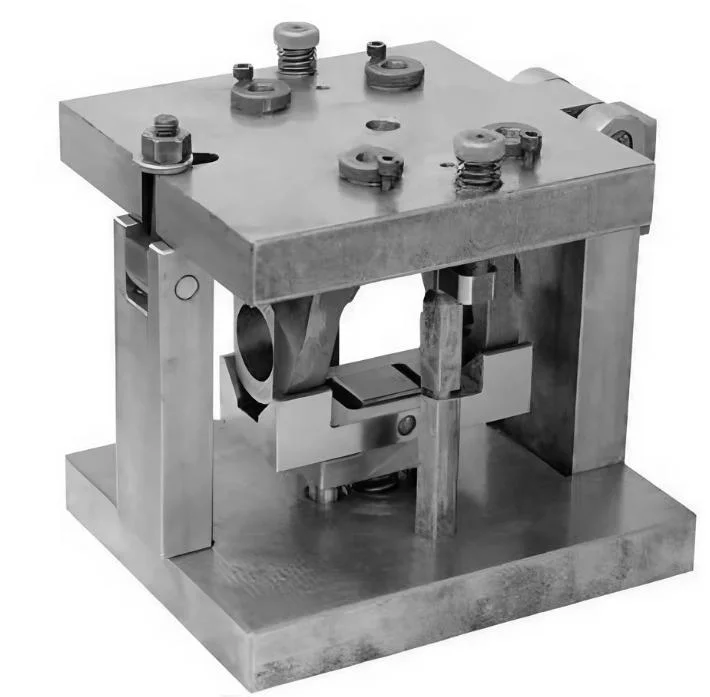
Jigs and fixtures are specialized workholding tools engineered to bring unparalleled precision, repeatability, and efficiency to manufacturing processes. They are custom-designed to locate, hold, and support a workpiece securely, guiding the tool for operations like drilling, milling, welding, or assembly. This eliminates variability, reduces setup time, and allows even semi-skilled operators to produce complex parts with consistent accuracy. Manufactured with strict quality control from selected materials, these tools are built to endure the rigors of daily industrial use, ensuring long-term reliability and a strong return on investment for production-focused businesses.

These precision tools are critical across a vast spectrum of industries. In automotive manufacturing, they are used for machining engine blocks and assembling transmission systems. The aerospace sector relies on them for fabricating high-tolerance components where safety is paramount. Electronics manufacturers use fi...
Jigs and fixtures are specialized workholding tools engineered to bring unparalleled precision, repeatability, and efficiency to manufacturing processes. They are custom-designed to locate, hold, and support a workpiece securely, guiding the tool for operations like drilling, milling, welding, or assembly. This eliminates variability, reduces setup time, and allows even semi-skilled operators to produce complex parts with consistent accuracy. Manufactured with strict quality control from selected materials, these tools are built to endure the rigors of daily industrial use, ensuring long-term reliability and a strong return on investment for production-focused businesses.

These precision tools are critical across a vast spectrum of industries. In automotive manufacturing, they are used for machining engine blocks and assembling transmission systems. The aerospace sector relies on them for fabricating high-tolerance components where safety is paramount. Electronics manufacturers use fixtures for assembling circuit boards and delicate devices, while general fabrication and heavy machinery shops employ them for welding frames and machining large parts. Essentially, any industry involved in metalworking, plastic fabrication, or precise mechanical assembly utilizes jigs and fixtures to enhance quality and throughput.

The business value of integrating high-quality jigs and fixtures is clear and measurable. They directly translate to reduced labor costs by simplifying complex tasks, slashing cycle times, and minimizing scrap due to human error. Their reliability ensures production schedules are met consistently, protecting your bottom line from costly delays. By guaranteeing part-to-part uniformity, they elevate your overall product quality, strengthening your market reputation. This investment in precision tooling future-proofs your operations, enabling scalable growth and providing a tangible competitive advantage through superior manufacturing capability.

Key Features:
- Precision Engineering: Designed and machined to exacting tolerances for accurate workpiece positioning and tool guidance.
- Robust Construction: Built from durable materials to withstand continuous use in demanding industrial environments.
- Enhanced Productivity: Dramatically reduces setup time and enables faster, more consistent production cycles.
- Improved Safety: Securely holds workpieces, minimizing operator handling and reducing the risk of workplace accidents.
- Versatile Design: Applicable for a wide range of operations including machining, assembly, welding, and inspection.

Benefits:
- Consistent Quality: Ensures every produced part meets identical specifications, eliminating defects and rework.
- Cost Reduction: Lowers per-unit costs by decreasing labor time, minimizing material waste, and reducing tool wear.
- Operator Efficiency: Simplifies complex tasks, allowing for faster training and less reliance on highly skilled labor.
- Scalable Production: Enables reliable high-volume output and makes scaling manufacturing capacity more manageable.
- Long-Term Reliability: Offers a durable, lasting solution that provides continuous value and a high return on investment.
Specifications
| Additional Information | |
|---|---|
| Country of Origin | 106 |
Application
Precision jigs and fixtures are fundamental tools in manufacturing, designed to securely hold, guide, and position workpieces during critical operations. They eliminate human error and ensure consistent output across machining, assembly lines, and quality inspection stations. Their robust construction withstands industrial environments, making them indispensable for repeatable, high-tolerance production processes.
These tools are versatile across sectors, from automotive part machining to electronics assembly and aerospace component fabrication. By providing a stable and precise reference point, they enable faster setup times, reduce operator fatigue, and minimize material waste. This versatility makes them a core investment for any operation focused on scalability, lean manufacturing, and maintaining stringent quality standards.
- Machining Centers: Used to securely clamp complex parts for milling, drilling, and turning operations, ensuring dimensional accuracy.
- Assembly Lines: Guide tools and components for rapid, error-free assembly of products like engines, appliances, or electronic devices.
- Quality Control: Serve as masters or holding fixtures for coordinate measuring machines (CMM) and visual inspection systems.
- Welding Shops: Position and hold multiple parts in perfect alignment for consistent, high-strength welds.
- Production Testing: Fixture products during functional, durability, or safety testing to simulate real-world conditions reliably.
Trade Details
| Available Stock | In Stock |
| Sample Availability | No |
Payment Terms
| Payment Terms |
|
Company Profile
Productivity Aids (P) Ltd, Maharashtra
 Maharashtra, India
Maharashtra, IndiaIndustrial Equipment & Machinery•Manufacturer
Factory Details
Factory SizeBelow 1000 sqm
Precision Jigs And Fixtures For Machining Assembly Inspection
Precision jigs and fixtures for machining, assembly, and inspection operations, engineered for durability and accuracy to enhance manufacturing productivity and quality control.
Min. Order Quantity: 1 piece
Shipping
Shipping fee and delivery date to be negotiated. Contact supplier now for more details.
Productivity Aids (P) Ltd
 Maharashtra, India
Maharashtra, IndiaIndustrial Equipment & MachineryManufacturer