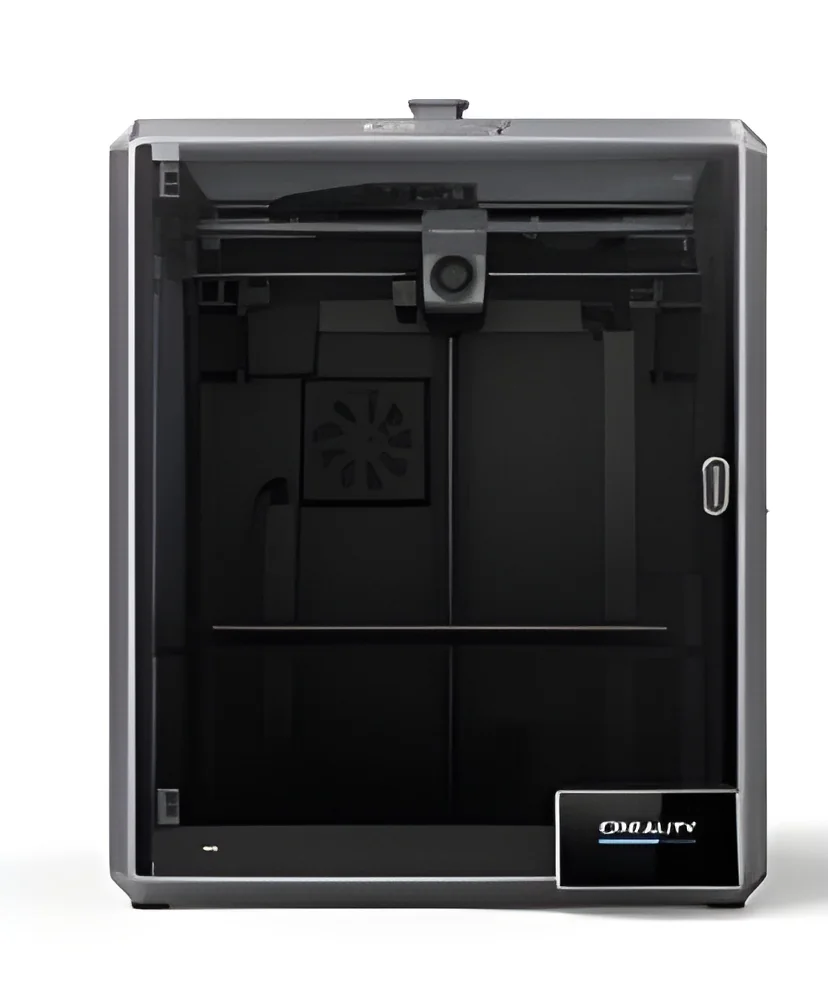
What are Product Design & Prototyping?
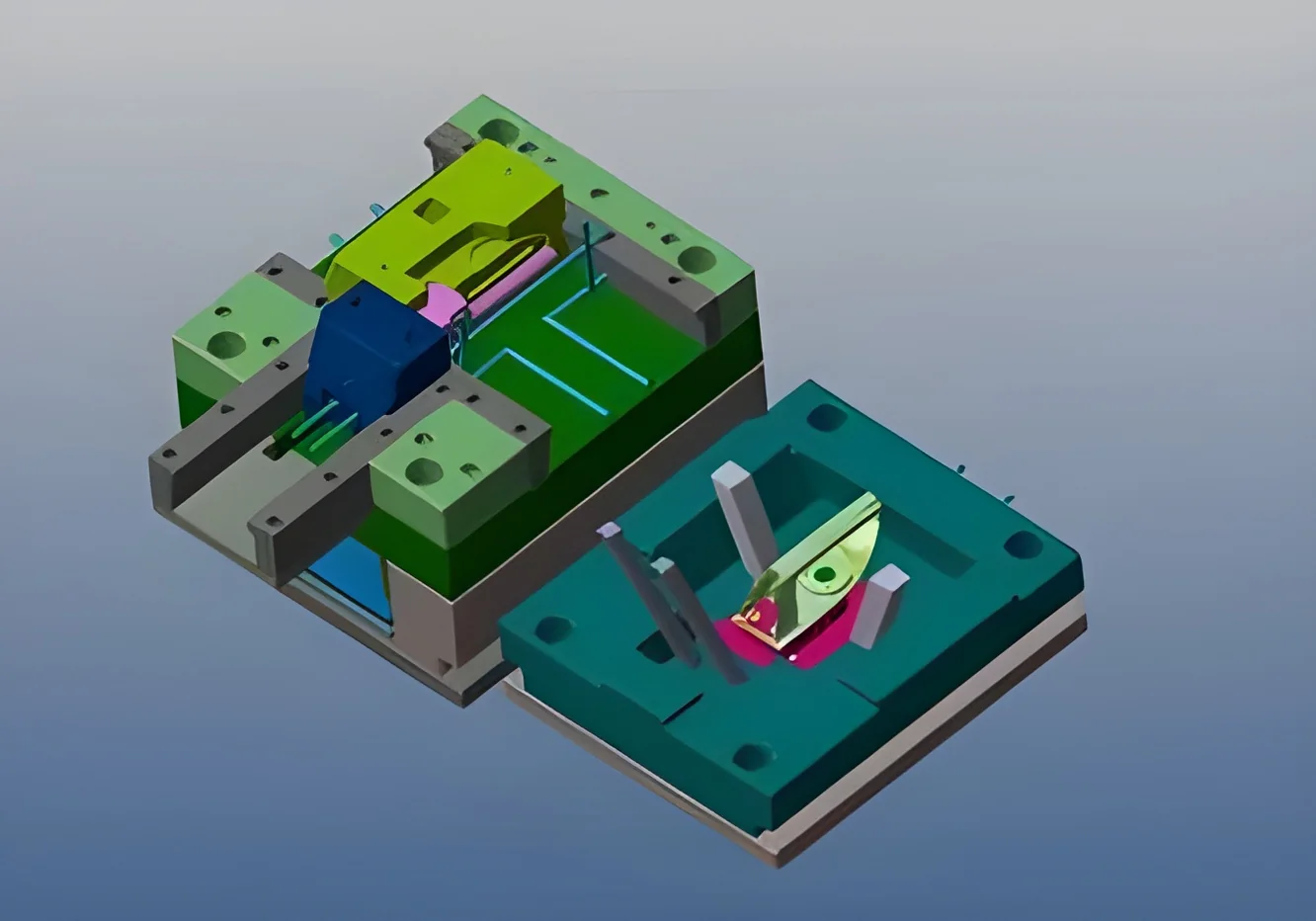
Product design and prototyping refer to the processes involved in developing new products and bringing them to market. This involves conceptualizing the product, creating detailed designs, and developing prototypes for testing and validation. The goal is to refine the product and ensure that it meets the intended specifications and user needs before full-scale production begins.
These processes are crucial for businesses looking to innovate and remain competitive. By utilizing product design and prototyping, companies can test ideas quickly and efficiently, reducing the time and cost associated with traditional manufacturing methods. This approach allows for the incorporation of feedback early in the development process, minimizing risks and enhancing the final product's quality.
In today's fast-paced market, product design and prototyping are relevant across various industries, including consumer electronics, automotive, and medical devices. The demand for rapid innovation and customization has led businesses to invest in these processes as a means to differentiate themselves and meet customer expectations.
Key Features and Specifications
Product design and prototyping services offer a range of features that cater to diverse business needs. These features enhance the efficiency and effectiveness of the development process.
Key specifications include:
1. Design Flexibility
- Allows for customization to meet specific client requirements.
- Supports various materials and technologies.
2. Rapid Prototyping
- Facilitates quick turnaround times for prototypes.
- Utilizes advanced techniques like 3D printing for faster iterations.
3. User-Centric Design
- Focuses on user experience and usability testing.
- Incorporates feedback from target users throughout the design phase.
4. Material Selection
- Offers a variety of materials to choose from based on functional requirements.
- Ensures compatibility with production methods.
5. CAD Modeling
- Utilizes Computer-Aided Design tools for precision and accuracy.
- Allows for easy modifications during the design process.
6. Production Readiness
- Prepares prototypes for transition to full-scale manufacturing.
- Includes considerations for manufacturability and scalability.
7. Testing and Validation
- Conducts thorough testing to ensure product viability.
- Addresses safety and compliance issues before market release.
These specifications highlight the capabilities of product design and prototyping services and their importance in modern product development.
Common Applications and Use Cases
Product design and prototyping find applications in numerous industries, enabling companies to develop innovative solutions.
1. Consumer Electronics: Prototyping allows for the quick testing of new gadgets and devices, ensuring that they meet user expectations and market demands.
2. Automotive: Designers create prototypes for new vehicle models to evaluate performance, aesthetics, and safety features before production.
3. Medical Devices: Prototyping is critical for developing medical instruments, ensuring they are functional, safe, and meet regulatory standards.
4. Aerospace: Product design and prototyping help in the development of aircraft components, focusing on precision and compliance with safety regulations.
5. Furniture Design: Prototyping enables designers to create and test furniture pieces, ensuring comfort and usability before final production.
6. Fashion and Apparel: Designers prototype garments to assess fit and style, allowing for adjustments based on consumer feedback.
7. Industrial Equipment: Prototyping helps in creating and refining machinery and tools, ensuring they meet operational efficiency and safety standards.
These applications illustrate the versatility and necessity of product design and prototyping across various sectors.
Product Variants and Subcategories
The diversity of product design and prototyping allows businesses to choose from various variants that suit their specific needs.
Rapid Prototyping Services
These services focus on quickly creating physical prototypes using technologies like 3D printing. They are ideal for businesses that need to test concepts without investing in extensive tooling.
Industrial Design Solutions
This variant emphasizes the functional and aesthetic aspects of a product, catering to industries that require a blend of usability and visual appeal.
Concept Development
Focused on the initial stages of product design, this service helps businesses explore ideas and develop them into tangible designs for further prototyping.
Virtual Prototyping
Utilizing software simulations, virtual prototyping allows for testing designs in a digital environment before physical models are created. This can save time and resources.
Benefits and Advantages
Investing in product design and prototyping offers several advantages that can significantly impact a business's success.
Key benefits include:
1. Cost Efficiency: By identifying design flaws early, businesses can avoid costly changes during production.
2. Faster Time to Market: Rapid prototyping accelerates the development process, enabling quicker product launches.
3. Enhanced Product Quality: Continuous testing and refinement lead to higher quality final products that meet customer expectations.
4. Improved Collaboration: Prototyping fosters better communication among teams, as stakeholders can visualize and provide feedback on designs.
5. Increased Innovation: The ability to test multiple concepts quickly encourages creative solutions and innovations.
6. Risk Mitigation: By validating designs before full-scale production, businesses can minimize risks associated with market failures.
These benefits highlight the strategic importance of product design and prototyping in achieving business objectives.
Buying Guide for B2B Buyers
When sourcing product design and prototyping services, businesses should consider various factors to ensure they choose the right partner.
1. Quality Assessment: Evaluate the quality of previous work by reviewing case studies and client testimonials. Ensure that the design processes meet industry standards.
2. Supplier Verification: Vet suppliers through background checks and industry certifications. This ensures they have the expertise and reliability needed for successful collaboration.
3. Pricing and MOQ: Understand the pricing structures and minimum order quantities required by potential suppliers. This helps in budgeting and planning for projects.
4. Delivery and Lead Times: Discuss timelines for prototype development and ensure they align with your project schedule. Delays can impact market entry.
5. Compliance Requirements: Make sure the supplier understands relevant regulations and standards that apply to your industry. Compliance is essential to avoid legal issues.
These considerations will aid B2B buyers in making informed decisions when selecting product design and prototyping services.
Compliance and Certifications
Compliance and certifications are crucial elements in the product design and prototyping industry. Adhering to recognized quality standards ensures that products meet both safety and performance expectations.
ISO 9001 is a widely recognized standard that outlines requirements for quality management systems. Companies involved in product design and prototyping often pursue this certification to demonstrate their commitment to quality and customer satisfaction.
In addition to ISO standards, CE certification is important for products intended for the European market. This certification indicates that a product complies with EU safety, health, and environmental protection standards.
Safety and testing requirements vary by industry, but they are essential to ensure that products are safe for consumers. Prototyping services should incorporate rigorous testing protocols to validate product designs.
Regional compliance considerations may also affect product design and prototyping services. Businesses must be aware of local regulations that govern product safety and quality to ensure that their products can be legally sold in their target markets.
Why Source Product Design & Prototyping from Pepagora?
Pepagora provides a trusted platform for sourcing product design and prototyping with several key advantages that set it apart from competitors.
Verified Supplier Network: Pepagora connects buyers with a network of verified suppliers. Each supplier undergoes a thorough vetting process to ensure they meet industry standards and deliver quality services. This gives businesses peace of mind when selecting partners for their projects.
Streamlined RFQ Process: The platform offers a streamlined Request for Quotation (RFQ) process, making it easier for buyers to communicate their needs and receive competitive quotes from multiple suppliers. This transparency encourages better pricing and service options.
Trade Assurance and Support: Pepagora prioritizes buyer protection through trade assurance programs. This includes support for resolving disputes and ensuring that suppliers deliver as promised. Buyers can engage with confidence, knowing that their investments are safeguarded.
Regional Coverage: With a presence in India, the GCC, and Southeast Asia, Pepagora offers extensive regional coverage. This geographical reach enables businesses to tap into local expertise and resources, enhancing their product design and prototyping capabilities.
By choosing Pepagora, businesses can access a robust ecosystem of suppliers and support services that foster successful product development and innovation.

 IN
IN