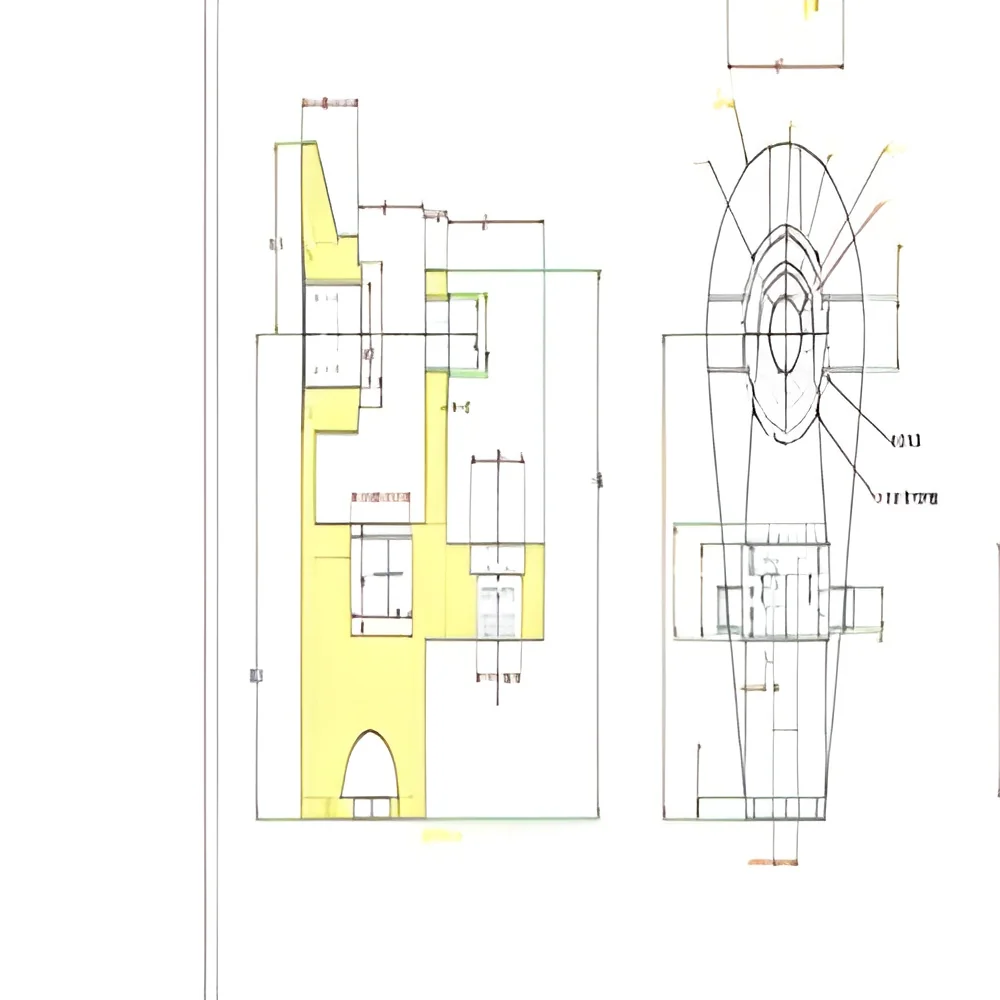
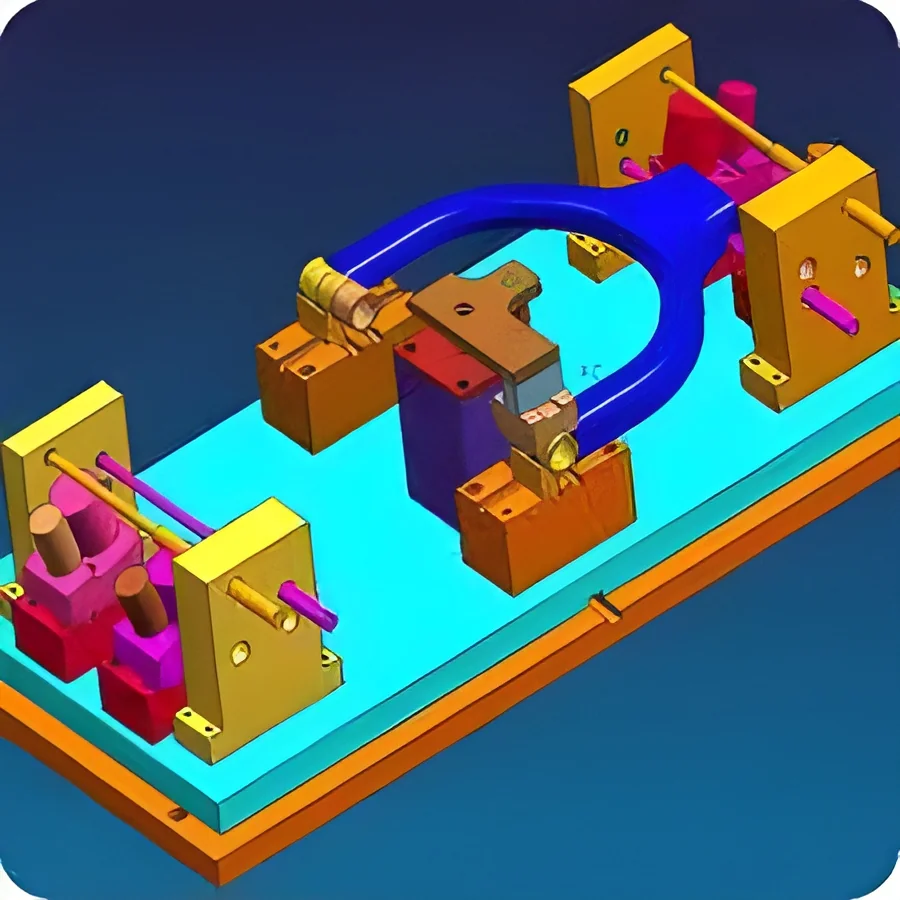
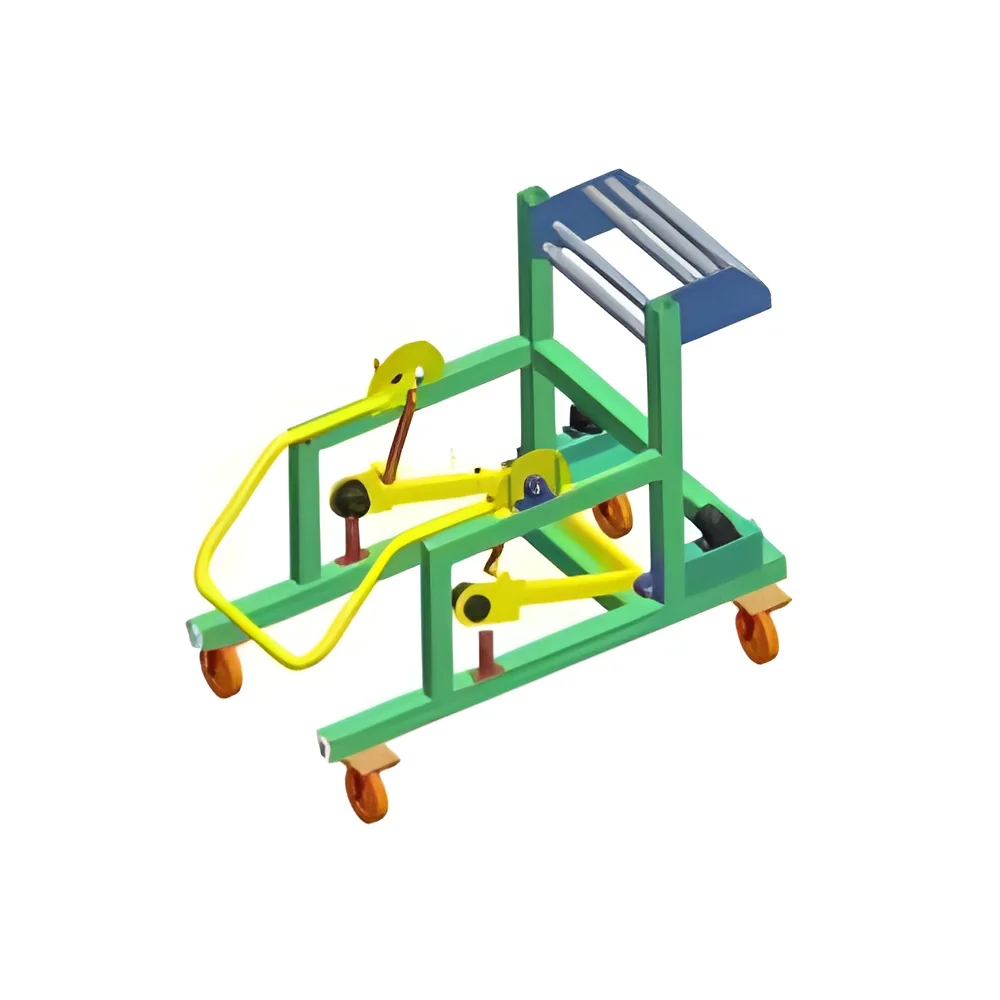
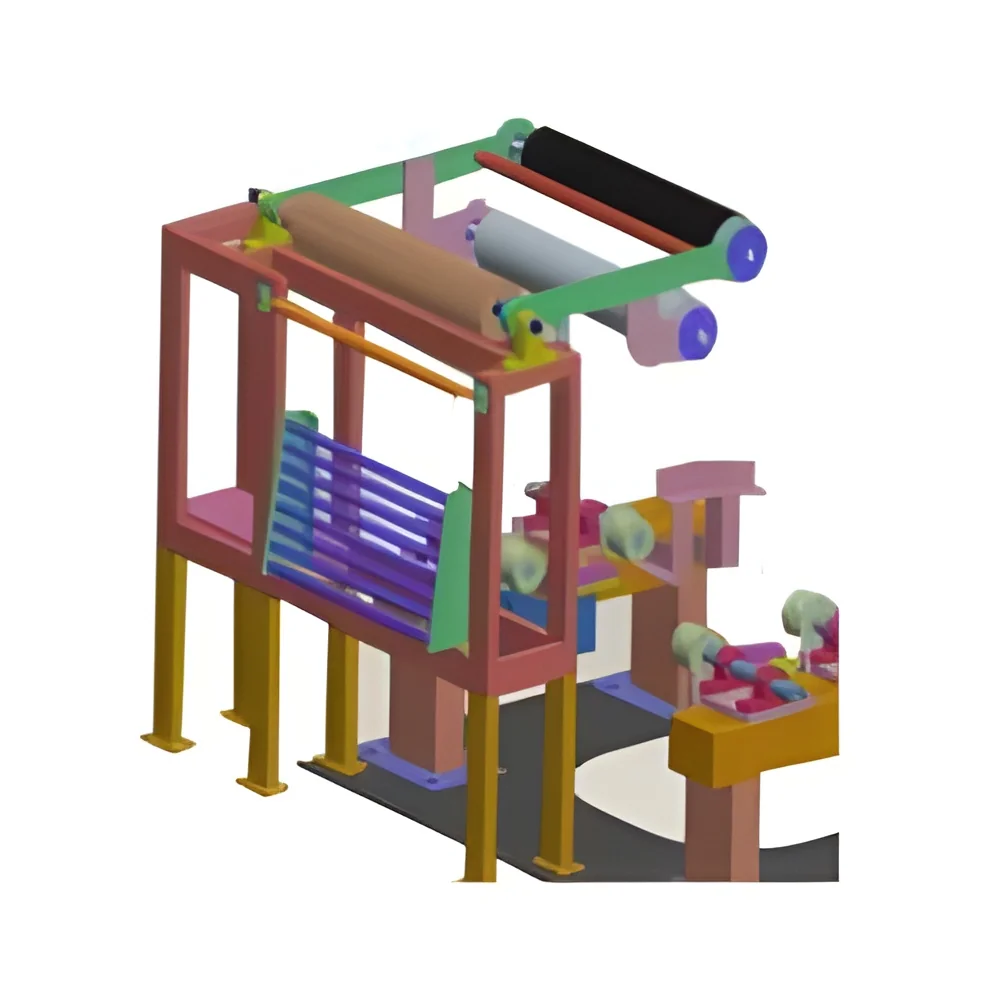
What are Industrial Design & Prototyping?
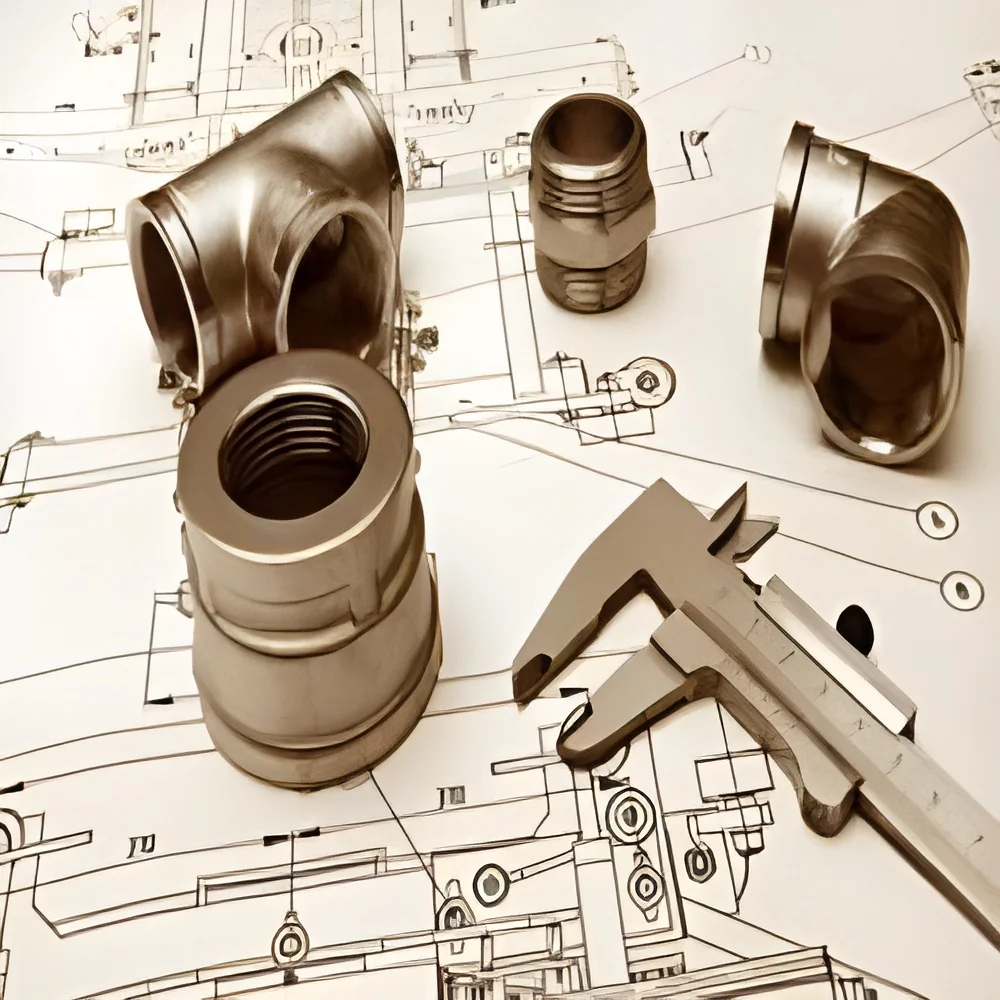
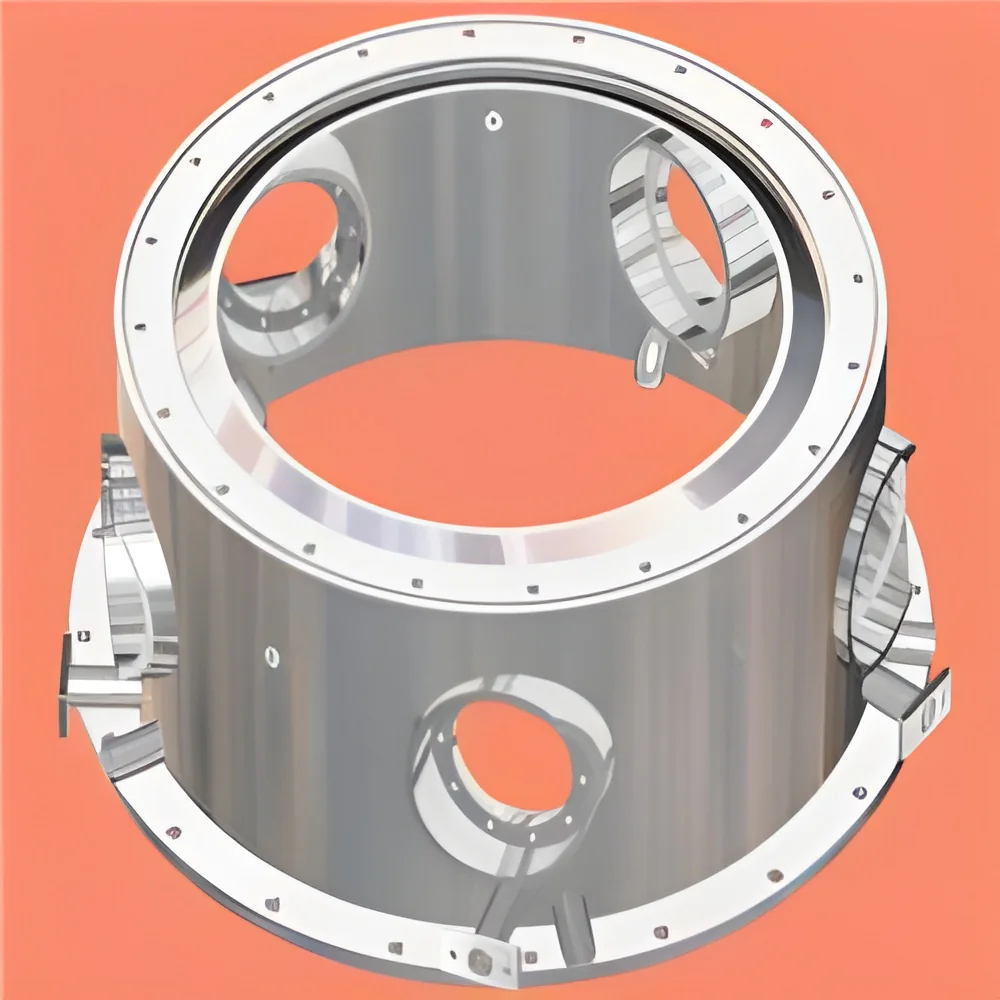
Industrial design and prototyping is a critical process in the development of new products and services. It involves the conceptualization, design, and creation of prototypes that enable businesses to visualize and test their ideas before full-scale production. This process combines aesthetics, usability, and functionality, ensuring that products not only meet market needs but also appeal to consumers.
The primary uses of industrial design and prototyping span various industries, including automotive, consumer electronics, medical devices, and more. Businesses leverage these services to accelerate product development, reduce costs, and improve overall quality. Prototyping allows companies to gather valuable feedback, iterate designs, and refine their offerings, ultimately leading to better market fit and increased customer satisfaction.
In today’s competitive landscape, the relevance of industrial design and prototyping is paramount. With rapid technological advancements and changing consumer preferences, companies must innovate continuously. The market for these services is growing, driven by the demand for customized solutions and the need for efficient product development cycles.
Key Features and Specifications
Industrial design and prototyping services encompass various features that cater to specific industry needs. These features ensure quality, efficiency, and effectiveness in product development.
Key specifications include:
1. Design Software Compatibility
- Compatibility with leading design software such as CAD, SolidWorks, and AutoCAD.
- Ensures seamless integration into existing workflows.
2. Material Selection
- Variety of materials available for prototyping, including plastics, metals, and composites.
- Ability to choose materials based on strength, weight, and cost considerations.
3. Rapid Prototyping Capabilities
- Techniques such as 3D printing, CNC machining, and injection molding.
- Enables quick turnaround times for prototype development.
4. Testing and Validation
- Services include functional testing, user testing, and compliance checks.
- Ensures that prototypes meet industry standards and customer expectations.
5. Customization Options
- Ability to tailor designs according to specific client requirements.
- Flexibility in design modifications throughout the prototyping phase.
6. Environmental Considerations
- Options for sustainable materials and eco-friendly processes.
- Addresses the growing demand for environmentally responsible product development.
7. Design Consultation
- Expert guidance throughout the design and prototyping process.
- Helps clients optimize designs for manufacturability and marketability.
8. Scalability
- Services can accommodate projects of varying sizes, from small batches to mass production.
- Ensures that businesses can scale their operations as needed.
In summary, industrial design and prototyping services offer a comprehensive suite of features that support businesses in developing innovative and market-ready products.
Common Applications and Use Cases
Industrial design and prototyping play a vital role across numerous sectors. This product serves various industries:
1. Automotive: Prototyping is crucial for developing new vehicle models, allowing manufacturers to test form, function, and safety features before production.
2. Consumer Electronics: Companies leverage design and prototyping to create user-friendly devices, focusing on ergonomics and aesthetics to enhance user experience.
3. Medical Devices: Prototyping in the medical field ensures that devices meet regulatory standards while addressing the specific needs of healthcare professionals and patients.
4. Furniture Design: Designers use prototyping to create functional and aesthetically pleasing furniture, allowing for adjustments based on user feedback.
5. Aerospace: Prototyping helps aerospace companies test new technologies and materials, ensuring safety and compliance with strict industry regulations.
6. Industrial Equipment: Custom prototyping allows manufacturers to develop specialized machinery that meets specific operational requirements.
7. Consumer Goods: Prototyping enables the development of innovative household products, ensuring that they are both functional and appealing to consumers.
Product Variants and Subcategories
The field of industrial design and prototyping encompasses a range of product variants tailored to different needs.
3D Printing Prototyping
This variant utilizes additive manufacturing techniques to create detailed prototypes quickly. It is ideal for complex designs and allows for rapid iteration.
CNC Machining Prototyping
This variant employs computer numerical control to produce precise prototypes from various materials. It offers high accuracy and is suitable for functional testing.
Injection Molding Prototyping
This method is used to create prototypes from injected plastic materials, providing a realistic feel and functionality for consumer product testing.
Vacuum Casting Prototyping
This variant allows for the production of silicone molds to create multiple prototypes. It is efficient for low-volume production runs.
Benefits and Advantages
Investing in industrial design and prototyping offers numerous advantages for businesses.
Key benefits include:
1. Accelerated Development: Prototyping reduces time-to-market by enabling rapid testing and iteration of designs.
2. Cost Efficiency: Early detection of design flaws helps prevent costly changes during full-scale production.
3. Enhanced Product Quality: Prototyping allows for thorough testing, ensuring that the final product meets quality standards and user expectations.
4. Improved Collaboration: Engaging stakeholders during the prototyping phase fosters better communication and alignment on project goals.
5. Increased Innovation: Access to advanced design tools and techniques encourages creative solutions and novel product concepts.
6. Market Validation: Prototypes enable businesses to gauge customer interest and gather feedback before committing to production.
Buying Guide for B2B Buyers
When sourcing industrial design and prototyping services, businesses should consider several key factors.
1. Quality Assessment: Evaluate the quality of previous designs and prototypes provided by the supplier. Look for case studies or samples that demonstrate their capabilities.
2. Supplier Verification: Conduct thorough due diligence on potential suppliers. Check references, reviews, and industry certifications to ensure reliability.
3. Pricing and MOQ: Understand the cost structure and minimum order quantities required by suppliers. This information is crucial for budgeting and planning.
4. Delivery and Lead Times: Inquire about the typical lead times for prototype development. Prompt delivery can significantly impact project timelines.
5. Compliance Requirements: Ensure that the supplier adheres to relevant industry standards and regulations. This is essential for products that require certification or testing.
Compliance and Certifications
Compliance with quality standards and industry certifications is essential in industrial design and prototyping.
Relevant quality standards include ISO 9001, which ensures effective quality management systems, and HACCP for food safety applications. Additionally, compliance with GDP guidelines is crucial for the pharmaceutical sector.
Industry certifications, such as CE marking, demonstrate that products meet European health, safety, and environmental protection requirements. This certification is vital for manufacturers looking to enter European markets.
Safety and testing requirements vary by industry but typically include performance testing, material safety assessments, and usability studies. Regional compliance considerations may also apply, depending on the target market.
Why Source Industrial Design & Prototyping from Pepagora?
Pepagora provides a trusted platform for sourcing industrial design and prototyping with several key advantages.
Verified Supplier Network: Pepagora connects buyers with a network of verified suppliers, ensuring that businesses engage with reputable partners who meet industry standards.
Streamlined RFQ Process: The platform offers a user-friendly request for quotation (RFQ) system that simplifies the process of obtaining quotes from multiple suppliers, saving time and effort for buyers.
Trade Assurance and Support: Pepagora provides buyer protection through trade assurance, ensuring that transactions are secure and that clients receive the support they need throughout the sourcing process.
Regional Coverage: With extensive reach in India, the GCC, and Southeast Asia, Pepagora facilitates access to a diverse range of suppliers and products, making it easier for businesses to find suitable partners for their design and prototyping needs.

 IN
IN