What are Electrical & Control Panel Design?
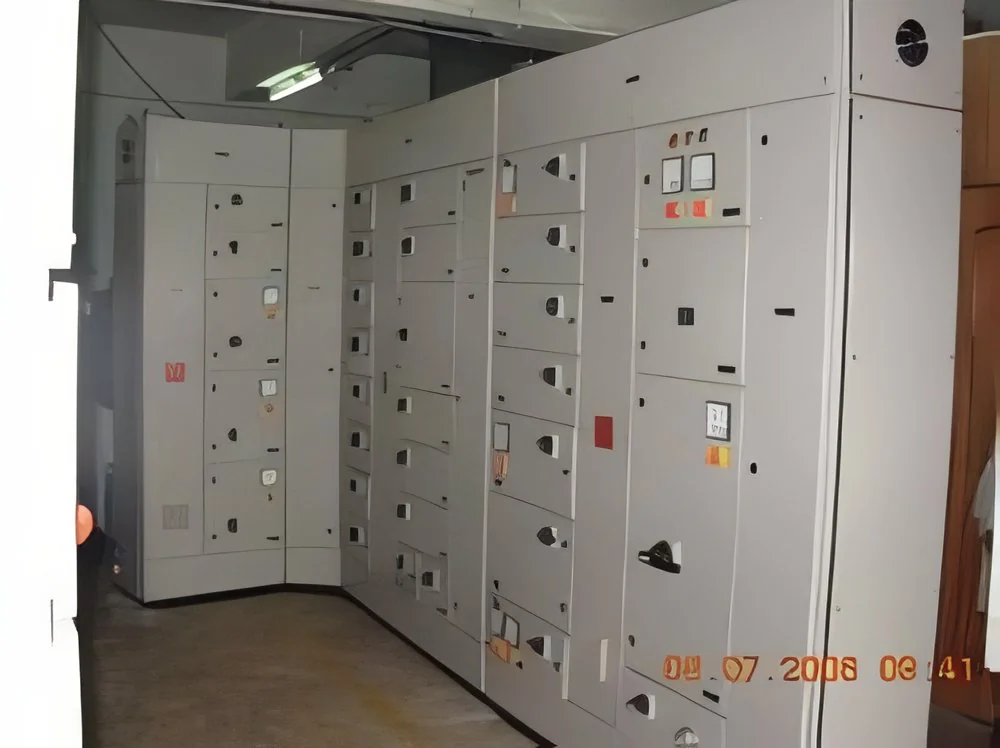
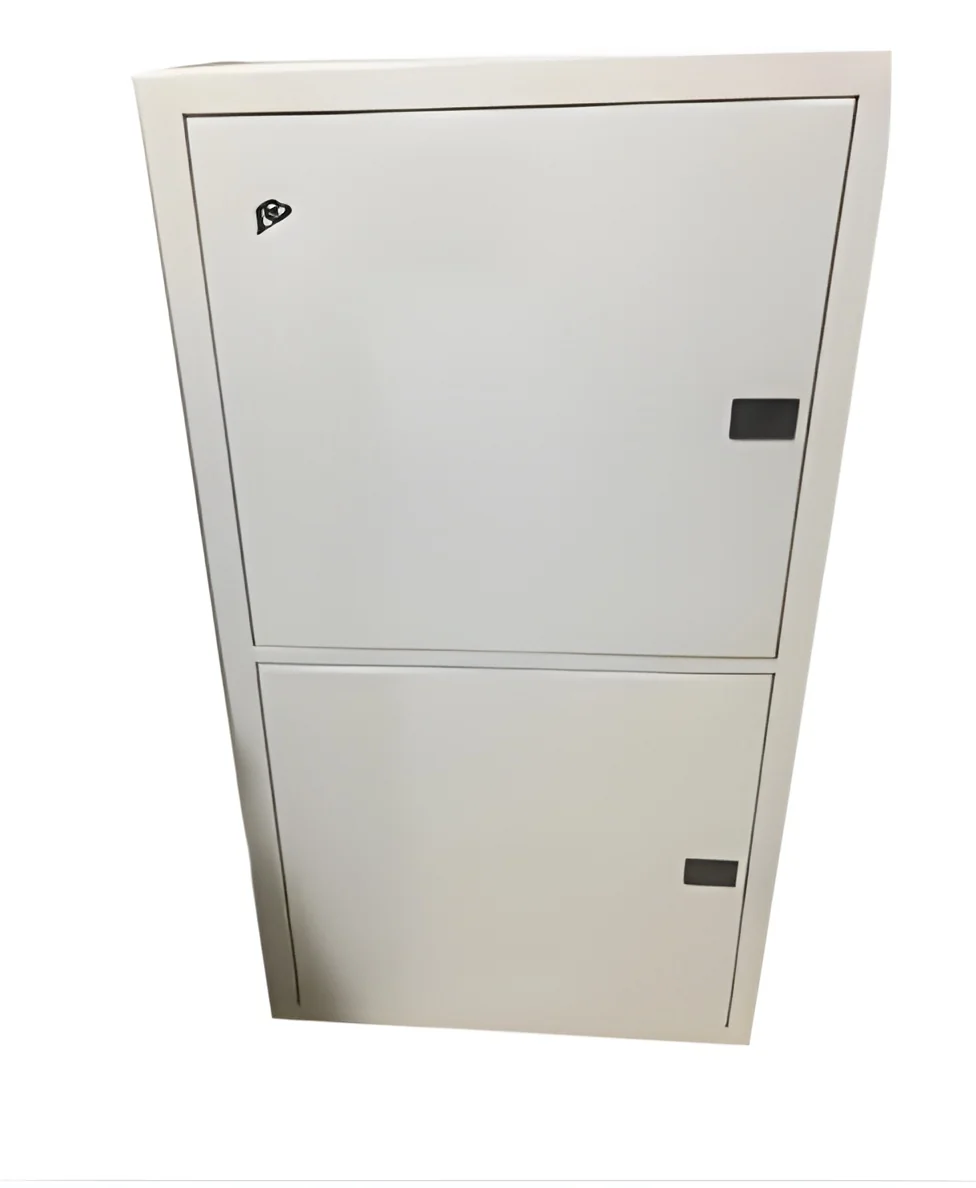
Electrical and control panel design refers to the process of creating systems that manage and distribute electrical power throughout various applications. These designs involve the integration of electrical components, wiring, control devices, and safety mechanisms within a panel to ensure efficient operation and monitoring of electrical systems. The aim is to provide a reliable framework that facilitates the control of machinery and other equipment.
In business contexts, electrical and control panels are crucial for automation, monitoring, and safe operation of industrial equipment. They are utilized in sectors such as manufacturing, energy, and construction, allowing organizations to streamline processes and enhance productivity. With advances in technology, these panels have become increasingly sophisticated, incorporating features like remote monitoring and diagnostics, which provide businesses with valuable data for operational efficiency.
The market for electrical and control panel design is growing, driven by the demand for automation and smart technologies. As industries continue to evolve, the relevance of these panels in ensuring safety and compliance with regulations becomes more pronounced, making them indispensable in modern operations.
Key Features and Specifications
Electrical and control panel designs come with a variety of features that enhance reliability and functionality. These specifications are critical for ensuring that the panels meet the requirements of different applications.
Key specifications include:
1. Voltage Rating
- Indicates the maximum voltage the panel can handle.
- Common ranges include low voltage (up to 1,000V) and medium voltage (1,000V to 35kV).
2. Current Rating
- Specifies the maximum current capacity, essential for load management.
- Typical ranges vary from 10A to several thousand amperes.
3. Protection Class
- Defines the level of protection against dust and moisture.
- Common classifications include IP54, IP65, and IP67, indicating varying degrees of ingress protection.
4. Material Construction
- Refers to the materials used for enclosures, such as steel or aluminum.
- Ensures durability and suitability for various environments, including harsh conditions.
5. Control Equipment
- Includes components like relays, contactors, and programmable logic controllers (PLCs).
- Essential for automating processes and ensuring efficient operation.
6. Cooling Mechanisms
- Details methods for heat management, such as ventilation or air conditioning.
- Critical for maintaining optimal operating temperatures within the panel.
7. Compliance Standards
- Aligns with industry standards, including CE marking for safety.
- Ensures panels meet regulatory requirements for operation.
8. Customization Options
- Availability of tailored designs to meet specific client needs.
- Involves adjustments in size, specifications, and features.
In summary, the specifications of electrical and control panels are vital for ensuring they meet industry standards and performance requirements, making it essential for buyers to understand these features when sourcing.
Common Applications and Use Cases
Electrical and control panels find applications across a wide range of industries, each with unique requirements.
1. Manufacturing: These panels are used to control machinery and automate production lines, increasing efficiency and reducing manual labor.
2. Energy: In power generation and distribution, control panels manage the flow of electricity, ensuring safe and reliable operations in power plants and substations.
3. Construction: Electrical panels are integral to construction sites for managing power distribution and ensuring compliance with safety regulations.
4. Water Treatment: Control panels regulate processes in water treatment facilities, monitoring chemical dosing and filtration systems.
5. HVAC Systems: Used to control heating, ventilation, and air conditioning systems in commercial buildings, improving energy efficiency and comfort.
6. Transportation: Electrical panels are utilized in traffic control systems, ensuring safe and efficient management of traffic signals and monitors.
7. Marine: Control panels are crucial in ships for managing onboard electrical systems, ensuring safety and operational efficiency.
Product Variants and Subcategories
Electrical and control panel designs can vary significantly to cater to different operational needs.
Custom Control Panels: These panels are tailored to specific business requirements, featuring unique configurations and components based on the client's operational needs.
Modular Control Panels: Designed for flexibility, these panels allow for easy expansion and modification, accommodating future changes in technology or operational demands.
Integrated Control Systems: These panels combine various controls into a single unit, enhancing functionality and simplifying installation.
Benefits and Advantages
Investing in high-quality electrical and control panel designs comes with numerous advantages.
Key benefits include:
1. Enhanced Efficiency: Optimized designs improve operational efficiency, enabling seamless control of machinery and processes.
2. Improved Safety: Incorporating safety features reduces the risk of accidents and ensures compliance with industry regulations.
3. Cost Savings: Streamlined operations lead to reduced energy consumption and lower operational costs.
4. Customization Flexibility: Tailored designs allow businesses to meet specific requirements and adapt to changing needs.
5. Reliability: High-quality materials and construction methods ensure long-lasting performance, minimizing downtime.
6. Easy Maintenance: Well-designed panels facilitate straightforward maintenance, reducing service interruptions and costs.
Buying Guide for B2B Buyers
When sourcing electrical and control panel design, several factors should be considered to ensure quality and suitability.
1. Quality Assessment: Evaluate panels based on their construction materials, compliance with industry standards, and reliability in operation.
2. Supplier Verification: Check the credentials of suppliers, looking for certifications and a proven track record in delivering quality products.
3. Pricing and MOQ: Consider the cost of panels in relation to your budget and look into minimum order quantities to ensure alignment with your purchasing strategy.
4. Delivery and Lead Times: Assess logistics capabilities to ensure timely delivery, which is crucial for project timelines and operational planning.
5. Compliance Requirements: Verify that the panels meet necessary regulatory standards for safety and performance within your industry.
Compliance and Certifications
Compliance with relevant standards is critical for electrical and control panel designs to ensure safety and reliability.
Key standards include ISO 9001, which focuses on quality management systems, ensuring that products meet customer and regulatory requirements. Additionally, HACCP (Hazard Analysis and Critical Control Points) standards are relevant in industries where product safety is paramount.
Industry certifications, such as CE marking, indicate conformity with European safety requirements, enhancing market access and consumer confidence.
Safety requirements often involve rigorous testing for electrical safety, thermal performance, and environmental resistance, ensuring that panels can withstand various operational conditions.
Regional compliance considerations may vary, so it is essential for businesses to understand the specific regulations applicable in their geographic markets.
Why Source Electrical & Control Panel Design from Pepagora?
Pepagora offers a reliable platform for sourcing electrical and control panel designs, featuring several advantages that make it an ideal choice for B2B buyers.
Verified Supplier Network: Pepagora connects buyers with a network of verified suppliers who adhere to quality standards, ensuring that businesses receive dependable and high-quality products.
Streamlined RFQ Process: The platform simplifies the request for quotation process, allowing buyers to efficiently obtain pricing and specifications from multiple suppliers, facilitating informed decision-making.
Trade Assurance and Support: Pepagora provides buyer protection through trade assurance, which safeguards transactions and ensures satisfaction with the procurement process.
Regional Coverage: With a strong presence in regions like India, GCC, and Southeast Asia, Pepagora offers extensive geographic reach, enabling buyers to access local and international suppliers for their electrical and control panel needs.

 IN
IN