What are Civil Engineering Consultancy?
Civil engineering consultancy refers to professional services provided by experts in the field of civil engineering. These services encompass a wide range of activities including project planning, design, management, and supervision of construction projects. Civil engineering consultants leverage their expertise to guide clients through complex projects, ensuring compliance with regulations and standards while optimizing resources and timelines.
This type of consultancy is crucial in various sectors such as infrastructure development, urban planning, and environmental management. It supports public and private sector projects, addressing issues from feasibility studies and site assessments to structural design and safety evaluations. Civil engineering consultants work closely with architects, contractors, and government bodies to deliver projects that meet both functional and aesthetic requirements.
In today's market, civil engineering consultancy plays a vital role in advancing sustainable development. With increasing urbanization and environmental concerns, these consultants provide innovative solutions that cater to modern demands. Their insights help clients navigate challenges and contribute to the overall growth of the construction industry.
Key Features and Specifications
Civil engineering consultancy services are characterized by a variety of key features that enhance project efficiency and quality. These specifications ensure that consultants deliver optimal solutions tailored to client needs.
Key specifications include:
1. Project Management Expertise
- Comprehensive management of project timelines, budgets, and resources
- Use of advanced project management tools and methodologies
2. Design and Analysis Capabilities
- Proficient in structural, geotechnical, and environmental engineering designs
- Application of computer-aided design (CAD) software and modeling techniques
3. Regulatory Compliance
- Knowledge of local, national, and international building codes and regulations
- Assistance in obtaining necessary permits and approvals
4. Risk Assessment and Mitigation
- Identification and evaluation of potential project risks
- Development of strategies to minimize impact on project outcomes
5. Sustainability Practices
- Incorporation of eco-friendly materials and methods in project design
- Commitment to reducing environmental impact and promoting sustainability
6. Technical Support and Advisory
- Ongoing consultation throughout project lifecycle
- Provision of expert advice on technical challenges and solutions
7. Quality Assurance and Control
- Implementation of rigorous quality control measures during project execution
- Regular inspections and assessments to ensure compliance with standards
8. Cost Estimation and Financial Planning
- Detailed financial analysis and cost estimation for projects
- Assistance in budget management and financial planning
This comprehensive range of features enables civil engineering consultancy to deliver effective solutions that meet diverse client requirements and project demands.
Common Applications and Use Cases
Civil engineering consultancy serves a broad spectrum of industries, each with specific applications that leverage the expertise of consultants.
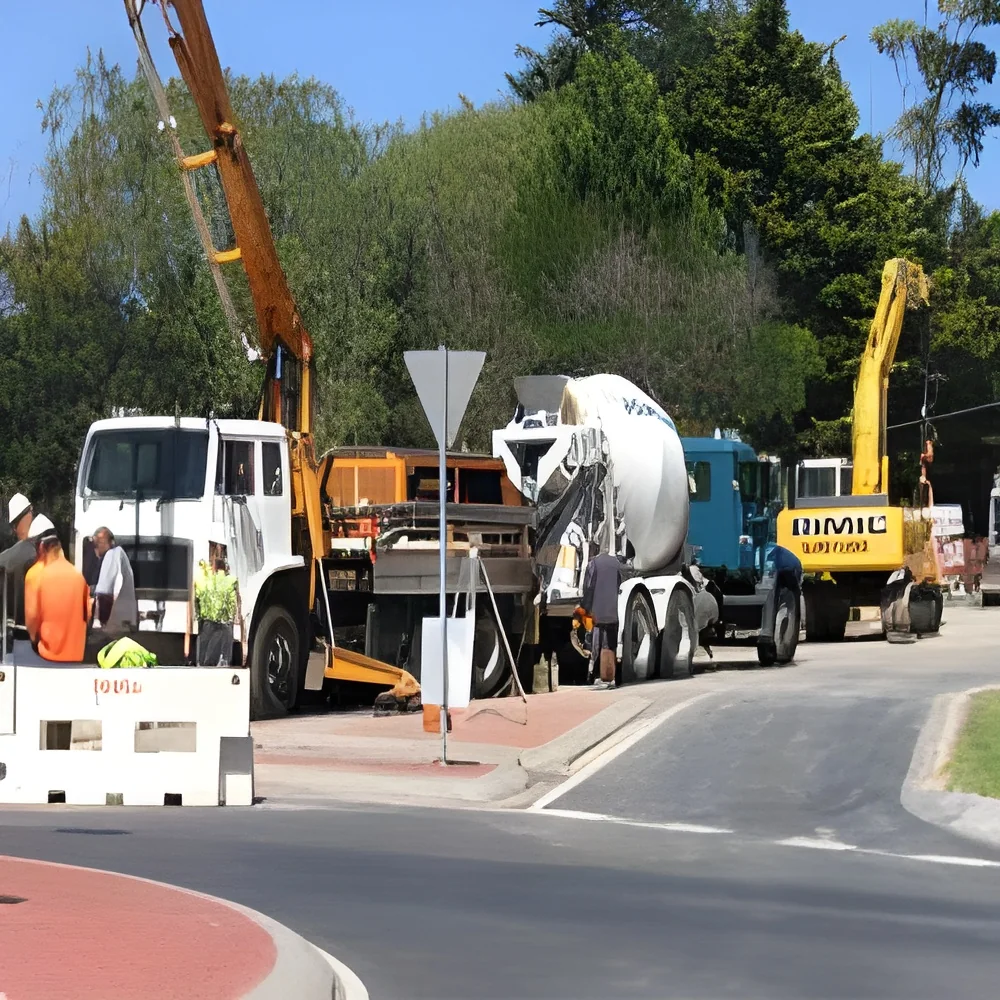
1. Construction Industry: Consultants provide essential services in project planning, design, and oversight of residential, commercial, and industrial construction projects.
2. Transportation Sector: They assist in the design and management of transportation infrastructure, including roads, bridges, and railways, ensuring safety and efficiency.
3. Environmental Sector: Consultants evaluate and mitigate environmental impacts of construction projects, providing solutions for waste management and pollution control.
4. Urban Development: In urban planning, they contribute to the design of public spaces, zoning regulations, and infrastructure improvements to enhance livability.
5. Water Resources Management: Consultants offer expertise in water supply systems, drainage solutions, and flood control measures to ensure sustainable water management.
6. Energy Sector: They support the development of renewable energy projects, including wind farms and solar installations, ensuring compliance with environmental standards.
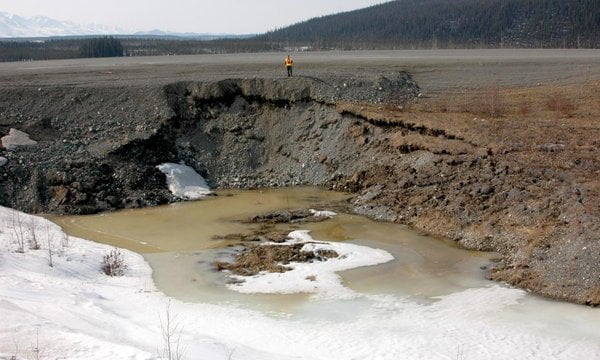
7. Mining and Resources: Consultants provide assessments and designs for mining operations, focusing on safety, environmental impact, and resource management.
Product Variants and Subcategories
Civil engineering consultancy encompasses a diverse range of services tailored to various project needs. Each service variant addresses specific requirements within the broader civil engineering domain.
Structural Engineering Consultancy
This variant focuses on the design and analysis of structures such as buildings, bridges, and dams. It ensures structural integrity and compliance with safety regulations through advanced engineering techniques.
Geotechnical Engineering Consultancy
This service specializes in soil and rock mechanics, providing critical assessments for foundation design, slope stability, and underground construction. It addresses site-specific challenges to enhance project safety.
Environmental Engineering Consultancy
Focusing on environmental impact assessments, this variant helps clients navigate regulations and implement sustainable practices. It includes services for pollution control, waste management, and resource conservation.
Transportation Engineering Consultancy
Consultants in this field design and manage transportation systems, optimizing traffic flow and safety. They work on projects involving highways, transit systems, and pedestrian pathways.
Benefits and Advantages
Engaging with civil engineering consultancy brings numerous advantages to businesses and organizations. These benefits enhance project outcomes and streamline processes.
1. Expert Guidance: Clients gain access to specialized knowledge and experience, ensuring informed decision-making throughout the project lifecycle.
2. Improved Efficiency: Consultants help optimize project timelines and resource allocation, resulting in cost savings and timely completion.
3. Risk Management: Through thorough assessments, consultants identify potential risks and develop mitigation strategies, reducing the likelihood of project delays or failures.
4. Regulatory Compliance: Consultancy services ensure adherence to all relevant regulations and standards, minimizing legal challenges and penalties.
5. Enhanced Quality: With stringent quality control practices, civil engineering consultants maintain high standards of work, leading to better project outcomes.
6. Sustainable Solutions: Consultants promote environmentally friendly practices, contributing to sustainable development and reducing the ecological footprint of projects.
Buying Guide for B2B Buyers
When sourcing civil engineering consultancy, it is essential for B2B buyers to consider several key factors to ensure they select the right partner.
1. Quality Assessment: Evaluate the consultant's track record, client testimonials, and project portfolios to ensure they meet industry standards and expectations.
2. Supplier Verification: Conduct thorough background checks on potential consultants, including their qualifications, certifications, and experience in relevant projects.
3. Pricing and MOQ: Understand the pricing structures and minimum order quantities to ensure that the consultancy services align with your budget and project scale.
4. Delivery and Lead Times: Inquire about the expected timelines for project deliverables to ensure they meet your project schedule and deadlines.
5. Compliance Requirements: Ensure that the consultancy adheres to all relevant regulatory and safety standards to avoid potential legal issues.
Compliance and Certifications
Civil engineering consultancy is governed by various compliance standards and certifications that ensure quality and safety in project execution.
Key quality standards include ISO 9001, which outlines requirements for a quality management system, ensuring consistent service delivery. Additionally, adherence to HACCP and GDP standards further enhances project safety and reliability.
Industry certifications such as CE and UL signify compliance with safety and performance standards in different regions. These certifications help clients assess the credibility and reliability of consultancy services.
Safety and testing requirements are paramount in civil engineering projects. Consultants must follow rigorous protocols to ensure that designs and materials meet safety standards.
It is also important to consider regional compliance requirements, as regulations can vary significantly across different jurisdictions. This understanding is crucial for successful project execution.
Why Source Civil Engineering Consultancy from Pepagora?
Pepagora offers a reliable platform for sourcing civil engineering consultancy, providing several key advantages for businesses.
Verified Supplier Network: Pepagora connects buyers with a vetted network of suppliers. Each consultant is thoroughly evaluated to ensure they meet industry standards and client expectations.
Streamlined RFQ Process: The platform facilitates an efficient request for quotation (RFQ) process, allowing buyers to receive competitive bids from multiple consultants quickly.
Trade Assurance and Support: Pepagora offers buyer protection through trade assurance policies. This support ensures that clients receive quality services as promised.
Regional Coverage: With a geographic reach spanning India, the GCC, and Southeast Asia, Pepagora connects clients with local consultants who understand regional requirements and conditions.
By choosing Pepagora, businesses can confidently engage with civil engineering consultancy services that are tailored to their specific needs and project goals.

 IN
IN