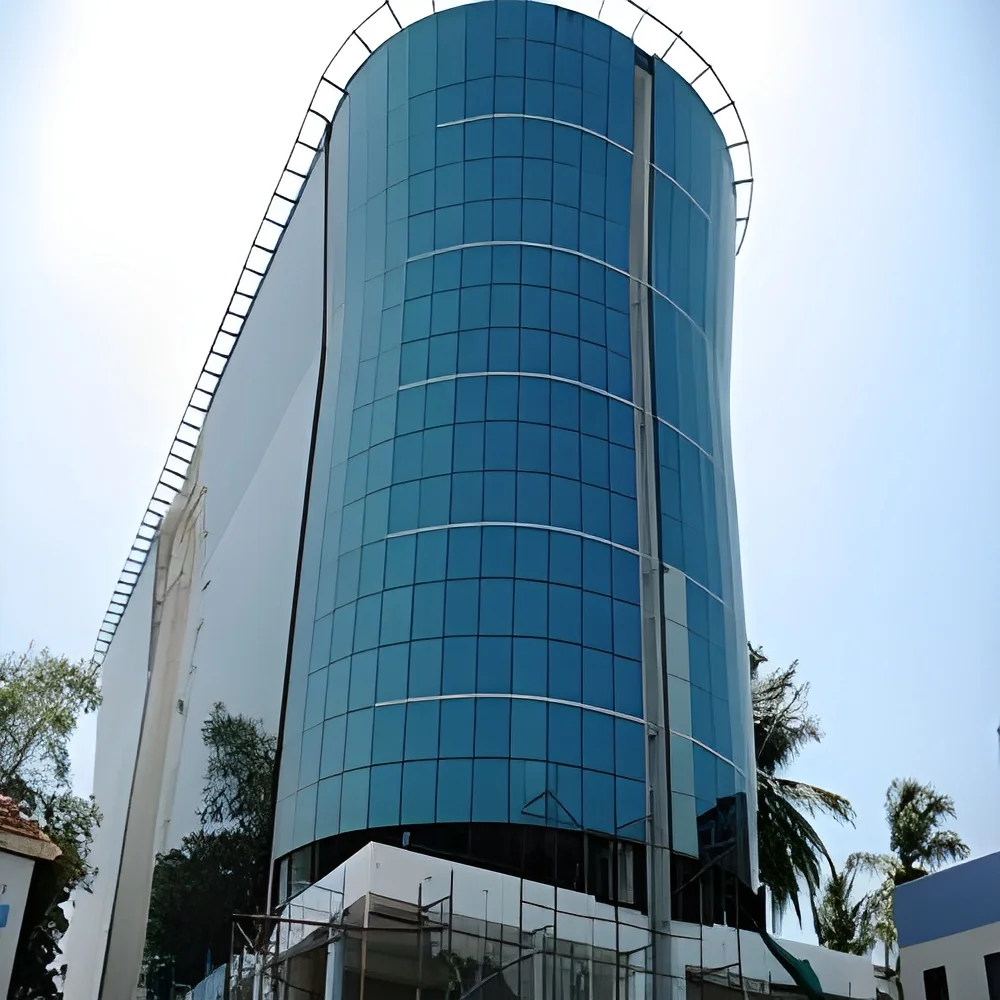
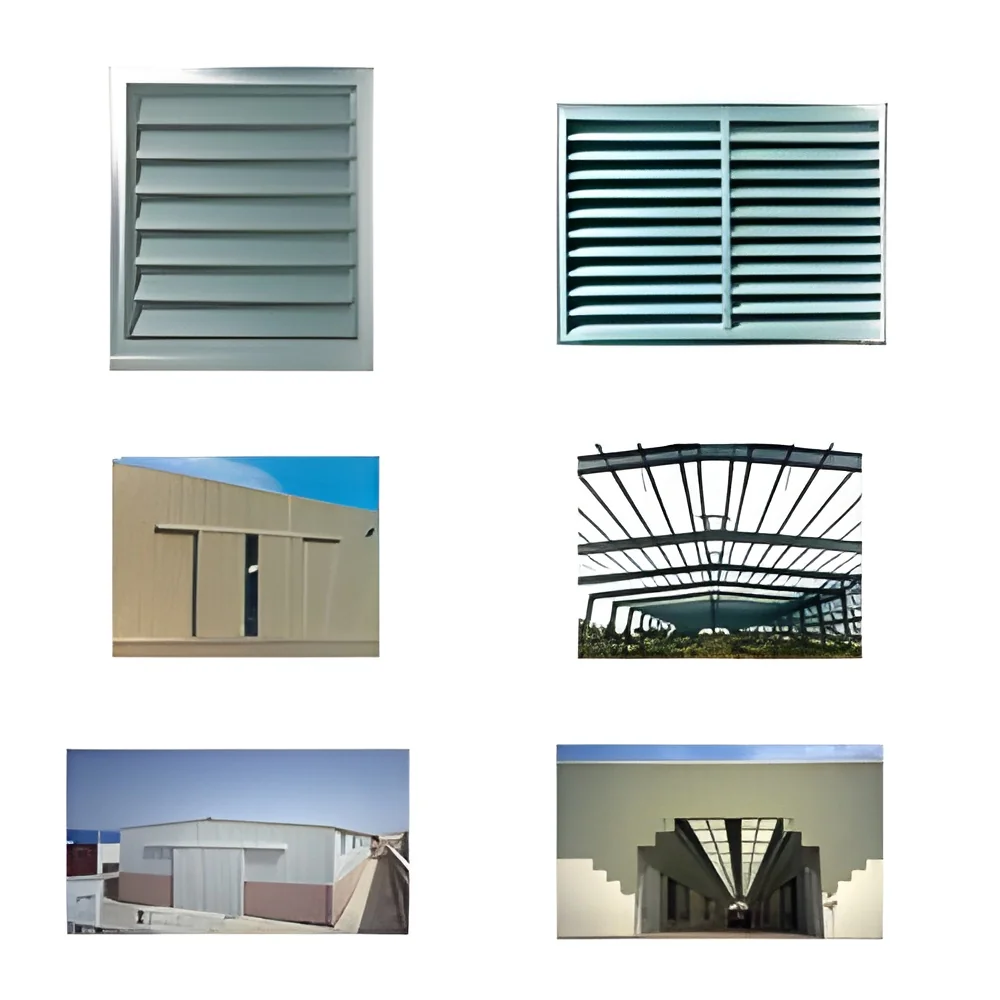
Key Features and Specifications
Pre-Engineered Building (PEB) Design offers numerous features that make it appealing to various industries. These buildings are engineered for durability, energy efficiency, and cost-effectiveness. They typically involve a collaborative design process that ensures the structures meet the specific requirements of the client.
Key specifications include:
1. Structural Frame
- Made from high-strength steel for superior durability
- Designed to withstand various loads and environmental conditions
2. Roof Systems
- Available in different styles, including sloped and flat
- Insulated panels for energy efficiency and temperature control
3. Wall Systems
- Composed of insulated or non-insulated panels
- Customizable finishes to meet aesthetic and functional needs
4. Foundation Types
- Options for concrete or steel foundations
- Designed to accommodate site-specific conditions
5. Span Options
- Wide span capabilities for open interior spaces
- Customizable based on project requirements
6. Fastening and Connection Systems
- Utilizes bolts and welds for secure assembly
- Ensures structural integrity and stability
7. Energy Efficiency Features
- Options for insulation and energy-efficient roofing materials
- Compliance with energy codes for sustainable construction
8. Compliance and Safety Standards
- Designed to meet local building codes and regulations
- Regular inspections and quality assessments during manufacture
In summary, PEB Design offers a versatile and efficient building solution, featuring a range of customizable specifications tailored to meet various business needs.
Common Applications and Use Cases
Pre-Engineered Building (PEB) Design finds applications across multiple industries, making it a versatile choice for construction projects.
1. Manufacturing: PEB is commonly used for factories and manufacturing plants due to its quick assembly and customizable layouts, allowing for efficient production flow.
2. Warehousing: The large open spaces provided by PEB structures make them ideal for storage facilities, enabling high stacking and easy access to goods.
3. Retail: Many retail businesses utilize PEB for showrooms and retail spaces, benefiting from the flexibility in design and quick construction timelines.
4. Hospitality: Hotels and resorts increasingly turn to PEB for their construction needs, taking advantage of the speed and cost-effectiveness of modular designs.
5. Sports Facilities: PEB is also used in constructing sports complexes, arenas, and gymnasiums, offering large unobstructed spaces suitable for various activities.
6. Agriculture: Agricultural buildings such as barns and storage for equipment are often constructed using PEB, as they provide durability against harsh weather conditions.
7. Educational Institutions: Schools and colleges utilize PEB for classrooms and administrative buildings, allowing for rapid expansion and modernization.
Product Variants and Subcategories
Pre-Engineered Building (PEB) Design encompasses a variety of subcategories tailored to specific needs and industries. Each variant offers unique features and applications.
Steel Frame Buildings
These are characterized by a robust steel structure that can support heavy loads. They are suitable for industrial applications like manufacturing plants and warehouses.
Modular Buildings
Modular PEB allows for easy expansion and reconfiguration. They are ideal for temporary installations, such as site offices or additional classrooms.
Customized Solutions
Clients can opt for fully customized PEB solutions designed to meet specific aesthetic and functional requirements. These are often used in specialized applications, such as healthcare or retail.
Benefits and Advantages
The use of Pre-Engineered Building (PEB) Design presents numerous benefits for businesses seeking efficient construction solutions.
1. Cost Efficiency: PEB reduces construction costs by minimizing labor and material waste, leading to significant savings.
2. Speed of Construction: With factory manufacturing and quick assembly on-site, PEB allows for faster project completion, enabling businesses to start operations sooner.
3. Design Flexibility: PEB can be tailored to meet specific project requirements, including layout, dimensions, and exterior finishes.
4. Durability: Constructed from high-strength materials, PEB structures are built to last, withstanding various environmental conditions.
5. Energy Efficiency: Many PEB designs incorporate insulation and energy-saving materials, reducing operational costs and environmental impact.
6. Low Maintenance: The materials used in PEB are resistant to corrosion and require less maintenance compared to traditional buildings, ensuring long-term performance.
Buying Guide for B2B Buyers
When sourcing Pre-Engineered Building (PEB) Design, it is crucial for businesses to consider several key factors to ensure the right fit for their needs.
1. Quality Assessment: Evaluate the quality of materials and construction practices. Look for suppliers that adhere to recognized standards and have a proven track record.
2. Supplier Verification: Vet potential suppliers to ensure they have the necessary experience and credentials. Check references and previous project portfolios.
3. Pricing and MOQ: Understand the pricing structures and minimum order quantities (MOQ) required by suppliers. Compare quotes to find the best value.
4. Delivery and Lead Times: Inquire about delivery schedules and lead times. Timely delivery is essential to avoid project delays.
5. Compliance Requirements: Ensure that the PEB design complies with local regulations and industry standards. This may include safety, environmental, and building codes.
Compliance and Certifications
Pre-Engineered Building (PEB) Design must adhere to several quality standards and certifications to ensure safety and reliability. Key standards include ISO 9001, which focuses on quality management systems, and HACCP, which outlines safety protocols for food-related facilities.
Industry certifications such as CE demonstrate compliance with European safety and environmental requirements. This certification is crucial for projects intended for the European market.
Safety and testing requirements are also essential, as they ensure that structures can withstand specified loads and environmental conditions. Businesses must also consider regional compliance, as different areas may have specific building regulations and standards that affect PEB design.
Why Source Pre-Engineered Building (PEB) Design from Pepagora?
Pepagora is an established platform for sourcing Pre-Engineered Building (PEB) Design, offering several advantages to B2B buyers.
Verified Supplier Network: Pepagora provides access to a network of verified suppliers, ensuring that businesses can source high-quality products from reputable manufacturers.
Streamlined RFQ Process: The platform simplifies the request for quotation (RFQ) process, allowing buyers to easily compare offers and select the best supplier for their needs.
Trade Assurance and Support: Pepagora offers buyer protection through trade assurance, ensuring that transactions are secure and disputes can be resolved effectively.
Regional Coverage: With a strong presence in India, the GCC, and Southeast Asia, Pepagora connects buyers with local suppliers, facilitating efficient sourcing and reducing lead times for PEB projects.

 IN
IN