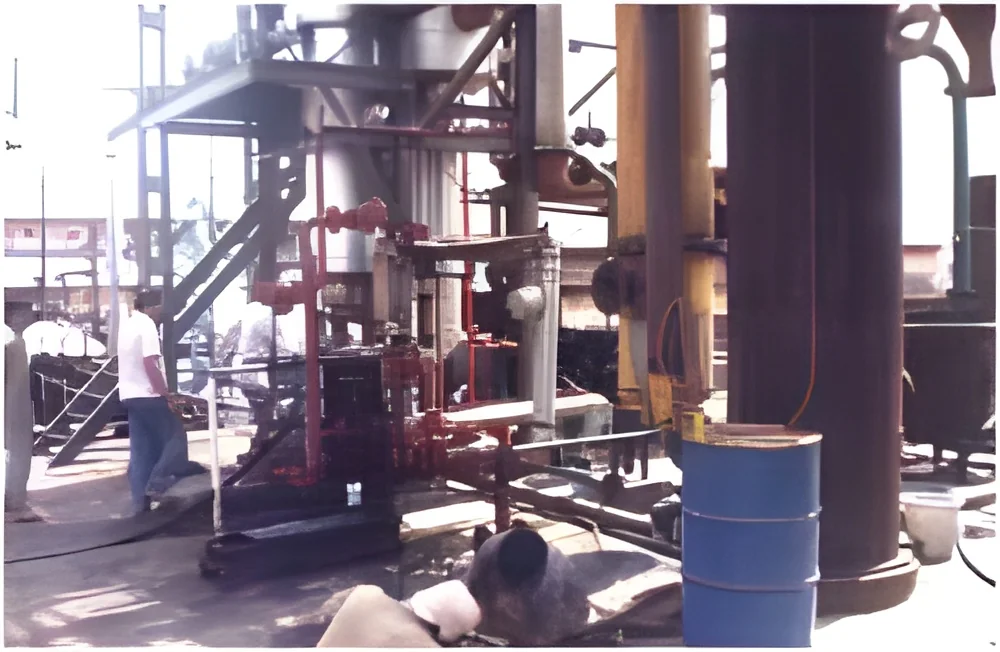
What are Technical Feasibility Studies?
Technical Feasibility Studies are comprehensive analyses that evaluate the practicality of a proposed project or system. These studies assess various technical aspects, including the technology, resources, and methodologies required to execute a project successfully. They aim to identify potential challenges and determine whether a project is viable before significant resources are committed.
These studies have primary applications in industries such as construction, engineering, and technology development. Businesses utilize these assessments to ensure that their projects align with technical capabilities, budget constraints, and timeline requirements. By conducting a Technical Feasibility Study, organizations can make informed decisions regarding project initiation and development, mitigating risks associated with unsuccessful implementation.
In the current market, Technical Feasibility Studies hold significant relevance across various sectors. As industries increasingly focus on innovation and technological advancement, these studies provide critical insights into the feasibility of new projects. Companies are better positioned to allocate resources efficiently and develop strategies that align with their operational goals.
Key Features and Specifications
Technical Feasibility Studies are characterized by several key features that enhance their utility and effectiveness. These specifications ensure that the studies are thorough and aligned with industry standards.
Key specifications include:
1. Comprehensive Analysis
- In-depth evaluation of technical requirements, resources, and methodologies.
- Identification of potential risks and challenges.
2. Cost Estimation
- Detailed financial analysis to project costs involved in project execution.
- Assessment of return on investment (ROI) based on project viability.
3. Resource Assessment
- Evaluation of necessary resources, including technology, manpower, and materials.
- Identification of gaps in current capabilities that need to be addressed.
4. Timeline Evaluation
- Estimation of project timelines and key milestones.
- Assessment of any time-related constraints that may affect project execution.
5. Stakeholder Impact
- Analysis of how the project will affect various stakeholders.
- Consideration of stakeholder needs and expectations.
6. Compliance Considerations
- Evaluation of relevant regulatory and compliance requirements.
- Identification of necessary certifications and documentation required.
7. Risk Management
- Identification and assessment of potential risks.
- Development of risk mitigation strategies.
8. Technical Recommendations
- Suggestions for appropriate technologies and methodologies.
- Guidance on best practices for project implementation.
In summary, Technical Feasibility Studies encompass a wide range of specifications that are crucial for assessing the viability of projects. These studies help businesses navigate technical challenges and guide them towards successful project execution.
Common Applications and Use Cases
Technical Feasibility Studies serve various industries and applications, providing valuable insights for strategic decision-making.
1. Construction: In the construction industry, these studies help evaluate the feasibility of new buildings or infrastructure projects. They assess site conditions, zoning laws, and environmental impacts.
2. Information Technology: Technical Feasibility Studies in IT help organizations determine the viability of new software systems or technology implementations. They analyze system requirements, integration challenges, and user needs.
3. Manufacturing: In manufacturing, these studies support the introduction of new production processes or equipment. They evaluate technical capabilities, costs, and production timelines.
4. Renewable Energy: These studies are essential in the renewable energy sector to assess the feasibility of projects such as solar or wind farms. They analyze site conditions, resource availability, and regulatory compliance.
5. Healthcare: In the healthcare industry, Technical Feasibility Studies evaluate the implementation of new medical technologies or systems. They assess user requirements and compliance with regulatory standards.
6. Telecommunications: These studies aid in assessing the feasibility of new communication networks or technologies. They analyze technical requirements, infrastructure needs, and potential challenges.
7. Transportation: In the transportation sector, these studies evaluate the implementation of new transit systems or infrastructure projects. They assess technical requirements, costs, and environmental impacts.
Product Variants and Subcategories
Technical Feasibility Studies can vary based on the specific needs and objectives of a project. Though no specific subcategories are available, the diversity of applications creates a wide range of study types.
Project-Based Studies: These studies focus on a specific project, providing tailored analysis and recommendations based on the unique technical requirements of the initiative.
Sector-Specific Studies: Tailored for particular industries, these studies address the unique challenges and regulatory compliance of sectors such as construction, IT, and healthcare.
Benefits and Advantages
Technical Feasibility Studies offer several key benefits that enhance project success and reduce risks.
1. Risk Mitigation: By identifying potential challenges early, these studies help organizations develop strategies to mitigate risks associated with project execution.
2. Informed Decision Making: The comprehensive analysis provided by these studies allows businesses to make data-driven decisions regarding project initiation and resource allocation.
3. Cost Efficiency: These studies help identify potential cost overruns and provide financial forecasts, ensuring that budgets are adhered to.
4. Enhanced Planning: The timeline evaluations in these studies enable organizations to set realistic project timelines and milestones, improving overall project management.
5. Compliance Assurance: Technical Feasibility Studies assess compliance with relevant regulations, ensuring that projects meet necessary legal and safety standards.
6. Stakeholder Engagement: By analyzing stakeholder impacts, these studies foster better communication and alignment with project stakeholders, enhancing overall project buy-in.
Buying Guide for B2B Buyers
When sourcing Technical Feasibility Studies, businesses should consider several important factors to ensure they select the right provider.
1. Quality Assessment: Evaluate the quality of past studies conducted by the supplier. Look for case studies or references that demonstrate their ability to deliver accurate and actionable insights.
2. Supplier Verification: Ensure that the supplier has a proven track record in conducting Technical Feasibility Studies. Verify their credentials and industry experience to establish credibility.
3. Pricing and MOQ: Understand the cost structure associated with the studies. Determine the minimum order quantity and any potential discounts for bulk orders.
4. Delivery and Lead Times: Inquire about the typical lead times for completing a study. Timeliness is crucial for project planning, so ensure the supplier can meet your deadlines.
5. Compliance Requirements: Confirm that the supplier is knowledgeable about relevant regulations and compliance standards specific to your industry. This will minimize legal risks associated with project implementation.
Compliance and Certifications
Technical Feasibility Studies must adhere to various compliance standards to ensure quality and reliability. Relevant quality standards, such as ISO 9001, guarantee that the studies are conducted with a focus on quality management principles.
Industry certifications, like CE, assure buyers that the studies meet specific safety and performance criteria. Compliance with these standards is critical for maintaining industry integrity.
Additionally, safety and testing requirements are essential components of Technical Feasibility Studies. These studies should evaluate the safety implications of proposed projects, ensuring that all technical recommendations prioritize safety.
Regional compliance considerations are also important, as regulations may vary by location. Businesses must ensure that their Technical Feasibility Studies adhere to local laws and industry standards to avoid any legal complications.
Why Source Technical Feasibility Studies from Pepagora?
Pepagora provides a trusted platform for sourcing Technical Feasibility Studies, offering several key advantages that enhance the procurement process.
Verified Supplier Network: Pepagora maintains a robust network of verified suppliers, ensuring that businesses can access high-quality studies from reputable sources. This network reduces the risks associated with sourcing from unverified providers.
Streamlined RFQ Process: The platform features a streamlined request-for-quotation (RFQ) process, allowing businesses to quickly receive quotes from multiple suppliers. This efficiency enables informed decision-making based on competitive pricing and service offerings.
Trade Assurance and Support: Pepagora emphasizes buyer protection through trade assurance. This support provides peace of mind, knowing that transactions are secure and that buyers have recourse if issues arise.
Regional Coverage: With a broad geographic reach across India, the GCC, and Southeast Asia, Pepagora connects businesses with suppliers in key markets. This regional presence facilitates easier access to local expertise and resources, enhancing the overall sourcing experience.

 IN
IN