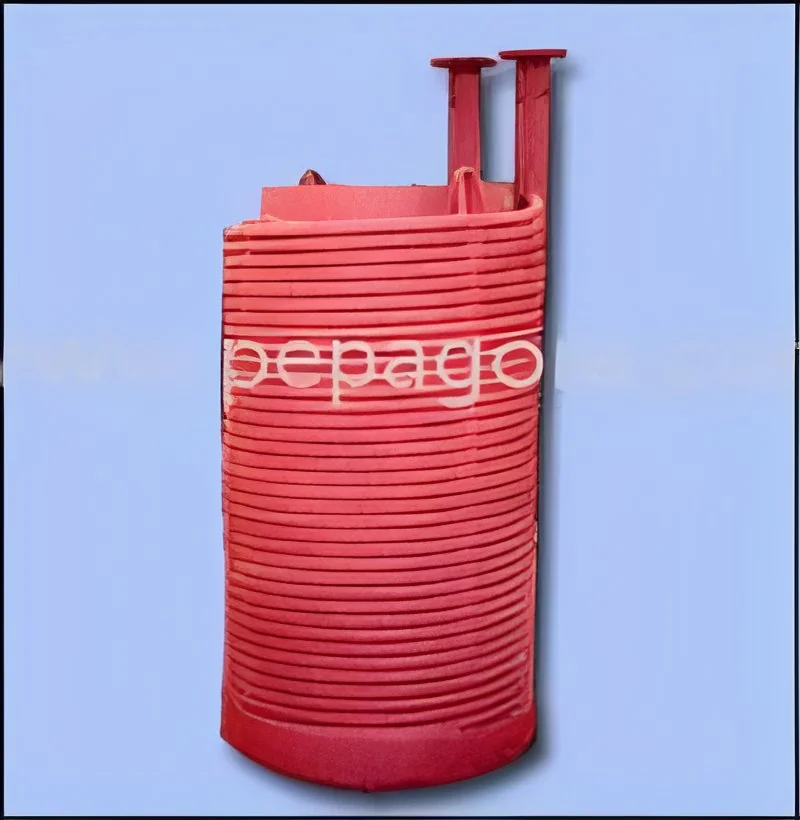
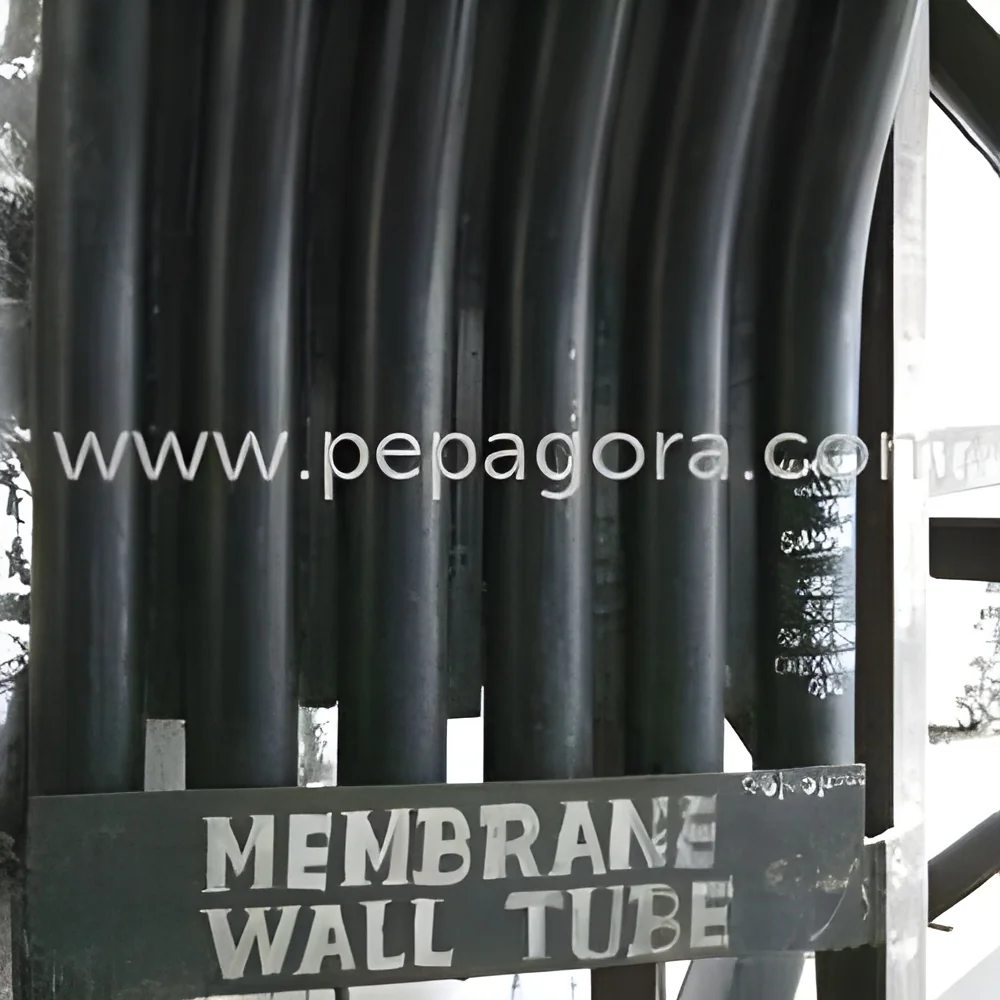
What are Boiler & Heat Exchanger Design?
Boiler and heat exchanger design encompasses the engineering and construction of systems that facilitate the transfer of heat within various industrial processes. A boiler generates steam or hot water by heating a fluid, while heat exchangers transfer heat between two or more fluids without mixing them. These systems are essential for energy efficiency, process control, and meeting the heating and cooling needs in various applications.
Industries such as power generation, manufacturing, and food processing rely heavily on effective boiler and heat exchanger designs to optimize energy use and maintain operational efficiency. By integrating these systems, businesses can reduce energy costs, enhance productivity, and improve overall system performance. The relevance of boiler and heat exchanger design in today’s industrial landscape is underscored by the growing demand for sustainable practices and energy-efficient solutions.
As energy regulations tighten and the need for environmentally friendly technologies increases, companies are investing in advanced designs that improve thermal efficiency and reduce emissions. Understanding the principles behind boiler and heat exchanger design is critical for businesses aiming to stay competitive and compliant in a rapidly evolving market.
Key Features and Specifications
Boiler and heat exchanger designs come with a variety of features and specifications tailored to meet specific industrial needs. These specifications determine their effectiveness, efficiency, and suitability for different applications.
Key specifications include:
1. Design Pressure
- Indicates the maximum pressure the system can safely withstand.
- Typically ranges from low pressure (up to 15 psi) to high pressure (above 300 psi).
2. Heat Transfer Efficiency
- Measures the ability of the system to transfer heat effectively.
- Generally, efficiency ratings can vary between 70% to 95% depending on the design.
3. Material Construction
- Specifies the materials used, which can influence durability and performance.
- Common materials include stainless steel, carbon steel, and copper.
4. Capacity
- Refers to the amount of heat the system can generate or transfer.
- Capacity can range from a few kilowatts to several megawatts.
5. Temperature Range
- Defines the operational temperature limits for the system.
- Standard ranges often lie between 100°C to 600°C.
6. Compliance Standards
- Indicates adherence to industry standards and regulations.
- Common standards include ASME and CE.
7. Maintenance Requirements
- Outlines the necessary upkeep procedures to ensure optimal performance.
- Regular inspections and cleaning are essential for efficiency.
8. Control Systems
- Details the automation and monitoring capabilities of the system.
- Advanced systems may include digital controls for precise temperature regulation.
In summary, understanding these features and specifications is crucial for selecting the right boiler and heat exchanger designs that meet operational demands and industry standards.
Common Applications and Use Cases
Boiler and heat exchanger designs are versatile and used across various sectors.
1. Power Generation: These systems are vital for steam generation in thermal power plants, enabling electricity production through efficient heat transfer.
2. Manufacturing: Industries such as chemical and petrochemical rely on heat exchangers for process heating and cooling, enhancing production rates.
3. Food Processing: In this sector, boilers provide steam for cooking and heat exchangers maintain temperature control in pasteurization and sterilization.
4. HVAC Systems: Boiler systems are used for space heating, while heat exchangers manage heat recovery and energy efficiency in commercial buildings.
5. Pharmaceutical: In pharmaceuticals, precise temperature control is critical. Heat exchangers help maintain optimal conditions during drug manufacturing processes.
6. Oil and Gas: These designs facilitate heat management in refining processes and enhance recovery in extraction techniques.
7. Textile Industry: Boilers provide steam for dyeing and finishing processes, while heat exchangers optimize energy use in cooling.
In each of these applications, effective boiler and heat exchanger design plays a crucial role in operational efficiency, safety, and meeting regulatory standards.
Product Variants and Subcategories
Boiler and heat exchanger designs come in a range of variants to meet different industrial needs.
Water Tube Boilers
These boilers feature water-filled tubes that allow for efficient heat transfer and higher steam production. They are suitable for high-pressure applications and are commonly used in power plants.
Fire Tube Boilers
Fire tube boilers contain hot gases that pass through tubes submerged in water. They are ideal for lower pressure applications and offer ease of maintenance, making them popular in smaller facilities.
Shell and Tube Heat Exchangers
This design consists of a series of tubes, one set carrying the hot fluid and the other the cold fluid. They are widely used for their efficiency in various industries, including oil and gas.
Plate Heat Exchangers
These consist of multiple thin plates that create channels for fluids, allowing for efficient heat transfer. They are compact and ideal for food processing and HVAC applications.
Air Cooled Heat Exchangers
These heat exchangers use air as the cooling medium. They are beneficial in regions where water is scarce and are commonly found in power plants.
Benefits and Advantages
Investing in boiler and heat exchanger design offers numerous advantages for businesses.
1. Energy Efficiency: Well-designed systems reduce energy consumption, lowering operational costs and minimizing environmental impact.
2. Enhanced Performance: Optimized designs improve heat transfer rates and system reliability, leading to increased productivity.
3. Compliance with Standards: Adhering to industry standards ensures that systems operate safely and efficiently, reducing risks associated with non-compliance.
4. Customization Options: Many designs can be tailored to meet specific operational requirements, offering flexibility in applications.
5. Longer Lifespan: High-quality materials and proper design extend the longevity of the systems, resulting in lower replacement costs.
6. Improved Safety: Advanced designs incorporate safety features that protect against overpressure and overheating, ensuring safe operations.
In summary, the benefits of boiler and heat exchanger design significantly contribute to operational efficiency and cost savings, making them an essential investment for businesses.
Buying Guide for B2B Buyers
When sourcing boiler and heat exchanger design, buyers should consider several key factors to ensure optimal selection.
1. Quality Assessment: Evaluate the materials and craftsmanship of the systems. Look for certifications and compliance with industry standards to ensure quality.
2. Supplier Verification: Research potential suppliers to confirm their reliability. Check for customer reviews and industry experience to gauge their credibility.
3. Pricing and MOQ: Understand the pricing structures and minimum order quantities. Aim for competitive pricing without compromising quality.
4. Delivery and Lead Times: Consider logistics and lead times to avoid delays in operations. Ensure suppliers can meet your timeline requirements.
5. Compliance Requirements: Be aware of the regulatory standards applicable to your industry. Choose suppliers who can demonstrate compliance with relevant certifications.
By focusing on these factors, B2B buyers can make informed decisions that align with their operational needs and business goals.
Compliance and Certifications
Ensuring compliance with relevant quality standards is crucial for boiler and heat exchanger design. Common standards include ISO 9001, which sets the criteria for a quality management system, ensuring consistent quality in products and services.
Industry certifications such as CE signify compliance with European safety, health, and environmental protection standards. These certifications are essential for gaining market acceptance and ensuring product safety.
Safety and testing requirements play a significant role in the design process. Systems must undergo rigorous testing to assess their performance under various conditions, ensuring they can withstand operational stresses.
Regional compliance considerations also come into play, as different regions may have specific regulations governing boiler and heat exchanger designs. Understanding these regulations is vital for manufacturers and users to ensure legal compliance and operational safety.
Why Source Boiler & Heat Exchanger Design from Pepagora?
Pepagora offers a trusted platform for sourcing boiler and heat exchanger designs, providing significant advantages to B2B buyers.
Verified Supplier Network: Pepagora connects buyers with a network of verified suppliers, ensuring that each supplier meets high standards of quality and reliability. This network offers peace of mind when making purchasing decisions.
Streamlined RFQ Process: The platform simplifies the request for quotation process, allowing buyers to receive multiple quotes easily. This transparency helps in comparing options and selecting the best fit for their needs.
Trade Assurance and Support: Pepagora provides trade assurance, protecting buyers from risks associated with their purchases. The platform offers support throughout the buying process, ensuring that buyer concerns are addressed promptly.
Regional Coverage: With a strong presence in India, the GCC, and Southeast Asia, Pepagora facilitates connections across diverse markets. This regional coverage allows buyers to access a wide range of products and suppliers tailored to their specific geographical needs.
By sourcing boiler and heat exchanger designs through Pepagora, businesses can leverage these advantages for improved procurement and operational efficiency.

 IN
IN