What are Industrial Layout Planning?
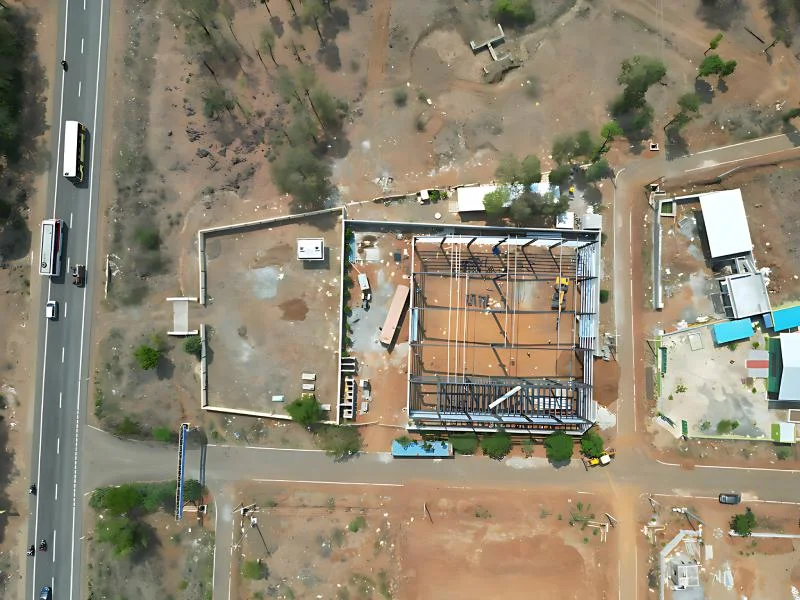
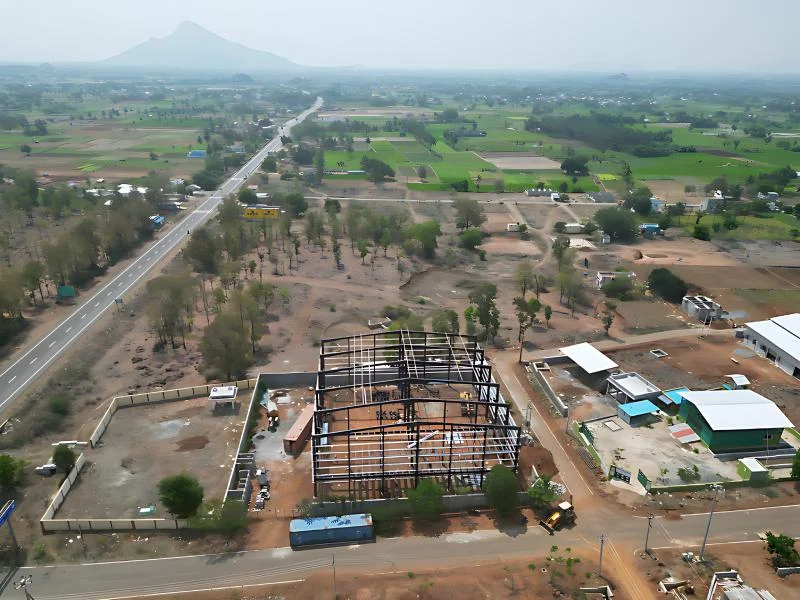
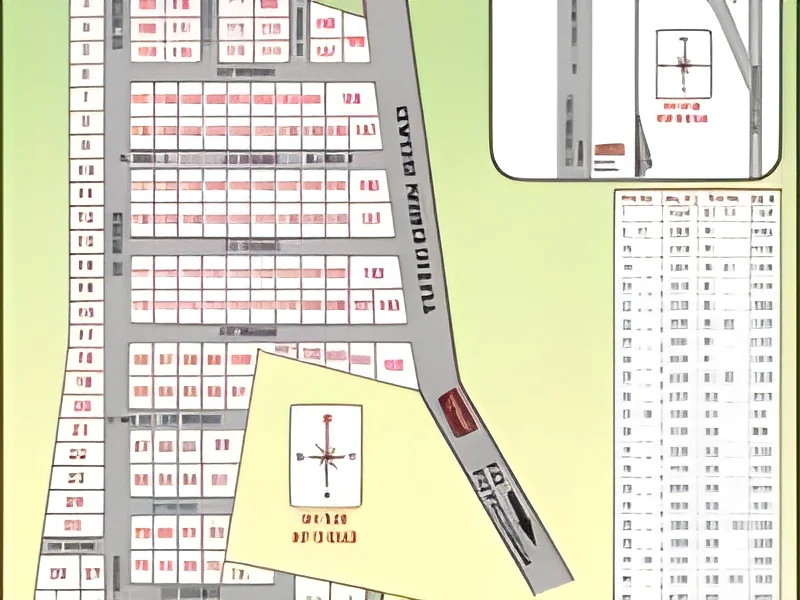
Industrial layout planning is a systematic approach to designing and arranging the physical layout of manufacturing facilities, warehouses, and production areas. It involves optimizing space utilization, workflows, and equipment placement to enhance operational efficiency. The goal is to create an environment that promotes productivity, safety, and effective resource management while minimizing waste and operational disruptions.
This planning process is utilized across various sectors including manufacturing, logistics, and distribution. By analyzing the specific needs of a business, layout planning helps organizations streamline their operations, reduce costs, and improve overall performance. It plays a critical role in ensuring that production processes are efficient and that employees can operate in a safe, effective environment. As industries evolve and technology advances, the importance of strategic layout planning continues to grow, driving competitiveness and sustainability.
Key Features and Specifications
Industrial layout planning incorporates various features and specifications to ensure optimal performance. These specifications guide businesses in selecting the right layout solutions that meet their unique requirements.
Key specifications include:
1. Space Utilization
- Focuses on maximizing the use of available space.
- Ensures that all areas are effectively utilized to minimize wasted space.
2. Workflow Optimization
- Aims to streamline processes to reduce time and motion.
- Considers the sequence of operations to improve efficiency.
3. Safety Standards
- Adheres to established safety regulations to protect workers.
- Includes considerations for emergency exits, equipment placement, and accessibility.
4. Flexibility
- Allows for adaptability to changing business needs.
- Facilitates adjustments in layout as production demands evolve.
5. Equipment Compatibility
- Ensures that the layout accommodates all necessary machinery and tools.
- Considers the size and operational requirements of equipment.
6. Environmental Controls
- Incorporates systems for temperature and humidity regulation.
- Ensures that environmental factors are managed for optimal working conditions.
7. Technology Integration
- Supports the implementation of automation and advanced technologies.
- Enhances data collection and monitoring capabilities for improved decision-making.
8. Compliance with Regulations
- Ensures adherence to industry standards and legal requirements.
- Incorporates necessary certifications and safety measures.
In summary, these specifications collectively support the development of efficient industrial layouts, ensuring that businesses can operate effectively while meeting safety and regulatory standards.
Common Applications and Use Cases
Industrial layout planning is essential across a range of industries, providing tailored solutions for unique operational challenges.
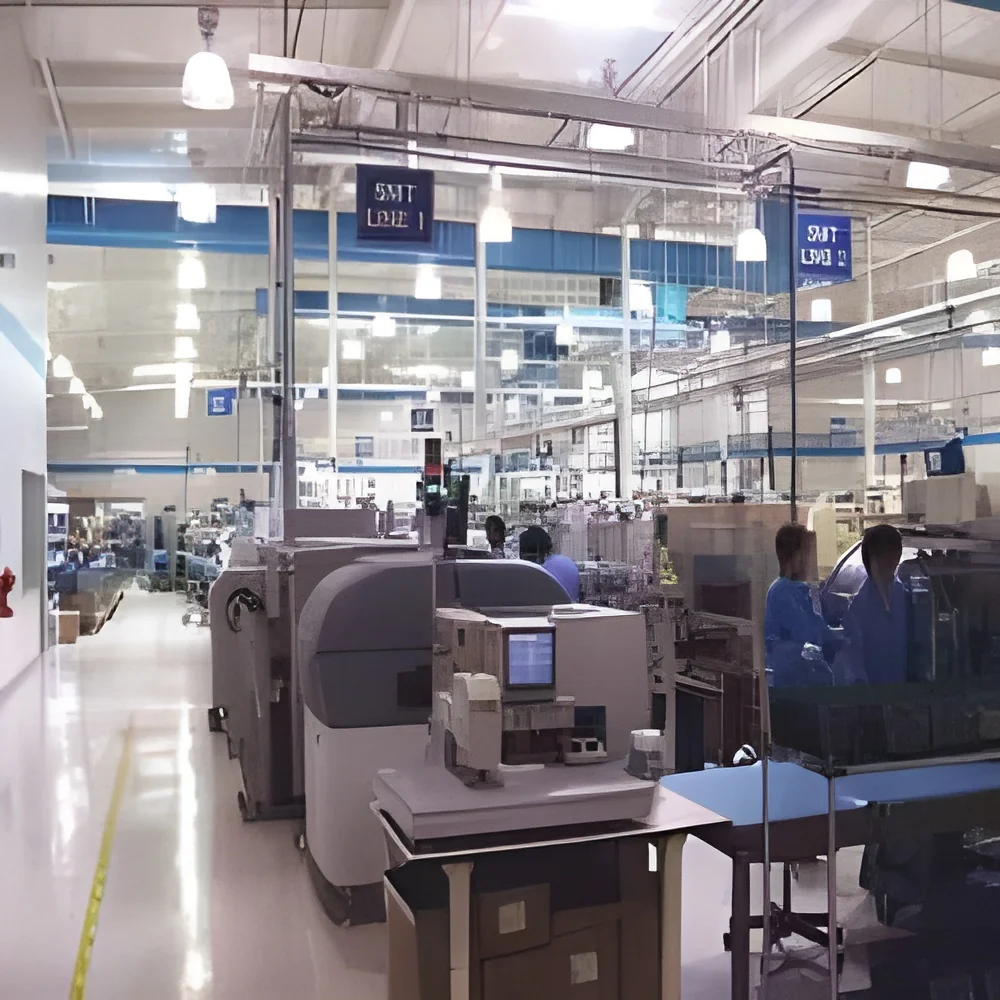
1. Manufacturing: In manufacturing settings, layout planning optimizes the flow of materials and products, reducing production time and improving output quality.
2. Warehousing: Effective layout planning in warehouses enhances storage efficiency and facilitates faster order fulfillment, ultimately leading to improved customer satisfaction.
3. Distribution Centers: Layout planning in distribution centers focuses on streamlining the movement of goods, minimizing handling times, and maximizing throughput.
4. Food Processing: In food processing facilities, layout planning ensures compliance with health regulations while optimizing production workflows and minimizing cross-contamination risks.
5. Pharmaceuticals: Layout planning in pharmaceutical manufacturing emphasizes the need for stringent quality controls and regulatory compliance, ensuring safe and efficient operations.
6. Retail: Retail layout planning focuses on creating an engaging customer experience while optimizing product placement and inventory management.
7. Automotive: In automotive assembly plants, layout planning is critical for coordinating complex production processes and ensuring streamlined operations.
Product Variants and Subcategories
While there are no specific subcategories available for industrial layout planning, the diversity of applications allows for various tailored solutions.
Basic Layout Designs
These designs provide a foundation for businesses to develop their layouts based on specific operational needs. They may include traditional designs like process layouts or product layouts.
Advanced Integrated Layouts
These layouts incorporate advanced technologies and automation, allowing businesses to adapt quickly to changes in demand and streamline their operations.
Custom Layout Solutions
Custom solutions are developed based on detailed assessments of unique business needs, providing tailored applications that address specific workflow and efficiency challenges.
Benefits and Advantages
Investing in industrial layout planning offers numerous benefits that can significantly enhance operational performance.
Key benefits include:
1. Improved Efficiency: Layout planning streamlines processes, reducing cycle times and increasing productivity.
2. Cost Reduction: Efficient layouts minimize waste and unnecessary movement, leading to lower operational costs.
3. Enhanced Safety: A well-planned layout adheres to safety standards, reducing workplace accidents and promoting employee well-being.
4. Flexibility: Adaptable layouts allow businesses to respond quickly to changing market demands and operational needs.
5. Better Space Utilization: Effective layout planning maximizes available space, allowing for increased production capacity without additional investment in real estate.
6. Increased Employee Satisfaction: A thoughtfully designed workspace enhances employee morale and productivity, as it considers comfort and accessibility.
Buying Guide for B2B Buyers
When sourcing industrial layout planning, several factors should be taken into account to ensure the best fit for your organization.
1. Quality Assessment: Evaluate the quality of layout solutions by reviewing past projects, client testimonials, and case studies. High-quality layouts should demonstrate efficiency and safety.
2. Supplier Verification: Vet potential suppliers by checking their industry reputation, certifications, and experience in layout planning. A verified track record is essential for confidence in your choice.
3. Pricing and MOQ: Understand the cost structure associated with layout planning services. Consider minimum order quantities and how pricing aligns with your budget and needs.
4. Delivery and Lead Times: Evaluate the supplier's ability to meet delivery timelines. Timely execution is critical to avoid disruptions in your operations.
5. Compliance Requirements: Ensure that the layout solutions you consider comply with relevant industry regulations and safety standards. This compliance is essential for legal operation.
Compliance and Certifications
Compliance and certifications are vital components of industrial layout planning, ensuring that facilities meet industry standards and regulations.
Relevant quality standards, such as ISO 9001, provide a framework for maintaining quality management systems. Adherence to these standards ensures consistent quality in layout planning services.
Industry certifications, including CE marking, indicate that products and services meet European safety, health, and environmental protection standards. This certification helps businesses maintain compliance in regulated industries.
Safety and testing requirements are crucial in industrial layout planning. Facilities must conform to local and national safety regulations, which may include fire safety, emergency exits, and equipment safety features.
Regional compliance considerations can vary significantly, so it is vital to understand the specific regulations that apply in your area, whether in India, the GCC, or Southeast Asia.
Why Source Industrial Layout Planning from Pepagora?
Pepagora offers a trusted platform for sourcing industrial layout planning with several key advantages.
Verified Supplier Network: Pepagora connects buyers with a network of verified suppliers, ensuring that you work with reputable professionals who have a proven track record in layout planning. This verification process helps mitigate risks associated with sourcing.
Streamlined RFQ Process: The quotation system at Pepagora simplifies the process of obtaining quotes from multiple suppliers. This efficiency allows businesses to compare options quickly and select the best solution for their needs.
Trade Assurance and Support: Pepagora provides buyer protection through trade assurance, ensuring that your investments are secure. Support services are available to assist with any challenges that may arise during the sourcing process.
Regional Coverage: With a strong presence in India, the GCC, and Southeast Asia, Pepagora facilitates connections across these regions, enabling businesses to source layout planning solutions that meet their specific operational requirements.

 IN
IN