What are Prototype Manufacturing Support?
Prototype manufacturing support refers to the services and resources provided to assist companies in developing prototypes for their products. This support can include technical guidance, material sourcing, design assistance, and manufacturing capabilities. The primary aim is to facilitate the creation of a prototype that accurately represents the final product, allowing businesses to test and refine their designs before mass production.
These services are essential in various industries, including automotive, aerospace, electronics, and consumer goods, where rapid prototyping can significantly reduce time to market. Businesses utilize prototype manufacturing support to create functional models that help in validating concepts, assessing performance, and gathering user feedback. In a competitive market, having a reliable prototype can lead to improved product quality and customer satisfaction.
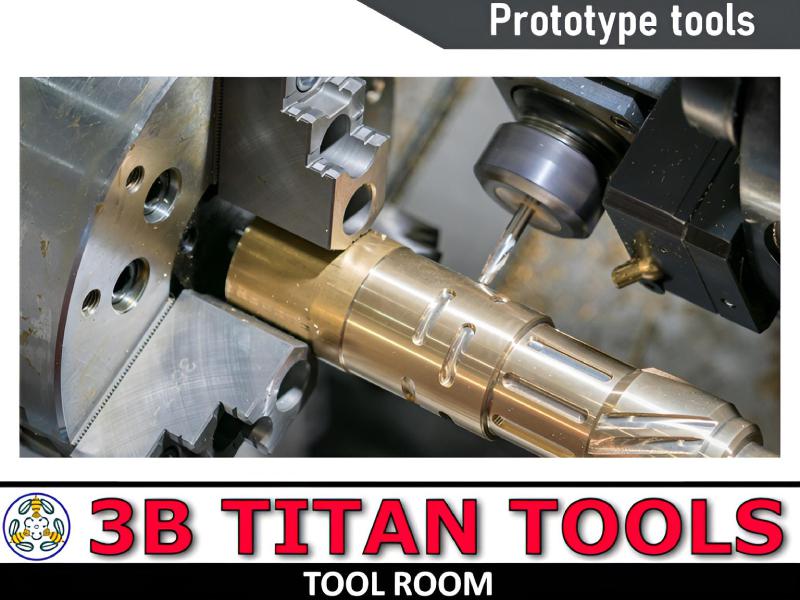
As industries continue to innovate and evolve, the demand for prototype manufacturing support is increasing. Companies recognize the importance of prototyping in minimizing risks associated with product development. This relevance is underscored by advancements in manufacturing technologies, such as 3D printing and CNC machining, which enable faster and more accurate prototyping processes.
Key Features and Specifications
Prototype manufacturing support encompasses a variety of features that cater to the specific needs of businesses. The following key specifications highlight the capabilities and attributes of these services.
Key specifications include:
1. Design Assistance
- Provides expert guidance in product design and engineering
- Supports CAD modeling and simulation
2. Material Sourcing
- Access to a wide range of materials suitable for prototypes
- Options for both standard and specialty materials
3. Rapid Prototyping Techniques
- Utilizes advanced methods like 3D printing and CNC machining
- Enables quick turnaround times from design to prototype
4. Testing and Validation
- Offers services for functional testing and user feedback collection
- Ensures prototypes meet performance standards
5. Customization Options
- Ability to tailor prototypes based on specific client requirements
- Flexibility in adjusting designs during the prototyping phase
6. Compliance and Safety Standards
- Adherence to industry-specific regulations and safety standards
- Ensures prototypes are safe for testing and use
In summary, prototype manufacturing support provides essential resources and expertise to businesses, enabling them to create effective prototypes that can lead to successful product launches.
Common Applications and Use Cases
Prototype manufacturing support is utilized across various industries, each with unique applications.
1. Automotive: In the automotive sector, prototypes are used for testing vehicle components, such as engine parts and body designs, ensuring they meet safety and performance standards.
2. Aerospace: Aerospace companies develop prototypes of aircraft components to evaluate aerodynamics and structural integrity, helping to enhance overall safety and efficiency.
3. Electronics: The electronics industry relies on prototypes to test circuit designs and product ergonomics, allowing for adjustments before mass production.
4. Consumer Goods: Companies producing consumer products create prototypes to gather user feedback on functionality and aesthetics, ensuring the product meets market demands.
5. Medical Devices: In the medical field, prototypes are essential for developing devices that comply with regulatory standards while ensuring patient safety and usability.
6. Industrial Equipment: Prototyping supports the development of complex machinery, allowing for testing of operational efficiency and maintenance needs.
7. Textiles: Fashion and textile companies use prototypes to assess fabric performance and design fit, enabling them to refine their products before launching.
Product Variants and Subcategories
Prototype manufacturing support offers a diverse range of options to meet the varying needs of businesses. Although specific variants may not be available, the following are common considerations in prototype development.
Rapid Prototyping
This approach focuses on quickly creating prototypes using technologies like 3D printing. It is ideal for businesses that need to iterate designs rapidly and test multiple concepts in a short timeframe.
Low-Volume Production
Some businesses require prototypes that can be scaled for low-volume production. This variant allows companies to produce small batches for market testing while keeping costs manageable.
Functional Prototypes
These prototypes are designed to simulate the final product's performance. They are used to conduct thorough testing and validation, ensuring that the design meets all functional requirements.
Benefits and Advantages
Prototype manufacturing support offers several significant advantages for businesses looking to develop new products.
Key benefits include:
1. Cost Efficiency: By identifying design flaws early, businesses can save on production costs and reduce waste in materials.
2. Time Savings: Rapid prototyping allows companies to bring products to market faster, gaining a competitive edge.
3. Enhanced Design: Access to expert guidance improves the quality of prototypes and helps refine product designs for better performance.
4. Risk Mitigation: Prototyping helps identify potential issues before mass production, reducing the risk of product failure.
5. Market Validation: Prototypes enable businesses to gather user feedback, ensuring that the final product meets customer expectations.
6. Flexibility: The ability to make adjustments during the prototyping phase allows companies to respond to changing market demands.
Buying Guide for B2B Buyers
When sourcing prototype manufacturing support, it is crucial for businesses to consider several factors to ensure they select the right partner.
1. Quality Assessment: Evaluate the quality of materials and technologies used by potential suppliers. Look for certifications that demonstrate adherence to industry standards.
2. Supplier Verification: Conduct thorough research on suppliers to verify their reputation and reliability. Check for client testimonials and previous project portfolios.
3. Pricing and MOQ: Understand the pricing structure and any minimum order quantities (MOQ) that may apply. Compare quotes to find a supplier that fits your budget while meeting your specifications.
4. Delivery and Lead Times: Discuss expected delivery times and lead times for prototype development to ensure they align with your project timeline.
5. Compliance Requirements: Ensure that the supplier can meet any regulatory compliance requirements specific to your industry, which may include safety and quality standards.
Compliance and Certifications
Compliance and certifications are critical components in the prototype manufacturing support process. Adhering to established quality standards, such as ISO 9001, ensures that the manufacturing process meets international benchmarks for quality management.
Additionally, industry-specific certifications like CE are essential for demonstrating compliance with safety and performance regulations. These certifications provide assurance that the prototypes developed are safe for use and meet necessary testing requirements.
Furthermore, it is important to consider regional compliance, as regulations can vary by location. Understanding these requirements helps businesses avoid potential legal issues and ensures that their prototypes can be marketed successfully.
Why Source Prototype Manufacturing Support from Pepagora?
Pepagora offers a trusted platform for sourcing prototype manufacturing support, providing several key advantages to businesses.
Verified Supplier Network: Pepagora has established a comprehensive network of verified suppliers, ensuring that businesses can find reliable partners for their prototype needs. This verification process includes assessing supplier capabilities and previous project successes.
Streamlined RFQ Process: The Request for Quotation (RFQ) system at Pepagora simplifies the sourcing process. Businesses can easily submit their requirements and receive competitive quotes from multiple suppliers, saving time and effort.
Trade Assurance and Support: Pepagora prioritizes buyer protection, offering trade assurance to safeguard transactions. This support provides peace of mind, knowing that investments are protected throughout the sourcing process.
Regional Coverage: With a strong presence in India, the Gulf Cooperation Council (GCC), and Southeast Asia, Pepagora serves a diverse range of markets. This regional coverage allows businesses to connect with local suppliers who understand specific market dynamics and requirements.

 IN
IN