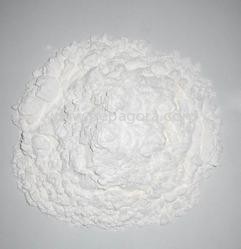
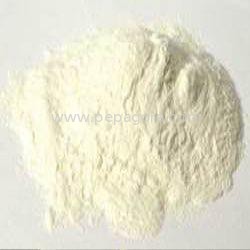
𝗪𝗵𝗮𝘁 𝗮𝗿𝗲 𝗖𝗼𝗿𝗻 𝗦𝘁𝗮𝗿𝗰𝗵 & 𝗧𝗮𝗽𝗶𝗼𝗰𝗮 𝗦𝘁𝗮𝗿𝗰𝗵?
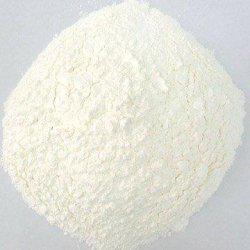
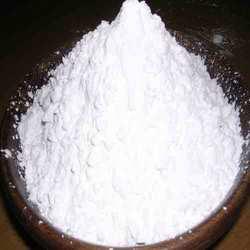
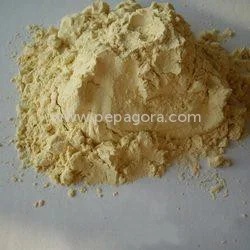
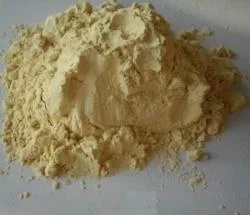
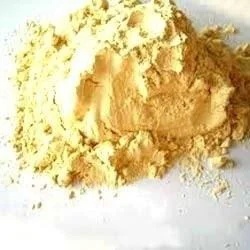
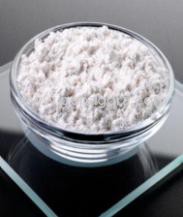
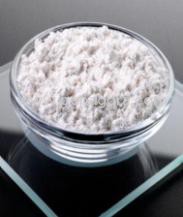
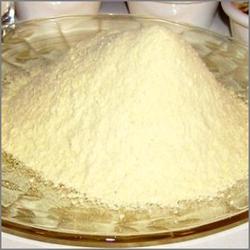
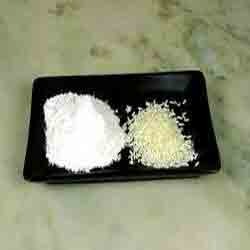
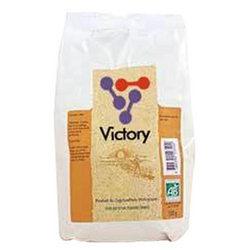
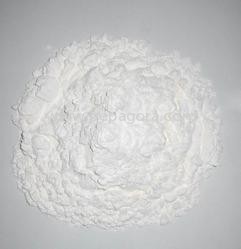
Corn starch and tapioca starch are both natural carbohydrates derived from their respective sources. Corn starch is extracted from the endosperm of corn kernels, while tapioca starch is obtained from the cassava root. Both are fine, white powders with unique thickening and binding properties, making them essential ingredients in various industrial applications.
These starches are widely used across multiple sectors, including food processing, pharmaceuticals, paper, and textiles. In the food industry, they serve as thickeners and stabilizers in sauces, soups, and baked goods. In pharmaceuticals, they act as excipients in tablet formulations, while in textiles, they are used for finishing processes. The demand for these starches continues to grow, driven by an increasing focus on natural and gluten-free products.
With a significant presence in the global market, corn starch and tapioca starch are vital components in numerous products. Their versatility and ease of use have made them popular choices, contributing to advancements in food technology and industrial processing.
𝗞𝗲𝘆 𝗙𝗲𝗮𝘁𝘂𝗿𝗲𝘀 𝗮𝗻𝗱 𝗦𝗽𝗲𝗰𝗶𝗳𝗶𝗰𝗮𝘁𝗶𝗼𝗻𝘀
Corn starch and tapioca starch come with distinct features that cater to different industrial needs. Understanding these specifications is crucial for selecting the right product for specific applications.
Key specifications include:
1. Physical Appearance
- Fine, white powder
- Free from foreign materials
2. Moisture Content
- Typically ranges from 10% to 14%
- Affects shelf life and usability
3. Ash Content
- Generally below 0.5%
- Indicates purity and quality
4. pH Level
- Usually between 5.0 and 7.0
- Ensures compatibility with various formulations
5. Viscosity
- Varies depending on concentration and heating
- Critical for applications requiring thickening
6. Granulation Size
- Standard particle size for uniformity
- Affects dissolution and texture in applications
7. Gelatinization Temperature
- Specific to each starch type
- Important for cooking and processing conditions
8. Functional Properties
- Includes thickening, binding, and stabilizing capabilities
- Essential for performance in various applications
These specifications help businesses choose the right starch for their production processes, ensuring optimal results.
𝗖𝗼𝗺𝗺𝗼𝗻 𝗔𝗽𝗽𝗹𝗶𝗰𝗮𝘁𝗶𝗼𝗻𝘀 𝗮𝗻𝗱 𝗨𝘀𝗲 𝗖𝗮𝘀𝗲𝘀
Corn starch and tapioca starch are utilized in a variety of industries, each leveraging their unique properties for specific applications.
1. Food Industry: Both starches are used as thickeners in sauces, gravies, and desserts. They enhance texture and stability in baked goods and snack foods.
2. Pharmaceutical Industry: These starches serve as binders and fillers in tablet formulations, ensuring consistent dosage and improving tablet integrity.
3. Paper and Packaging: They are employed as coatings and adhesives, providing strength and water resistance to paper products.
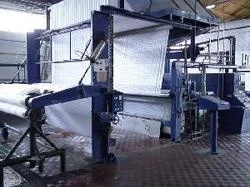
4. Textile Industry: Corn and tapioca starches are used in finishing processes, improving the feel and appearance of fabrics.
5. Bioplastics: With the rise of sustainable materials, these starches are increasingly used in the production of biodegradable plastics.
6. Cosmetics: They act as bulking agents in cosmetic formulations, improving texture and application properties.
7. Animal Feed: Starches are included in animal feed formulations to enhance energy content and improve palatability.
𝗣𝗿𝗼𝗱𝘂𝗰𝘁 𝗩𝗮𝗿𝗶𝗮𝗻𝘁𝘀 𝗮𝗻𝗱 𝗦𝘂𝗯𝗰𝗮𝘁𝗲𝗴𝗼𝗿𝗶𝗲𝘀
The diversity of corn starch and tapioca starch products allows businesses to choose the best fit for their needs.
𝗖𝗼𝗿𝗻 𝗦𝘁𝗮𝗿𝗰𝗵 𝗩𝗮𝗿𝗶𝗮𝗻𝘁
This variant is widely used in the food industry for its excellent thickening properties. It is ideal for sauces, soups, and gravies, providing a smooth texture without altering flavor.
𝗧𝗮𝗽𝗶𝗼𝗰𝗮 𝗦𝘁𝗮𝗿𝗰𝗵 𝗩𝗮𝗿𝗶𝗮𝗻𝘁
Known for its neutrality in flavor, tapioca starch is perfect for gluten-free baking. It is commonly used in puddings and sauces, offering a glossy finish and a chewy texture in products like boba tea.
𝗕𝗲𝗻𝗲𝗳𝗶𝘁𝘀 𝗮𝗻𝗱 𝗔𝗱𝘃𝗮𝗻𝘁𝗮𝗴𝗲𝘀
Sourcing corn starch and tapioca starch offers various benefits for businesses looking to enhance their products.
1. Versatility: Both starches can be used across multiple industries, making them adaptable for various applications.
2. Natural Ingredients: As naturally derived products, they cater to the growing demand for clean-label and non-GMO ingredients.
3. Gluten-Free Options: Especially with tapioca starch, they provide alternatives for gluten-sensitive consumers, broadening market reach.
4. Improved Texture: These starches enhance mouthfeel and consistency in food products, leading to better consumer satisfaction.
5. Cost-Effectiveness: They are generally affordable, allowing businesses to maintain quality while managing production costs.
6. Functional Properties: Their thickening, binding, and stabilizing characteristics are essential for product performance in various applications.
𝗕𝘂𝘆𝗶𝗻𝗴 𝗚𝘂𝗶𝗱𝗲 𝗳𝗼𝗿 𝗕𝟮𝗕 𝗕𝘂𝘆𝗲𝗿𝘀
When sourcing corn starch and tapioca starch, buyers should consider several important factors to ensure quality and reliability.
1. Quality Assessment: Evaluate the purity and consistency of the starch. Look for certifications and testing results to ensure compliance with industry standards.
2. Supplier Verification: It is essential to vet suppliers for reliability and reputation. Check their experience in the market and customer reviews to gauge trustworthiness.
3. Pricing and MOQ: Understand the pricing structure and minimum order quantities. This helps in budgeting and ensures that you can meet production needs without excess stock.
4. Delivery and Lead Times: Assess the logistics capabilities of suppliers, including their ability to meet delivery timelines and manage inventory levels.
5. Compliance Requirements: Ensure that the starch meets relevant regulatory standards and certifications, which may vary by region and application.
𝗖𝗼𝗺𝗽𝗹𝗶𝗮𝗻𝗰𝗲 𝗮𝗻𝗱 𝗖𝗲𝗿𝘁𝗶𝗳𝗶𝗰𝗮𝘁𝗶𝗼𝗻𝘀
Corn starch and tapioca starch products must adhere to various quality standards and certifications to ensure safety and reliability in usage.
ISO 9001 is a key quality management standard that applies to manufacturing processes. Compliance with this standard ensures that products meet consistent quality benchmarks.
HACCP (Hazard Analysis and Critical Control Points) is crucial in food safety, ensuring that products are monitored for safety throughout the production process.
CE certification indicates compliance with European safety standards, making these starches suitable for use in regulated markets.
Safety and testing requirements are vital to guarantee that the starches are free from contaminants and suitable for their intended applications.
Additionally, regional compliance considerations must be accounted for, as requirements can differ significantly across different markets.
𝗪𝗵𝘆 𝗦𝗼𝘂𝗿𝗰𝗲 𝗖𝗼𝗿𝗻 𝗦𝘁𝗮𝗿𝗰𝗵 & 𝗧𝗮𝗽𝗶𝗼𝗰𝗮 𝗦𝘁𝗮𝗿𝗰𝗵 𝗳𝗿𝗼𝗺 𝗣𝗲𝗽𝗮𝗴𝗼𝗿𝗮?
Pepagora provides a trusted platform for sourcing corn starch and tapioca starch, offering several key advantages to B2B buyers.
Verified Supplier Network: Pepagora connects businesses with a network of verified suppliers, ensuring that buyers can trust the quality and reliability of the products they purchase.
Streamlined RFQ Process: The platform features a user-friendly Request for Quotation (RFQ) system, allowing buyers to easily compare quotes and choose the best option based on their needs.
Trade Assurance and Support: Pepagora offers trade assurance, providing an added layer of buyer protection. This feature helps ensure that transactions are secure and that buyers receive their orders as expected.
Regional Coverage: With a strong presence in India, the GCC, and Southeast Asia, Pepagora facilitates sourcing across diverse markets, making it easier for businesses to find the starches they need, regardless of location.

 IN
IN
 India
India