IN
IN₹
Apparel & Fashion
Description
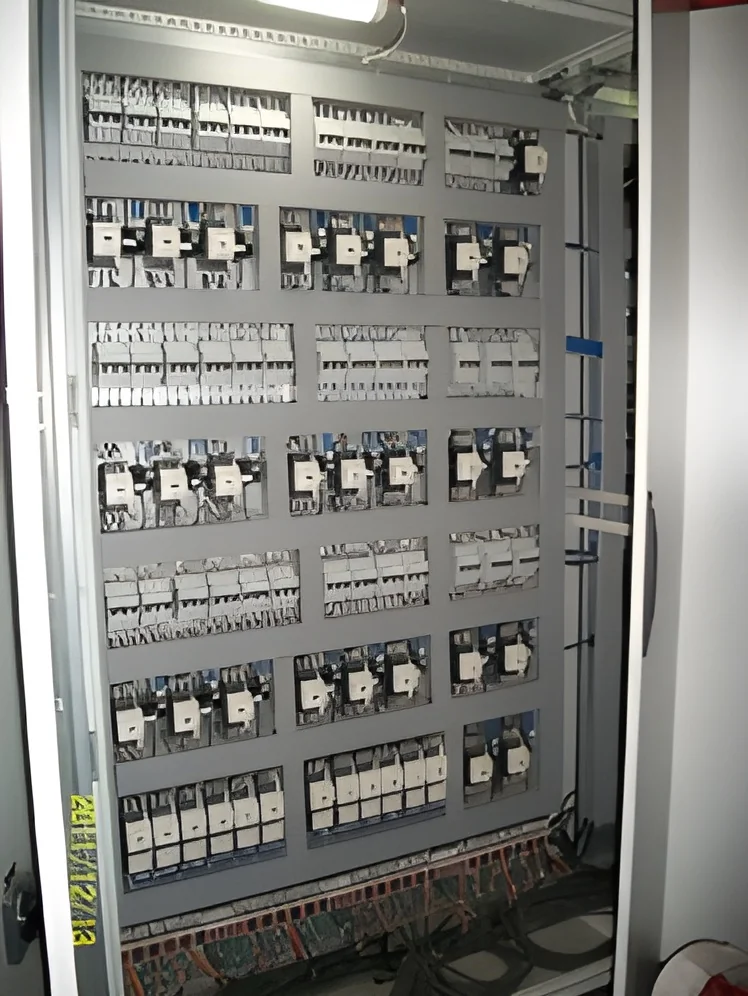
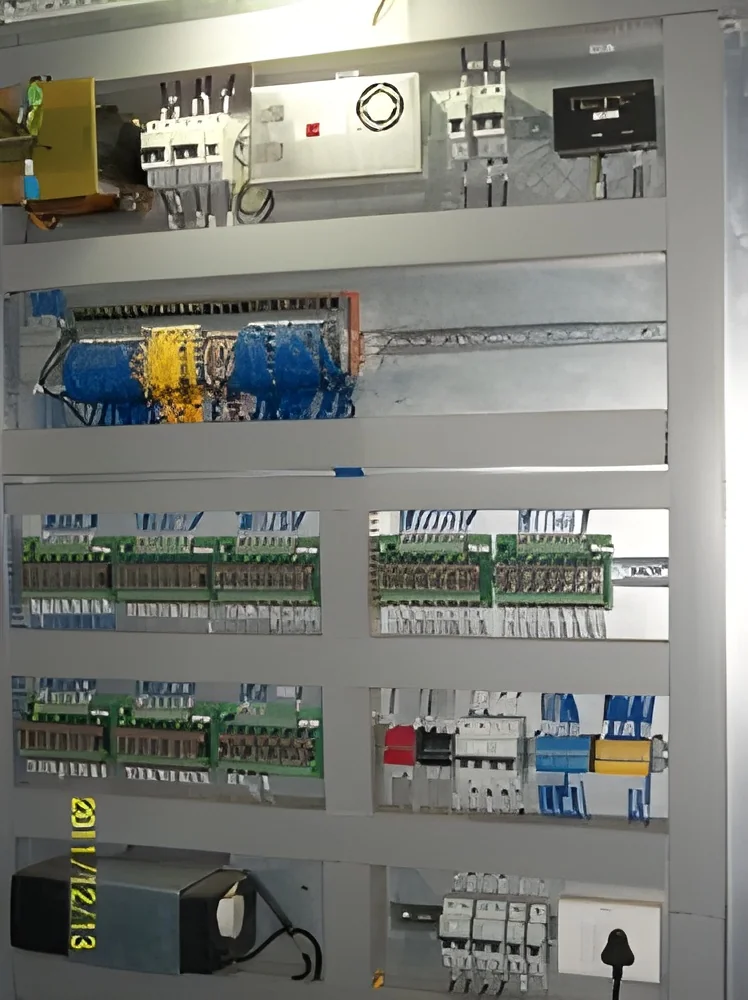
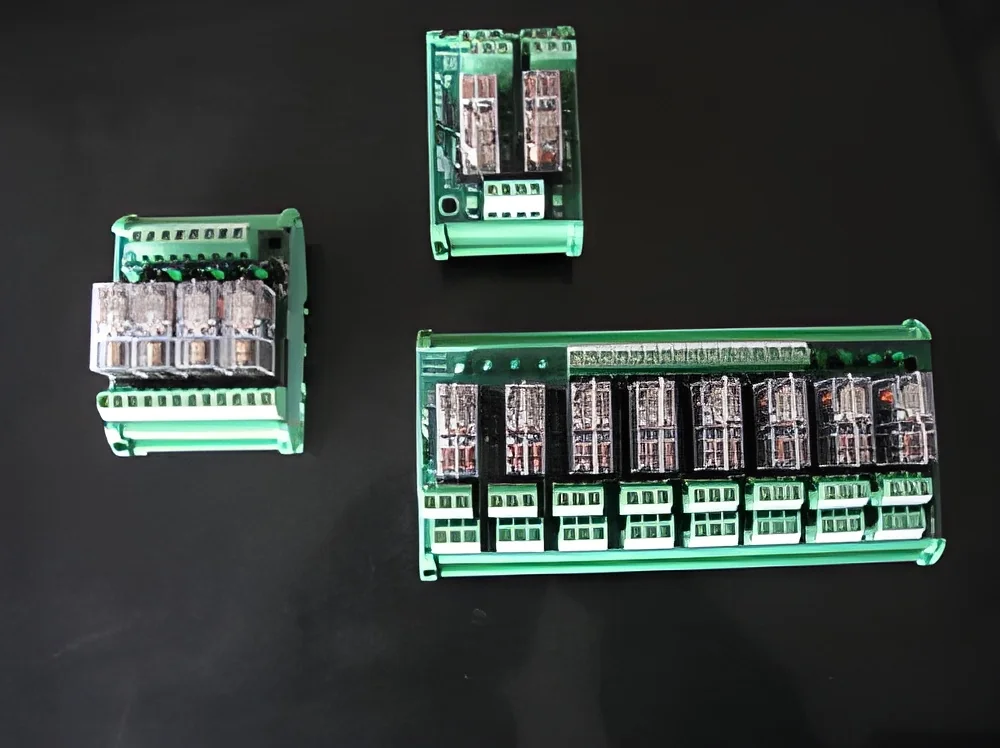
Industrial Automation Relay Cards are engineered components designed for reliable electrical switching in control systems. They act as dependable intermediaries, translating low-power control signals into precise commands for high-power industrial loads. Built with durability as a priority, these cards feature robust construction that withstands the electrical noise, vibration, and temperature variations common in industrial settings. Their design focuses on consistent performance, ensuring that each switching operation occurs accurately to maintain system integrity. This reliability is fundamental for automation processes where a single failure can disrupt entire production lines or safety protocols.

These relay cards find extensive use across industries that depend on automated control. Manufacturing facilities employ them to operate conveyor systems, robotic arms, and assembly machines with precision. The energy sector integrates them into power management systems for grid stabilit...
Industrial Automation Relay Cards are engineered components designed for reliable electrical switching in control systems. They act as dependable intermediaries, translating low-power control signals into precise commands for high-power industrial loads. Built with durability as a priority, these cards feature robust construction that withstands the electrical noise, vibration, and temperature variations common in industrial settings. Their design focuses on consistent performance, ensuring that each switching operation occurs accurately to maintain system integrity. This reliability is fundamental for automation processes where a single failure can disrupt entire production lines or safety protocols.

These relay cards find extensive use across industries that depend on automated control. Manufacturing facilities employ them to operate conveyor systems, robotic arms, and assembly machines with precision. The energy sector integrates them into power management systems for grid stability and equipment protection. Water treatment plants use them to control pumps and valves, while building management systems rely on them for lighting control and access systems. Their versatility allows adaptation to both light industrial applications and heavy-duty scenarios, providing a common solution for diverse electrical control challenges.

For businesses, these relay cards deliver tangible value through operational stability and risk reduction. Their high reliability directly translates to reduced unplanned downtime, minimizing production losses and maintenance expenses. The robust design ensures a long service life, offering a favorable total cost of ownership. By providing solid electrical isolation, they protect expensive programmable logic controllers and sensors from voltage spikes and load faults. This protection extends the lifespan of entire control systems. Their predictable performance allows for accurate system planning and reduces troubleshooting time, enabling engineers to focus on optimization rather than repair.

Key Features:
- High-reliability design with durable components for industrial environments
- Robust construction resistant to electrical interference and vibration
- Precise switching capability for accurate control signal translation
- Electrical isolation between control circuits and load circuits
- Compatible with standard industrial voltage and current ratings

Benefits:
- Minimizes system downtime through consistent, reliable operation
- Reduces maintenance costs and extends equipment service life
- Protects sensitive control electronics from high-voltage disturbances
- Enables precise control of machinery and industrial processes
- Provides a dependable foundation for safety-critical control systems
Specifications
| Additional Information | |
|---|---|
| Country of Origin | India |
Application
Industrial Automation Relay Cards serve as critical switching interfaces in control systems, managing high-current loads with precision. They provide reliable electrical isolation between sensitive control circuits and powerful machinery, ensuring safe operation in environments where consistent performance is non-negotiable. Their robust construction withstands industrial conditions, making them essential for maintaining operational continuity and protecting valuable equipment from electrical faults.
These relay cards integrate seamlessly into various control architectures, from simple standalone panels to complex networked systems. They are designed to handle diverse voltage and current requirements, offering flexibility across different applications. Their reliability makes them suitable for continuous operation scenarios where downtime is costly, providing peace of mind for engineers and system integrators who need components that perform consistently under pressure.
- Motor control centers in manufacturing and processing plants
- Automated production line sequencing and machinery operation
- HVAC system control for commercial and industrial buildings
- Power distribution panel switching and load management
- Safety interlock and emergency shutdown systems in critical infrastructure
Trade Details
| Available Stock | In Stock |
| Sample Availability | No |
Payment Terms
| Payment Terms |
|
Company Profile
Active Automation Systems, Gujarat
 Gujarat, India
Gujarat, IndiaServices & Support•Manufacturer•Distributor / Wholesaler•Importer / Exporter
Factory Details
Factory Size1000-5000 sqm
Annual Production Capacity0
Main Markets
North America
Oceania
Northern Europe
South America
Mid East
Southern Europe
Eastern Europe
Eastern Asia
South Asia
Southeast Asia
Western Europe
Africa
Central America
Domestic
Industrial Automation Relay Cards For Control Systems High Reliability
Industrial Automation Relay Cards provide high-reliability switching for control systems. These robust components ensure durable performance in demanding electrical applications, offering precise operation for machinery and safety systems.
Min. Order Quantity: 1 unit
Shipping
Shipping fee and delivery date to be negotiated. Contact supplier now for more details.
Active Automation Systems
 Gujarat, India
Gujarat, IndiaServices & SupportManufacturer