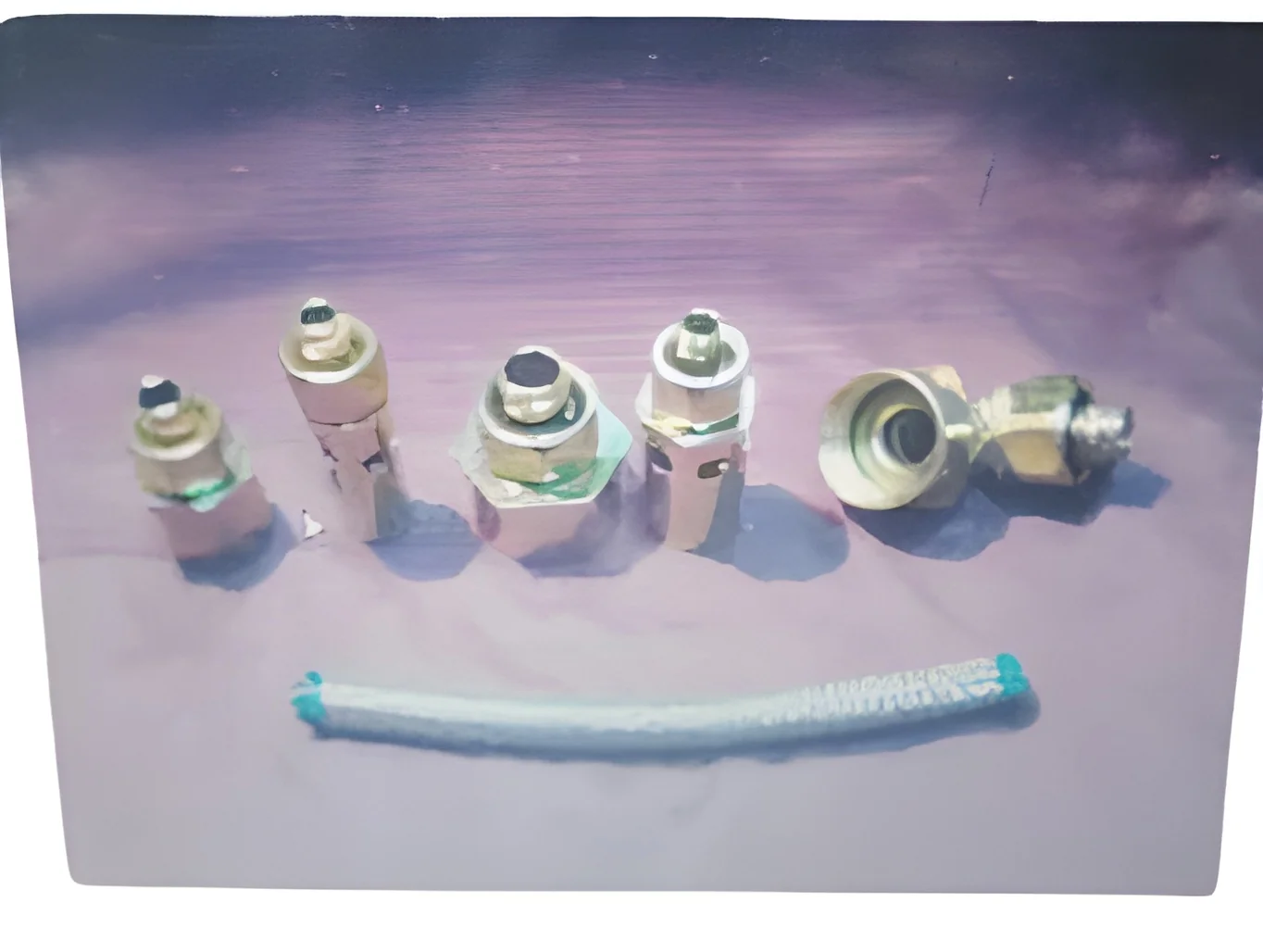
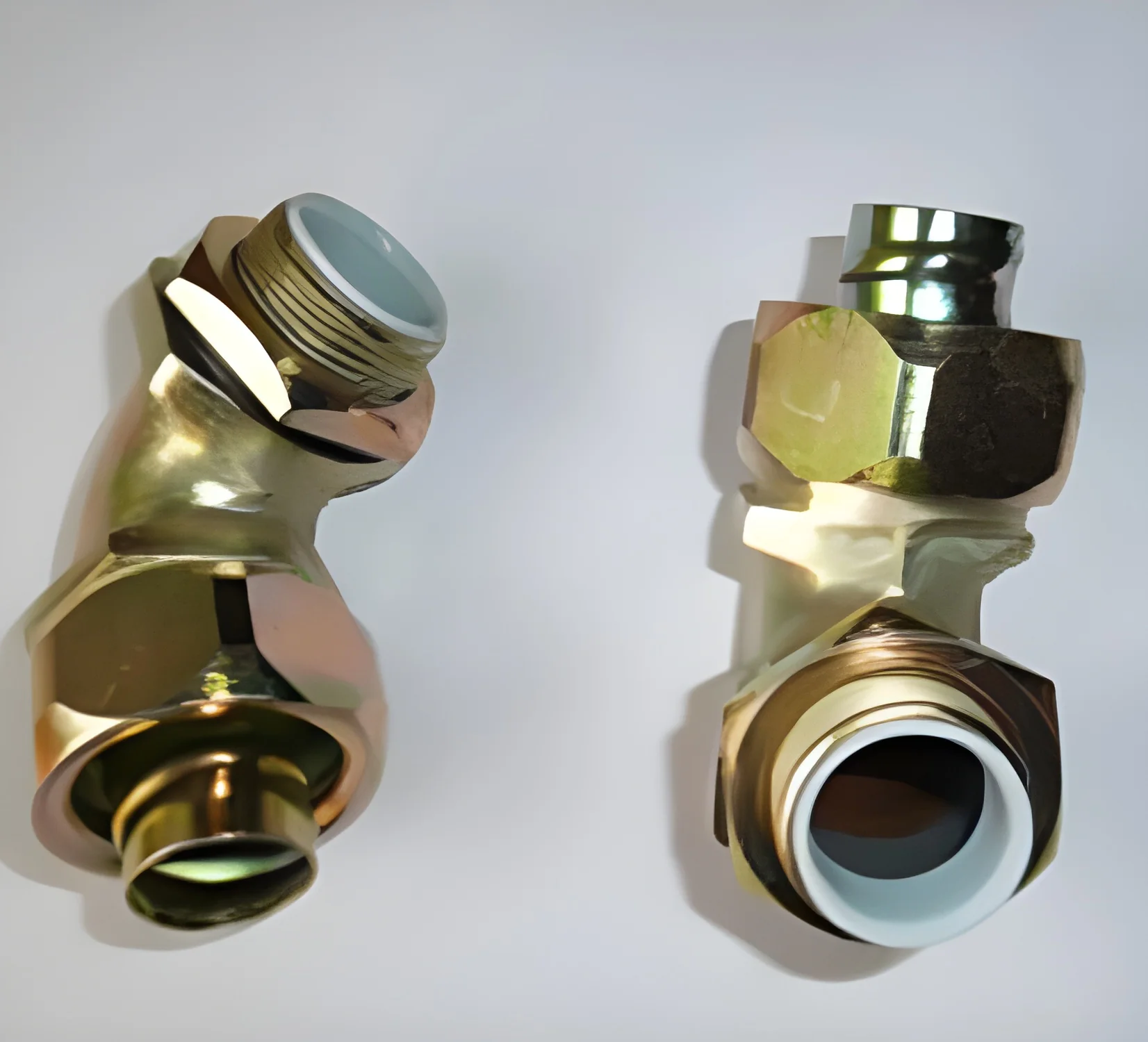
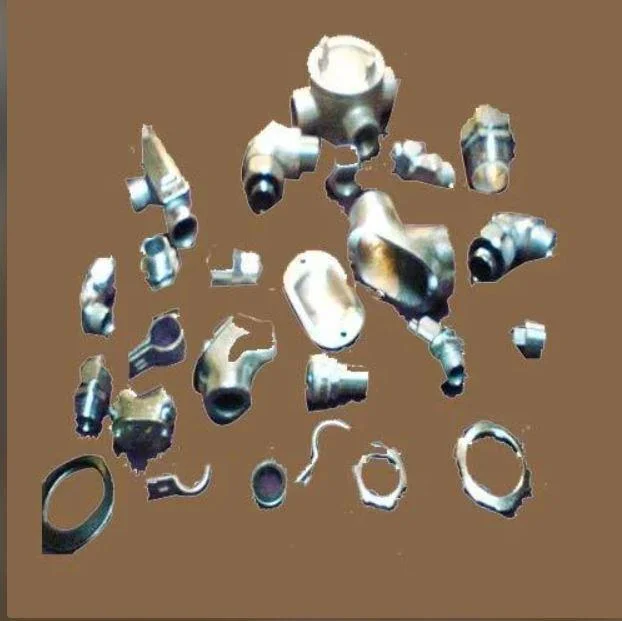
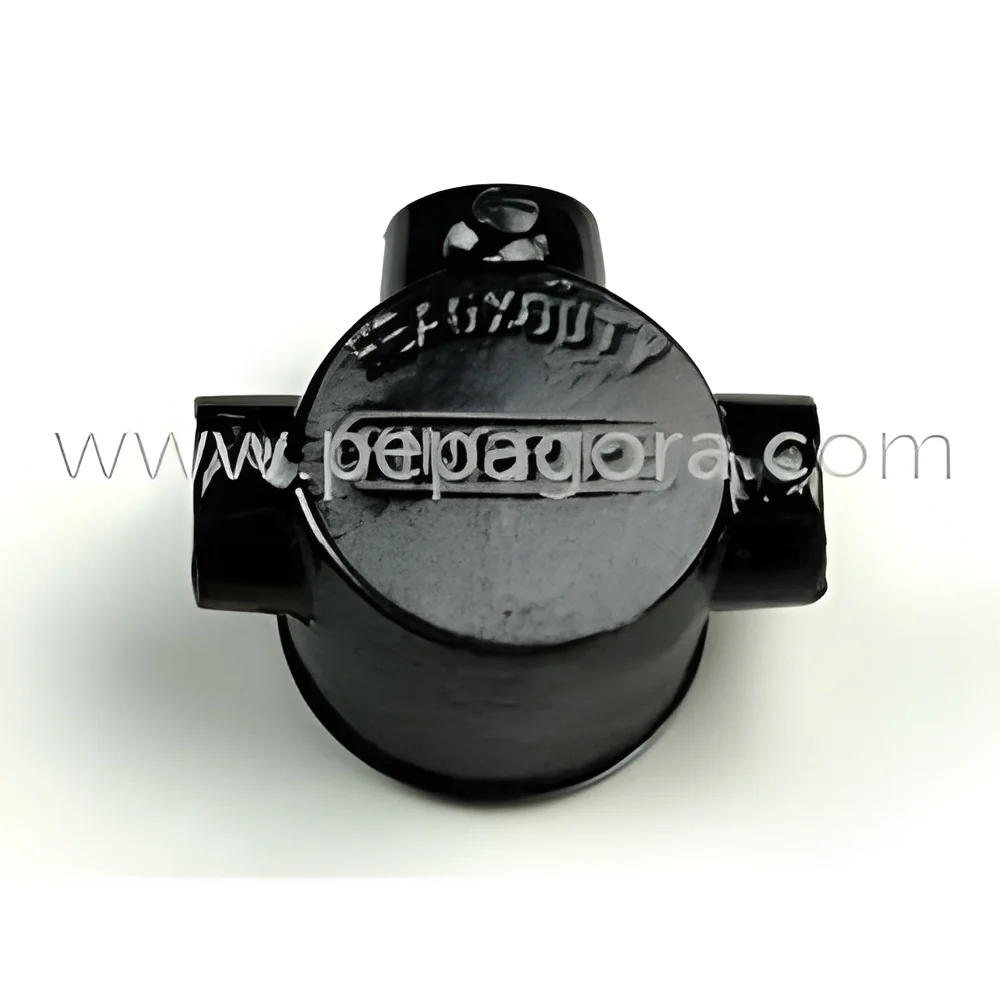
What are Conduit Fittings?
Conduit fittings are essential components used to connect sections of conduit, which is a protective tube for electrical wiring. These fittings ensure that electrical systems remain safe and organized, protecting wires from environmental factors and mechanical damage. They come in various shapes and sizes to accommodate different wiring configurations and installation environments.
These fittings are primarily used in commercial and industrial settings, where electrical installations require robust protection and reliable connectivity. Businesses typically utilize conduit fittings in applications ranging from power distribution to data communication systems. Their ability to maintain the integrity of electrical connections makes them a critical component in ensuring operational efficiency and safety.
In the context of the industrial market, conduit fittings play a vital role in meeting safety standards and regulations. As industries evolve and expand, the demand for high-quality conduit fittings has increased, driven by the need for reliable electrical infrastructure in sectors such as manufacturing, construction, and telecommunications.
Key Features and Specifications
Conduit fittings come with a range of features designed to enhance their performance and reliability in various environments. Understanding these specifications is crucial for selecting the right fittings for specific applications.
Key specifications include:
1. Material Composition
- Typically made from aluminum, steel, or plastic
- Offers varying degrees of durability and corrosion resistance
2. Type of Fitting
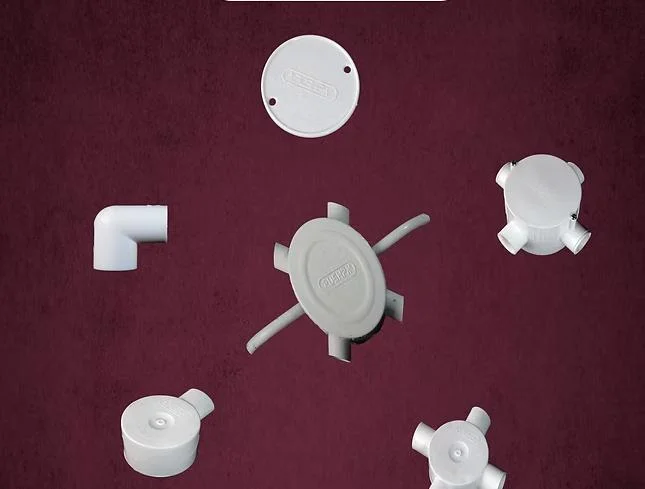
- Includes connectors, couplings, elbows, and junction boxes
- Each type serves a specific purpose in conduit systems
3. Size Options
- Available in multiple sizes to fit different conduit diameters
- Common sizes include ½ inch, ¾ inch, and 1 inch
4. Environmental Resistance
- Many fittings are designed to withstand moisture, dust, and temperature variations
- Suitable for indoor and outdoor installations
5. Installation Method
- Can be installed using screws, clamps, or adhesive
- Facilitates quick and efficient installation processes
6. Certification Standards
- Compliant with industry standards like CE for safety and quality assurance
- Ensures reliability in critical applications
In summary, understanding the key features and specifications of conduit fittings is essential for selecting the appropriate components for electrical systems.
Common Applications and Use Cases
Conduit fittings serve various industries, providing connectivity and protection in electrical installations.
1. Manufacturing: In manufacturing plants, conduit fittings are used to secure electrical wiring for machinery and equipment, ensuring safe operations.
2. Construction: During construction projects, these fittings are critical for establishing electrical systems in buildings, providing a safe environment for wiring.
3. Telecommunications: In the telecommunications sector, conduit fittings help protect data cables and maintain signal integrity across networks.
4. Transportation: Electrical systems in transportation infrastructure, such as railways and airports, utilize conduit fittings for safe wiring management.
5. Oil and Gas: In the oil and gas industry, fittings are essential for protecting electrical systems in harsh environments, ensuring operational safety.
6. Utilities: Utility companies rely on conduit fittings for secure connections in power distribution networks, contributing to reliable service delivery.
7. Renewable Energy: In solar and wind energy installations, fittings are used to protect wiring from environmental elements, enhancing system longevity.
Product Variants and Subcategories
Conduit fittings come in diverse variants to cater to specific needs and applications within electrical installations.
Connector Fittings
Connector fittings are designed to join two pieces of conduit, ensuring a secure and reliable connection. They are available in various materials and sizes to accommodate different conduit types.
Elbow Fittings
Elbow fittings allow for directional changes in conduit runs, facilitating the routing of wires around obstacles. These fittings come in different angles, typically 90 or 45 degrees, to suit various installation requirements.
Couplings
Couplings are used to connect two sections of conduit, providing a seamless transition between conduit lengths. They help maintain the integrity of the electrical system while allowing for easy installation.
Junction Boxes
Junction boxes provide a secure enclosure for electrical connections, protecting them from environmental factors. These fittings are essential for branching out electrical wiring in multiple directions.
Benefits and Advantages
Conduit fittings offer several benefits that enhance their appeal for B2B buyers.
1. Enhanced Safety: These fittings protect electrical wiring from damage, significantly reducing the risk of electrical hazards.
2. Improved Organizational Efficiency: By providing a structured means to manage wiring, conduit fittings help keep electrical systems organized, facilitating maintenance and troubleshooting.
3. Durability: Made from robust materials, conduit fittings are designed to withstand harsh environmental conditions, ensuring long-term reliability.
4. Compliance Assurance: Many conduit fittings meet industry standards and certifications, ensuring compliance with safety regulations.
5. Cost-Effective Solutions: Investing in high-quality conduit fittings can reduce maintenance costs and prolong the life of electrical systems.
6. Versatility: With various types and sizes available, conduit fittings can be used across multiple industries and applications, making them a flexible choice for businesses.
Buying Guide for B2B Buyers
When sourcing conduit fittings, it is important to consider several key factors to ensure you make informed purchasing decisions.
1. Quality Assessment: Evaluate the material and construction quality of fittings to ensure they meet your operational standards. Look for products that come with industry certifications.
2. Supplier Verification: Vet suppliers thoroughly to confirm their reliability and reputation in the market. Check for customer reviews and past performance.
3. Pricing and MOQ: Understand the pricing structure and minimum order quantities (MOQ) that suppliers offer. Compare costs to ensure you get the best value for your investment.
4. Delivery and Lead Times: Confirm delivery schedules and lead times to avoid project delays. Clear communication with suppliers about timelines is crucial.
5. Compliance Requirements: Ensure that the conduit fittings comply with relevant regulations and standards in your industry. This will help mitigate risks associated with non-compliance.
Compliance and Certifications
Compliance and certifications are critical aspects of conduit fittings that ensure their suitability for various applications.
Conduit fittings must meet relevant quality standards, such as ISO 9001, which ensures consistent quality management practices. Adherence to these standards demonstrates a commitment to quality and reliability.
Additionally, industry certifications like CE indicate that the fittings comply with European safety and environmental standards. This certification is crucial for businesses operating in or exporting to regions that require compliance with these regulations.
Safety and testing requirements must also be considered. Many fittings undergo rigorous testing to ensure they can withstand environmental stresses and maintain electrical safety.
Regional compliance considerations may vary, so it is important for businesses to check the specific regulations that apply in their operational regions. This helps ensure that all electrical installations are safe and compliant with local laws.
Why Source Conduit Fittings from Pepagora?
Pepagora provides a trusted platform for sourcing conduit fittings, offering several key advantages to B2B buyers.
Verified Supplier Network: Pepagora connects buyers with a network of verified suppliers, ensuring that you can source high-quality fittings from reputable manufacturers. This reduces the risk of receiving substandard products.
Streamlined RFQ Process: The platform features a streamlined Request for Quotation (RFQ) process, allowing buyers to easily request quotes from multiple suppliers. This simplifies the procurement process and fosters competitive pricing.
Trade Assurance and Support: Pepagora offers trade assurance to protect buyers, ensuring that transactions are secure and that you receive the products as specified. This support builds confidence in the purchasing process.
Regional Coverage: With a strong presence in regions such as India, the GCC, and Southeast Asia, Pepagora provides extensive geographic reach. This allows buyers to access a wide variety of conduit fittings suited to their local markets and needs.

 IN
IN

 India
India