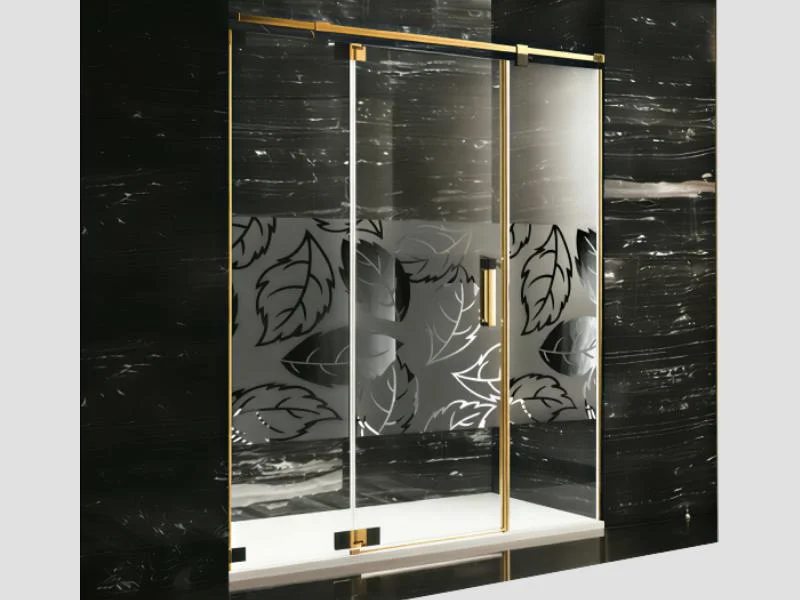
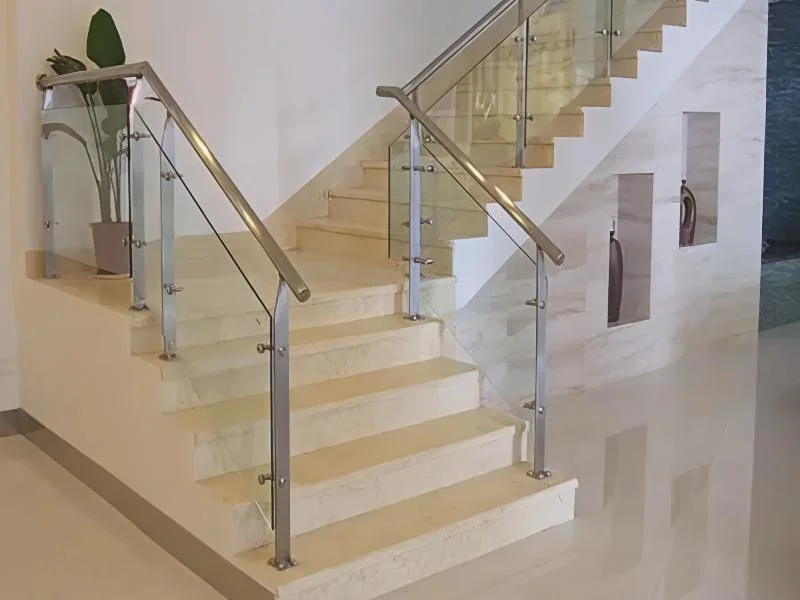
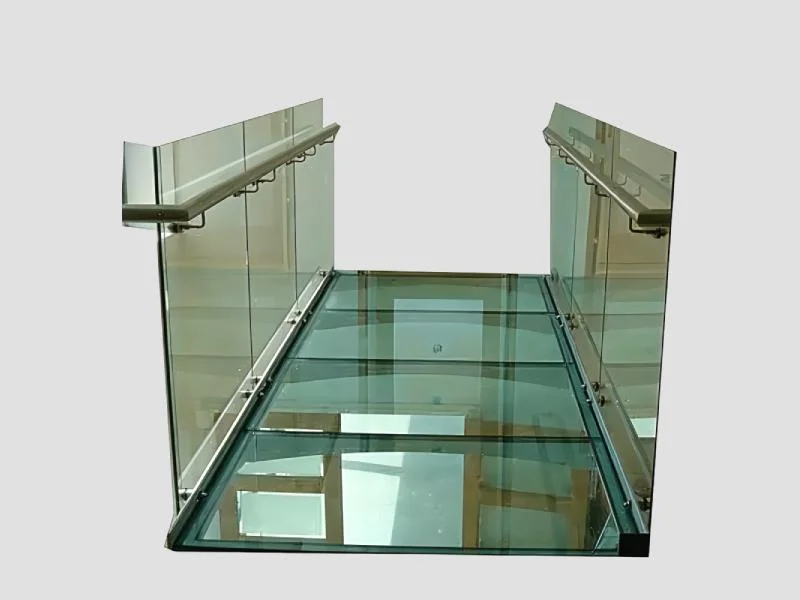
- Residential windows and balcony glazing installations.
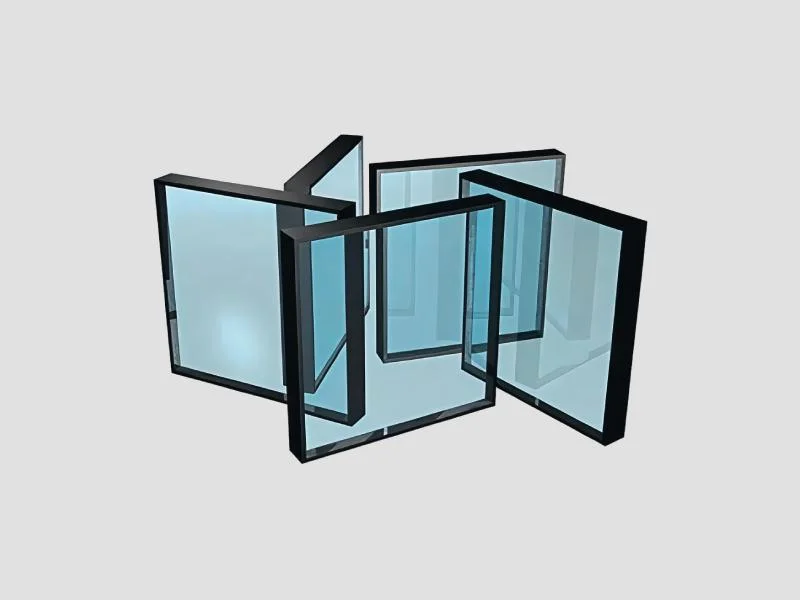
- Commercial building windows and exterior glazing systems.
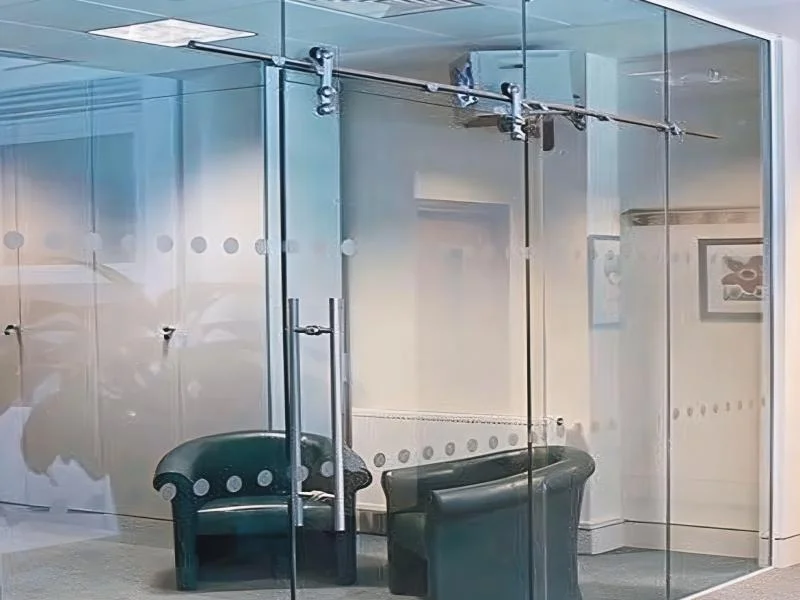
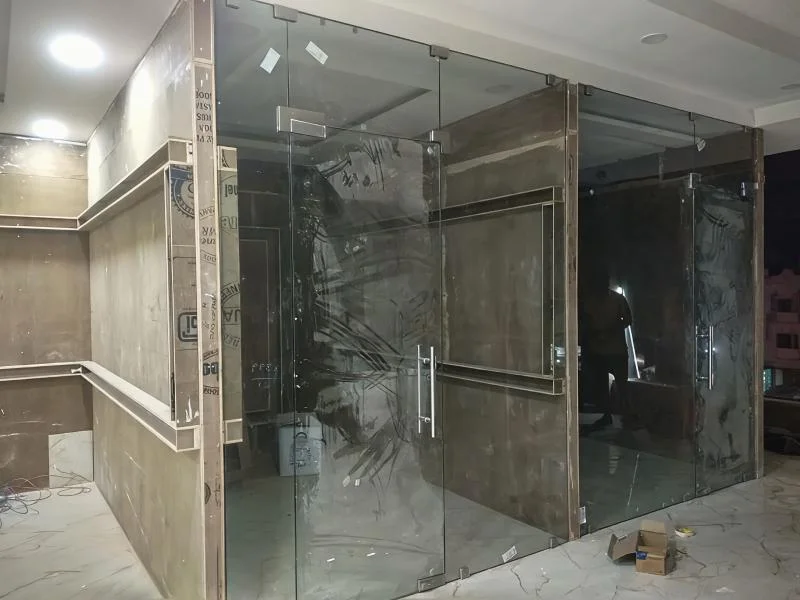
- Office partitions and interior glass installations.
- Glass facades for commercial and institutional buildings.
- Doors and entrance glazing systems designed for tempered glass.
- Retail showroom windows and display areas.
- Educational institutions, hospitals and other architectural spaces.

 IN
₹
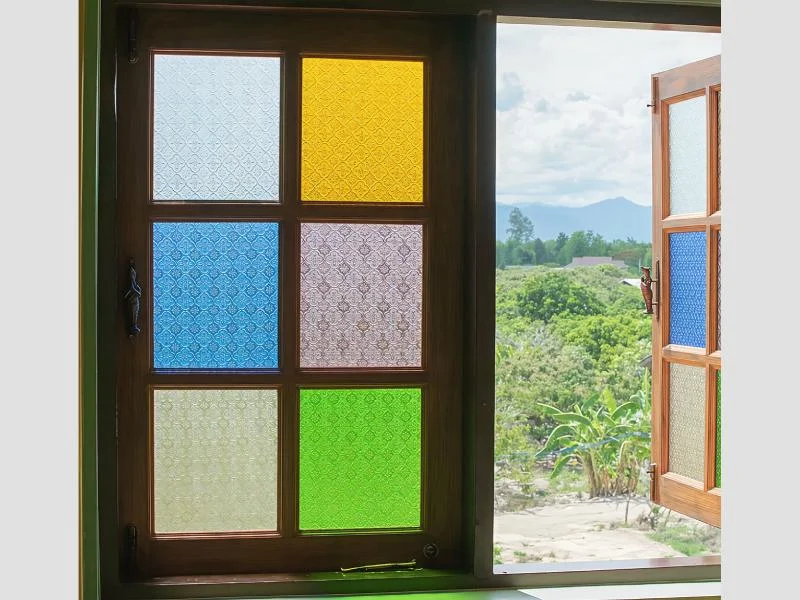
Description
The Clear Tempered Glass Window Panel is manufactured using a thermal tempering process in which glass is heated to a high temperature and rapidly cooled under controlled conditions. This process creates compressive stress on the glass surface, improving its mechanical strength and resistance to thermal stress compared with ordinary annealed glass of similar thickness. Its transparent finish provides clear outdoor visibility and supports natural daylight transmission, making it suitable for modern architectural designs. The smooth glass surface offers a clean appearance and can be incorporated into different window frames and glazing systems according to project requirements. The tempered glass is designed to provide improved safety characteristics. In the event of breakage, it generally fragments into relatively small, blunt-edged pieces instead of large sharp shards. It is commonly used in residential buildings, commercial complexes, offices and institutional facilities. Panel dimens...
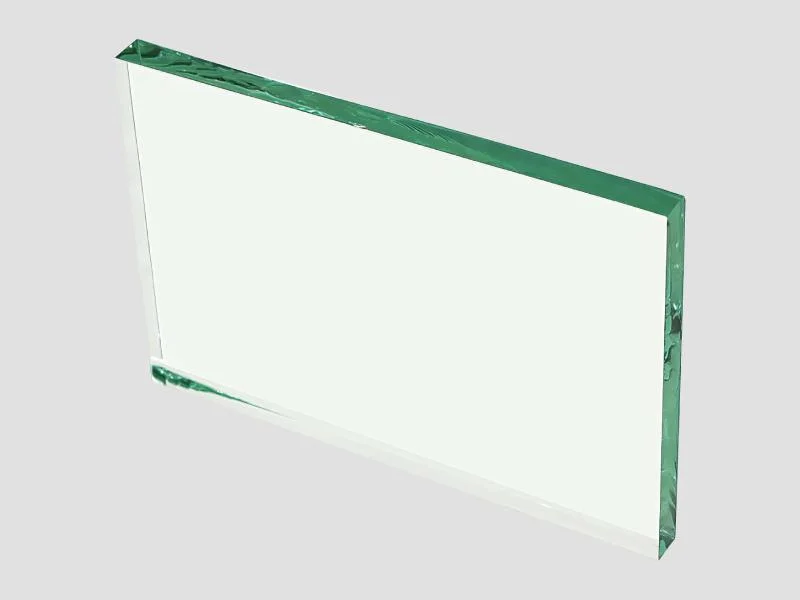
The Clear Tempered Glass Window Panel is manufactured using a thermal tempering process in which glass is heated to a high temperature and rapidly cooled under controlled conditions. This process creates compressive stress on the glass surface, improving its mechanical strength and resistance to thermal stress compared with ordinary annealed glass of similar thickness. Its transparent finish provides clear outdoor visibility and supports natural daylight transmission, making it suitable for modern architectural designs. The smooth glass surface offers a clean appearance and can be incorporated into different window frames and glazing systems according to project requirements. The tempered glass is designed to provide improved safety characteristics. In the event of breakage, it generally fragments into relatively small, blunt-edged pieces instead of large sharp shards. It is commonly used in residential buildings, commercial complexes, offices and institutional facilities. Panel dimensions, thickness, edge finishing and installation requirements can be selected according to the intended application and applicable safety standards.
Specifications
| Key Attributes | |
|---|---|
| Color | Clear |
| Thickness | 18 |
| Glass Type | Clear Float |
| Quality Grade | A |
| Surface Finish | Unpolished |
| Edge Work | Ground |
| Standard | IS 2835 |
| Additional Information | |
|---|---|
| Country of Origin | India |
Application
Trade Details
| Available Stock | In Stock |
| Sample Availability | No |
Payment Terms
| Payment Terms |
|
Company Profile

Glass Inc, Tamil Nadu
 Tamil Nadu, India
Manufacturer
Turn Over
Below ₹25 Lakhs
Factory Details
Factory Size1000-5000 sqm
Main Markets
India
Frequently Asked Questions
1
What is the main purpose of a Clear Tempered Glass Window Panel?
It is used for architectural glazing applications where transparency, improved mechanical strength and safety characteristics are required.
2
How is tempered glass different from ordinary window glass?
Tempered glass undergoes a controlled heating and rapid cooling process that improves its strength and changes its breakage pattern compared with ordinary annealed glass.
3
Does clear tempered glass allow natural light into a building?
Yes. Its transparent surface allows natural daylight to pass through while maintaining clear visibility.
4
Can tempered glass panels be cut after the tempering process?
No. Cutting, drilling and edge processing must generally be completed before tempering because these modifications can cause the glass to break.
Clear Tempered Glass Window Panel
The Clear Tempered Glass Window Panel is designed for residential, commercial and architectural glazing applications requiring transparency and improved impact resistance. Manufactured through a controlled heat-treatment process, the glass offers greater strength than ordinary annealed glass of comparable thickness. It provides clear visibility and allows natural light to enter interior spaces. When broken, tempered glass typically breaks into small granular pieces rather than large sharp shards, reducing the risk of serious injury. It is suitable for windows, building facades, office partitions and other architectural installations.
Min. Order Quantity: 1 piece
Shipping
Shipping fee and delivery date to be negotiated. Contact supplier now for more details.
Glass Inc
 Tamil Nadu, India
Manufacturer