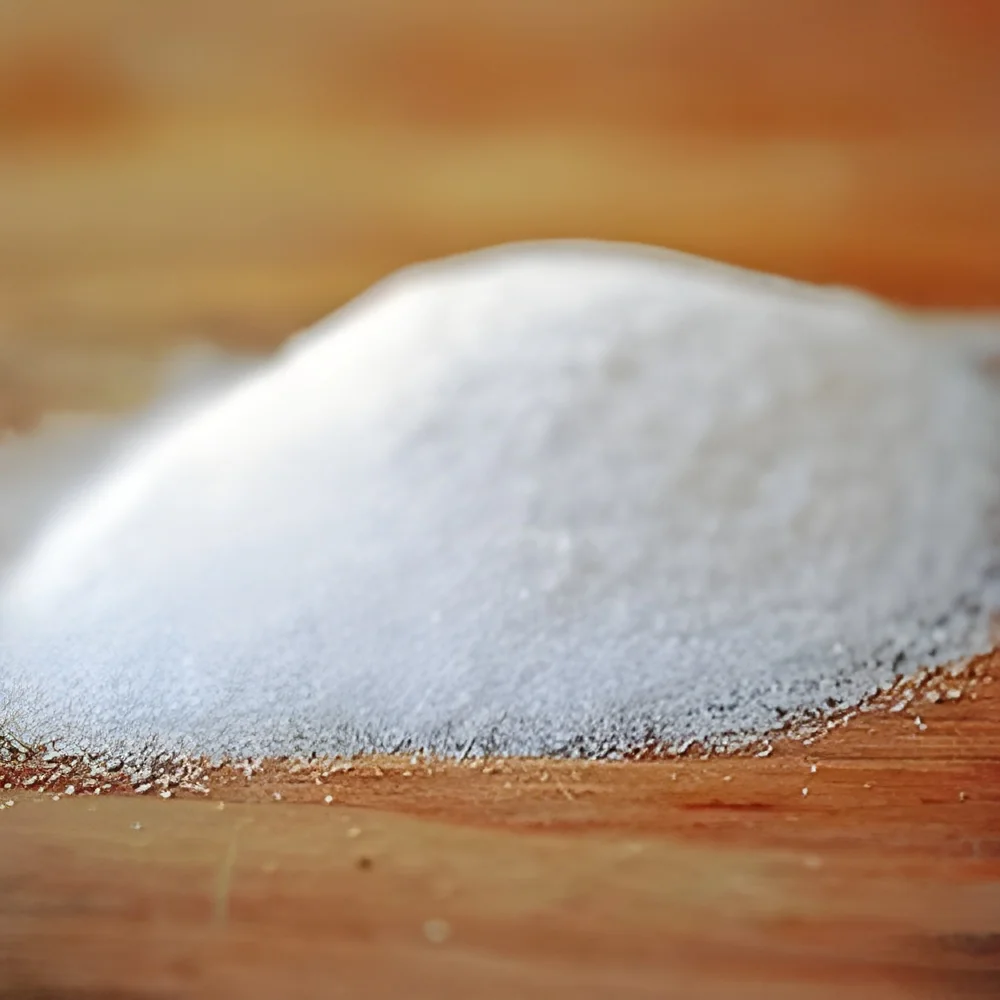
What are Castor Sugar?
Castor sugar, also known as superfine sugar, is a finely granulated sugar that dissolves quickly, making it ideal for various culinary applications. It is produced by grinding granulated sugar into a fine powder, which results in a texture that is smoother than standard sugar. This sugar type is commonly used in recipes where a quick dissolution is necessary, such as in beverages, meringues, and delicate desserts.
In the food and beverage industry, castor sugar is prevalent due to its versatility. It is often used in baking, cocktail mixing, and sweetening whipped creams. Industries such as confectionery and pastry production rely on castor sugar for its ability to blend seamlessly into mixtures without leaving a gritty texture. The market for castor sugar continues to grow, driven by the rising demand for convenience in food preparation and the increasing popularity of baking at home.
Key Features and Specifications
Castor sugar is characterized by its fine texture and quick solubility, which are essential for specific culinary tasks. The following specifications highlight its attributes:
1. Texture
- Finely granulated for quick dissolution
- Ideal for recipes requiring smooth mixtures
2. Granulation Size
- Typically measured in microns
- Allows for rapid integration into liquid and batter
3. Purity
- Generally 99.9% pure
- Minimal impurities ensure consistent quality
4. Moisture Content
- Maintained at a low level to prevent clumping
- Usually below 0.5% for optimal performance
5. Packaging Options
- Available in bulk and retail sizes
- Common packaging includes 25 kg bags for industrial use
6. Shelf Life
- Long shelf life when stored in a cool, dry place
- Typically ranges from 18 months to 2 years
7. Color
- White, with no discoloration
- Conforms to food safety standards for appearance
8. Solubility
- Dissolves quickly in both hot and cold liquids
- Essential for beverages and delicate desserts
Overall, the specifications of castor sugar highlight its suitability for various applications, solidifying its place in the food industry.
Common Applications and Use Cases
Castor sugar finds its place in a variety of industries due to its unique properties.
1. Bakery: In the baking industry, castor sugar is essential for producing light and airy cakes, cookies, and pastries, as it dissolves quickly and evenly in batters.
2. Beverage Production: Castor sugar is commonly used in cocktail mixing and sweetening iced beverages, allowing for a smooth texture that enhances flavor.
3. Confectionery: In candy making, castor sugar helps achieve the desired texture and sweetness in products like fondant and fudge.
4. Dairy Products: It is often used in whipped cream and other dairy applications, ensuring a fine blend without graininess.
5. Frozen Desserts: Castor sugar is ideal for sorbets and ice creams, providing sweetness without affecting the texture.
6. Food Service: Restaurants and cafes utilize castor sugar for quick service in drinks and desserts, ensuring customer satisfaction.
7. Home Baking: As more consumers engage in home baking, castor sugar has gained popularity for its convenience and ease of use.
Product Variants and Subcategories
Castor sugar comes in several forms, each catering to different culinary needs.
Fine Castor Sugar
This variant is even finer than regular castor sugar and is perfect for delicate desserts such as soufflés and mousses, where a smooth texture is crucial.
Organic Castor Sugar
Made from organically grown sugar cane, this variant appeals to health-conscious consumers and is often used in natural food products.
Brown Castor Sugar
With a hint of molasses, brown castor sugar adds a unique flavor to baked goods and is popular in recipes that require a richer taste.
Benefits and Advantages
Choosing castor sugar offers several advantages in food preparation.
1. Quick Dissolution: Its fine texture allows it to dissolve rapidly in both hot and cold mixtures, saving time in food preparation.
2. Smooth Texture: Castor sugar ensures a non-gritty finish in baked goods and beverages, enhancing the overall eating experience.
3. Versatility: It can be used across various applications, from baking to beverage production, making it a staple in many kitchens.
4. Consistent Quality: With high purity levels, castor sugar provides uniform sweetness and performance in recipes.
5. Extended Shelf Life: Properly stored castor sugar maintains its quality over time, making it a reliable ingredient for businesses.
6. Ease of Use: Its fine granulation simplifies measuring and mixing, making it user-friendly for both professional chefs and home bakers.
Buying Guide for B2B Buyers
When sourcing castor sugar for your business, it is essential to consider several key factors.
1. Quality Assessment: Ensure that the castor sugar meets industry standards for purity and granulation. Look for suppliers who provide quality certifications.
2. Supplier Verification: Vet potential suppliers by checking their reputation, reliability, and compliance with food safety regulations. A verified supplier reduces risks in your supply chain.
3. Pricing and MOQ: Compare prices across different suppliers and understand their minimum order quantities to find the best deal for your business needs.
4. Delivery and Lead Times: Discuss logistics and delivery times with suppliers to ensure that they can meet your operational requirements without delays.
5. Compliance Requirements: Ensure that the castor sugar complies with local and international food safety regulations. Certifications such as CE may be necessary for importation.
Compliance and Certifications
Castor sugar must adhere to various quality standards and certifications to ensure safety and efficacy in food applications.
ISO 9001 is a standard that ensures consistent quality management systems. Manufacturers producing castor sugar should comply with this standard to guarantee product quality.
HACCP (Hazard Analysis Critical Control Point) is a systematic approach to food safety that identifies and controls potential hazards. Compliance with HACCP ensures that castor sugar is produced under safe conditions.
CE certification indicates that the product meets European safety and environmental requirements. While not always required for food products, it can be an advantage in certain markets.
Safety and testing requirements are crucial for ensuring that castor sugar does not contain harmful substances. Regular testing for purity and contaminants is necessary to maintain compliance.
Regional compliance considerations may vary, so it is vital for businesses to be aware of local regulations regarding food ingredients.
Why Source Castor Sugar from Pepagora?
Pepagora is a trusted platform for sourcing castor sugar, offering several key advantages to businesses.
Verified Supplier Network: Pepagora connects buyers with a network of verified suppliers who meet stringent quality and safety standards. This ensures that buyers can source high-quality castor sugar with confidence.
Streamlined RFQ Process: The platform provides an efficient Request for Quotation (RFQ) system, allowing buyers to easily obtain quotes from multiple suppliers, saving time and effort in procurement.
Trade Assurance and Support: With trade assurance policies, Pepagora offers buyers protection against potential disputes, ensuring smooth transactions and peace of mind.
Regional Coverage: Pepagora's extensive geographic reach includes India, the GCC, and Southeast Asia, making it a convenient option for businesses looking for reliable castor sugar suppliers in these regions.
By leveraging the advantages provided by Pepagora, businesses can effectively meet their castor sugar sourcing needs while ensuring quality and compliance.

 IN
IN