IN
IN₹
Apparel & Fashion
Description
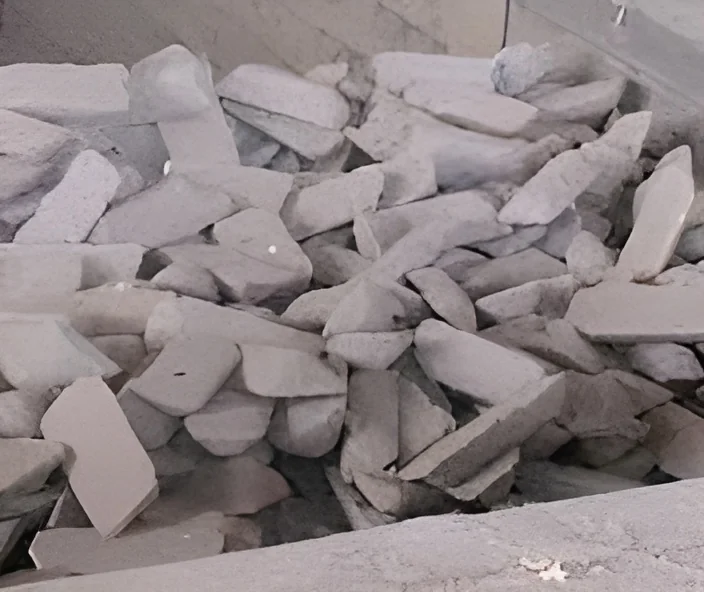
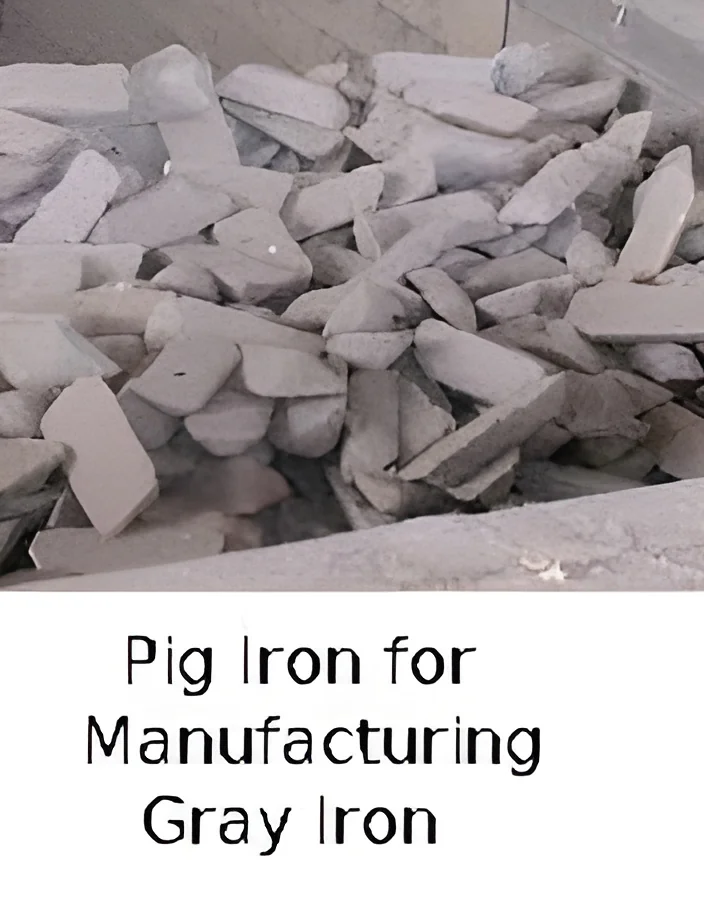
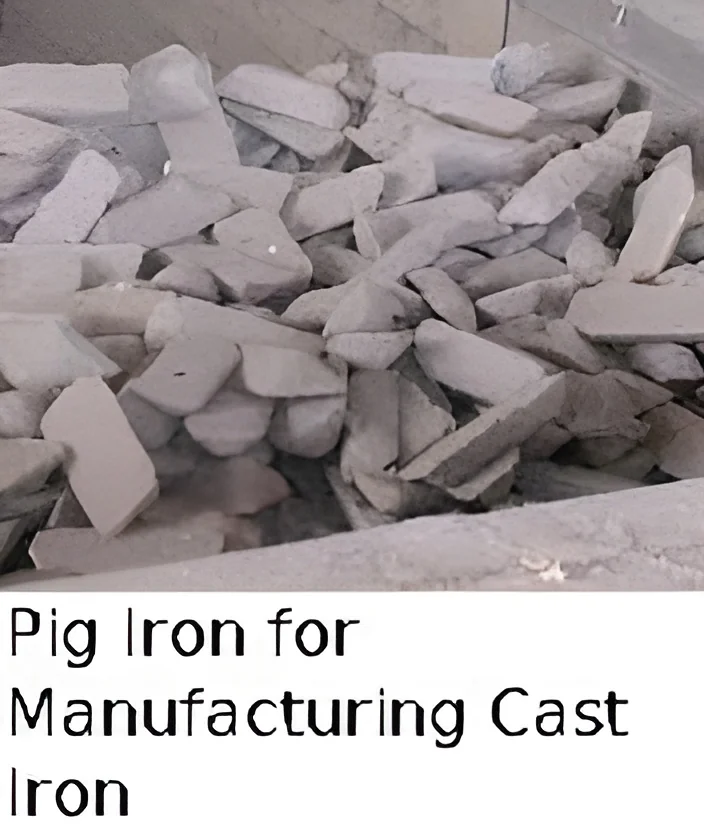
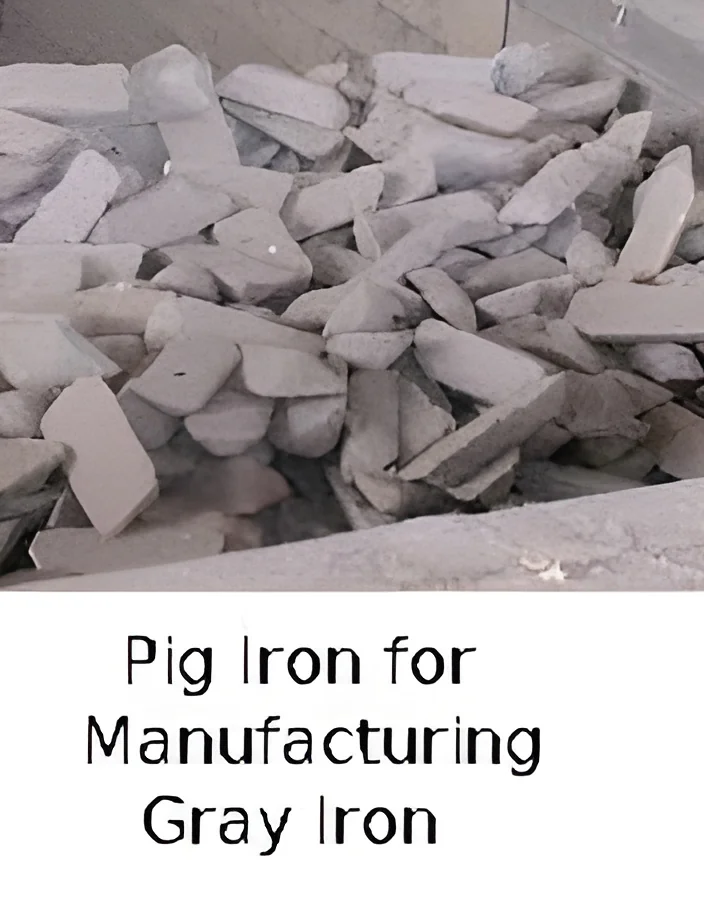
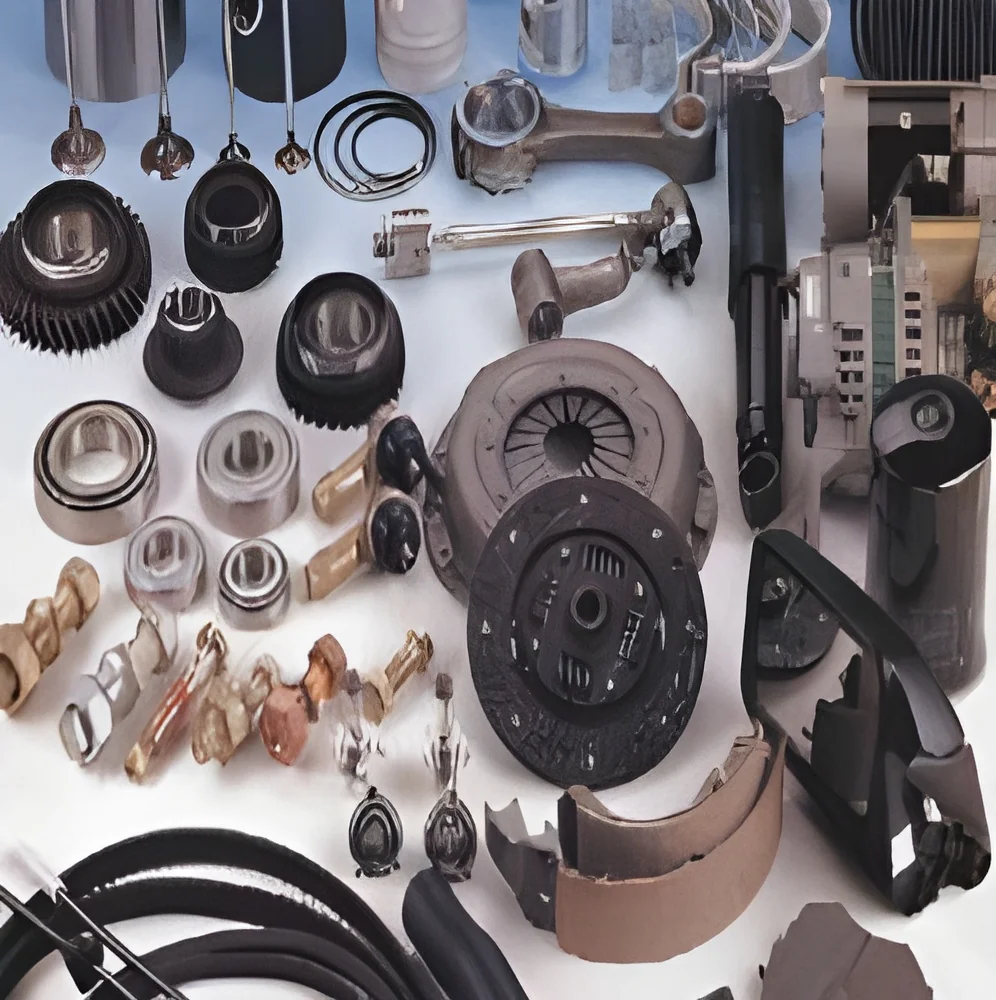
Our Automotive Manufacturing Premium Pig Iron is specifically engineered for automotive applications, providing foundries and parts manufacturers with a reliable base material for producing high-quality automotive components. This premium material features excellent chemical composition with consistent carbon content, silicon levels, and controlled impurities that ensure predictable performance during melting and casting processes. The low melting point characteristic allows for energy-efficient production while maintaining superior fluidity for complex mold filling, making it ideal for intricate automotive part designs requiring precise dimensional accuracy and excellent surface finish quality.

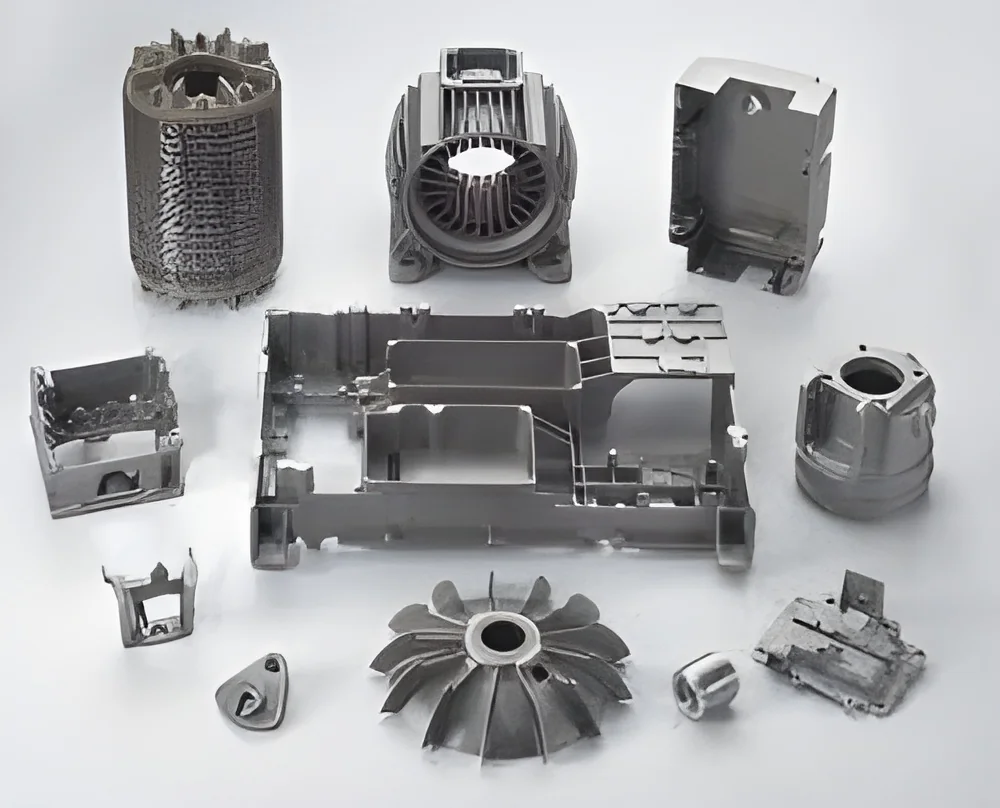
Automotive manufacturers worldwide utilize our pig iron for critical components including engine blocks, transmission cases, brake systems, and structural chassis parts. The material's consistent properties make it particularly valuable for automotive foundries producing safety-critical compon...
Our Automotive Manufacturing Premium Pig Iron is specifically engineered for automotive applications, providing foundries and parts manufacturers with a reliable base material for producing high-quality automotive components. This premium material features excellent chemical composition with consistent carbon content, silicon levels, and controlled impurities that ensure predictable performance during melting and casting processes. The low melting point characteristic allows for energy-efficient production while maintaining superior fluidity for complex mold filling, making it ideal for intricate automotive part designs requiring precise dimensional accuracy and excellent surface finish quality.

Automotive manufacturers worldwide utilize our pig iron for critical components including engine blocks, transmission cases, brake systems, and structural chassis parts. The material's consistent properties make it particularly valuable for automotive foundries producing safety-critical components that must meet stringent industry standards and regulatory requirements. Major automotive suppliers and OEM manufacturers trust this material for its reliability in high-volume production environments where consistency directly impacts manufacturing efficiency and final product performance across passenger vehicles, commercial trucks, and specialized automotive applications.

The business value of our pig iron extends beyond material specifications to include supply chain reliability and manufacturing efficiency gains. Automotive parts manufacturers benefit from reduced rejection rates, lower energy consumption during melting, and improved machining characteristics in finished components. Our quality assurance processes ensure batch-to-batch consistency, providing manufacturers with material reliability that translates to reduced downtime, lower total production costs, and enhanced competitive advantage in demanding global automotive markets.

Key Features:
- Consistent chemical composition with controlled carbon and silicon content
- Low melting point for energy-efficient production processes
- Excellent anti-oxidant properties preventing material degradation
- Uniform microstructure ensuring predictable casting performance
- Reliable batch-to-batch consistency for manufacturing stability

Benefits:
- Reduced rejection rates and improved production efficiency
- Lower energy consumption during melting processes
- Enhanced machining characteristics in finished components
- Predictable performance in critical automotive applications
- Supply chain reliability for uninterrupted manufacturing operations
Specifications
| Additional Information | |
|---|---|
| Country of Origin | India |
Application
Premium pig iron serves as the essential base material for automotive manufacturing, providing the foundation for durable engine blocks, transmission cases, and brake components. Its consistent quality ensures reliable performance where strength and precision are critical for vehicle safety and operational longevity across various automotive applications.
This material is engineered specifically for automotive foundries and parts manufacturers requiring uniform chemical properties and predictable melting characteristics. The composition enables efficient casting processes while maintaining structural integrity in finished components that must endure extreme operating conditions and meet rigorous performance standards in demanding automotive environments.
- Engine blocks and cylinder heads requiring high strength and heat resistance
- Brake drums and discs demanding consistent metallurgical properties
- Transmission cases and housing components needing dimensional stability
- Steering system components requiring reliable durability under stress
- Chassis parts and suspension components maintaining structural integrity
Trade Details
| Available Stock | In Stock |
| Sample Availability | No |
Payment Terms
| Payment Terms |
|
Company Profile
Ispat Udyog, New Delhi
 New Delhi, India
New Delhi, IndiaManufacturer•Distributor / Wholesaler•Importer / Exporter
Factory Details
Factory SizeBelow 1000 sqm
Annual Production Capacity0
Automotive Manufacturing Premium Pig Iron For High Quality Auto Parts
Automotive Manufacturing Premium Pig Iron delivers superior chemical composition, low melting point, and anti-oxidant properties for high-quality auto parts manufacturing, ensuring reliable performance in critical automotive castings and components.
Min. Order Quantity: 1 unit
Shipping
Shipping fee and delivery date to be negotiated. Contact supplier now for more details.
Ispat Udyog
 New Delhi, India
New Delhi, IndiaManufacturer