IN
IN₹
Apparel & Fashion
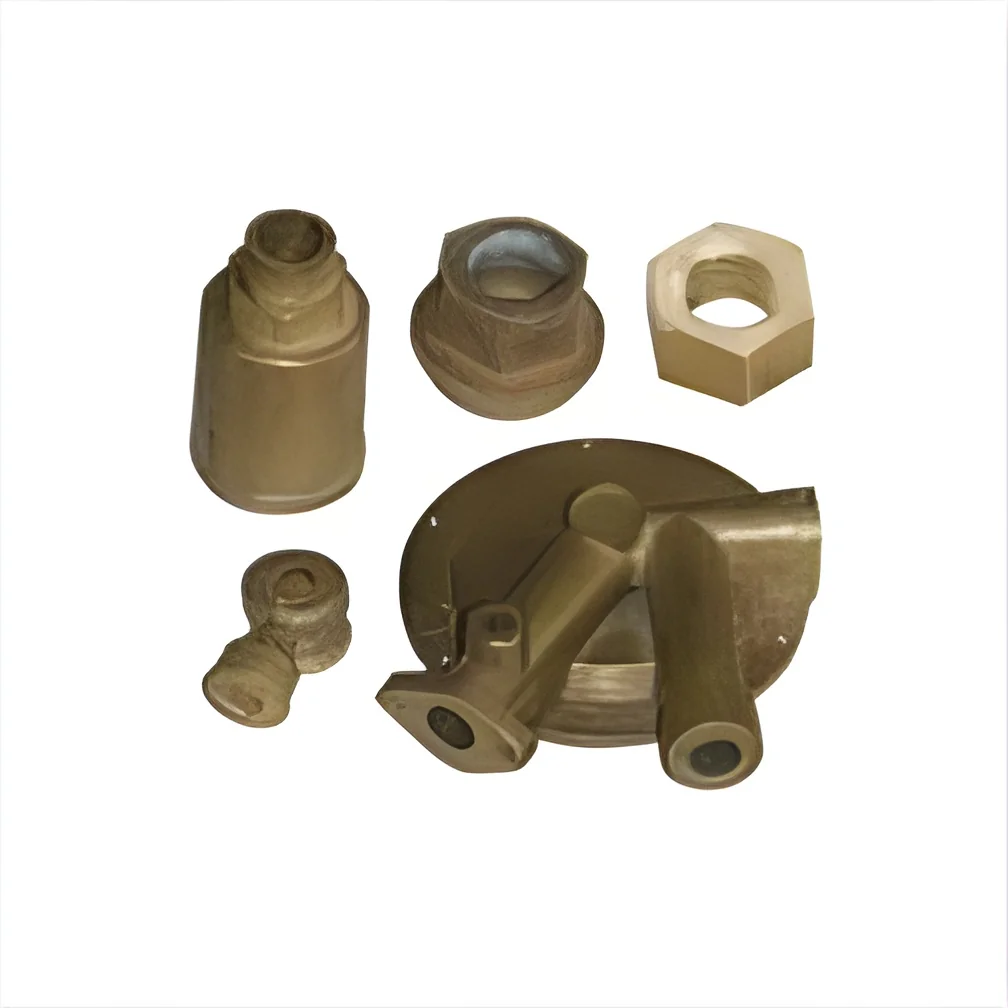
Description
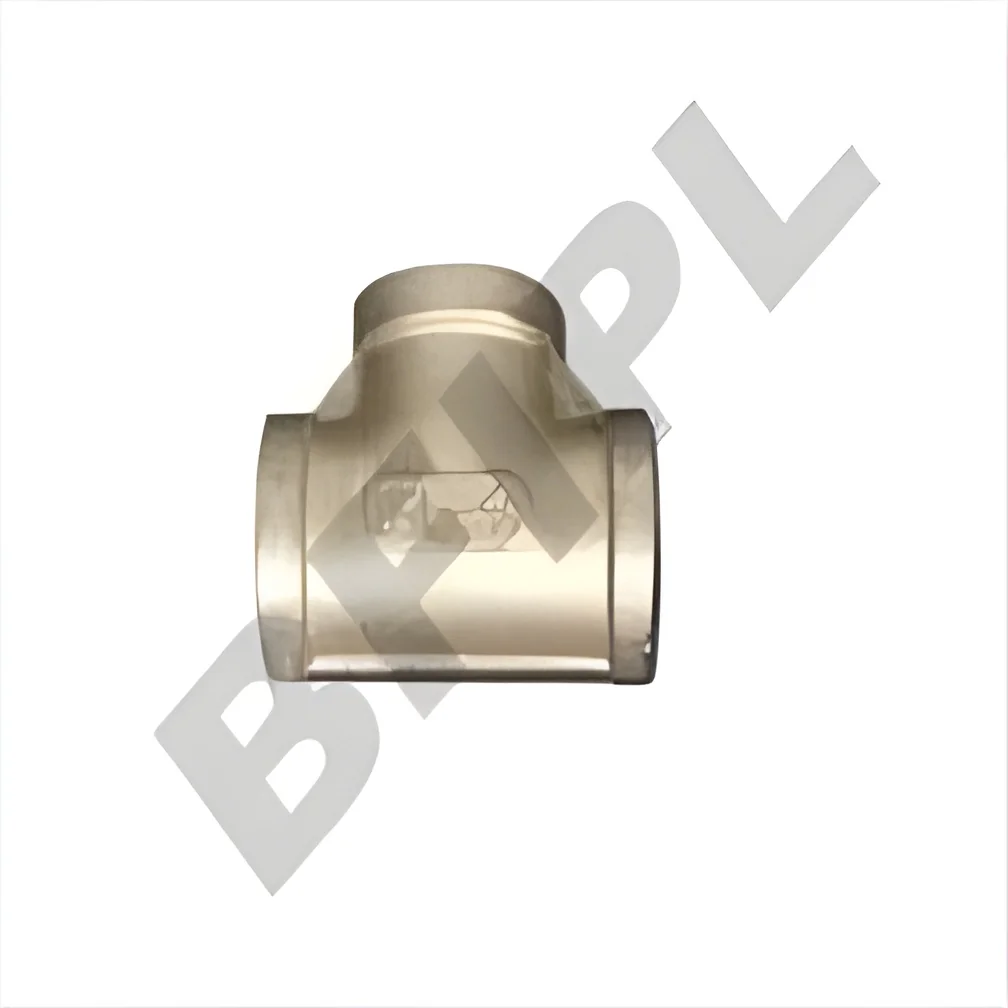
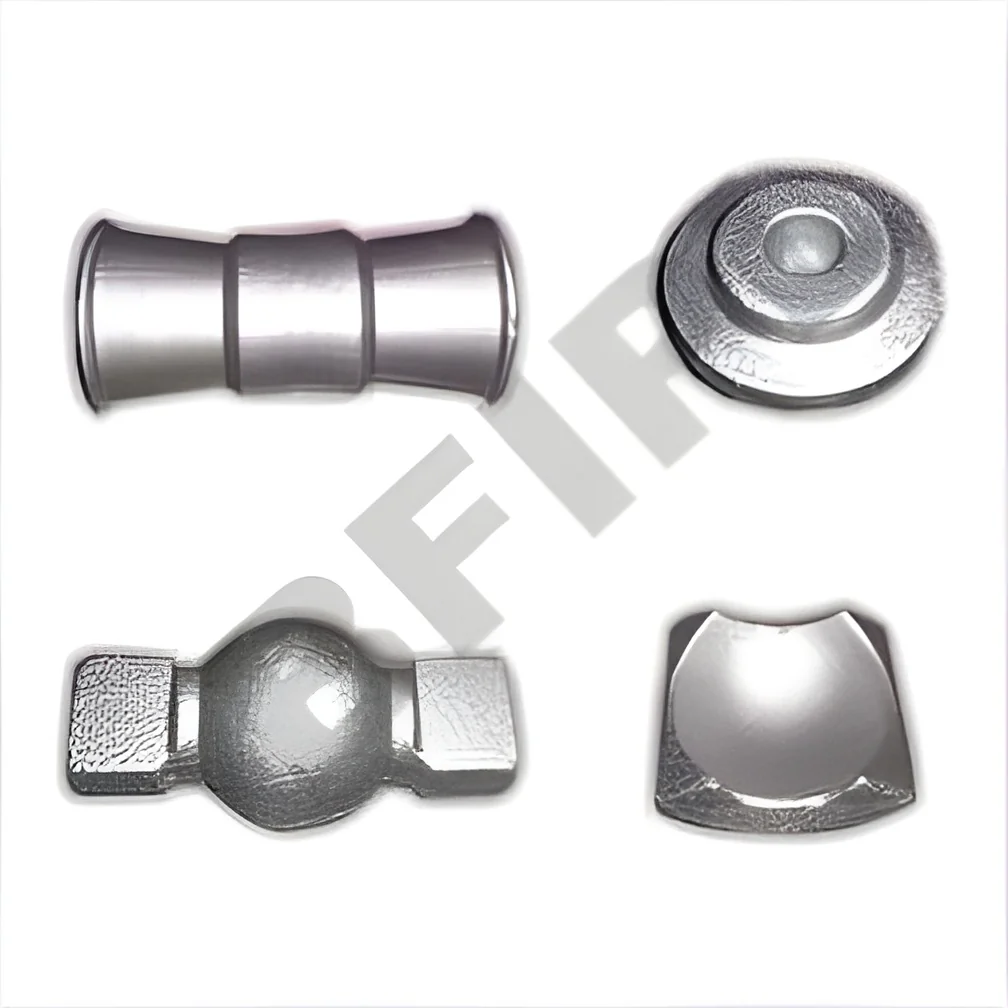
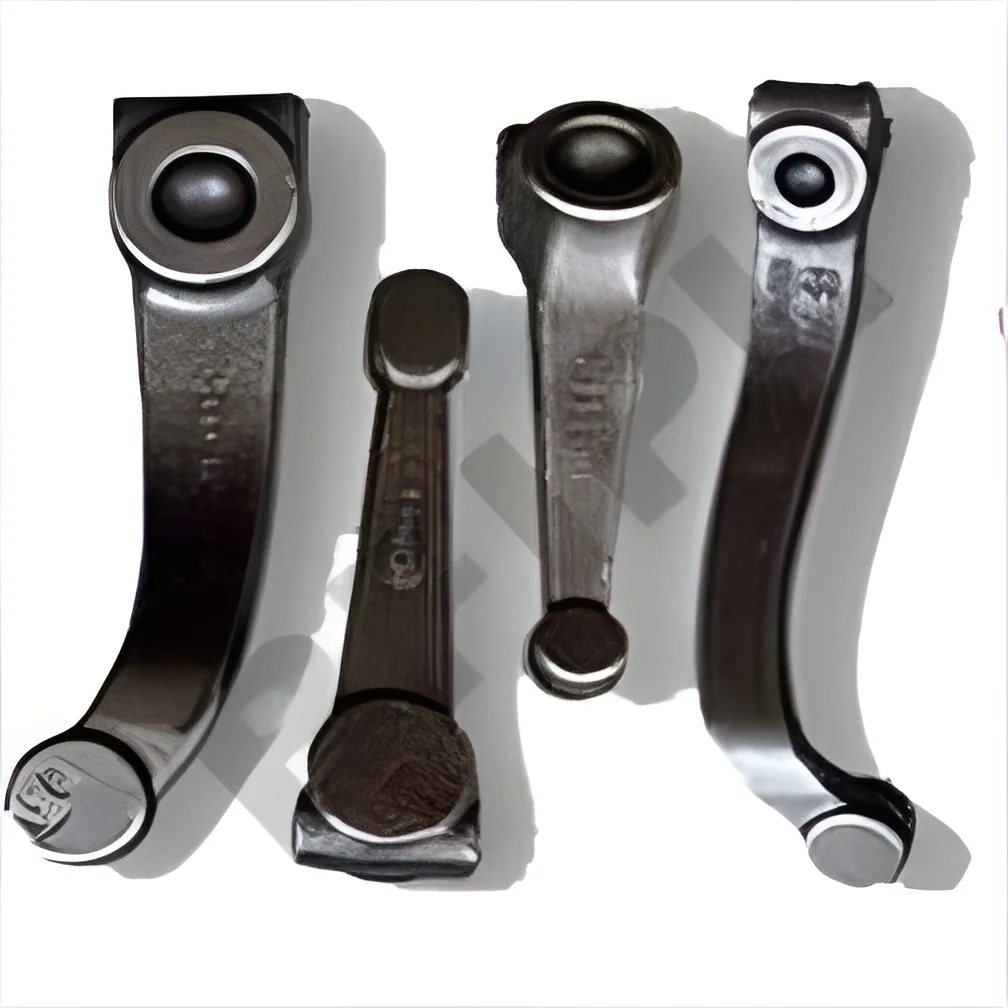
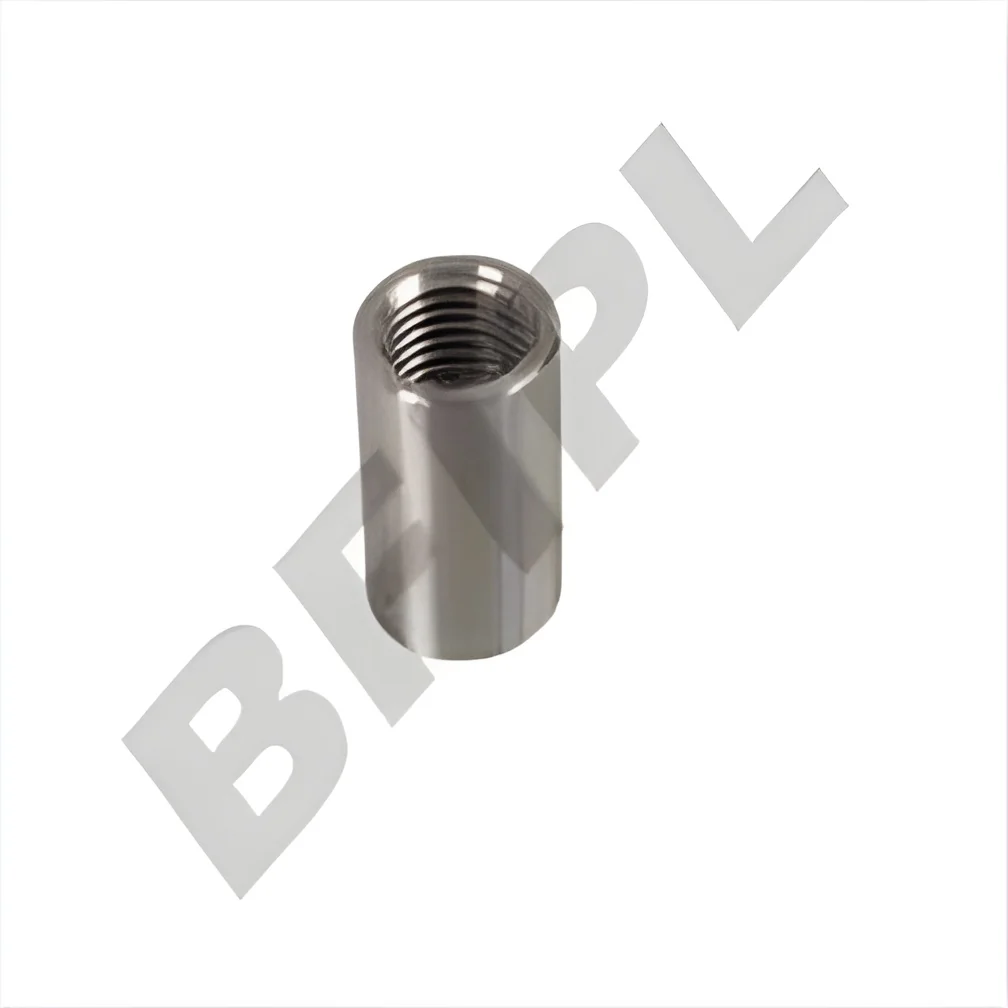
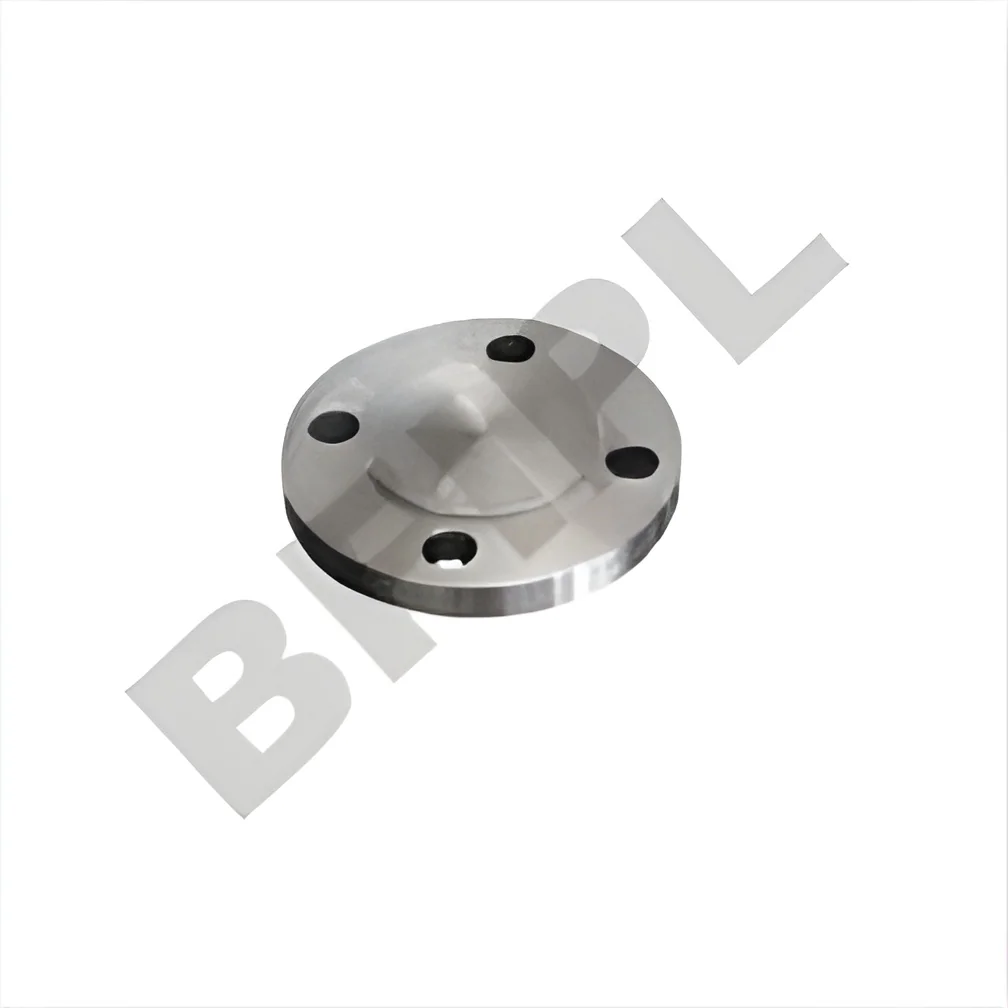
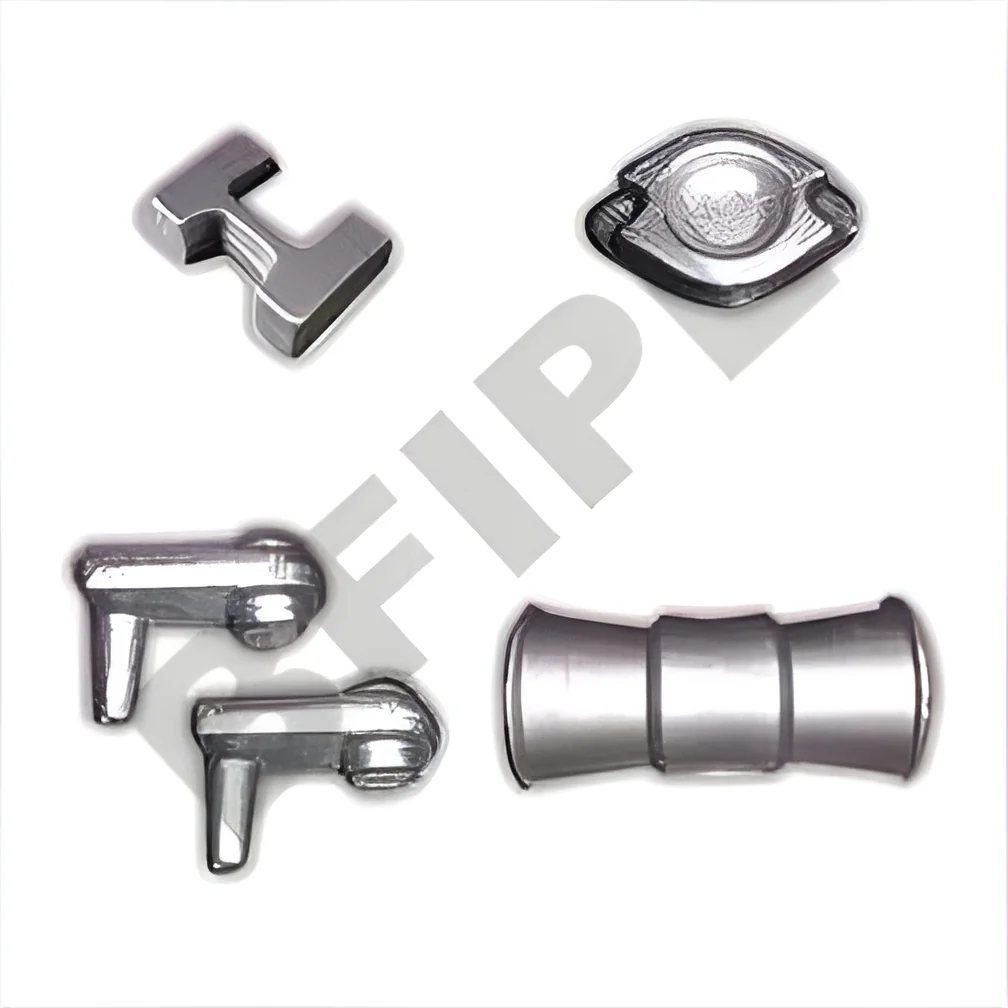
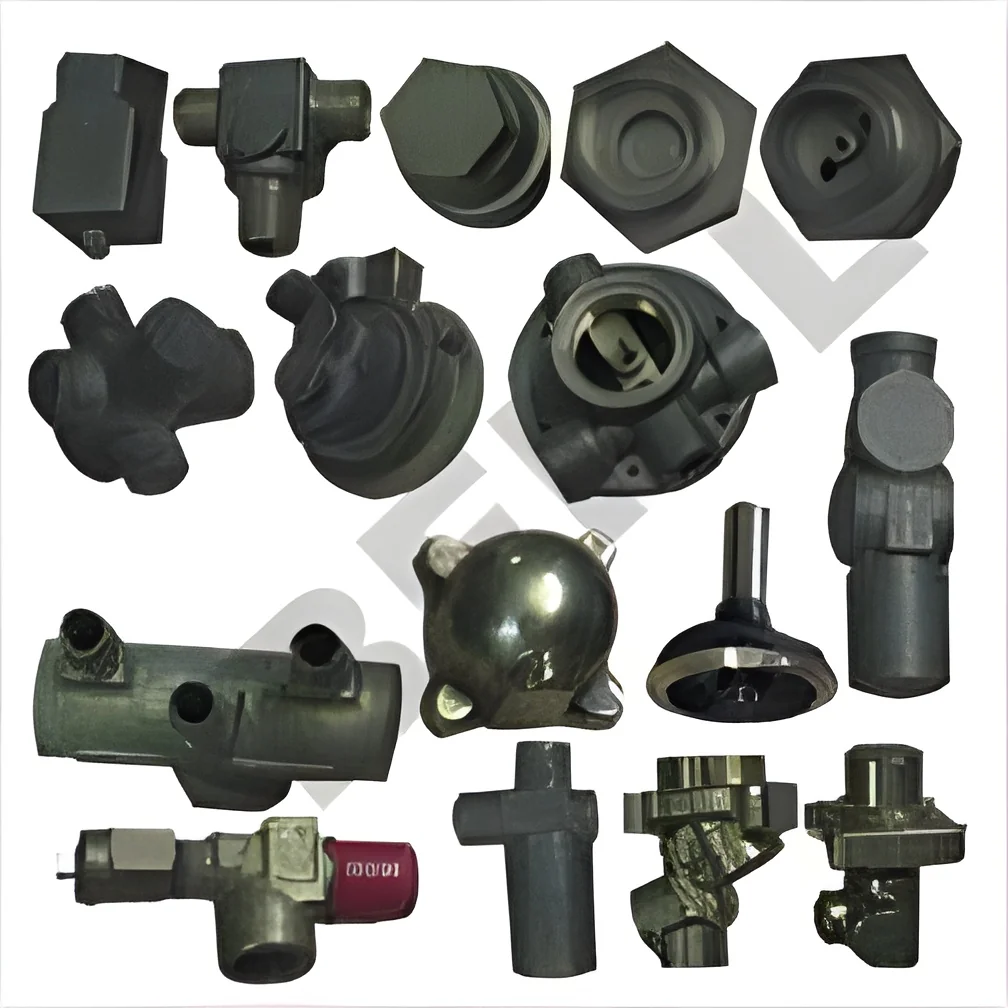
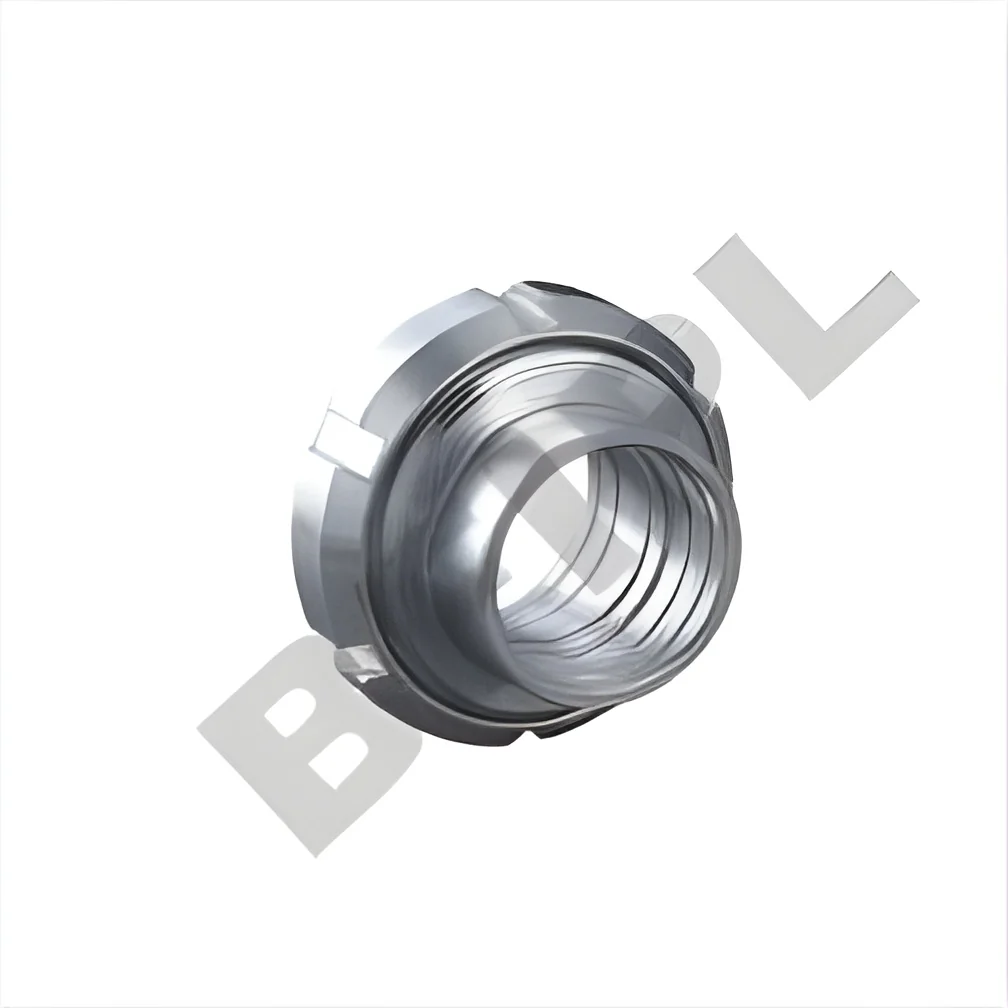
Industrial brass forging components represent precision manufacturing at its finest, combining traditional forging expertise with modern quality assurance protocols. These components are crafted from premium brass alloy through controlled forging processes that enhance material density and structural integrity. The result is parts that demonstrate superior mechanical properties compared to casting or machining methods, with improved fatigue resistance and load-bearing capacity. Each component undergoes rigorous inspection to ensure dimensional accuracy and material consistency, providing manufacturers with reliable parts that integrate seamlessly into their production processes. The standard specifications ensure compatibility with existing systems while maintaining the quality standards that industrial applications demand.

These brass forgings serve critical functions across multiple industrial sectors where performance cannot be compromised. The automotive industry utilizes them in ...
Industrial brass forging components represent precision manufacturing at its finest, combining traditional forging expertise with modern quality assurance protocols. These components are crafted from premium brass alloy through controlled forging processes that enhance material density and structural integrity. The result is parts that demonstrate superior mechanical properties compared to casting or machining methods, with improved fatigue resistance and load-bearing capacity. Each component undergoes rigorous inspection to ensure dimensional accuracy and material consistency, providing manufacturers with reliable parts that integrate seamlessly into their production processes. The standard specifications ensure compatibility with existing systems while maintaining the quality standards that industrial applications demand.

These brass forgings serve critical functions across multiple industrial sectors where performance cannot be compromised. The automotive industry utilizes them in transmission systems, brake components, and fuel delivery mechanisms where reliability directly impacts vehicle safety. Plumbing and hydraulic system manufacturers specify brass forgings for valve bodies, connectors, and fittings that must maintain leak-proof performance under varying pressure conditions. Electrical equipment producers rely on these components for switchgear, terminal blocks, and conductive elements that require excellent electrical properties combined with mechanical strength. The marine sector depends on brass forgings for navigation instruments, control systems, and hardware that withstand corrosive saltwater environments while maintaining precise operation.

The fundamental business value of these brass forging components lies in their ability to reduce total operational costs through extended service life and minimized downtime. While the initial investment may be higher than alternative manufacturing methods, the superior durability and consistent performance translate to significant long-term savings. The reliable construction means fewer replacements, reduced maintenance interventions, and decreased production interruptions due to component failure. Manufacturers benefit from the predictable performance that supports efficient production planning and quality control. The standardized specifications ensure consistent supply chain performance, giving procurement teams confidence in material availability and component interoperability across production batches and equipment generations.

Key Features:
- Precision brass forging process enhances material strength and durability
- Standard specifications ensure compatibility with industrial equipment
- Brass alloy construction provides excellent corrosion resistance
- Strong and sturdy design withstands demanding operational conditions
- Consistent quality maintained through rigorous manufacturing controls

Benefits:
- Extended service life reduces replacement frequency and costs
- Reliable performance minimizes production downtime and maintenance
- Corrosion resistance maintains functionality in harsh environments
- Standard specifications ensure easy integration with existing systems
- Consistent quality supports predictable manufacturing outcomes
Specifications
| Key Attributes | |
|---|---|
| Forging Type | Brass Forging |
| Material | Brass |
| Alloy Or Not | Alloy |
| Condition | New |
| Standard Or Non Standard | Standard |
| Supply Type | OEM |
| Price | Negotiable |
| Features | Reliable and Durable |
| Construction | Strong And Sturdy |
| Dimension | As per Clients Request |
| Packing Material | Carton Box |
| Size | As Per Customer Requirement |
| Shape | As Per Customer Requirement |
| Additional Information | |
|---|---|
| Country of Origin | India |
Application
Industrial brass forging components deliver exceptional performance across multiple sectors where reliability and corrosion resistance are critical. These precision-engineered parts maintain dimensional stability under pressure and temperature variations, making them suitable for demanding operational environments. The brass alloy composition ensures consistent mechanical properties and excellent machinability for complex component requirements.
Manufacturers choose brass forgings for their superior strength-to-weight ratio and resistance to wear in continuous operation. The forging process enhances grain structure, resulting in components that withstand vibration, impact, and thermal cycling better than cast alternatives. Industries benefit from the material's natural lubricity and anti-galling properties, which reduce maintenance needs and extend service life in moving assemblies.
- Valve bodies and fittings for plumbing and fluid control systems
- Gear components and transmission parts in automotive assemblies
- Electrical connectors and terminal blocks for power distribution
- Marine hardware and navigation equipment components
- Pump housings and hydraulic system parts for industrial machinery
Trade Details
| Available Stock | In Stock |
| Sample Availability | No |
Payment Terms
| Payment Terms |
|
Company Profile

Best Forging India(P) Ltd, Tamil Nadu
 Tamil Nadu, India
Tamil Nadu, IndiaTools & Hardware•Manufacturer•Distributor / Wholesaler•Importer / Exporter
Factory Details
Factory Size1000-5000 sqm
No. of Production Lines3
Annual Production Capacity0 a:1:{i:0;s:4:"Tons";}
Main Markets
Mid East
Eastern Asia
South Asia
Southeast Asia
Industrial Brass Forging Components Durable Standard OEM
Industrial brass forging components provide durable standard OEM parts for machinery and equipment. These reliable brass alloy forgings feature strong construction and precise specifications for industrial applications requiring corrosion resistance and longevity.
Min. Order Quantity: 5 Pieces
Shipping
Shipping fee and delivery date to be negotiated. Contact supplier now for more details.
Best Forging India(P) Ltd
 Tamil Nadu, India
Tamil Nadu, IndiaTools & HardwareManufacturer