What are Blood Collection Needles?
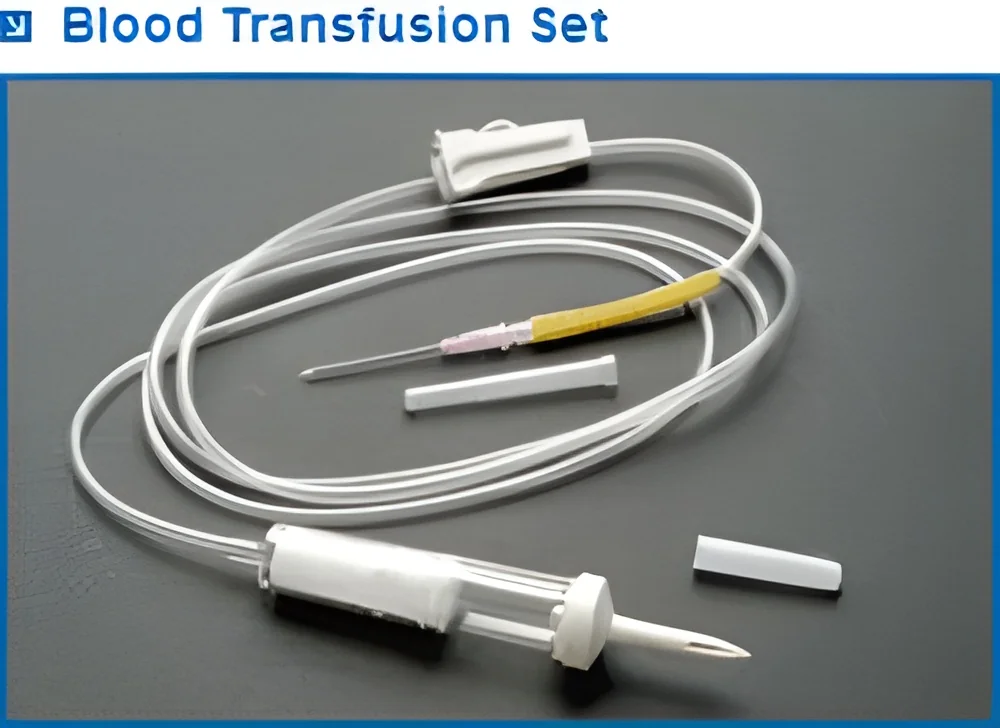
Blood collection needles are specialized medical devices designed for drawing blood from patients for diagnostic testing, transfusions, or other medical procedures. These needles are engineered for precision and safety, ensuring minimal discomfort for patients while allowing healthcare professionals to efficiently collect blood samples.
Primarily used in hospitals, laboratories, and clinics, blood collection needles are essential for a variety of applications including routine blood tests, blood typing, and therapeutic blood draws. Their design focuses on ease of use and reliability, which are crucial in medical settings where accurate blood sampling is paramount. The growing demand for blood testing and transfusion services has led to an increasing market for these essential medical tools.
In the context of the healthcare industry, blood collection needles are critical components of patient care and diagnostics. With advancements in technology and materials, the market is seeing innovations that enhance safety features, reduce pain, and improve the overall efficiency of blood collection procedures, making this a relevant and evolving sector within medical supplies.
Key Features and Specifications
Blood collection needles come with a range of features and specifications that cater to various medical needs. These specifications are crucial in ensuring that the needles perform optimally and meet the requirements of healthcare professionals.
Key specifications include:
1. Needle Gauge
- The gauge indicates the diameter of the needle.
- Common gauges range from 16 to 23, with lower numbers indicating larger diameters.
2. Length
- The length of the needle can vary to accommodate different collection techniques.
- Standard lengths typically range from 1 inch to 1.5 inches.
3. Safety Features
- Many needles are equipped with safety mechanisms to prevent needlestick injuries.
- These features may include retractable needles or safety caps.
4. Material Composition
- Blood collection needles are often made from stainless steel for durability and sterility.
- Some needles may have coatings to facilitate smoother insertion.
5. Sterilization
- Needles are usually provided in sterile packaging to prevent contamination.
- Common sterilization methods include ethylene oxide and gamma radiation.
6. Luer Lock Compatibility
- Many blood collection needles feature a Luer lock design for secure attachment to syringes.
- This compatibility ensures reliable performance during blood collection.
7. Packaging Options
- Blood collection needles are available in bulk or individual sterile packs.
- Packaging options may vary based on the supplier and intended use.
8. Color Coding
- Needles are often color-coded by gauge for easy identification.
- This system helps healthcare providers select the appropriate needle quickly.
In summary, understanding the features and specifications of blood collection needles is essential for healthcare providers to choose the right products for their needs.
Common Applications and Use Cases
Blood collection needles are utilized across various industries, primarily in healthcare settings.
1. Hospitals: Blood collection needles are extensively used in hospitals for routine blood tests, emergency blood draws, and transfusions. Their design ensures patient comfort and efficient sample collection.
2. Diagnostic Laboratories: In diagnostic labs, these needles facilitate the collection of blood samples for various tests, including metabolic panels, complete blood counts, and infectious disease screenings.
3. Blood Donation Centers: Blood collection needles are crucial in blood donation settings, where volunteers provide blood for transfusions. The needles are designed to minimize discomfort and ensure safety during the donation process.
4. Research Institutions: Research labs use blood collection needles to obtain samples for clinical studies and trials. These needles need to meet specific standards for accuracy and safety.
5. Veterinary Clinics: In veterinary medicine, blood collection needles are employed for drawing blood from animals for diagnostic purposes. They are tailored to suit different species and sizes.
6. Pharmaceutical Companies: Blood collection needles play a role in clinical trials conducted by pharmaceutical firms. They are used to collect samples for testing the efficacy of new medications.
7. Home Healthcare: With the rise of home healthcare services, blood collection needles are increasingly used for at-home blood sampling, especially for chronic disease management.
Product Variants and Subcategories
Blood collection needles come in a variety of types to meet different clinical needs. This diversity allows healthcare providers to select the most appropriate needle for specific applications.
Standard Blood Collection Needle
These are the most commonly used needles in healthcare settings. They are designed for general blood collection and are available in various gauges and lengths to accommodate different types of patients.
Safety Blood Collection Needle
Safety blood collection needles are equipped with features that help prevent needlestick injuries. They typically have retractable designs that provide enhanced safety for both patients and healthcare workers.
Butterfly Needles
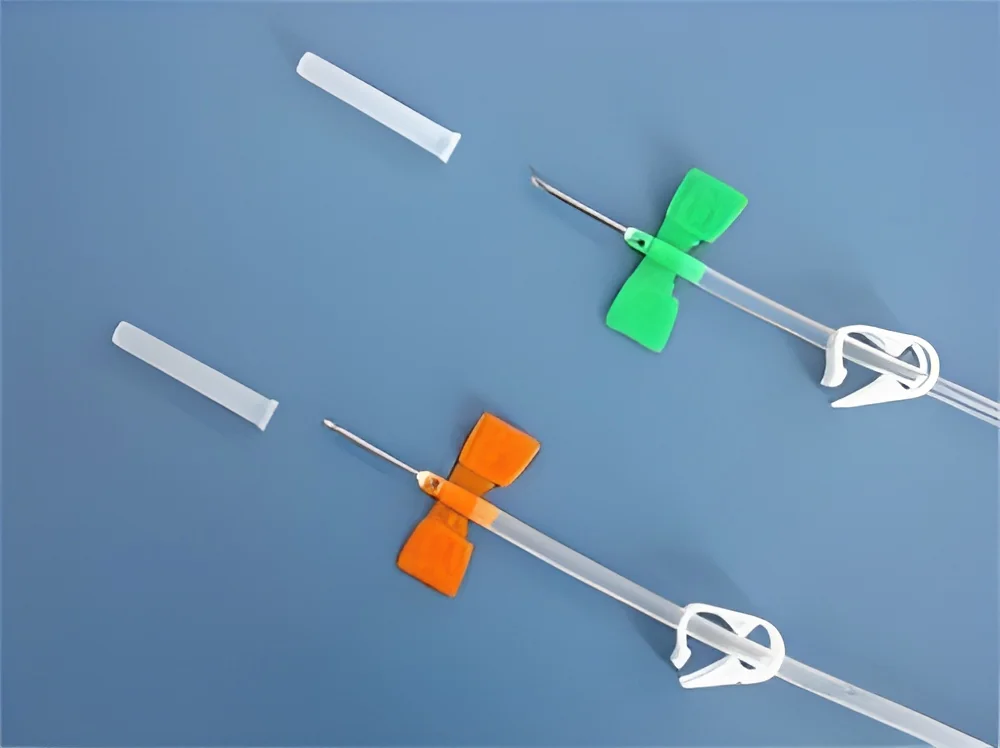
Butterfly needles, or winged infusion sets, are ideal for accessing small veins. Their unique winged design allows for better control and ease of use, making them suitable for pediatric or geriatric patients.
Multi-Sample Needles
These needles are designed for drawing multiple blood samples in one insertion. They feature a special design that allows for easy attachment and detachment from collection tubes.
Benefits and Advantages
Blood collection needles offer several advantages that enhance their usability and effectiveness in medical settings.
1. Precision and Reliability: The design of blood collection needles ensures accurate blood sampling, reducing the risk of contamination and errors in diagnostic testing.
2. Enhanced Patient Comfort: Many modern needles are designed to minimize pain and discomfort during blood draws, improving the patient experience.
3. Safety Features: Needles with built-in safety mechanisms help prevent needlestick injuries, protecting both patients and healthcare providers.
4. Versatility: Blood collection needles come in various sizes and designs, making them suitable for a wide range of applications in different healthcare settings.
5. Sterility Assurance: These needles are packaged in sterile conditions, ensuring they are safe for use and reducing the risk of infections.
6. Cost-Effectiveness: Bulk purchasing options for blood collection needles can lead to significant cost savings for healthcare facilities.
Buying Guide for B2B Buyers
When sourcing blood collection needles, B2B buyers should consider several critical factors to ensure they make informed decisions.
1. Quality Assessment: Evaluate the quality of blood collection needles by checking for compliance with industry standards. Look for certifications such as CE to ensure the product meets safety and efficacy requirements.
2. Supplier Verification: Vet suppliers by reviewing their credentials, customer feedback, and quality control processes. Reliable suppliers should have a proven track record in providing medical devices.
3. Pricing and MOQ: Consider the cost of needles and the minimum order quantity (MOQ) that suppliers require. Compare prices among different suppliers to find competitive rates.
4. Delivery and Lead Times: Assess the logistics of the supplier, including their delivery capabilities and lead times. Timely delivery is essential for maintaining inventory and ensuring continuous patient care.
5. Compliance Requirements: Ensure that the needles comply with regional regulations and safety standards. Understanding local compliance requirements can prevent potential legal issues.
Compliance and Certifications
Blood collection needles must adhere to various quality and safety standards to ensure they are fit for use in healthcare settings. Compliance with these standards is crucial for maintaining product integrity and patient safety.
Relevant quality standards include ISO 9001, which outlines requirements for quality management systems, and HACCP, which focuses on ensuring food safety but also applies to medical products. Additionally, GDP (Good Distribution Practice) guidelines ensure that medical devices are stored and transported under appropriate conditions.
Industry certifications such as CE indicate that blood collection needles meet European health, safety, and environmental protection standards. These certifications provide assurance to healthcare providers regarding the quality and safety of the products they are using.
Safety and testing requirements are critical aspects of blood collection needle compliance. They must undergo rigorous testing to ensure they do not pose a risk to patients or healthcare personnel. Regional compliance considerations may vary, so it is essential for buyers to understand the specific regulations applicable in their areas.
Why Source Blood Collection Needles from Pepagora?
Pepagora provides a trusted platform for sourcing blood collection needles with several key advantages that benefit B2B buyers.
Verified Supplier Network: Pepagora connects buyers with a network of verified suppliers, ensuring that all products meet high-quality standards. This verification process helps buyers make informed choices and reduces the risk of sourcing subpar products.
Streamlined RFQ Process: The request for quotation (RFQ) process on Pepagora is designed to be efficient and user-friendly. Buyers can easily submit their requirements and receive competitive quotes from multiple suppliers, saving time and effort.
Trade Assurance and Support: Pepagora offers trade assurance features that provide buyers with protection during transactions. This includes support for quality disputes and logistics issues, giving buyers peace of mind.
Regional Coverage: With a strong presence in India, the GCC, and Southeast Asia, Pepagora ensures that buyers have access to a wide range of blood collection needles tailored to regional needs. This geographic reach allows for effective sourcing and logistics management for healthcare providers across different markets.

 IN
IN
 India
India