What are Biodegradable Packaging Solutions?
Biodegradable packaging solutions are environmentally friendly alternatives to traditional packaging materials. These solutions are designed to break down naturally in the environment, reducing waste and pollution. Made from renewable resources such as plants, starches, or other organic materials, biodegradable packaging decomposes through the action of microorganisms, turning into natural substances like water, carbon dioxide, and biomass.
These packaging solutions are primarily used across various industries including food and beverage, cosmetics, pharmaceuticals, and e-commerce. Businesses use biodegradable packaging to meet growing consumer demand for sustainable practices and to comply with environmental regulations. As the global market increasingly prioritizes sustainability, biodegradable packaging has gained significant traction as a viable option for companies looking to enhance their brand image while contributing to environmental preservation.
The relevance of biodegradable packaging solutions continues to rise in the context of a global shift toward sustainability. With increasing awareness of environmental issues, businesses are under pressure to adopt greener practices. The market for biodegradable packaging is projected to grow, driven by regulatory support and consumer preference for eco-friendly products.
Key Features and Specifications
Biodegradable packaging solutions offer several key features that distinguish them from traditional packaging materials. These features not only enhance their usability but also contribute to their environmental benefits.
Key specifications include:
1. Material Composition
- Made from renewable sources such as plant-based materials, starches, or cellulose.
- Designed to decompose under natural conditions.
2. Decomposition Time
- Typically breaks down within a few months to a couple of years, depending on environmental conditions.
- Designed to meet specific biodegradation standards.
3. Barrier Properties
- Offers varying degrees of protection against moisture, oxygen, and light.
- Maintains product integrity while being environmentally friendly.
4. Temperature Tolerance
- Suitable for various temperature ranges, though specific data not available.
- Can withstand typical shipping and storage conditions.
5. Customization Options
- Available in various sizes and designs to meet specific business needs.
- Can be printed with branding or information as per client specifications.
6. Certifications
- Complies with industry certifications such as CE.
- Meets relevant quality standards for safety and performance.
In summary, biodegradable packaging solutions are characterized by their renewable material composition, efficient decomposition, protective barrier properties, and customization potential. These features make them an attractive option for businesses aiming to adopt sustainable packaging practices.
Common Applications and Use Cases
Biodegradable packaging solutions serve a wide range of industries, helping businesses minimize environmental impact while fulfilling their packaging needs.
1. Food and Beverage: Biodegradable packaging is widely used for food products, including takeout containers, utensils, and wrappers. Its ability to decompose makes it ideal for reducing landfill waste in the food sector.
2. Cosmetics: Many cosmetic brands utilize biodegradable packaging for products like creams, lotions, and soaps. This aligns with their sustainability goals and appeals to eco-conscious consumers.
3. Pharmaceuticals: Biodegradable options are increasingly used for pharmaceutical packaging, ensuring that even medical products adhere to environmentally responsible practices.
4. E-commerce: As online shopping grows, biodegradable packaging is becoming a preferred choice for shipping products. It offers protection during transit while promoting sustainability.
5. Retail: Retail environments are adopting biodegradable bags and packaging to enhance their eco-friendly image and meet consumer expectations for sustainable practices.
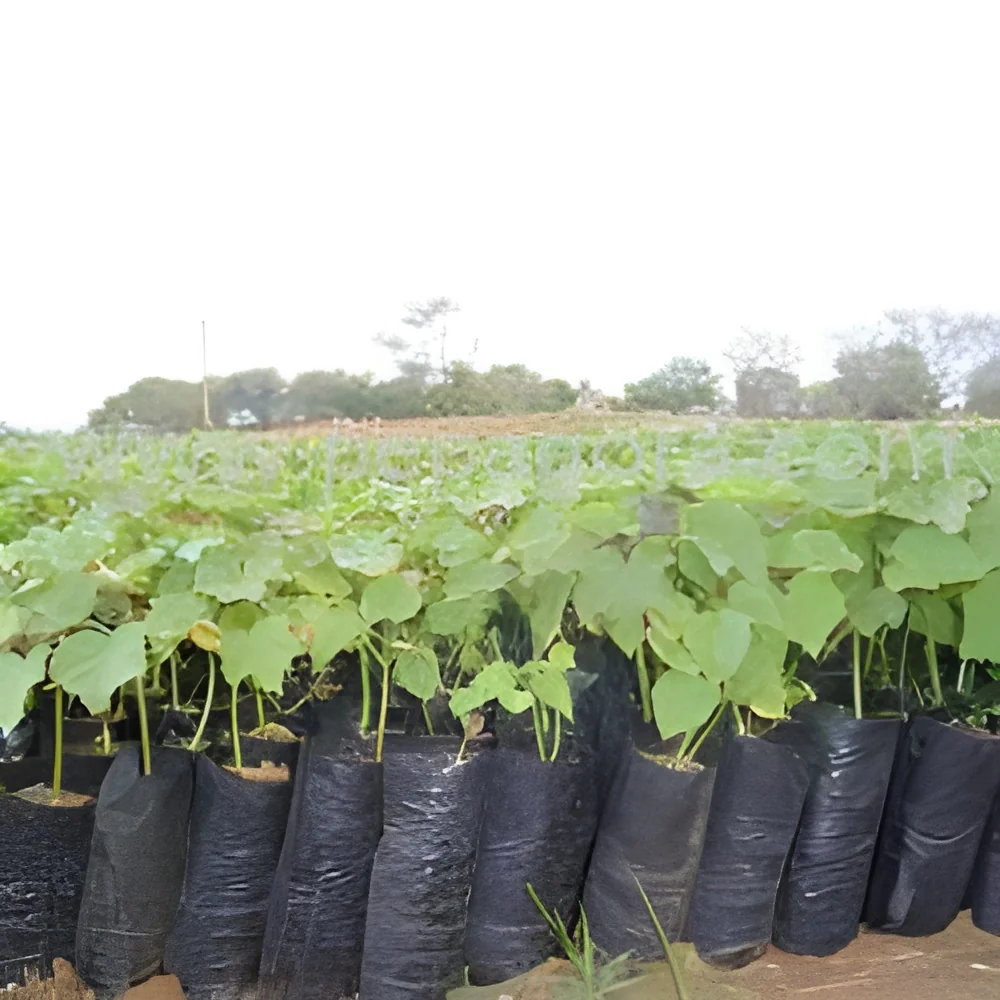
6. Agriculture: Biodegradable films are used in agricultural applications for mulch and plant protection, contributing to sustainability in farming.
7. Events and Catering: Biodegradable plates, cups, and cutlery are popular in catering services and events, reducing waste generated during gatherings.
Product Variants and Subcategories
Biodegradable packaging solutions come in various forms to cater to specific business needs. This diversity allows companies to choose the right type of packaging that aligns with their products and sustainability goals.
Biodegradable Bags
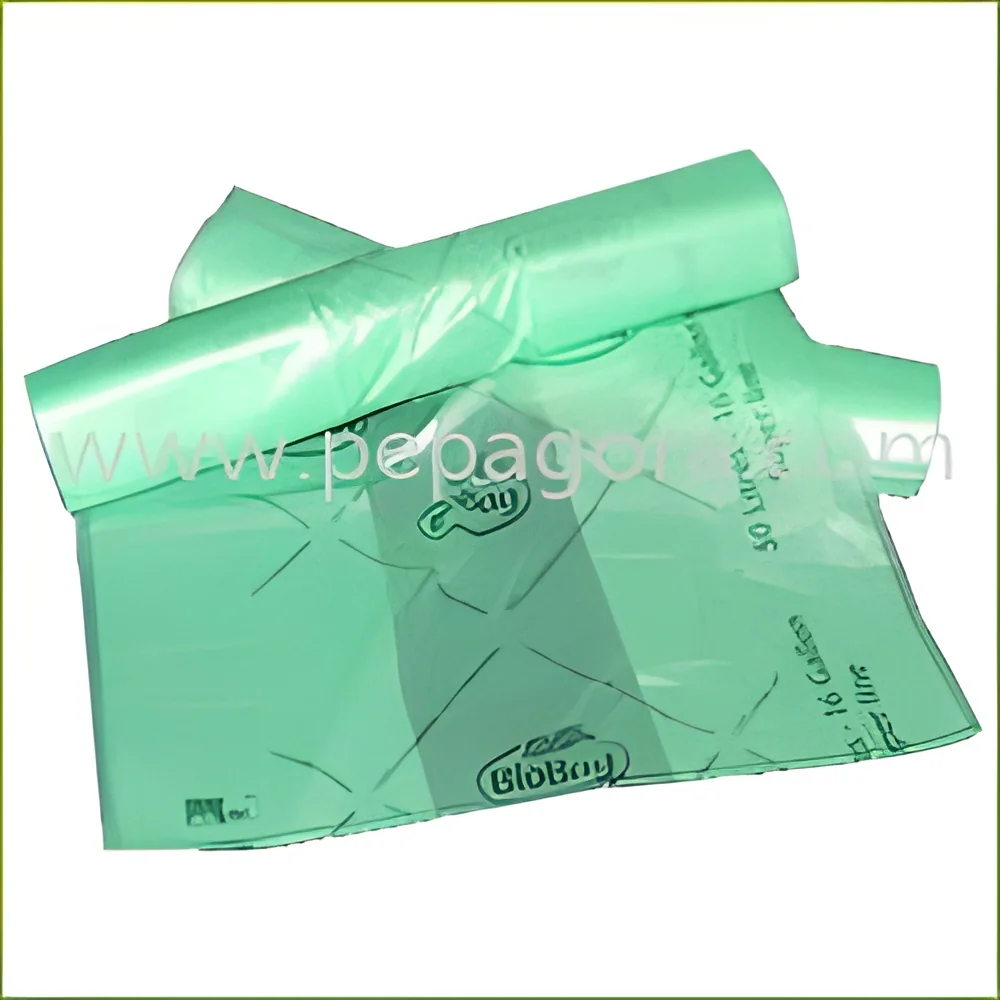
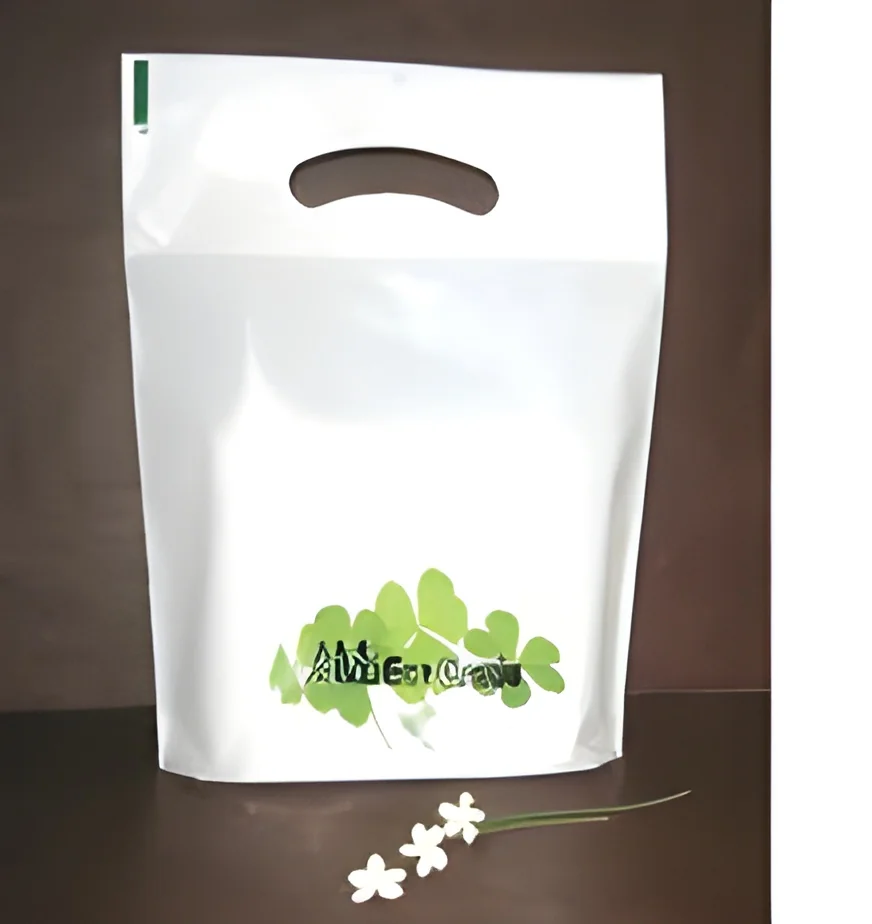
These bags are made from renewable resources and are designed for retail and e-commerce applications. They decompose in a natural environment, making them an ideal choice for businesses focused on reducing plastic waste.
Biodegradable Containers
Used primarily in the food industry, these containers can hold various food items. They provide a great alternative to traditional plastic containers, ensuring that food remains fresh while being environmentally friendly.
Biodegradable Films
These films are often used for wrapping and covering products. They offer protection against moisture and dust while breaking down naturally, making them suitable for both food and non-food applications.
Biodegradable Utensils
Ideal for events and food service, biodegradable utensils provide a sustainable option for single-use items. They are sturdy enough for various food types while ensuring minimal environmental impact.
Benefits and Advantages
Biodegradable packaging solutions offer numerous benefits for businesses and the environment.
1. Environmental Sustainability: These solutions significantly reduce landfill waste by decomposing naturally, minimizing pollution and environmental degradation.
2. Enhanced Brand Image: Companies using biodegradable packaging can enhance their brand reputation by showcasing their commitment to sustainability and eco-friendly practices.
3. Compliance with Regulations: As governments implement stricter environmental regulations, using biodegradable packaging can help companies stay compliant while avoiding potential fines.
4. Cost-Effectiveness: While initial costs may be higher, long-term savings can be realized through waste reduction and potential tax benefits related to sustainability initiatives.
5. Consumer Appeal: Eco-conscious consumers are increasingly seeking out products with sustainable packaging, making biodegradable options more attractive in a competitive market.
6. Versatility: Biodegradable packaging can be used across various industries, providing flexibility for companies to adopt sustainable practices regardless of their market segment.
Buying Guide for B2B Buyers
When sourcing biodegradable packaging solutions, businesses should consider several key factors to ensure they make informed decisions.
1. Quality Assessment: Evaluate the quality of biodegradable materials based on their performance, durability, and compliance with industry standards. Request samples to assess their suitability for your products.
2. Supplier Verification: Vet suppliers to ensure they have a proven track record of providing high-quality biodegradable packaging. Look for certifications and customer reviews to verify their reliability.
3. Pricing and MOQ: Consider the cost of biodegradable packaging solutions and the minimum order quantities (MOQ). Compare prices from different suppliers to ensure you receive competitive rates while meeting your business needs.
4. Delivery and Lead Times: Discuss logistics with suppliers to understand delivery options and expected lead times. Timely delivery is crucial to maintaining your supply chain.
5. Compliance Requirements: Ensure that the packaging solutions meet relevant regulatory standards and certifications. This will help avoid compliance issues and ensure product safety.
Compliance and Certifications
Compliance and certifications are crucial for ensuring the safety and effectiveness of biodegradable packaging solutions.
Relevant quality standards such as ISO 9001 and HACCP help establish a framework for quality management and safety in the production of biodegradable packaging. These standards ensure manufacturers adhere to best practices in production processes, leading to consistent product quality.
Industry certifications like CE indicate that the packaging meets European safety and environmental standards. This certification is essential for businesses looking to enter the European market.
Safety and testing requirements are also critical, as biodegradable packaging must undergo rigorous testing to ensure it performs effectively under various conditions. This includes evaluating its decomposition rate and ensuring it does not release harmful substances into the environment.
Regional compliance considerations vary, as different regions may have specific regulations regarding biodegradable materials. Businesses should be aware of these regulations to ensure their packaging meets all legal requirements in the markets they operate.
Why Source Biodegradable Packaging Solutions from Pepagora?
Pepagora offers a trusted platform for sourcing biodegradable packaging solutions, providing several key advantages to B2B buyers.
Verified Supplier Network: Pepagora connects businesses with a network of verified suppliers. This ensures that buyers can source high-quality biodegradable packaging from trusted manufacturers, minimizing risks associated with procurement.
Streamlined RFQ Process: The platform simplifies the request for quotation (RFQ) process, allowing buyers to receive multiple quotes from different suppliers efficiently. This helps businesses compare options and make informed purchasing decisions.
Trade Assurance and Support: Pepagora provides trade assurance and buyer protection, ensuring that transactions are secure and that buyers receive the products as specified. This adds a layer of confidence in the procurement process.
Regional Coverage: With a strong presence in India, the GCC, and Southeast Asia, Pepagora offers extensive geographic reach. This allows businesses to source biodegradable packaging solutions tailored to their regional requirements while benefiting from local market knowledge.

 IN
IN