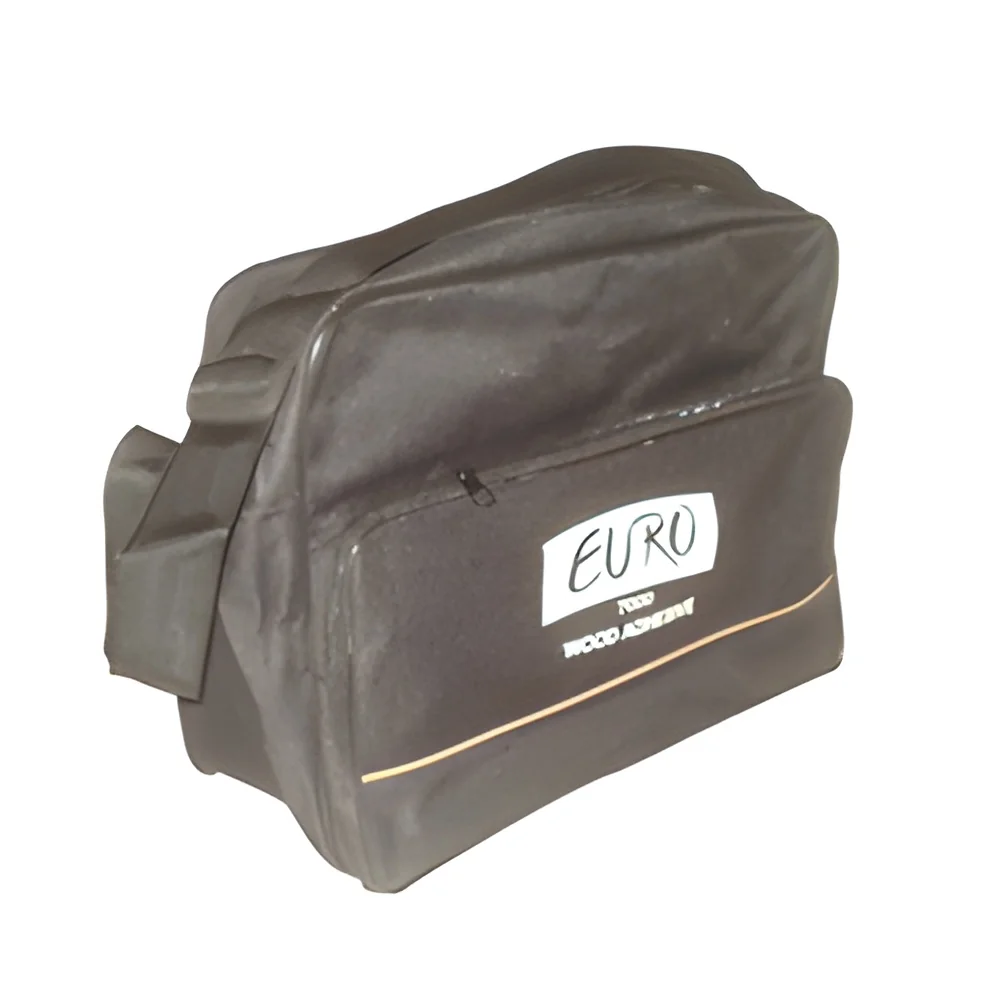
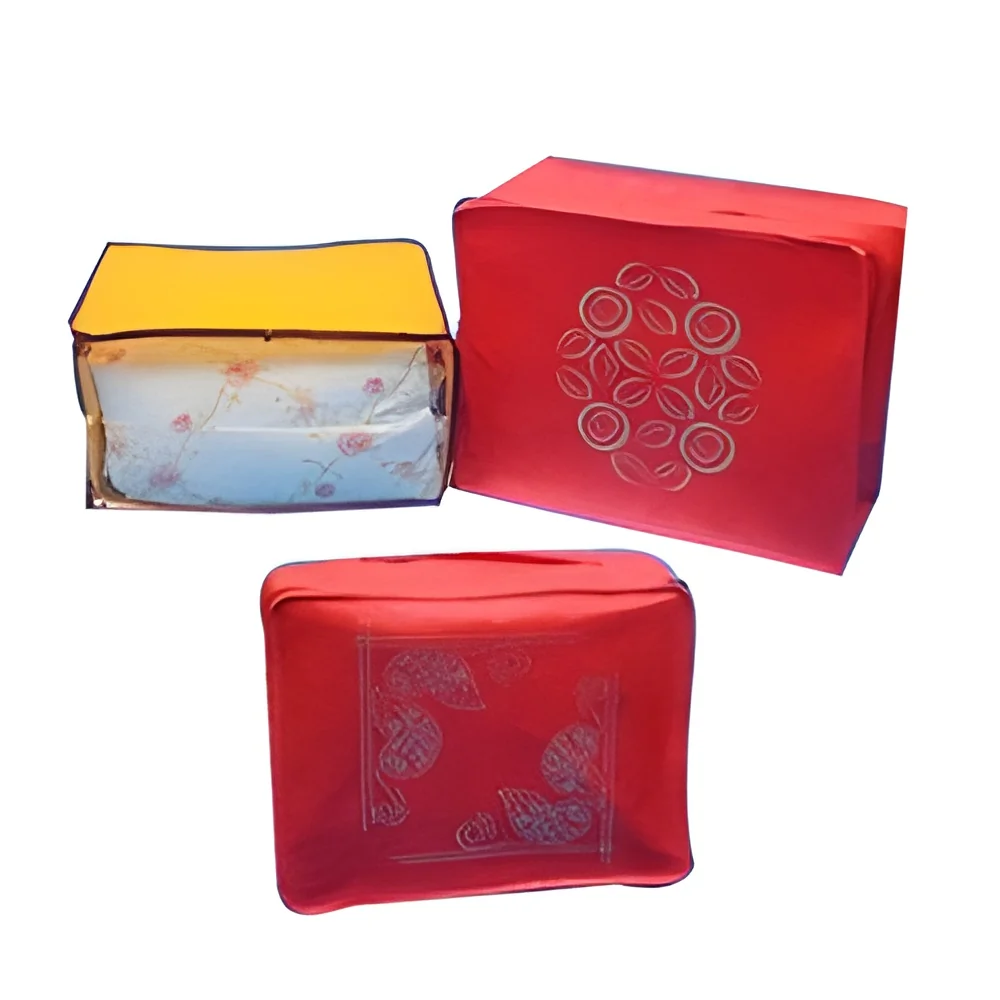
What are Reusable Shopping Bags?
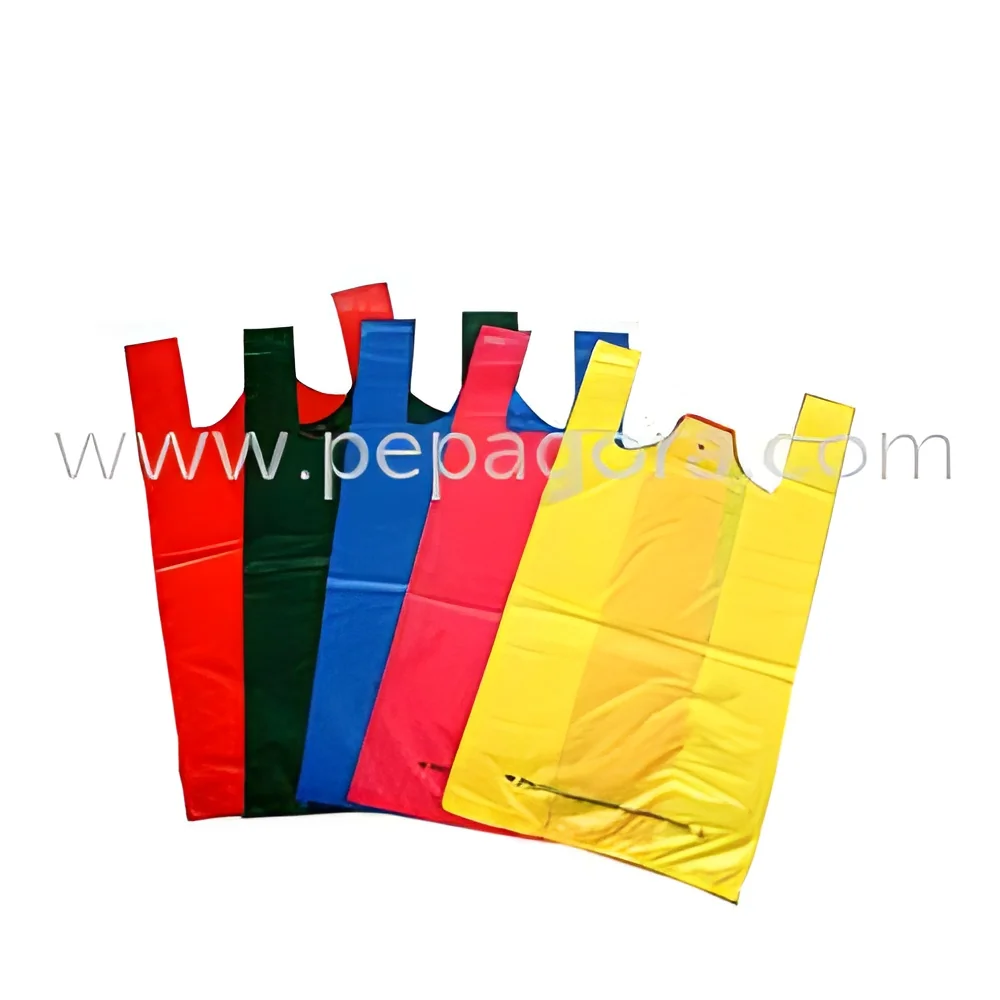
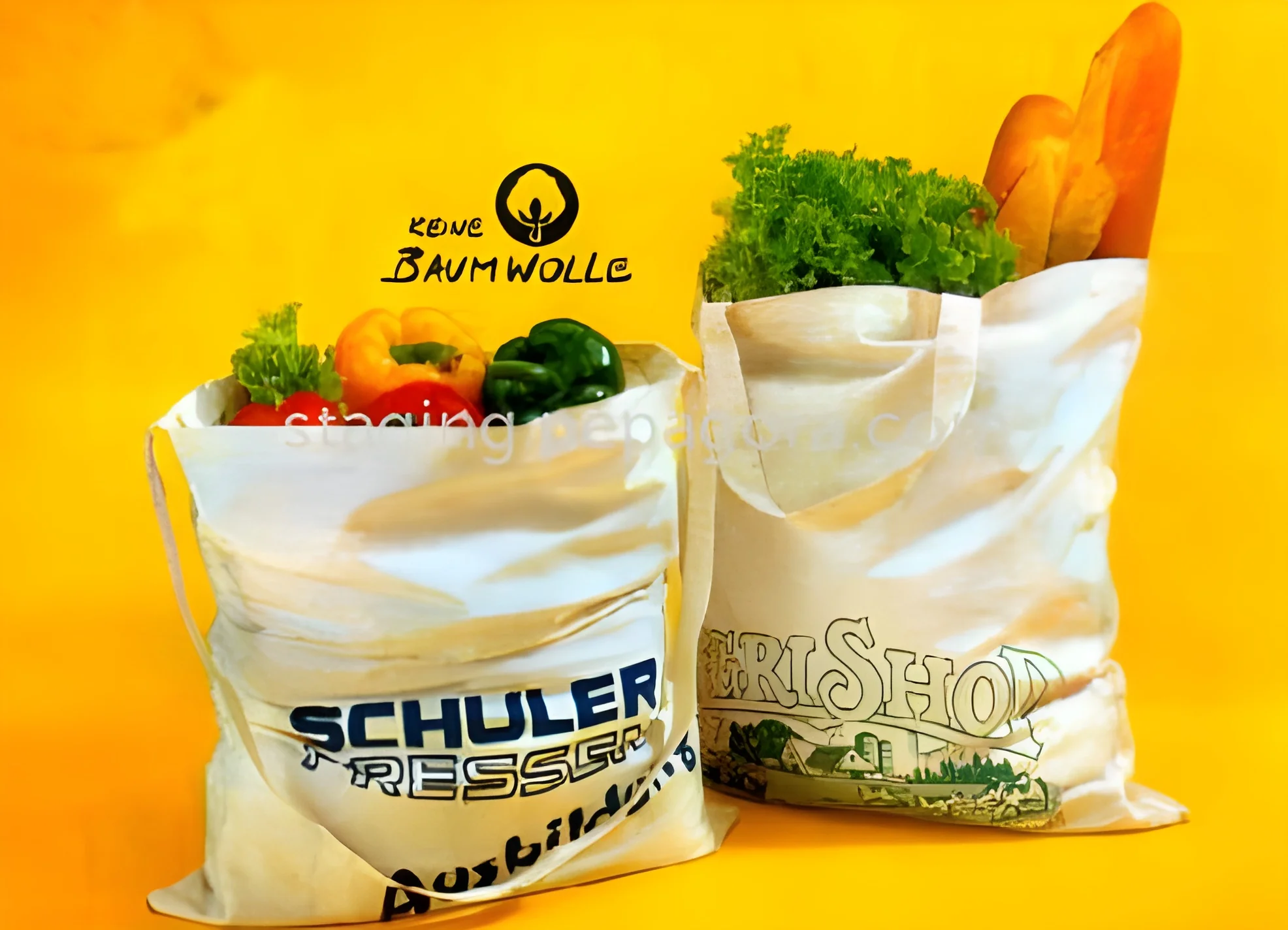
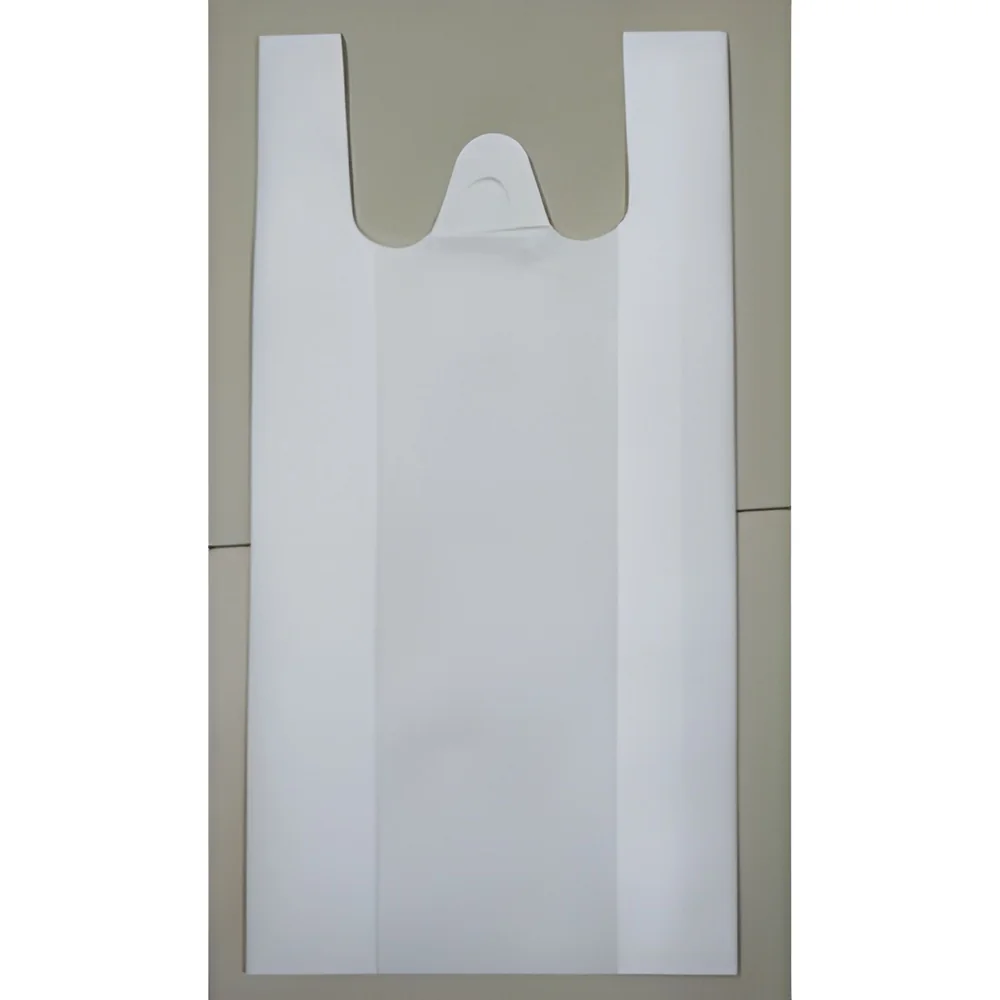
Reusable shopping bags are durable and eco-friendly alternatives to single-use plastic bags. Made from materials such as cotton, polypropylene, or recycled plastics, these bags are designed for repeated use, making them a sustainable choice for consumers and businesses alike. Their robust construction allows them to carry heavy loads, making them practical for shopping, transporting goods, or even as promotional items.
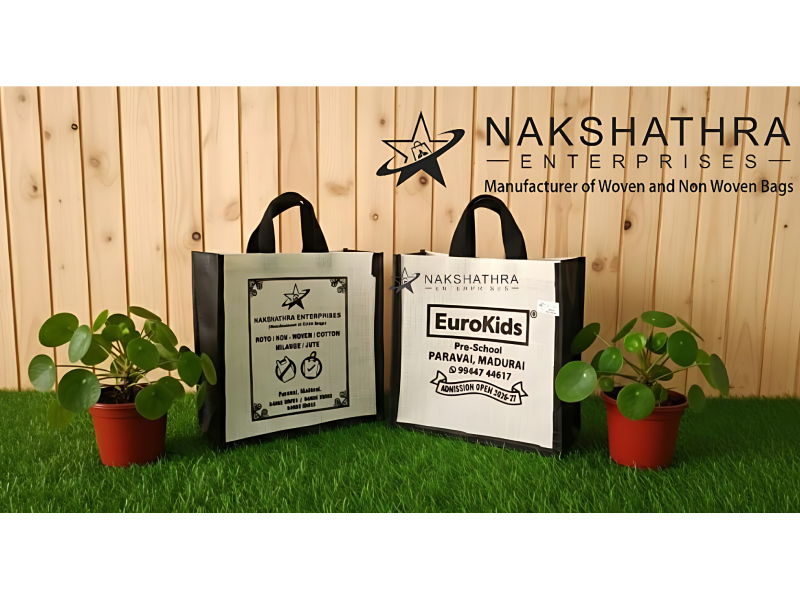
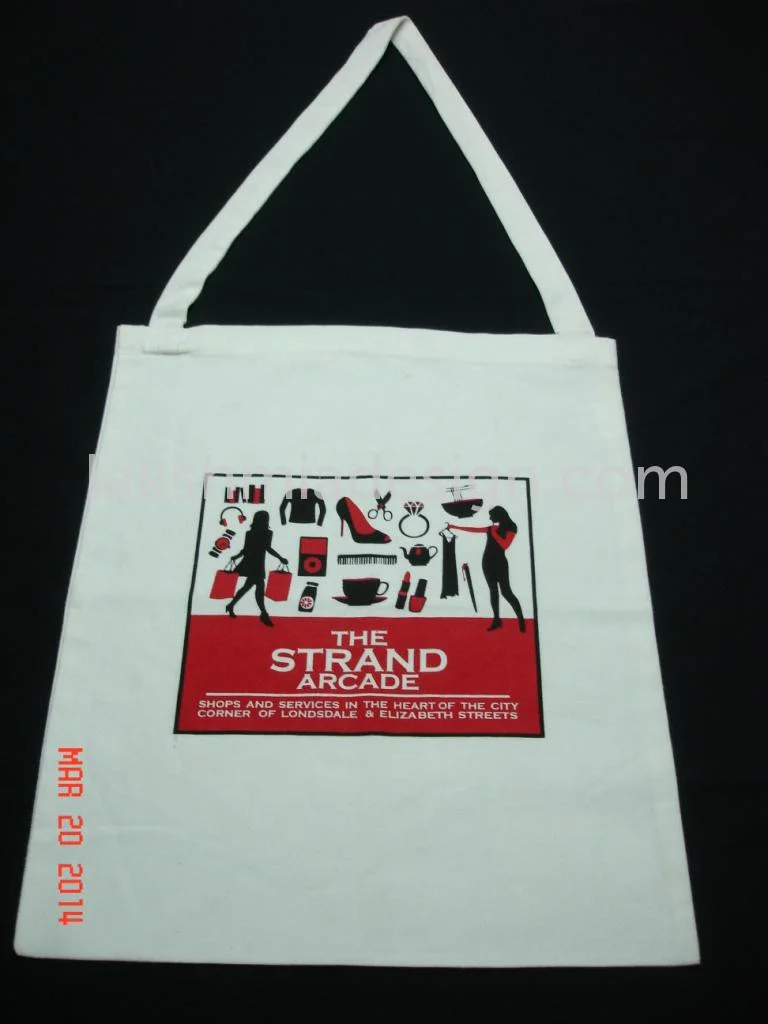
These bags find primary applications in retail, grocery stores, and promotional events. Businesses utilize them not only for their functional benefits but also to enhance their brand visibility. By featuring logos or custom designs, reusable shopping bags serve as a marketing tool while promoting environmental responsibility. This trend is gaining traction as consumers increasingly prefer sustainable options, making reusable bags relevant in today's market.
The rise of environmental consciousness among consumers has led to a significant shift in purchasing behavior. As industries seek to reduce their carbon footprint, reusable shopping bags have become a necessary product. Businesses across various sectors recognize the importance of adopting sustainable practices, thus driving demand for high-quality reusable shopping bags.
Key Features and Specifications
Reusable shopping bags offer a variety of features that cater to consumer needs and business applications. Understanding the specifications can help businesses make informed purchasing decisions.
Key specifications include:
1. Material Type
- Common materials include cotton, polypropylene, and recycled plastics.
- Each material varies in durability and environmental impact.
2. Load Capacity
- Most reusable bags can carry between 15 to 40 pounds.
- This capacity makes them ideal for grocery shopping and transporting goods.
3. Size Options
- Available in various sizes, typically ranging from small tote bags to larger shopping bags.
- Size selection depends on the intended use and customer preferences.
4. Handle Types
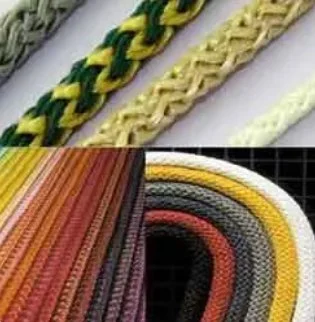
- Handles can be short, long, or padded for comfort.
- The design may influence ease of carrying.
5. Customization Options
- Many bags can be printed with logos or designs.
- Customization enhances brand visibility.
6. Washability
- Many reusable bags are machine washable for easy maintenance.
- This feature ensures hygiene and longevity.
7. Eco-Friendly Certifications
- Some bags come with certifications indicating they are made from sustainable materials.
- Certifications like CE validate their environmental claims.
In summary, choosing the right reusable shopping bag involves understanding these specifications. Businesses should assess their needs based on material, capacity, size, handle types, and customization options.
Common Applications and Use Cases
Reusable shopping bags are versatile and serve multiple industries effectively.
1. Retail: Retailers use reusable shopping bags to enhance the shopping experience and promote their brand. These bags can be offered at checkout as a sustainable alternative to plastic bags.
2. Grocery Stores: Grocery chains encourage customers to use reusable bags to reduce plastic waste. Many offer discounts for bringing in reusable bags, promoting environmentally friendly shopping habits.
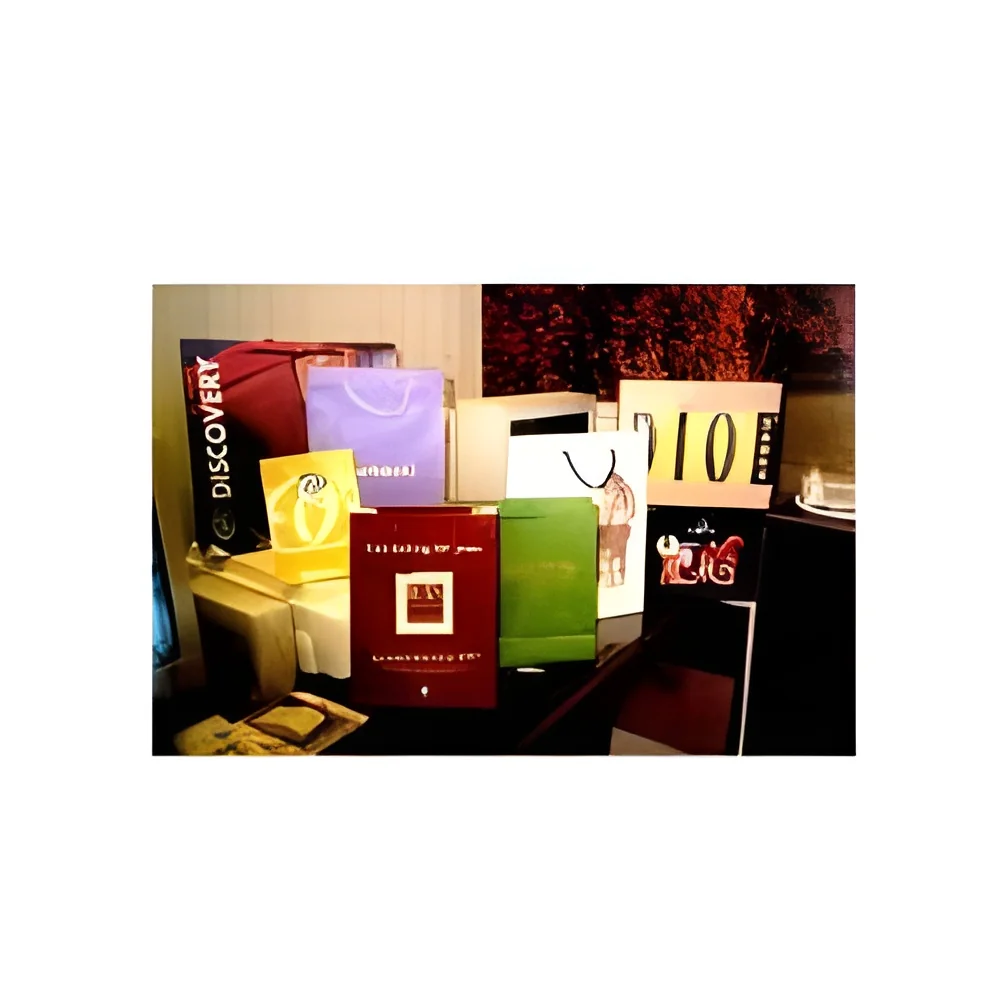
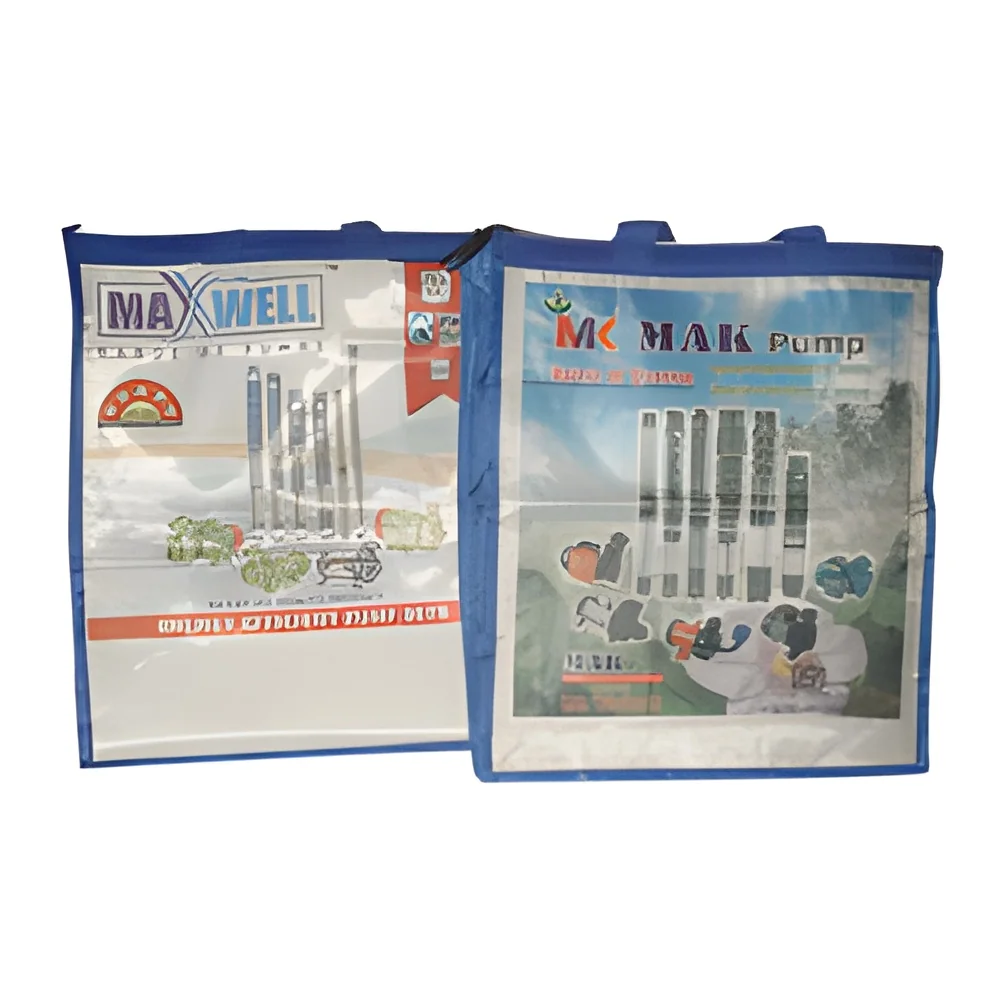
3. Events and Promotions: Companies often distribute reusable bags at trade shows and events. These bags serve as practical giveaways that showcase brand logos and messages.
4. Food Service: Restaurants and cafes utilize reusable bags for take-out orders. They provide an eco-friendly option for packaging food items, aligning with sustainability goals.
5. E-commerce: Online retailers can use reusable shopping bags for packaging. This enhances the unboxing experience while reinforcing brand commitment to sustainability.
6. Non-profits: Organizations focused on environmental awareness distribute reusable bags as part of their outreach efforts. This helps educate the public about reducing plastic waste.
7. Education: Schools may use reusable bags for fundraising initiatives or events. They provide a practical solution for carrying supplies while promoting eco-friendly practices.
Product Variants and Subcategories
Reusable shopping bags come in various styles and designs to meet diverse customer needs.
Tote Bags
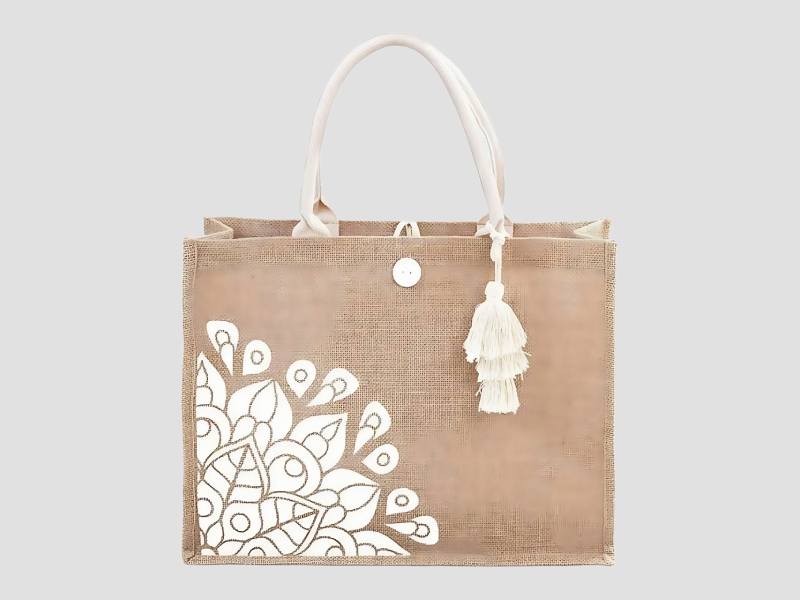
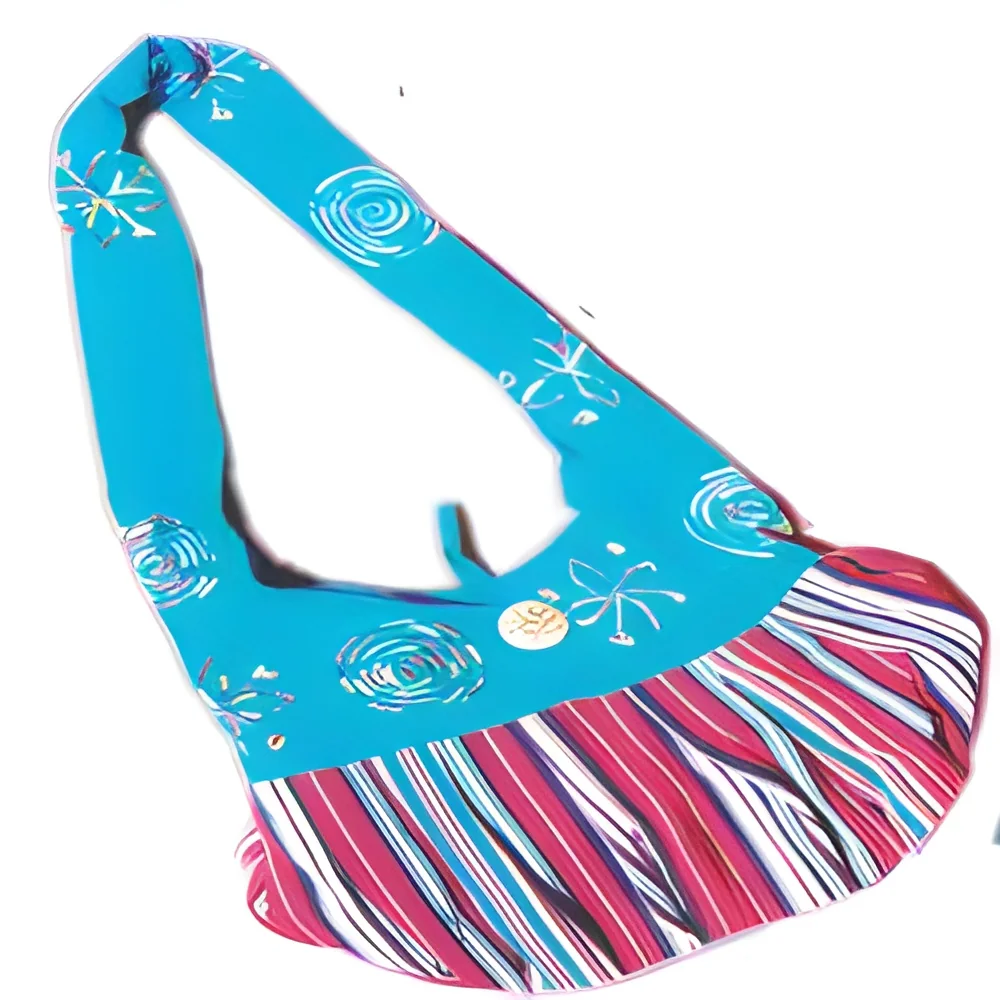
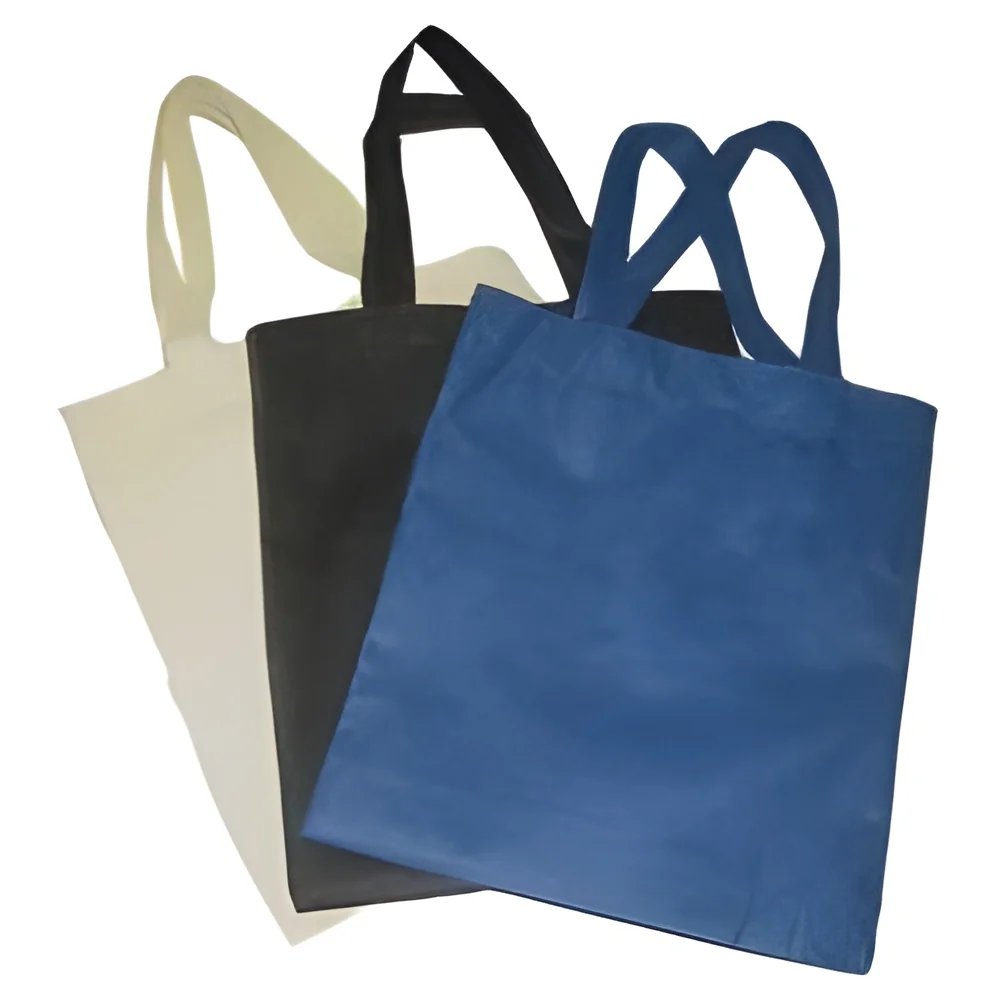
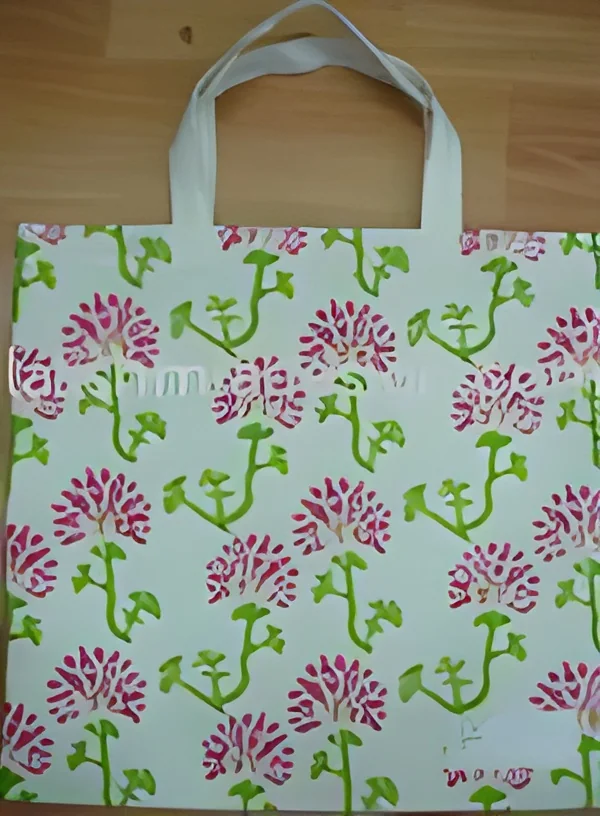
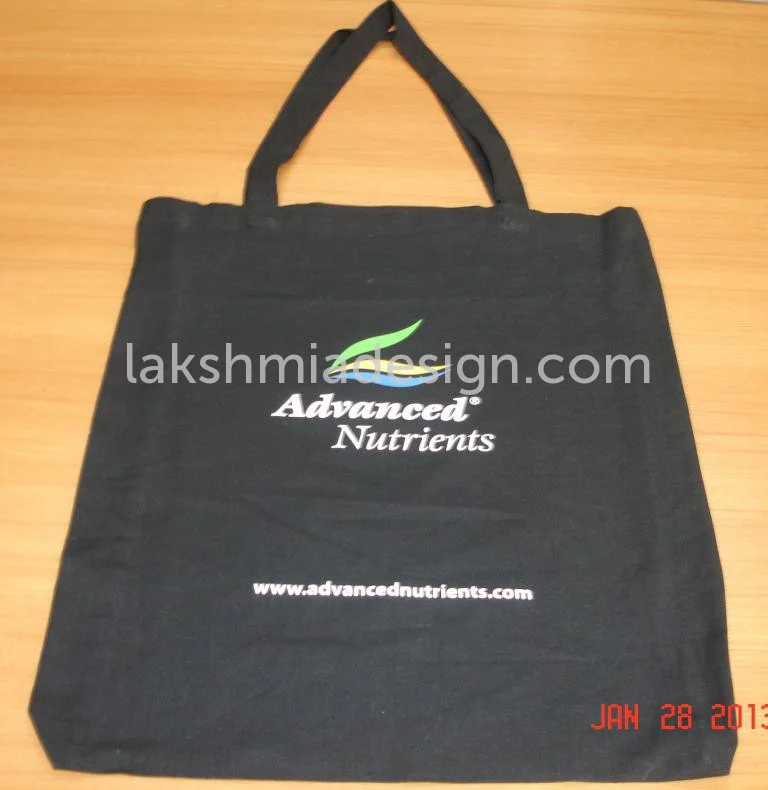
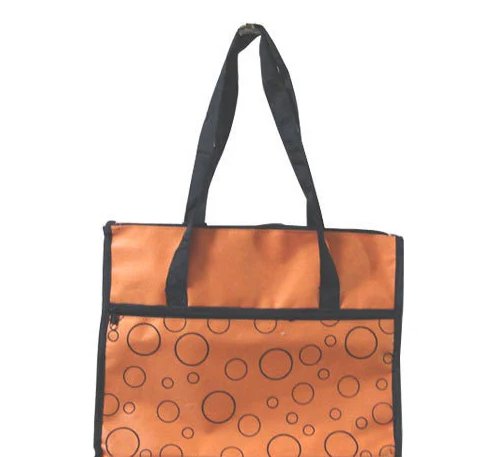
Tote bags are spacious and often feature sturdy handles. They are ideal for carrying groceries, books, or daily essentials. Their large surface area makes them perfect for branding opportunities.
Foldable Bags
Foldable bags are compact and can easily fit into pockets or purses. They are convenient for on-the-go shopping and often feature a lightweight design. Their portability encourages consumers to carry them regularly.
Insulated Bags
Insulated bags are designed to keep food and beverages at the desired temperature. They are commonly used for grocery shopping or picnics. Their thermal properties make them a popular choice for food service businesses.
Beach Bags
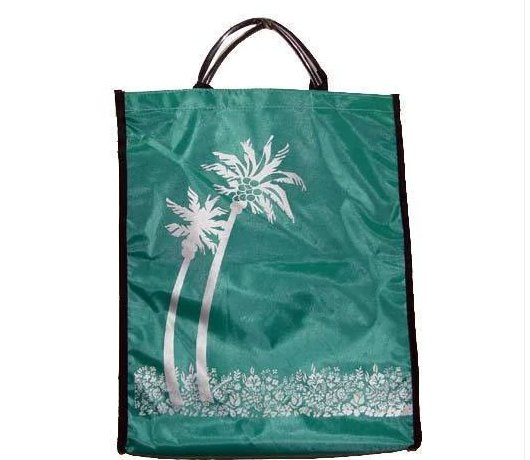
Beach bags are larger, often with waterproof materials. They are designed for outdoor activities and can carry towels, sunscreen, and other beach essentials. Many feature fun designs to appeal to a vacationing audience.
Benefits and Advantages
Reusable shopping bags provide numerous benefits for businesses and consumers alike.
1. Environmental Impact: Using reusable bags significantly reduces plastic waste. This shift contributes to a healthier planet and aligns with sustainability goals.
2. Cost Savings: Over time, customers save money by using reusable bags instead of purchasing single-use bags. Businesses can also benefit from reduced costs associated with disposable packaging.
3. Enhanced Brand Visibility: Customized reusable bags serve as a mobile advertisement. When customers use them, they promote the brand to a wider audience.
4. Durability: Reusable bags are designed to withstand multiple uses, unlike single-use bags that tear easily. This durability ensures they remain functional over time.
5. Consumer Preference: As consumers become more environmentally conscious, offering reusable bags can enhance customer loyalty. Businesses that promote sustainability are often favored by eco-minded consumers.
6. Versatile Uses: Reusable bags can be used in various settings, from shopping to travel. Their multifunctional nature makes them a practical choice for consumers.
Buying Guide for B2B Buyers
When sourcing reusable shopping bags, businesses should consider several key factors to ensure they make the best purchasing decisions.
1. Quality Assessment: Evaluate the material and construction of the bags. High-quality materials ensure durability and longevity, which are essential for repeated use.
2. Supplier Verification: Conduct thorough research on potential suppliers. Check their reputation, reviews, and quality assurance processes to ensure reliable partnerships.
3. Pricing and MOQ: Understand the pricing structure and minimum order quantities. This helps in budget planning and ensures that you meet the supplier's requirements.
4. Delivery and Lead Times: Inquire about shipping options and expected delivery times. Timely delivery is crucial for businesses that rely on stock availability.
5. Compliance Requirements: Ensure that the bags meet any relevant industry standards or certifications. Compliance with regulations can prevent potential liabilities.
Compliance and Certifications
Reusable shopping bags must adhere to various compliance standards to ensure safety and quality.
ISO 9001 is one such quality management standard that focuses on consistent product quality and customer satisfaction. Suppliers that maintain this certification demonstrate a commitment to high manufacturing standards.
The CE mark indicates compliance with European health, safety, and environmental protection standards. This certification is especially important for businesses exporting to European markets, as it assures buyers of product safety and reliability.
Safety and testing requirements for reusable shopping bags include assessments of material durability and load capacity. Testing ensures that the bags can withstand everyday use without compromising safety.
Regional compliance considerations vary by market. Businesses should be aware of local regulations regarding the use of plastic and reusable bags. Understanding these regulations is crucial for ensuring compliance and avoiding penalties.
Why Source Reusable Shopping Bags from Pepagora?
Pepagora provides a trusted platform for sourcing reusable shopping bags, offering several key advantages for B2B buyers.
Verified Supplier Network: Pepagora works with a network of verified suppliers who meet high-quality standards. This ensures that buyers have access to reliable and reputable manufacturers.
Streamlined RFQ Process: The request for quotation system simplifies the sourcing process. Buyers can easily compare offers from multiple suppliers, enabling informed decision-making.
Trade Assurance and Support: Pepagora offers trade assurance to protect buyers' investments. This includes support for resolving disputes and ensuring product quality.
Regional Coverage: With a strong presence in India, the GCC, and Southeast Asia, Pepagora connects buyers with local suppliers. This regional reach facilitates efficient sourcing and logistics for businesses in these markets.

 IN
IN