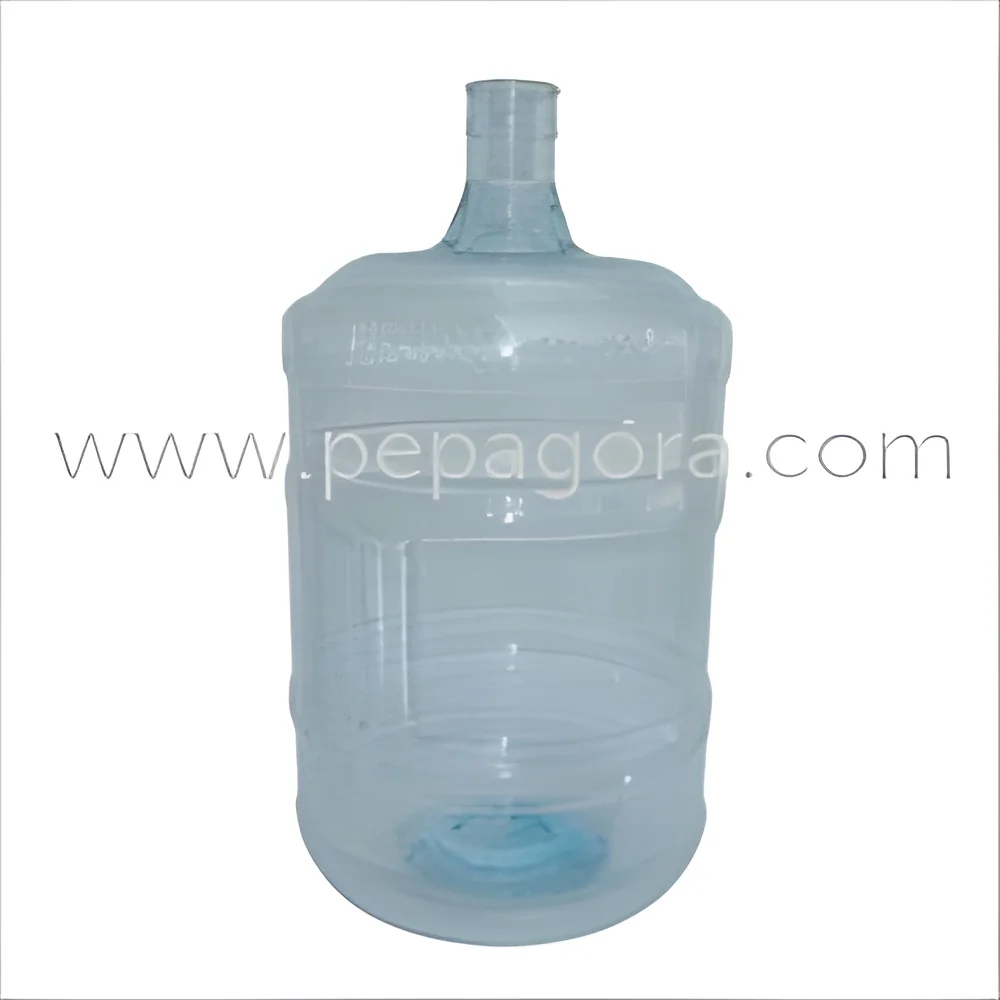
What are Recyclable Plastic Containers?
Recyclable plastic containers are packaging solutions made from plastic materials that can be processed and reused after their initial application. These containers are designed to facilitate the safe storage and transportation of various products while ensuring minimal environmental impact. The recyclability of these containers is a significant aspect, as it allows businesses to contribute to sustainability efforts by reducing waste and promoting the circular economy.
In a business context, recyclable plastic containers are widely used across multiple industries, including food and beverage, pharmaceuticals, and manufacturing. They serve essential functions such as preserving product freshness, providing protection during shipping, and offering a lightweight alternative to traditional materials. With growing environmental concerns, many businesses are actively seeking recyclable options to align with sustainability goals and meet consumer demand for eco-friendly practices.
The relevance of recyclable plastic containers is increasingly prominent in the current market landscape. With stringent regulations and a rising focus on sustainable practices, companies are urged to adopt environmentally friendly packaging solutions. This shift is not only beneficial for the planet but also enhances brand reputation and customer loyalty, making recyclable plastic containers a vital component in modern business strategies.
Key Features and Specifications
Recyclable plastic containers offer various features that make them suitable for multiple applications. When considering these containers, understanding their specifications is essential for ensuring they meet your business needs.
Key specifications include:
1. Material Composition
- Made from high-density polyethylene (HDPE) or polypropylene (PP)
- Lightweight yet durable
2. Capacity Range
- Available in sizes from 100 ml to 20 liters
- Custom sizes can be provided upon request
3. Temperature Resistance
- Suitable for a range of temperatures
- Specific temperature ratings depend on the material used
4. Compatibility with Food Products
- Many containers are FDA-approved for food contact
- Ensures safety and compliance for food storage
5. Closure Options
- Various lid types available, including snap-on and screw-on
- Provides secure sealing to prevent leakage
6. Customization Options
- Possibility of branding with labels or printing
- Tailored designs for specific applications
7. Color Variability
- Available in different colors to suit branding needs
- Options for transparent and opaque finishes
8. Recyclability Standards
- Compliant with common recycling standards
- Encourages responsible disposal and recycling practices
In summary, the features and specifications of recyclable plastic containers make them a versatile choice for businesses looking to enhance their packaging solutions while adhering to sustainability standards.
Common Applications and Use Cases
Recyclable plastic containers serve various industries, providing tailored solutions for specific needs.
1. Food and Beverage: These containers are commonly used for packaging sauces, snacks, and beverages. Their ability to preserve freshness and prevent contamination makes them ideal for food products.
2. Pharmaceuticals: In the pharmaceutical industry, recyclable containers ensure safe storage of medicines and health products. Their durability and compliance with health regulations are critical for maintaining product integrity.
3. Chemicals: Many chemical manufacturers utilize recyclable plastic containers for transporting and storing their products. These containers are designed to withstand harsh substances while ensuring safety and compliance.
4. Cosmetics: The cosmetics industry benefits from recyclable containers for creams, lotions, and other beauty products. Their aesthetic appeal and functionality attract consumers while supporting sustainability.
5. Agriculture: Recyclable containers are used for packaging fertilizers and pesticides. Their resistance to environmental factors makes them suitable for outdoor storage.
6. E-commerce: With the rise of online shopping, recyclable plastic containers are increasingly used for shipping products directly to consumers. Their lightweight nature reduces shipping costs while promoting eco-friendly practices.
7. Industrial Manufacturing: In manufacturing, these containers are employed for storing components and finished products. Their stackable design optimizes space efficiency in warehouses.
Product Variants and Subcategories
Recyclable plastic containers come in various forms to cater to diverse needs across different sectors.
Container Type A
This variant is suitable for food applications, featuring airtight lids to preserve freshness. Its lightweight design makes it ideal for shipping and storage, especially in the food and beverage sector.
Container Type B
Designed for pharmaceutical use, this container offers tamper-evident seals and is compliant with health regulations. Its robust construction ensures safe storage of sensitive products.
Container Type C
This variant is used primarily in industrial settings, featuring larger capacities. It is designed to withstand heavy loads and is ideal for storing components or raw materials.
Container Type D
This container is tailored for cosmetic products, offering an elegant design with customizable labeling options. It ensures product safety while enhancing brand visibility.
Benefits and Advantages
Recyclable plastic containers provide several advantages for businesses looking to enhance their packaging strategies.
1. Environmental Sustainability: These containers reduce waste by being recyclable, supporting eco-friendly practices and contributing to a circular economy.
2. Cost-Effectiveness: Lightweight design leads to lower shipping costs and reduced material usage, providing economic benefits to businesses.
3. Versatility: With a variety of sizes and designs available, these containers can accommodate diverse products across multiple industries.
4. Compliance Assurance: Many recyclable containers meet industry standards and regulations, ensuring safety and reliability for product storage.
5. Enhanced Brand Image: Using sustainable packaging can improve brand perception among eco-conscious consumers, fostering customer loyalty.
6. Customization Opportunities: Businesses can tailor containers to their branding needs, including color choices and labeling, enhancing market presence.
Buying Guide for B2B Buyers
When sourcing recyclable plastic containers, it is crucial for buyers to consider several factors to ensure they make informed decisions.
1. Quality Assessment: Evaluate the quality of the containers by reviewing material specifications and compliance with industry standards. Look for certifications that indicate reliability and safety.
2. Supplier Verification: It is essential to vet suppliers to ensure they have a good reputation for delivering quality products on time. Request references and check their track record in the industry.
3. Pricing and MOQ: Understand the pricing structure and minimum order quantities (MOQ) required by suppliers. This will help in budgeting and planning for inventory needs.
4. Delivery and Lead Times: Consider the logistics involved in sourcing containers. Inquire about lead times for production and delivery to ensure timely availability of products.
5. Compliance Requirements: Ensure that the containers comply with relevant regulations and standards in your industry. This includes safety certifications and environmental compliance.
Compliance and Certifications
Recyclable plastic containers are governed by various quality standards and certifications that ensure their safety and reliability in different applications.
Relevant standards such as ISO 9001 ensure that manufacturers adhere to quality management principles, enhancing product consistency. Additionally, compliance with HACCP (Hazard Analysis Critical Control Point) guidelines is crucial for food-grade containers, ensuring safe handling and storage of food products.
Industry certifications like CE (Conformité Européenne) indicate that products meet European safety standards. This is particularly important for businesses operating in or exporting to European markets.
Safety and testing requirements also play a significant role in the production of recyclable plastic containers. Regular testing ensures that these containers can withstand environmental conditions and maintain product integrity.
Regional compliance considerations are essential, as regulations can vary by location. Businesses must be aware of local laws regarding packaging materials to ensure compliance and avoid potential penalties.
Why Source Recyclable Plastic Containers from Pepagora?
Pepagora offers a trusted platform for sourcing recyclable plastic containers, providing several key advantages for B2B buyers.
Verified Supplier Network: Pepagora connects buyers with a network of verified suppliers, ensuring that all products meet high-quality standards. This network is continuously monitored for reliability and performance.
Streamlined RFQ Process: The request for quotation (RFQ) process is designed to be efficient, allowing buyers to receive competitive quotes from multiple suppliers quickly. This transparency helps in making informed purchasing decisions.
Trade Assurance and Support: Pepagora prioritizes buyer protection, offering trade assurance and support throughout the purchasing process. This ensures that buyers can source products with confidence.
Regional Coverage: With a strong geographic reach across India, the GCC, and Southeast Asia, Pepagora facilitates access to a wide range of suppliers and products. This makes it easier for businesses to find the right recyclable plastic containers for their needs.

 IN
IN