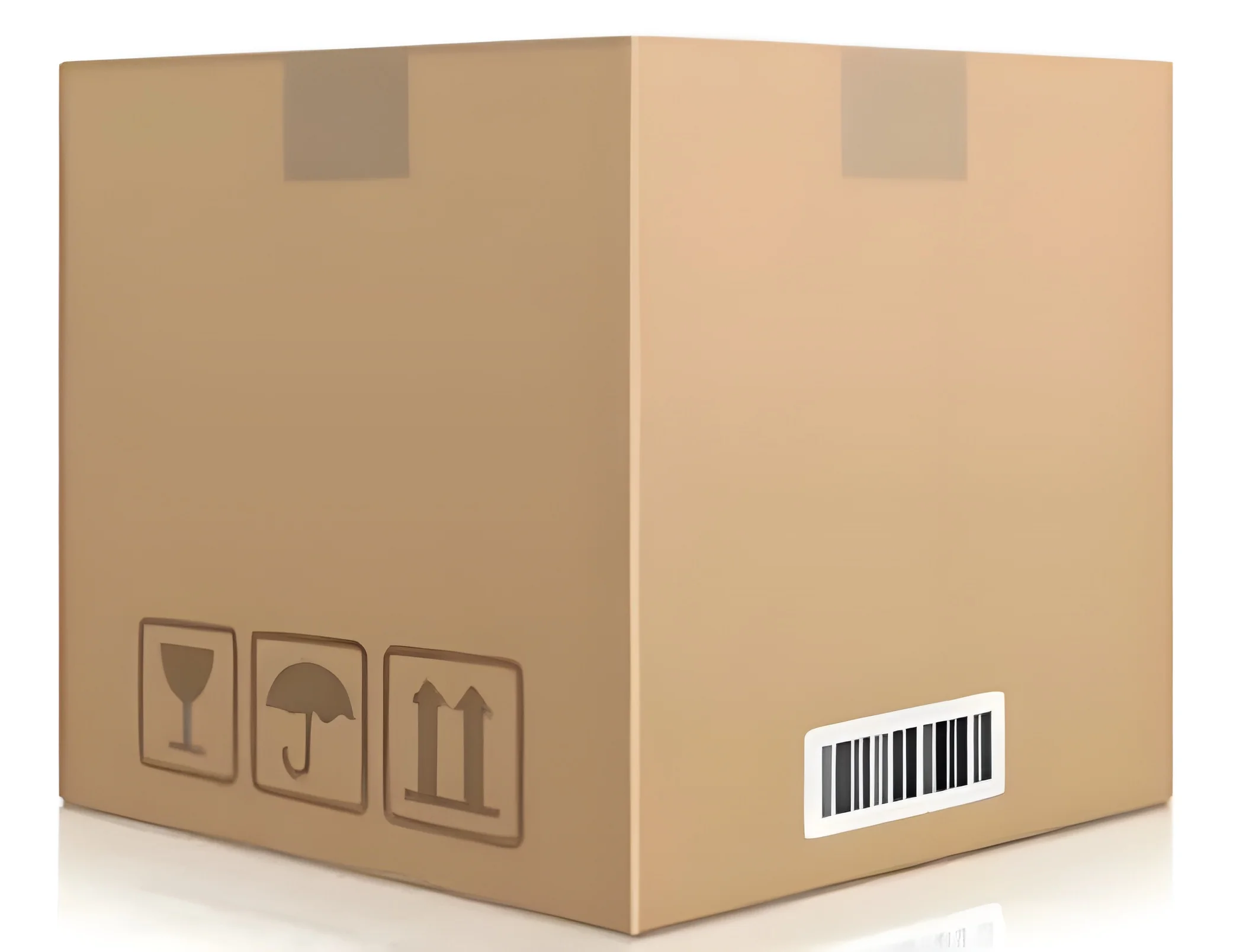
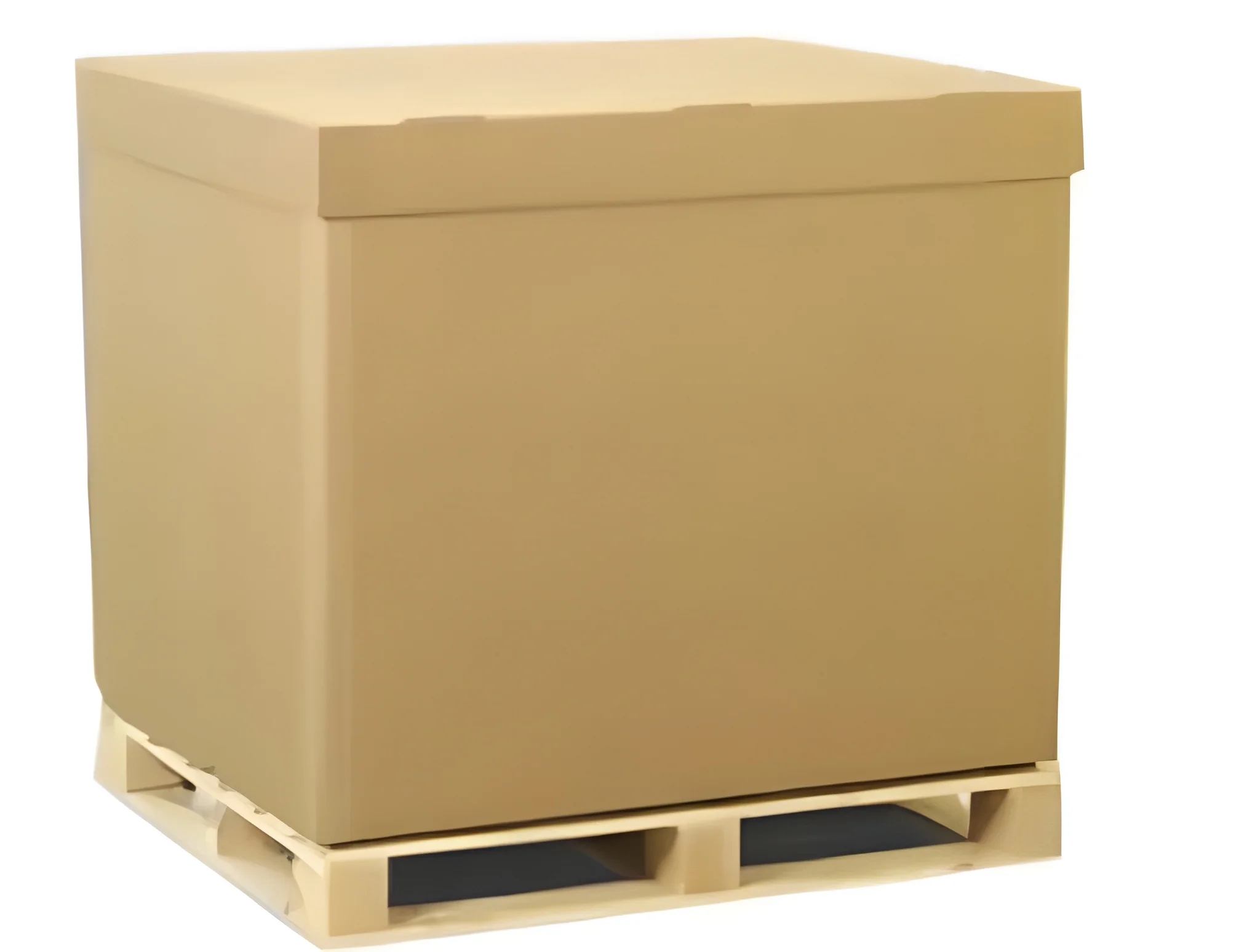
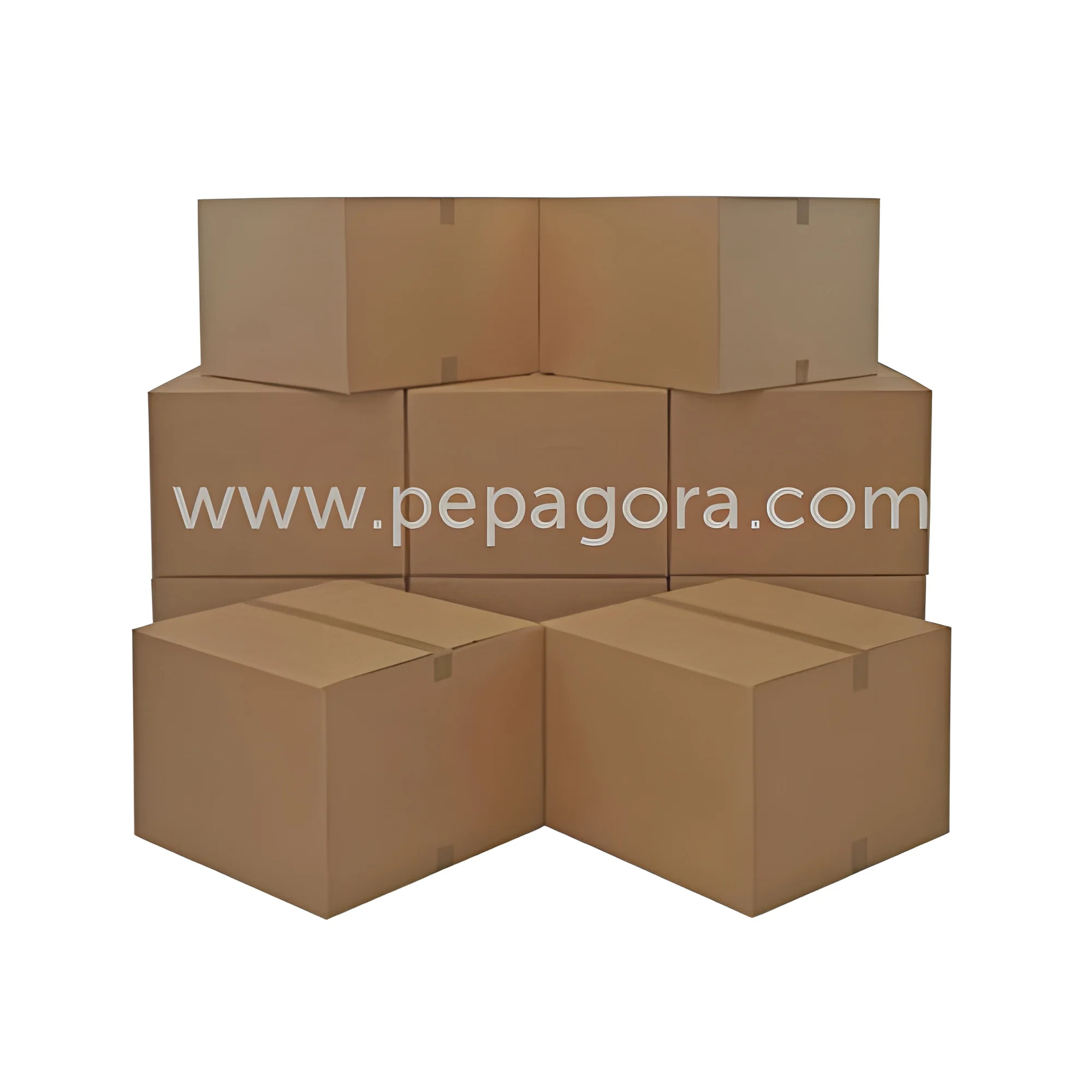
What are Recyclable Cartons & Cardboard?
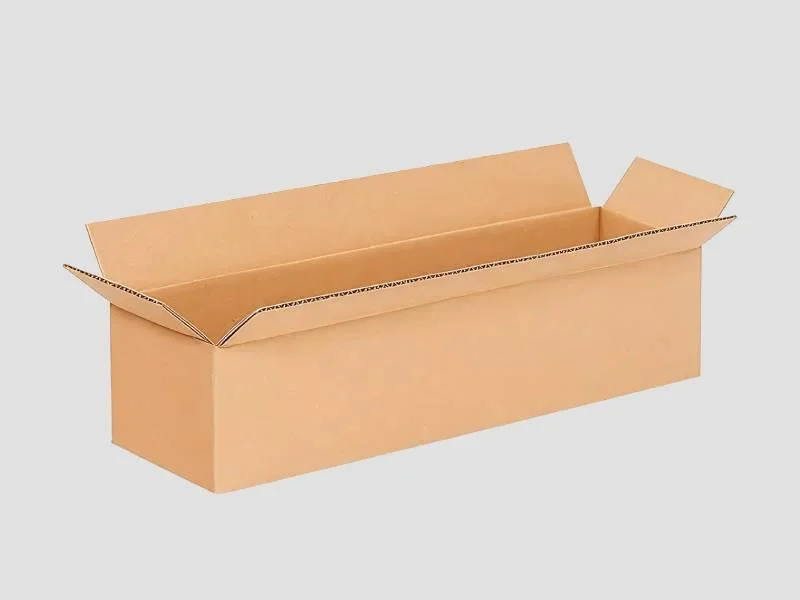
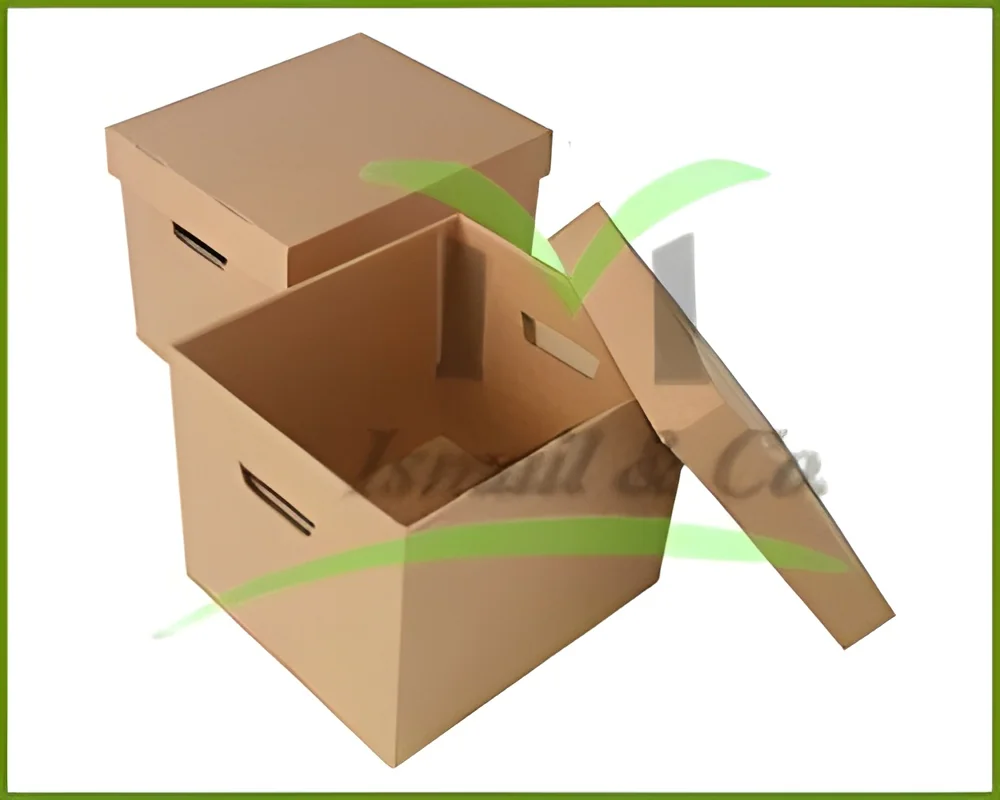
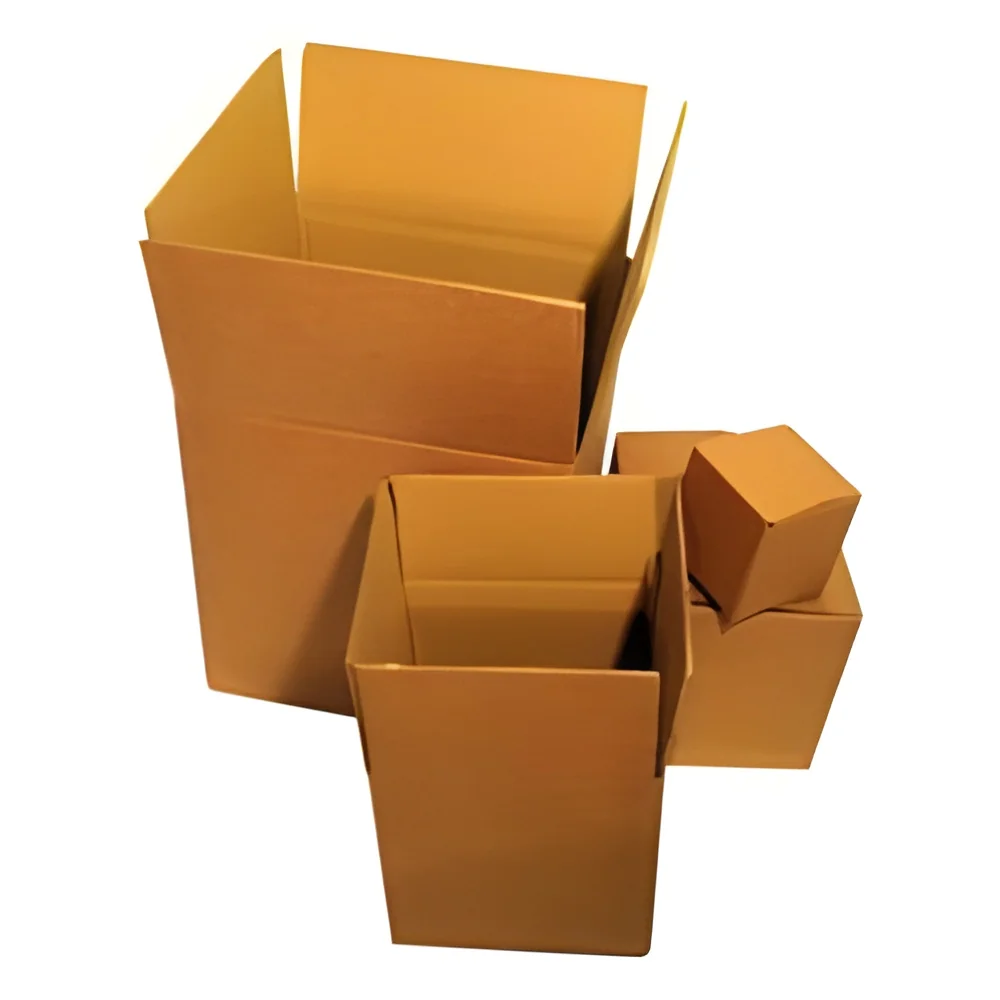
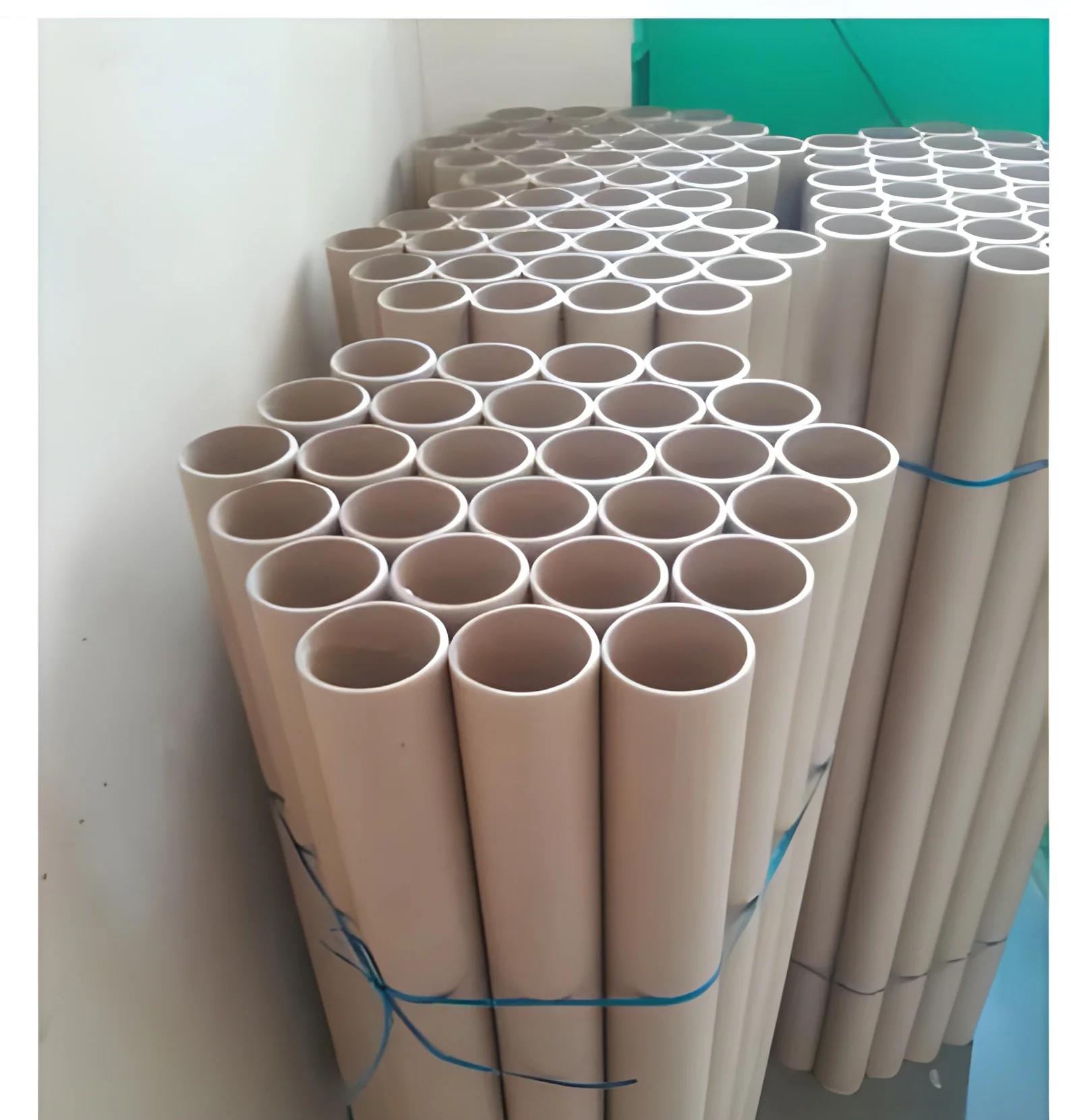
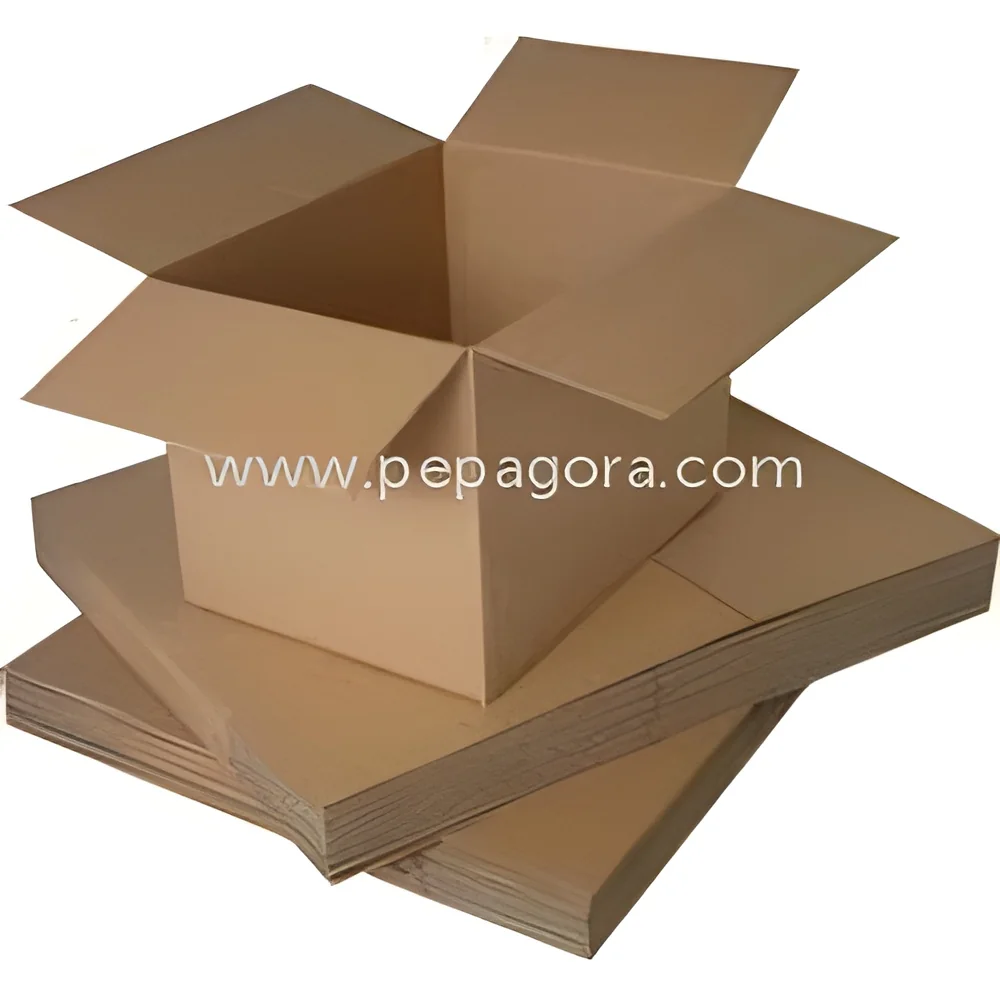
Recyclable cartons and cardboard are packaging materials made from paper-based fibers that can be reused and processed to create new products. These materials are designed to provide a sustainable packaging solution, reducing waste in landfills and promoting environmental responsibility. Recyclable cartons are often used for food and beverage packaging, while cardboard is widely utilized for shipping, storage, and retail displays.
These materials are essential in a variety of business applications, including e-commerce, food service, and manufacturing. Companies turn to recyclable cartons and cardboard to enhance their sustainability initiatives and meet consumer demand for eco-friendly options. The growing emphasis on reducing carbon footprints has made recyclable packaging a key focus for businesses aiming to align with environmental standards and regulations.
As global awareness of sustainability increases, the market for recyclable cartons and cardboard continues to expand. Industries are actively seeking innovative solutions that balance functionality with environmental impact. This trend is reflected in the growing investments in recycling technology and infrastructure to support the circular economy.
Key Features and Specifications
Recyclable cartons and cardboard come with various features and specifications that cater to different business needs. Understanding these specifications helps businesses select the right packaging solutions.
Key specifications include:
1. Material Composition
- Made primarily from paper fibers, ensuring recyclability.
- Often sourced from sustainable forestry practices.
2. Strength and Durability
- Designed to withstand various weights and handling conditions.
- Typically rated for specific load capacities.
3. Printability
- Suitable for high-quality printing, enhancing branding opportunities.
- Compatible with various printing techniques for custom designs.
4. Size and Dimensions
- Available in a range of sizes to accommodate different products.
- Custom sizes can often be produced based on client specifications.
5. Barrier Properties
- Many cartons are treated for moisture and grease resistance.
- Helps protect contents and extend shelf life.
6. Closure Options
- Various sealing methods available, including tape, glue, and interlocking designs.
- Ensures secure packaging during transport.
7. Recyclability Rate
- High recyclability rate, contributing to reduced environmental impact.
- Supports corporate sustainability goals.
8. Compliance with Standards
- Adheres to industry standards such as CE certification.
- Meets safety and quality requirements for packaging.
In summary, these specifications ensure that recyclable cartons and cardboard can effectively meet the diverse needs of businesses while supporting sustainability initiatives.
Common Applications and Use Cases
Recyclable cartons and cardboard are versatile materials used across numerous industries.
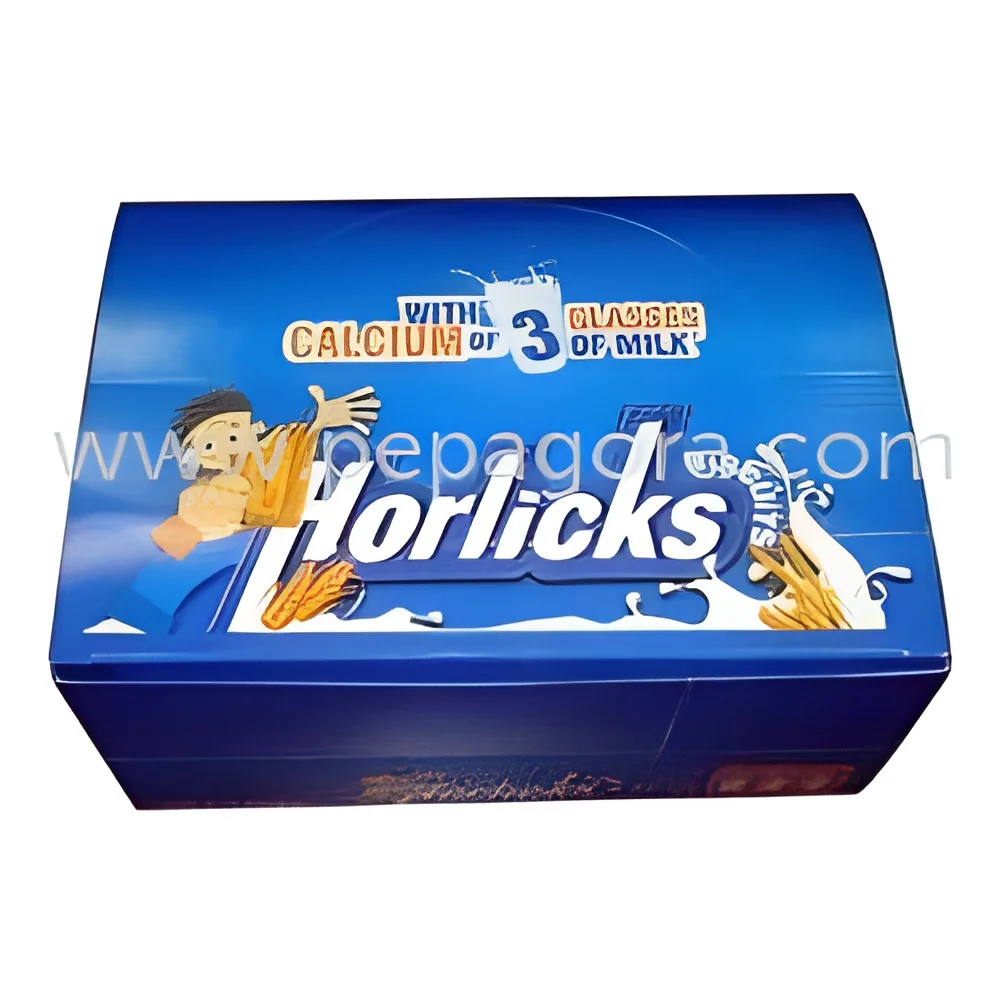
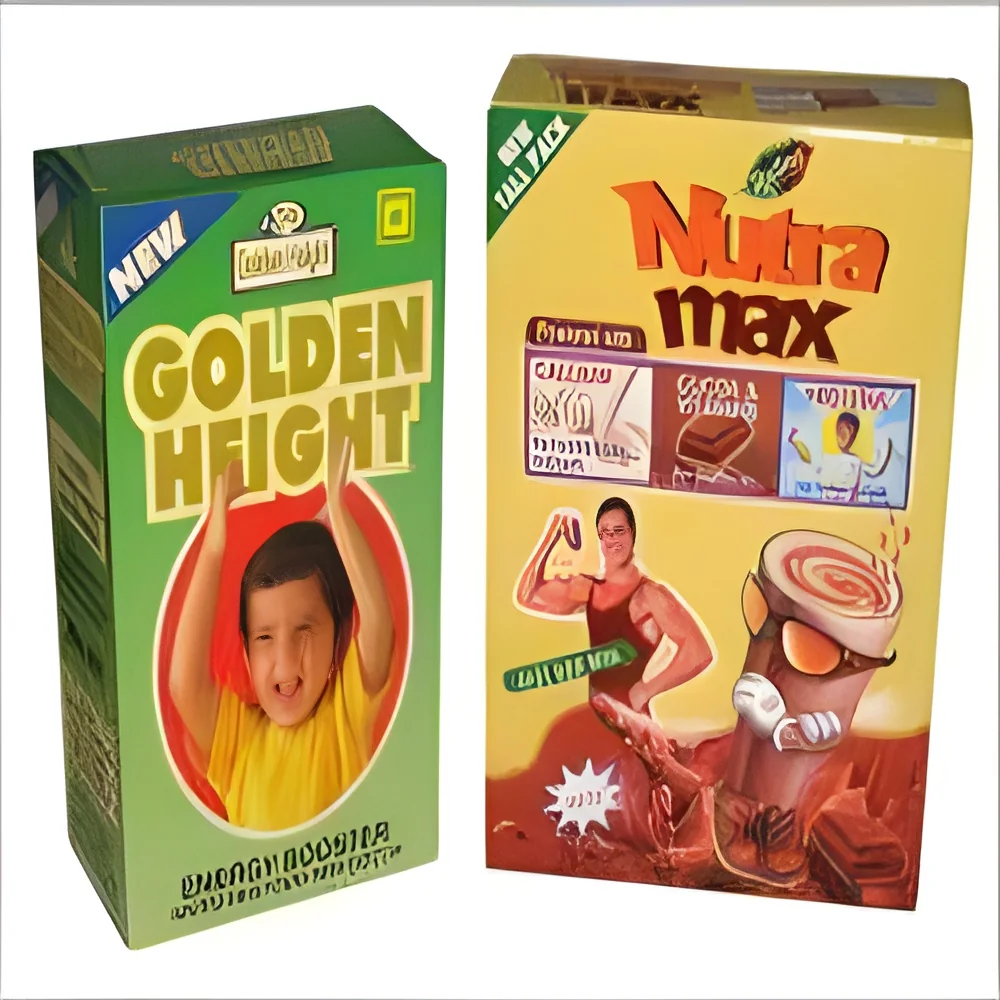
1. Food and Beverage: Commonly used for packaging a wide range of food items, from cereals to ready-to-eat meals. Their recyclable nature aligns with food safety and environmental standards.
2. E-commerce: Ideal for shipping products directly to consumers, providing protection during transit while being eco-friendly.
3. Retail: Used for point-of-sale displays and product packaging, enhancing product presentation while promoting a sustainable brand image.
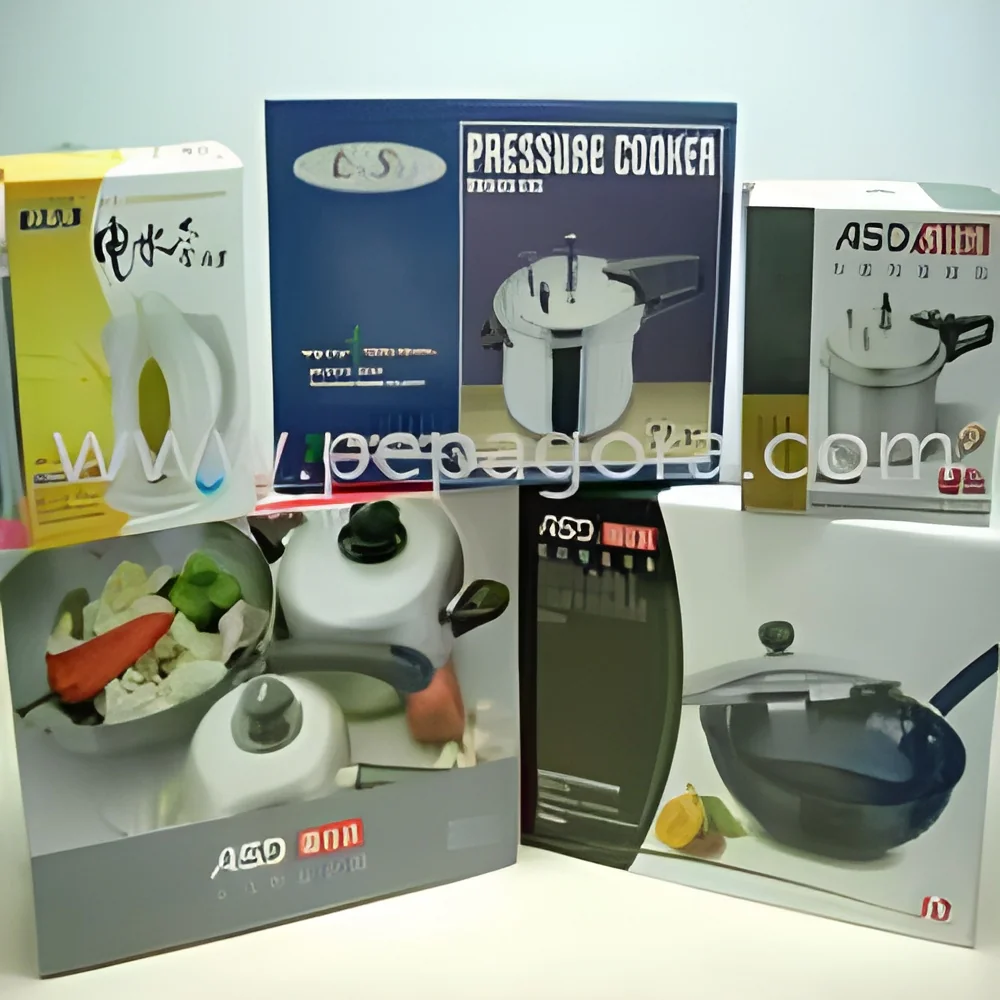
4. Electronics: Packaging for electronic devices that require secure and protective solutions during shipping and storage.
5. Automotive: Utilized for shipping and storing automotive parts, ensuring durability and compliance with industry standards.
6. Pharmaceuticals: Packaging for medications and health products, where safety and recyclability are critical.
7. Cosmetics: Used for packaging cosmetic products, combining aesthetics with environmental responsibility.
Product Variants and Subcategories
Recyclable cartons and cardboard come in various forms to meet different packaging needs.
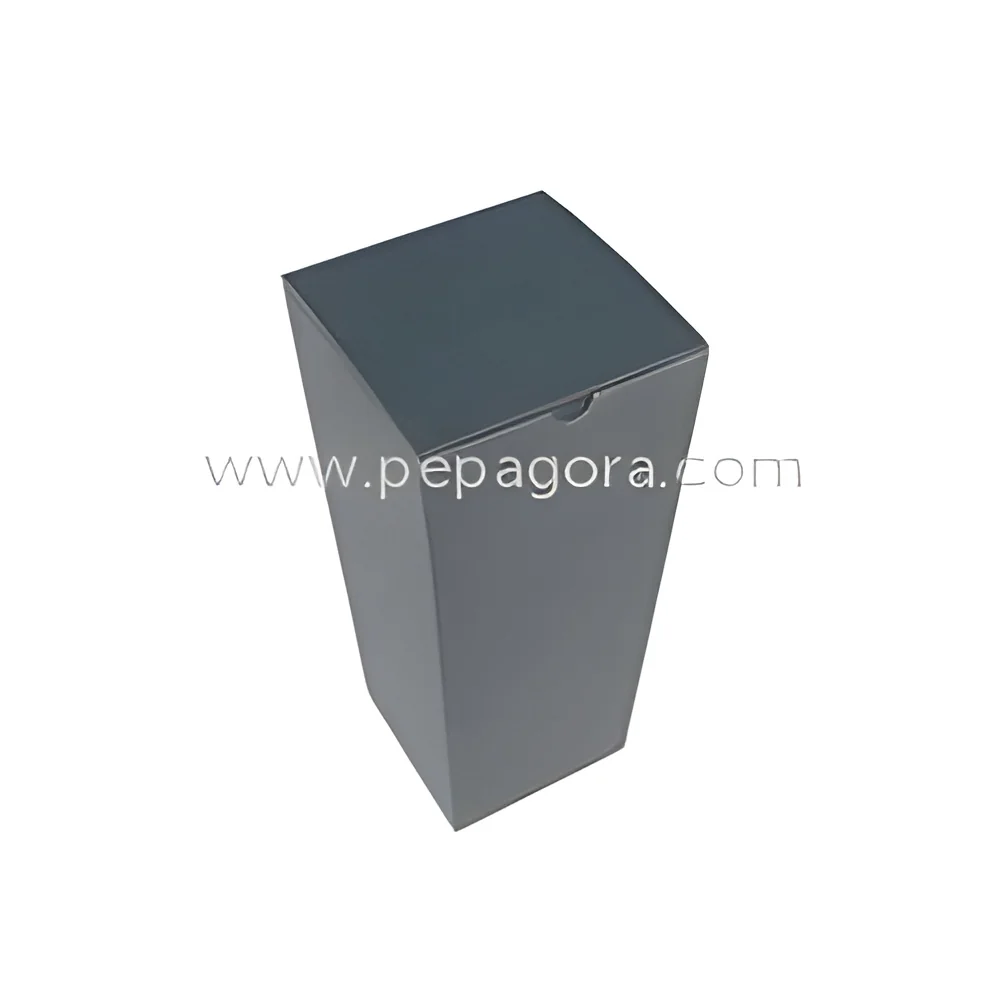
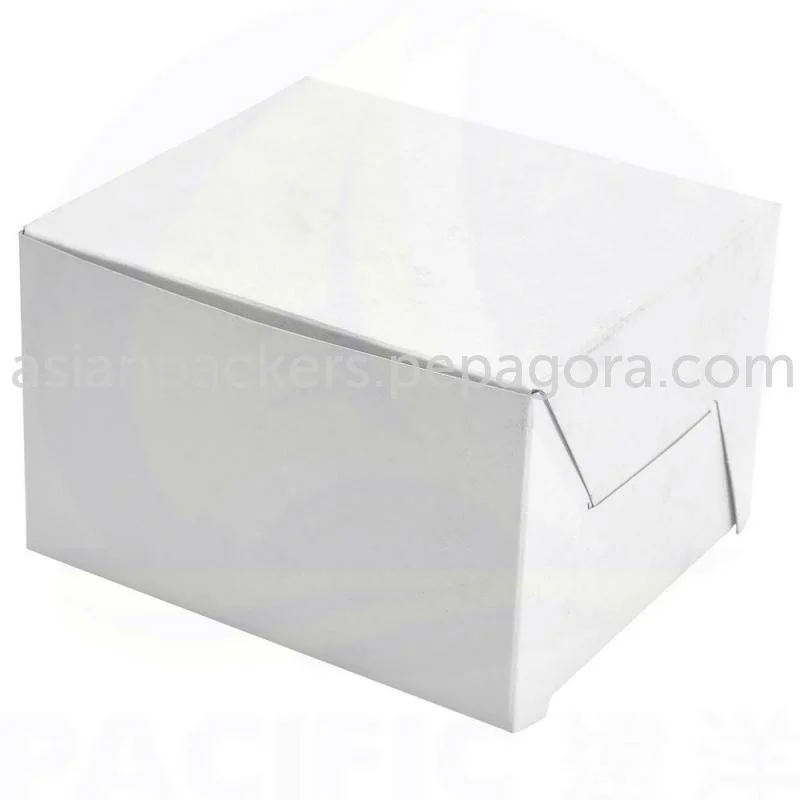
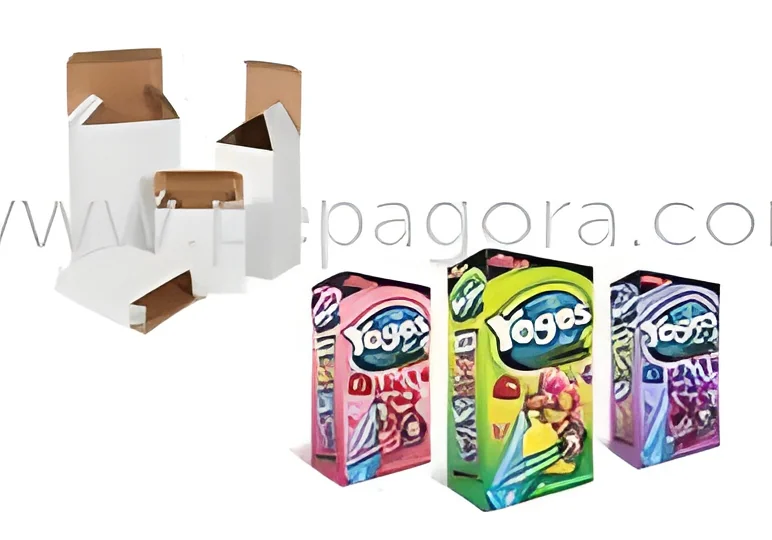
Standard Cartons: These are commonly used for food and beverage packaging. They provide excellent protection and are easily stackable, making them a preferred choice for retailers.
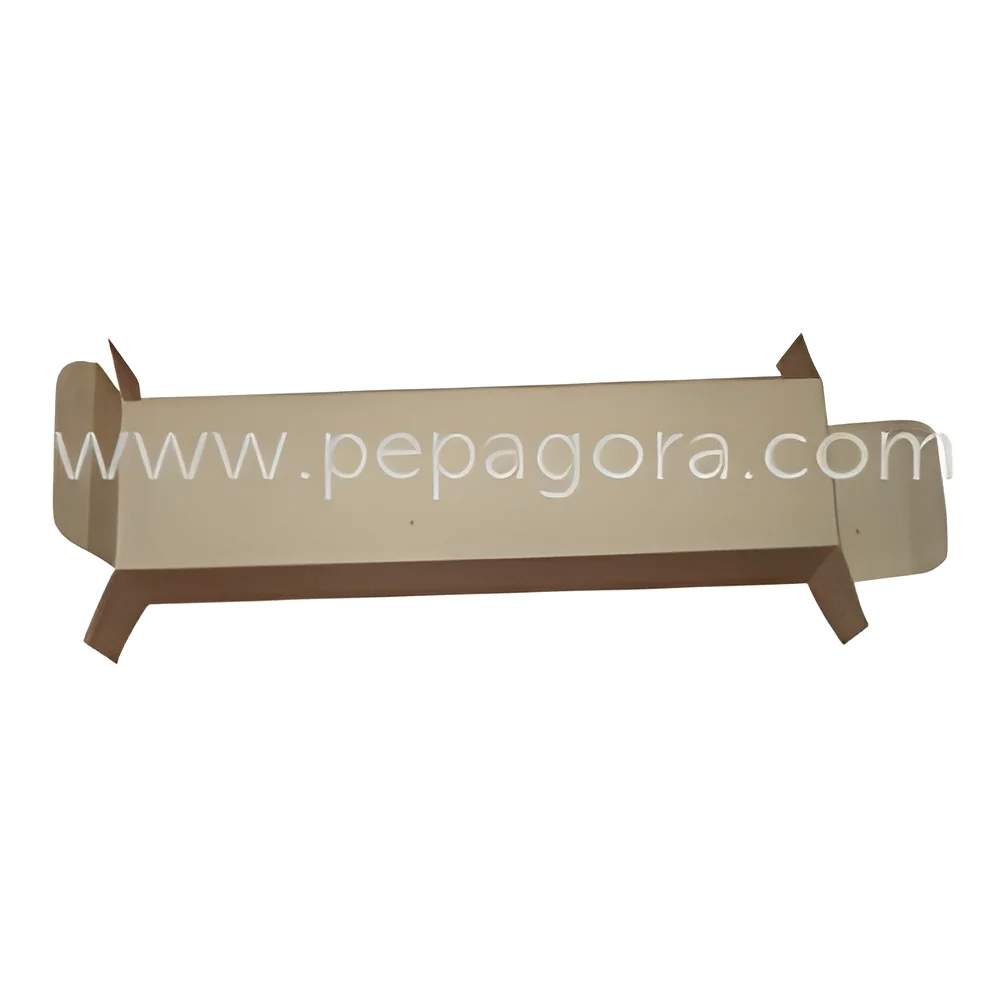
Flat Pack Cardboard: Designed for shipping and storage, this variant can be flattened for easy storage when not in use. Its lightweight nature reduces shipping costs.
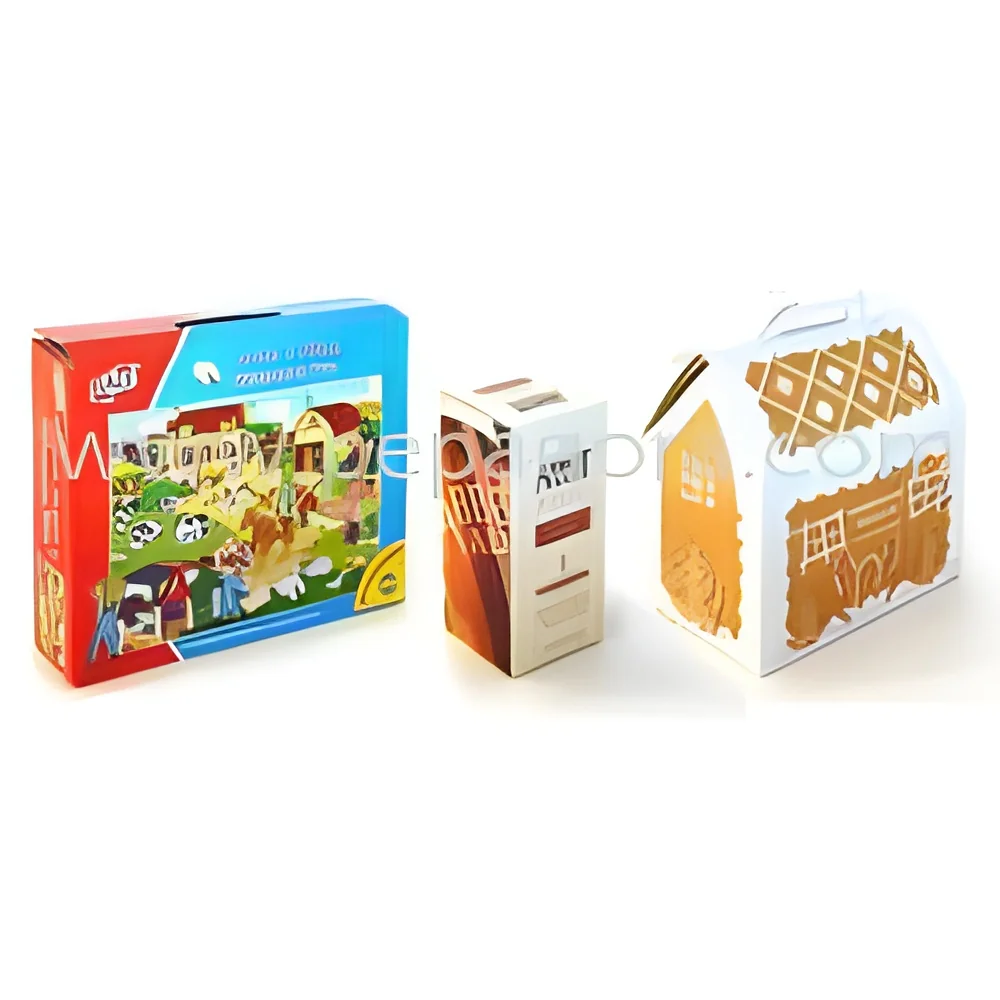
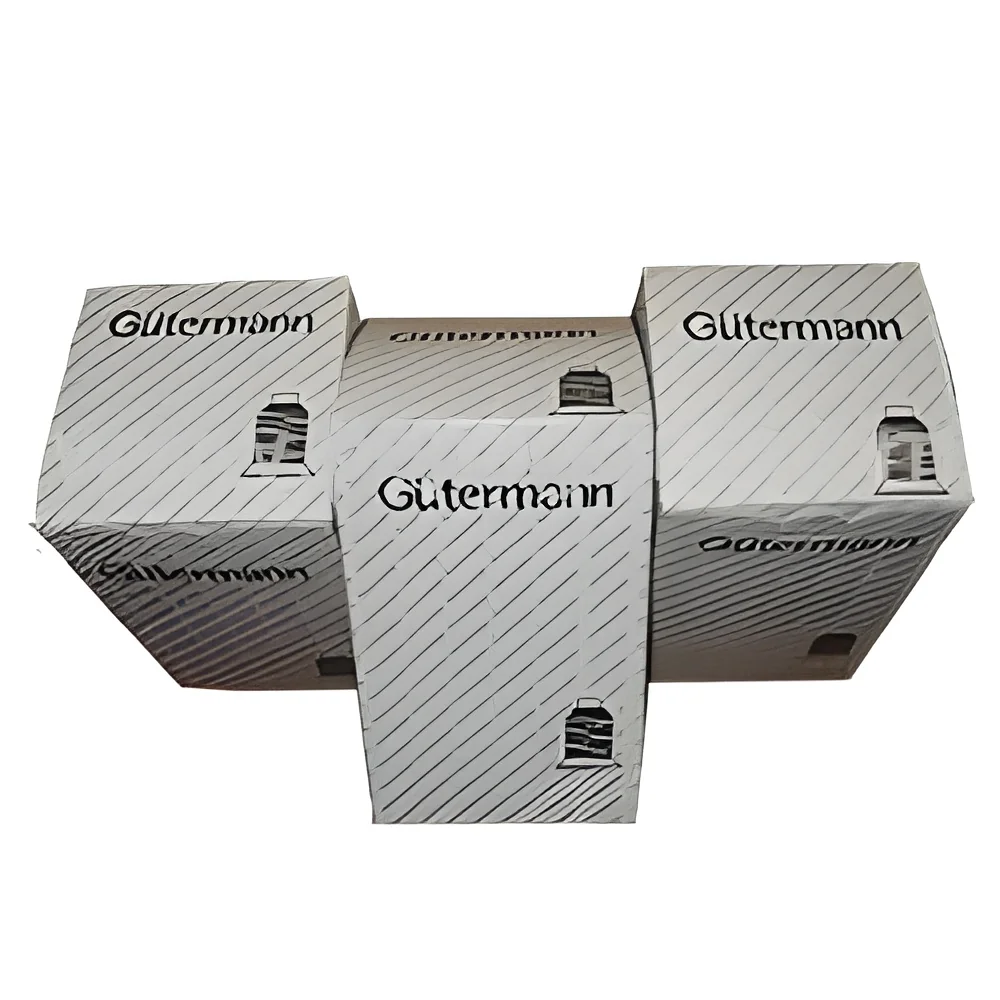
Custom Printed Boxes: Tailored for branding, these boxes can be customized with logos and designs. They are popular for e-commerce businesses looking to enhance their brand presence.
Benefits and Advantages
Recyclable cartons and cardboard offer numerous benefits that make them a preferred choice for businesses.
1. Environmental Sustainability: Promotes the reduction of waste and supports recycling initiatives, contributing to environmental conservation.
2. Cost-Effective: Often more affordable than plastic alternatives, helping businesses save on packaging costs while maintaining quality.
3. Versatility: Suitable for a wide range of applications across different industries, providing flexibility in packaging solutions.
4. Brand Enhancement: Customizable options allow businesses to reinforce their brand identity while appealing to eco-conscious consumers.
5. Consumer Appeal: Growing consumer preference for sustainable products drives sales and improves brand loyalty.
6. Compliance with Regulations: Helps businesses meet environmental regulations and standards, reducing legal risks associated with non-compliance.
Buying Guide for B2B Buyers
When sourcing recyclable cartons and cardboard, several factors should be considered to ensure the best choice for your business.
1. Quality Assessment: Evaluate the quality of materials and construction. Look for certifications that indicate compliance with industry standards.
2. Supplier Verification: It is essential to vet suppliers for reliability and reputation. Request references and review their history in the industry.
3. Pricing and MOQ: Understand the pricing structures and minimum order quantities. This helps in budgeting and aligning with production needs.
4. Delivery and Lead Times: Discuss logistics and expected delivery times to ensure timely availability of packaging materials.
5. Compliance Requirements: Ensure that the products meet local and international regulations. This is vital for avoiding penalties and ensuring product safety.
Compliance and Certifications
Compliance and certifications are critical aspects of recyclable cartons and cardboard. Adhering to relevant quality standards, such as ISO 9001 and HACCP, ensures that the products meet stringent safety and quality requirements.
Industry certifications like CE signify compliance with European health, safety, and environmental protection standards. These certifications provide assurance to businesses that the packaging materials are safe for their intended use.
Safety and testing requirements are also crucial. Products must undergo rigorous testing to confirm their durability and performance in various conditions. Additionally, businesses should be aware of regional compliance considerations, especially if operating in multiple markets with different regulations.
Why Source Recyclable Cartons & Cardboard from Pepagora?
Pepagora offers a trusted platform for sourcing recyclable cartons and cardboard with key advantages that streamline the purchasing process.
Verified Supplier Network: Pepagora connects buyers with a network of verified suppliers, ensuring quality and reliability in sourcing. This network is built on thorough vetting processes that prioritize supplier credibility.
Streamlined RFQ Process: The request for quotation (RFQ) system simplifies the procurement process. Buyers can easily compare quotes and select the best options that fit their needs.
Trade Assurance and Support: With trade assurance programs, buyers are protected throughout the transaction process. Pepagora offers support to resolve any issues, ensuring a smooth experience.
Regional Coverage: Pepagora has a broad geographic reach, covering markets in India, the GCC, and Southeast Asia. This allows businesses to access recyclable cartons and cardboard tailored to their regional requirements.

 IN
IN