What are Reusable Packaging for E-commerce?
Reusable packaging for e-commerce refers to durable and sustainable packaging solutions designed for multiple uses. Unlike traditional single-use packaging, these products are made from robust materials that can withstand various shipping and handling processes. This type of packaging not only reduces waste but also enhances the efficiency of logistics operations by allowing businesses to reuse the packaging for future shipments.
The primary applications of reusable packaging in e-commerce include shipping goods directly to consumers and returning items to warehouses. Retailers and logistics companies leverage this packaging to minimize costs associated with waste disposal and packaging materials. Additionally, businesses benefit from improved brand image by adopting sustainable practices that resonate with environmentally conscious consumers.
In the context of the growing e-commerce sector, reusable packaging is increasingly relevant. With the rise in online shopping, companies face pressure to optimize their supply chains while also addressing sustainability concerns. As regulatory frameworks tighten around waste management and carbon footprints, reusable packaging solutions have emerged as a strategic response to meet both business and environmental needs.
Key Features and Specifications
Reusable packaging for e-commerce comes with a range of features tailored for efficiency and sustainability. These specifications ensure that the packaging meets the demands of various industries while maintaining quality and functionality.
Key specifications include:
1. Material Composition
- Made from high-quality, durable materials such as polypropylene or polyethylene.
- Designed to resist wear and tear over multiple uses.
2. Capacity
- Available in various sizes to accommodate different product dimensions.
- Options for customizable dimensions based on specific requirements.
3. Weight
- Lightweight design to minimize shipping costs.
- Typically ranges from 200 grams to 1 kilogram depending on size and material.
4. Reusability Cycle
- Engineered for a minimum of 20 uses before needing replacement.
- Designed to endure rigorous shipping conditions.
5. Environmentally Friendly
- Made from recyclable materials.
- Contributes to a reduction in overall packaging waste.
6. Returnability
- Features systems for easy return to the sender.
- Often equipped with tracking systems for efficient logistics.
7. Safety Standards Compliance
- Adheres to safety regulations suitable for various product types.
- Quality tested to ensure performance under specific conditions.
8. Customization Options
- Possibility for branding and printing to enhance visibility.
- Available in various colors and designs to fit brand identity.
Reusable packaging solutions not only provide practicality but also align with the growing trend toward eco-friendliness in e-commerce.
Common Applications and Use Cases
Reusable packaging serves a variety of industries, providing tailored solutions that enhance operational efficiency and sustainability.
1. Retail: Retail businesses utilize reusable packaging for direct-to-consumer shipments, enabling cost savings on packaging materials and reducing waste.
2. Electronics: The electronics sector benefits from sturdy reusable packaging that protects fragile items during transit and allows for multiple shipping cycles.
3. Food and Beverage: In this industry, reusable packaging helps maintain product freshness while minimizing single-use plastic waste, thereby appealing to environmentally conscious consumers.
4. Pharmaceuticals: Reusable packaging ensures that sensitive medical supplies remain secure and compliant with safety regulations during transport.
5. Apparel: Clothing retailers use reusable packaging for both shipping and returns, allowing for a streamlined process and improved customer satisfaction.
6. Home Goods: Businesses in this sector leverage reusable packaging to transport bulky items efficiently while reducing overall shipping costs.
7. Automotive: The automotive industry employs reusable packaging for parts and components, benefiting from the durability and safety of these solutions.
Product Variants and Subcategories
The diversity of reusable packaging for e-commerce allows businesses to select solutions tailored to their unique needs.
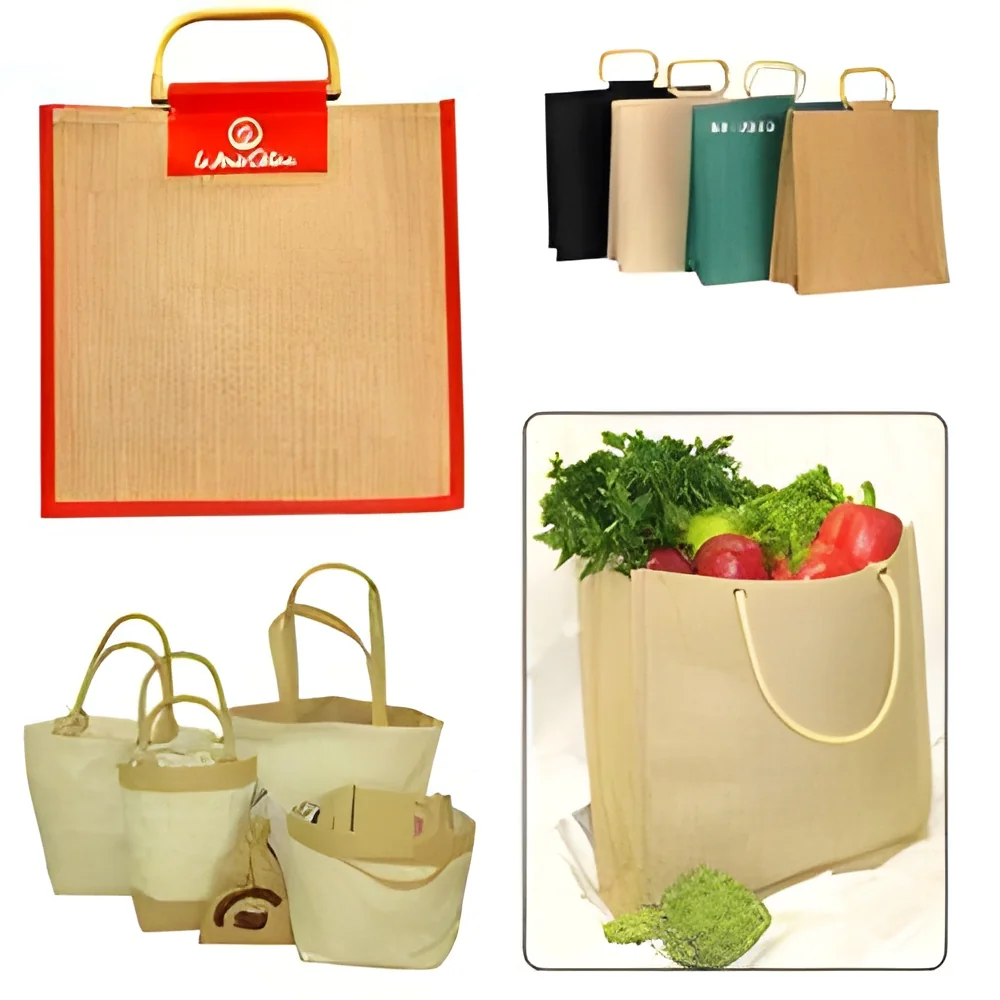
Reusable Tote Bags: These bags are designed for easy handling and are often used for delivering goods directly to consumers. They are durable, lightweight, and can be customized with branding.
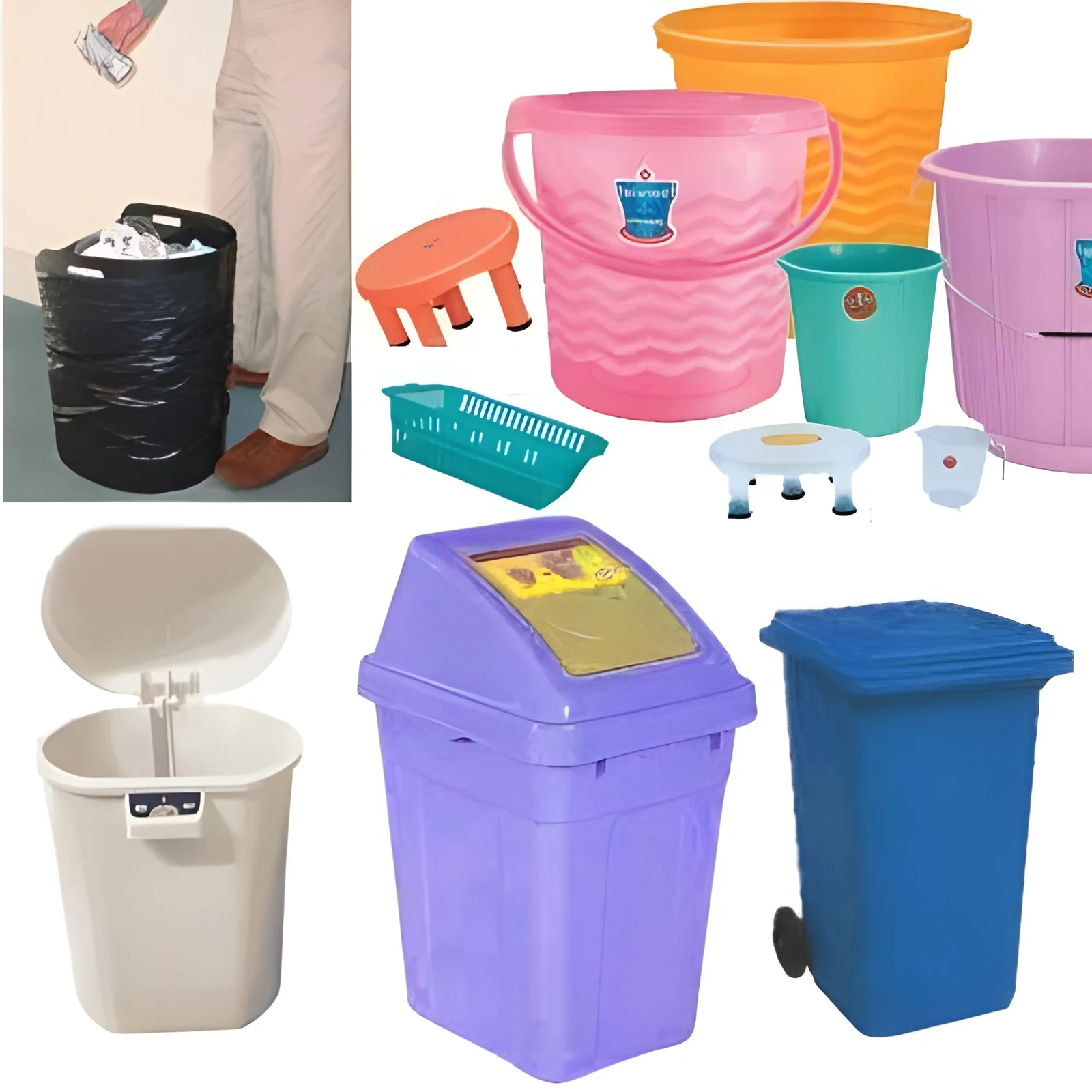
Reusable Crates: Ideal for bulk shipments, these crates provide excellent protection for products while being stackable for efficient storage. They are commonly used in the food and beverage industry.
Reusable Pallets: Designed for heavy-duty applications, reusable pallets are suitable for shipping bulky items. They offer enhanced durability and can be used in various environments.
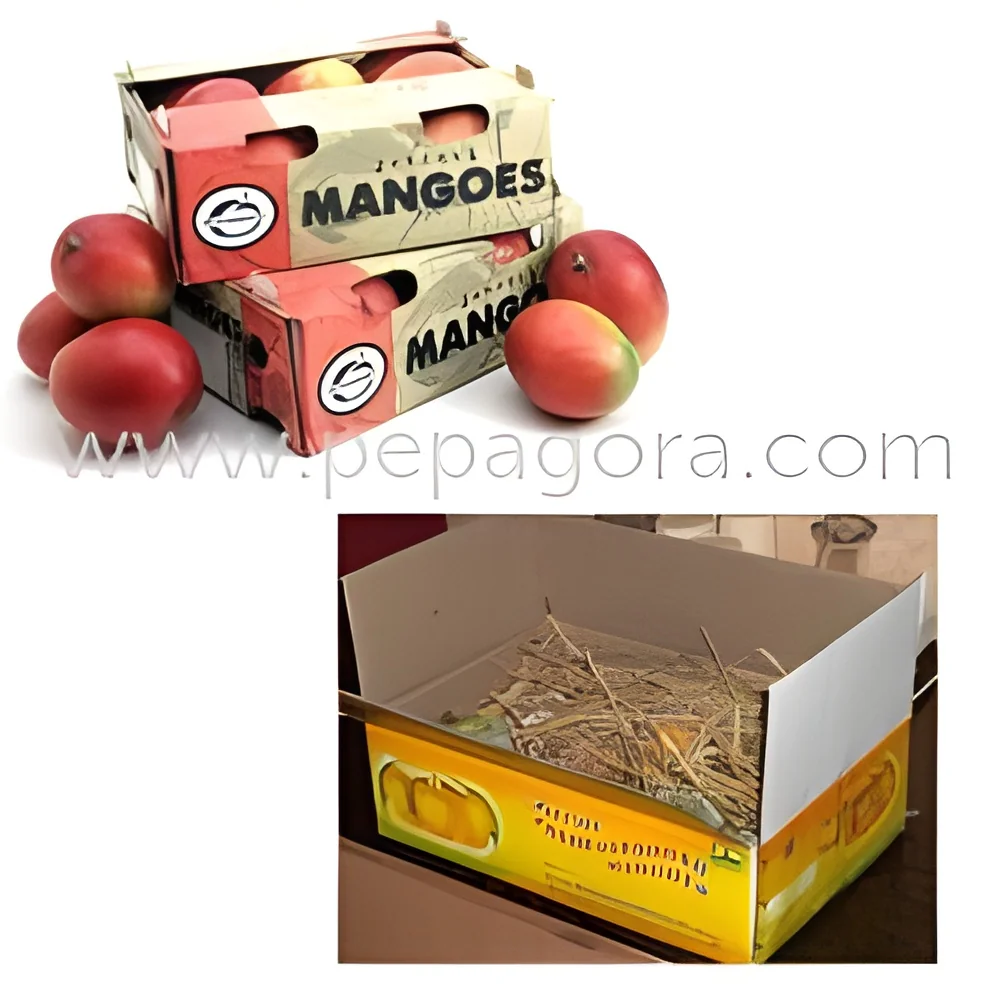
Reusable Boxes: These sturdy boxes are perfect for items that require extra protection during transit. They can be easily closed and reopened, making them ideal for return shipments.
Benefits and Advantages
Choosing reusable packaging for e-commerce presents several advantages that positively impact both the environment and business operations.
Key benefits include:
1. Cost Savings: Reusable packaging can significantly reduce the costs associated with purchasing new packaging materials, leading to improved profit margins.
2. Sustainability: By minimizing single-use packaging waste, businesses contribute to environmental conservation efforts, appealing to eco-conscious consumers.
3. Enhanced Brand Image: Companies that adopt reusable packaging demonstrate a commitment to sustainability, which can enhance brand loyalty among consumers.
4. Improved Supply Chain Efficiency: Reusable packaging streamlines logistics processes, enabling faster turnaround times and reducing the need for excess inventory.
5. Versatility: Reusable packaging solutions can be adapted for various products and industries, offering flexibility in operations.
6. Regulatory Compliance: Many reusable packaging options comply with industry standards and regulations, reducing the risk of legal issues related to waste management.
Buying Guide for B2B Buyers
When sourcing reusable packaging for e-commerce, it is essential for businesses to consider several key factors to ensure they choose the right solutions.
1. Quality Assessment: It is crucial to evaluate the durability and material quality of reusable packaging. Buyers should look for products that withstand multiple shipping cycles without compromising integrity.
2. Supplier Verification: Vetting suppliers is essential to ensure they provide high-quality products. Buyers should check for certifications and customer reviews to assess reliability.
3. Pricing and MOQ: Understanding pricing structures and minimum order quantities (MOQ) is vital for budgeting purposes. Buyers should compare quotes from various suppliers to find competitive pricing.
4. Delivery and Lead Times: Considering logistics is important when selecting a supplier. Buyers should inquire about delivery times and ensure they align with operational needs.
5. Compliance Requirements: Buyers must be aware of relevant regulations and standards that apply to their industry to ensure that the selected packaging meets compliance requirements.
Compliance and Certifications
Reusable packaging for e-commerce must adhere to various quality standards and certifications to ensure safety and reliability in different industries.
Relevant quality standards include ISO 9001, which focuses on quality management systems and helps organizations consistently provide products that meet customer and regulatory requirements. Additionally, HACCP (Hazard Analysis Critical Control Point) is essential in food-related packaging, ensuring that health and safety risks are minimized.
Industry certifications such as CE indicate that the packaging meets European safety standards, which is crucial for businesses operating in or exporting to European markets.
Safety and testing requirements are paramount, especially in sectors like pharmaceuticals and food where product integrity is critical. Packaging must undergo rigorous testing to ensure it can withstand various environmental conditions.
Moreover, regional compliance considerations vary by country, requiring businesses to stay informed about local regulations regarding packaging materials and waste management.
Why Source Reusable Packaging for E-commerce from Pepagora?
Pepagora presents an excellent platform for businesses looking to source reusable packaging for e-commerce, offering several key advantages that simplify the procurement process.
Verified Supplier Network: Pepagora ensures that all suppliers in its network have undergone thorough verification processes. This guarantees that buyers receive products from reputable sources that adhere to quality standards.
Streamlined RFQ Process: The request for quotation (RFQ) system on Pepagora is designed to facilitate efficient communication between buyers and suppliers. This process allows businesses to compare offers and select the best options tailored to their needs.
Trade Assurance and Support: Pepagora offers buyer protection through trade assurance policies, providing peace of mind throughout the purchasing process. This support ensures that businesses can confidently invest in reusable packaging solutions.
Regional Coverage: With a broad geographic reach across India, the GCC, and Southeast Asia, Pepagora is well-positioned to serve businesses in various regions. This extensive coverage facilitates timely deliveries and responsive customer support.
By choosing Pepagora, businesses can enhance their operations by sourcing reliable and sustainable reusable packaging solutions tailored to the dynamic needs of the e-commerce landscape.

 IN
IN