
 IN
Reusable Cloth Bags
4 products available
What are Reusable Cloth Bags?
Reusable cloth bags are sturdy, eco-friendly alternatives to single-use plastic bags. Made from various fabrics such as cotton, jute, or polyester, these bags are designed to be used multiple times, reducing waste and promoting sustainability. They come in various sizes, styles, and designs, making them suitable for a wide range of purposes. Businesses have increasingly adopted these bags as part of their packaging and branding strategies, contributing to a more environmentally conscious market.
These bags are primarily used in retail, grocery, and promotional applications. Retailers often provide them as a sustainable shopping option, while businesses use them for marketing, offering branded bags to customers. Industries such as food service, event management, and logistics also utilize reusable cloth bags to transport goods safely and efficiently. The growing awareness of environmental issues has led to a surge in demand for these products, firmly establishing their relevance in today's market.
Key Features and Specifications
Reusable cloth bags are characterized by several key features that make them a preferred choice for businesses. They are designed for durability, often made from high-quality materials that withstand repeated use. Their lightweight nature makes them easy to carry, while their versatility allows for various applications.
Key specifications include:
1. Material Type
- Common materials include cotton, jute, and polyester
- Each material offers different strengths and uses
2. Size Options
- Available in various sizes to accommodate different needs
- Standard sizes range from small totes to large grocery bags
3. Weight Capacity
- Typically designed to hold between 10 to 50 pounds
- Weight capacity varies by bag material and design
4. Customization
- Options for printing logos and designs
- Custom sizes and colors may be available
5. Washability
- Most bags are machine washable for easy cleaning
- Care instructions vary by material
6. Eco-Friendly Certification
- Many bags are certified as eco-friendly
- Certification may include organic or recycled material claims
7. Compliance Standards
- May meet specific industry standards for safety and quality
- Compliance can vary by region and material
In summary, reusable cloth bags offer a range of features and specifications that cater to various business needs, making them a valuable investment for companies looking to enhance their sustainability practices.
Common Applications and Use Cases
Reusable cloth bags serve a wide array of industries, providing solutions that align with sustainability goals.
1. Retail: Retailers use reusable cloth bags as a greener alternative to plastic bags, encouraging customers to make eco-friendly choices while shopping.
2. Grocery: Grocery stores promote these bags for carrying purchases, reducing single-use plastic and enhancing brand visibility through customization.
3. Food Service: Restaurants and cafes utilize cloth bags for takeout orders, ensuring food safety and promoting their brand with every delivery.
4. Event Management: Event organizers provide reusable bags as part of registration kits, serving both promotional and practical purposes.
5. Logistics: Companies in logistics use durable cloth bags for transporting goods securely, reducing reliance on disposable packing materials.
6. Promotional Marketing: Businesses distribute branded reusable bags at trade shows and events, increasing brand awareness and promoting sustainability.
7. Educational Institutions: Schools use cloth bags for carrying books and supplies, promoting eco-conscious practices among students and faculty.
Product Variants and Subcategories
There is a diverse range of reusable cloth bags available, catering to different needs and preferences.
Tote Bags
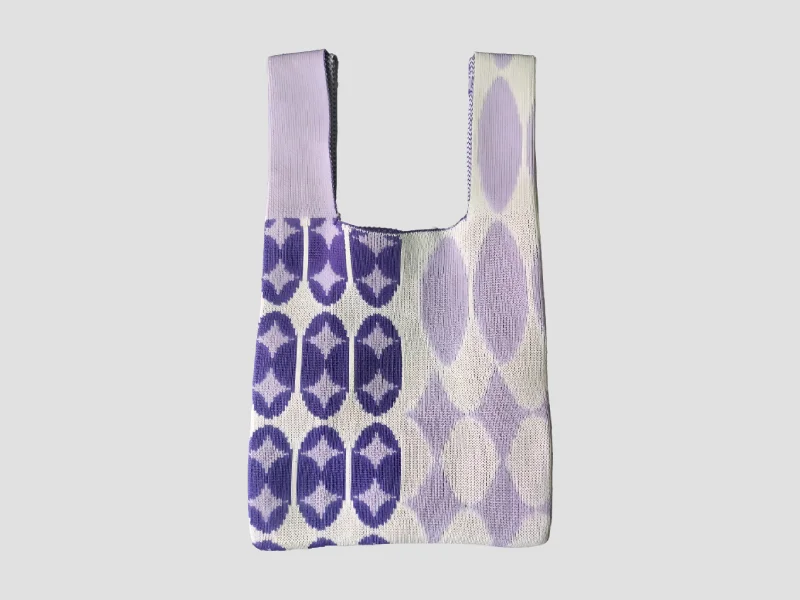
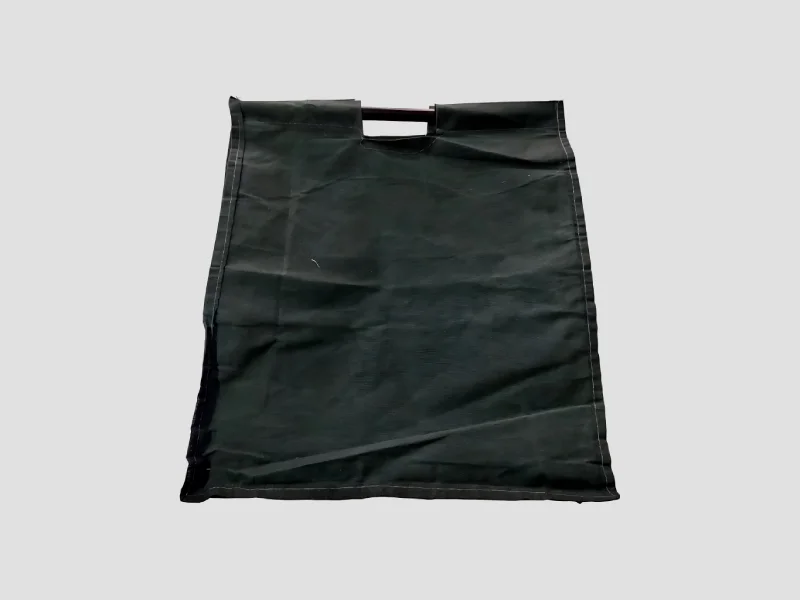
Tote bags are spacious and versatile, making them ideal for shopping, beach trips, or daily errands. They often feature sturdy handles and can be customized with logos, making them popular for promotional purposes.
Drawstring Bags
These bags are lightweight and easy to carry, featuring a simple drawstring closure. They are frequently used for sports, gyms, and events, offering convenience and portability.
Grocery Bags
Designed specifically for grocery shopping, these bags typically include reinforced bottoms and may have insulated options for perishable items. They are essential for retailers promoting sustainable shopping.
Backpacks
Reusable cloth backpacks combine functionality with eco-friendliness, making them suitable for students and professionals alike. They provide ample storage and can be customized for branding.
Benefits and Advantages
Reusable cloth bags provide numerous benefits for businesses and consumers alike.
1. Environmental Impact: By reducing reliance on single-use plastics, these bags help decrease pollution and landfill waste, contributing to a healthier planet.
2. Cost-Effectiveness: Although the initial investment may be higher than plastic bags, reusable cloth bags save money over time due to their durability and longevity.
3. Brand Visibility: Customizable options allow businesses to promote their brand effectively, increasing visibility every time a bag is used in public.
4. Consumer Preference: As consumers become more environmentally conscious, offering reusable bags can enhance customer loyalty and satisfaction.
5. Versatility: These bags can be used for various purposes beyond shopping, including storage, travel, and promotional activities.
6. Compliance with Regulations: Many regions are implementing bans on single-use plastics, making reusable cloth bags a compliant choice for businesses.
Buying Guide for B2B Buyers
When sourcing reusable cloth bags, it is essential for B2B buyers to consider several factors to ensure they make informed decisions.
1. Quality Assessment: Evaluate the quality of materials and stitching. High-quality fabrics ensure durability and longevity, making them suitable for repeated use.
2. Supplier Verification: Research potential suppliers to confirm their reliability. Look for references, reviews, and certifications to ensure they meet industry standards.
3. Pricing and MOQ: Understand the pricing structure and minimum order quantities. Compare costs among different suppliers to find the best value.
4. Delivery and Lead Times: Discuss logistics and delivery timelines with suppliers to avoid delays in your supply chain. Ensure they can meet your scheduling needs.
5. Compliance Requirements: Be aware of any regional regulatory requirements related to reusable bags. Verify that your chosen products meet these standards to avoid compliance issues.
Compliance and Certifications
Reusable cloth bags must adhere to various quality standards and certifications to ensure safety and performance.
ISO 9001: This standard indicates that a supplier has implemented a quality management system, ensuring consistent product quality and customer satisfaction.
CE Certification: This certification is crucial for products sold within the European Union, indicating that the bags meet health, safety, and environmental protection standards.
Safety and Testing: Reusable cloth bags should undergo safety testing to verify that materials are non-toxic and safe for consumer use. This may include checks for harmful substances.
Regional Compliance: Depending on the market, there may be specific regulations regarding the materials used in cloth bags. Buyers should verify compliance with local laws to avoid penalties.
Why Source Reusable Cloth Bags from Pepagora?
Pepagora provides a trusted platform for sourcing reusable cloth bags, offering businesses several key advantages.
Verified Supplier Network: Pepagora connects buyers with a network of verified suppliers, ensuring that companies can source high-quality products with confidence.
Streamlined RFQ Process: The platform simplifies the request for quotation process, allowing buyers to easily compare offerings from different suppliers and make informed purchasing decisions.
Trade Assurance and Support: Pepagora offers trade assurance services, providing buyers with protection against potential risks associated with transactions. This support fosters confidence in sourcing decisions.
Regional Coverage: With a strong presence in India, the GCC, and Southeast Asia, Pepagora enables businesses to access a diverse range of suppliers and products across these regions, enhancing sourcing opportunities.



Frequently Asked Questions
What are Reusable Cloth Bags?
Reusable Cloth Bags are eco-friendly alternatives to single-use plastic bags, designed for carrying groceries, personal items, and other goods. Made from durable materials like cotton, jute, or polyester, these bags can be washed and reused multiple times, reducing environmental impact.
What are the different types of Reusable Cloth Bags?
There are several types of Reusable Cloth Bags, including tote bags, drawstring bags, shopping bags, and foldable bags. Each type varies in size, design, and purpose, catering to different needs such as grocery shopping, fitness, or daily use.
How do I choose the right Reusable Cloth Bags?
To choose the right Reusable Cloth Bags, consider factors like the intended use, size, material, and weight capacity. Additionally, assess whether you need features such as pockets, handles, or closures based on your specific requirements.
What are the standard specifications for Reusable Cloth Bags?
Standard specifications for Reusable Cloth Bags include dimensions, weight capacity, and material thickness. Common materials include cotton (typically 150-250 GSM), jute, and non-woven fabrics, with sizes varying from small (for personal items) to large (for groceries).
What is the price range for Reusable Cloth Bags?
The price range for Reusable Cloth Bags can vary widely based on material, size, and design. Generally, prices can range from INR 20 to INR 500 per bag, depending on bulk purchasing and customization options.
What quality standards apply to Reusable Cloth Bags?
Quality standards for Reusable Cloth Bags often include durability, material safety, and environmental compliance. Bags should be free from harmful chemicals and should meet relevant industry standards for use with food and personal items.
Where can I find Reusable Cloth Bags suppliers in India?
You can find Reusable Cloth Bags suppliers in India through online B2B marketplaces like Pepagora.com, trade shows, and industry directories. It's advisable to compare suppliers based on their reputation, product range, and customer reviews.
Can Reusable Cloth Bags be customized?
Yes, Reusable Cloth Bags can often be customized to meet specific branding or functional requirements. Customization options may include printing logos, choosing colors, and modifying sizes or shapes.
What is the typical minimum order quantity for Reusable Cloth Bags?
The typical minimum order quantity (MOQ) for Reusable Cloth Bags varies by supplier but generally ranges from 100 to 500 bags. It's best to check with individual suppliers for their specific MOQ requirements.
What is the typical lead time for Reusable Cloth Bags?
The typical lead time for producing Reusable Cloth Bags can vary based on order size and customization. Generally, it ranges from 2 to 6 weeks, depending on the supplier's production capacity and current workload.
Why Businesses Trust Pepagora
Thousands of companies trust Pepagora to source smarter and sell faster
Expand Your Sales Globally

Source Smarter,Grow Faster
