Key Features and Specifications
Returnable Transit Packaging (RTP) offers numerous features that make it an attractive choice for businesses looking to enhance their logistics operations. Its construction is designed for durability and efficiency, ensuring it meets the demands of various transportation environments.
Key specifications include:
1. Material Composition
- RTP is typically made from high-density polyethylene (HDPE) or polypropylene (PP) for strength and durability.
- These materials can endure multiple use cycles without significant degradation.
2. Load Capacity
- RTP solutions are engineered to support varying loads, often ranging from 50 kg to over 500 kg depending on the design.
- This capacity ensures safe transport of heavy and bulky items.
3. Design Versatility
- RTP can be customized into different shapes and sizes, accommodating various product types.
- Options include collapsible designs for efficient storage and transport.
4. Temperature Resistance
- Certain RTP options are designed to withstand temperature variations, making them suitable for diverse environments.
- Specific temperature ranges are not specified, but RTP can be tailored for specific needs.
5. Stackability
- RTP is designed for easy stacking, maximizing space efficiency during storage and transport.
- This feature helps optimize warehouse space and reduce shipping costs.
6. Reusability
- RTP is built to be reused multiple times, promoting sustainability in packaging practices.
- This reduces the need for single-use packaging materials.
7. Custom Branding
- RTP can be printed with company logos or branding, enhancing brand visibility during transport.
- This adds a marketing element to the packaging solution.
8. Compliance with Industry Standards
- RTP is often designed to meet specific industry standards and regulations, ensuring safety and quality.
- Compliance details may vary by region and application.
In summary, Returnable Transit Packaging is a versatile and sustainable solution that meets the demands of modern supply chains. Its key features contribute to efficiency, cost savings, and environmental sustainability.
Common Applications and Use Cases
Returnable Transit Packaging (RTP) is utilized across a variety of industries, each benefiting from its unique features.
1. Automotive: In the automotive industry, RTP is used to transport parts and components, reducing the risk of damage during transit. This packaging solution helps streamline the supply chain while ensuring that critical components arrive safely.
2. Electronics: Electronics manufacturers rely on RTP to protect delicate components during shipping. The durable nature of RTP minimizes the risk of breakage and ensures that products are delivered in optimal condition.
3. Food and Beverage: RTP is commonly employed in the food and beverage sector for transporting items such as bottled drinks and packaged goods. Its reusability aligns with sustainability efforts while maintaining hygiene standards.
4. Pharmaceutical: In the pharmaceutical industry, RTP helps maintain product integrity during transport. The packaging is designed to meet stringent regulatory requirements while ensuring safe delivery of sensitive medications.
5. Consumer Goods: Retailers use RTP for bulk shipments of consumer goods, allowing for efficient logistics and reduced packaging waste. This approach supports sustainability goals while optimizing inventory management.
6. Aerospace: The aerospace industry utilizes RTP for transporting sensitive components and assemblies. The packaging's durability ensures that high-value items are protected throughout the supply chain.
7. Building Materials: RTP is also used for transporting building materials, providing stability and protection during transit. Its ability to stack efficiently helps optimize transportation logistics.
Product Variants and Subcategories
Returnable Transit Packaging (RTP) is a diverse category, with various product types designed to meet specific needs.
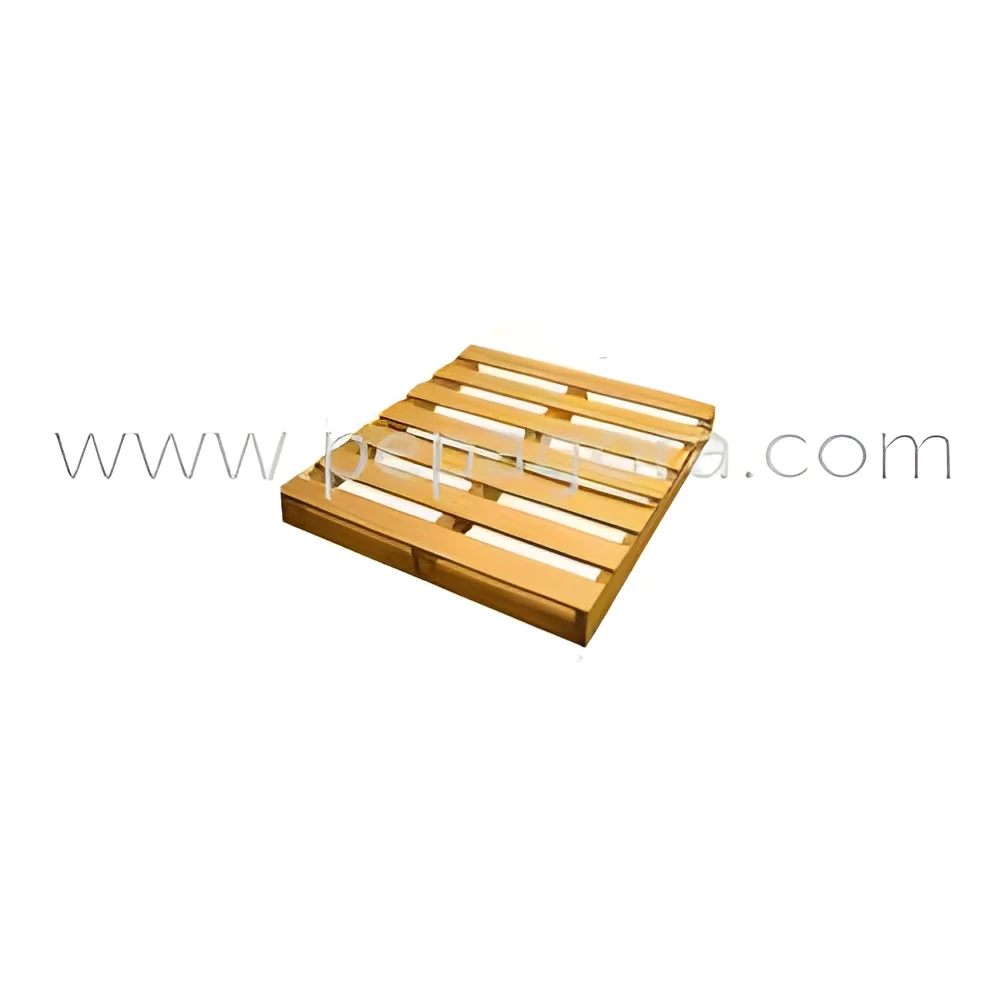
Plastic Pallets: These pallets are engineered for heavy loads and are often used in warehouses and shipping environments. They are lightweight yet strong, making them ideal for multiple uses.
Foldable Bins: These bins are designed for easy storage and transport. They can be collapsed when empty, saving space during return trips.
Reusable Crates: These crates provide a secure option for transporting items across various industries. Their sturdy construction ensures protection against damage.
Bulk Containers: Ideal for large shipments, these containers offer significant capacity while maintaining structural integrity. They are commonly used in agriculture and manufacturing.
Benefits and Advantages
Returnable Transit Packaging (RTP) delivers numerous benefits that enhance operational efficiency for businesses.
Key benefits include:
1. Cost Savings: By reusing RTP, companies can significantly reduce packaging costs associated with single-use materials. This leads to long-term financial savings.
2. Environmental Impact: RTP promotes sustainability by reducing waste and encouraging recycling. This aligns with corporate social responsibility goals.
3. Improved Logistics: RTP optimizes transportation logistics by being stackable and space-efficient. This leads to more efficient shipping and storage operations.
4. Enhanced Product Protection: The durable nature of RTP minimizes product damage during transit. This ensures that goods arrive in perfect condition.
5. Customization Options: RTP can be tailored to meet specific business needs, including size, shape, and branding. This versatility enhances functionality.
6. Compliance and Safety: RTP often meets industry-specific regulations, ensuring safety and quality standards are upheld. This reduces the risk of compliance issues.
Buying Guide for B2B Buyers
When sourcing Returnable Transit Packaging (RTP), businesses should consider several key factors to make informed decisions.
1. Quality Assessment: Evaluate the quality of RTP materials and construction. Look for certifications and standards that ensure durability and safety.
2. Supplier Verification: Vet potential suppliers to ensure reliability and quality assurance. Check for reviews, certifications, and their history in the industry.
3. Pricing and MOQ: Understand the pricing structure and minimum order quantities (MOQ) to ensure they align with your budget and operational needs.
4. Delivery and Lead Times: Assess the logistics capabilities of suppliers, including delivery timelines. This is crucial for maintaining supply chain efficiency.
5. Compliance Requirements: Be aware of any industry-specific regulations that RTP must meet. Ensure that your chosen products are compliant with safety and quality standards.
Compliance and Certifications
Returnable Transit Packaging (RTP) must adhere to various compliance standards and certifications to ensure quality and safety.
Relevant quality standards include ISO 9001, which outlines requirements for an effective quality management system. This standard ensures that companies consistently provide products that meet customer and regulatory requirements.
Industry certifications such as CE mark indicate that the packaging meets European safety, health, and environmental protection standards. This compliance is essential for businesses operating in regulated markets.
Safety and testing requirements for RTP focus on material durability and performance under various conditions. These assessments are crucial for maintaining product integrity during transit.
Regional compliance considerations may vary, so it's essential for businesses to understand local regulations that affect RTP usage. This ensures that companies are compliant with all relevant safety and environmental guidelines.
Why Source Returnable Transit Packaging (RTP) from Pepagora?
Pepagora provides a trusted platform for sourcing Returnable Transit Packaging (RTP) with several key advantages.
Verified Supplier Network: Pepagora connects buyers with a wide range of verified suppliers, ensuring access to quality RTP solutions. This network minimizes the risk of sourcing from unreliable vendors.
Streamlined RFQ Process: The platform offers a simplified request for quotation (RFQ) process, allowing buyers to easily compare options and make informed decisions. This efficiency saves time and effort in sourcing.
Trade Assurance and Support: Pepagora offers buyer protection through trade assurance, providing peace of mind during transactions. Buyers receive support throughout the sourcing process, ensuring a smooth experience.
Regional Coverage: With a strong presence in India, the GCC, and Southeast Asia, Pepagora offers extensive regional coverage for sourcing RTP. This geographic reach allows businesses to access local suppliers and reduce shipping costs.
By choosing Pepagora, businesses can enhance their sourcing experience for Returnable Transit Packaging while benefiting from a reliable and efficient platform.

 IN
IN