What are Recycling Equipment for Packaging Waste?
Recycling Equipment for Packaging Waste refers to machines and systems designed to process discarded packaging materials. These systems play a crucial role in transforming waste into reusable materials, thereby promoting sustainability and reducing environmental impact. They include various technologies such as shredders, balers, and granulators, specifically engineered to handle materials like plastics, cardboard, and metals.
Businesses utilize this equipment across multiple sectors, including manufacturing, logistics, and retail. By effectively recycling packaging waste, companies can lower operational costs, enhance their sustainability efforts, and comply with environmental regulations. The growing emphasis on eco-friendly practices has made recycling equipment essential for businesses aiming to reduce their carbon footprint and contribute positively to the circular economy.
As industries face increasing pressure to adopt sustainable practices, the demand for recycling equipment continues to rise. This market is driven by regulatory changes, consumer preferences for sustainable products, and technological advancements that improve recycling efficiency. Investing in recycling equipment not only helps businesses meet compliance but also fosters innovation in waste management solutions.
Key Features and Specifications
Recycling Equipment for Packaging Waste comes with a variety of features designed to enhance efficiency and usability. Understanding these specifications is essential for businesses looking to invest in the right equipment.
Key specifications include:
1. Processing Capacity
- Refers to the volume of material the equipment can handle per hour.
- Typically ranges from 500 kg to several tons, depending on the machine size.
2. Power Consumption
- Indicates the energy requirements for operation.
- Commonly varies from 5 kW to 150 kW, based on the equipment's capability.
3. Material Compatibility
- Specifies the types of materials that can be processed.
- Includes plastics, paper, cardboard, and metals.
4. Safety Features
- Includes emergency stop buttons, guards, and sensors.
- Ensures operator safety during operation.
5. Dimensions
- Describes the physical size of the equipment.
- Typically varies, with standard units ranging from compact sizes for smaller facilities to larger units for industrial applications.
6. Automation Level
- Indicates the extent of automation in the process.
- Options range from manual controls to fully automated systems with advanced monitoring.
7. Maintenance Requirements
- Refers to the frequency and type of maintenance needed.
- Some models may require daily checks, while others have longer service intervals.
8. Durability and Build Quality
- Indicates the materials used in construction and overall robustness.
- Equipment is often built with heavy-duty components to withstand rigorous use.
Investing in recycling equipment with the right specifications can lead to improved efficiency and reduced operational costs.
Common Applications and Use Cases
Recycling Equipment for Packaging Waste serves a wide range of industries, each with unique applications and needs.
1. Manufacturing: Many manufacturers use recycling equipment to reclaim materials from production waste, enhancing resource efficiency and reducing disposal costs.
2. Retail: Retailers often utilize recycling solutions to manage packaging waste generated from product deliveries, promoting a cleaner environment and reducing landfill contributions.
3. Logistics: Logistics companies frequently implement recycling equipment to process packaging materials returned from shipments, minimizing waste and improving sustainability.
4. Food and Beverage: This sector benefits from recycling equipment to handle packaging waste from products, ensuring compliance with health regulations while promoting recycling initiatives.
5. Construction: Construction companies use these systems to recycle packaging materials from construction supplies, reducing overall project waste and supporting eco-friendly building practices.
Product Variants and Subcategories
Recycling Equipment for Packaging Waste comes in various forms to cater to different processing needs and business sizes.
Shredders: These machines are designed to cut materials into smaller pieces, making them easier to process and transport. They are ideal for handling bulky items like cardboard and plastic.
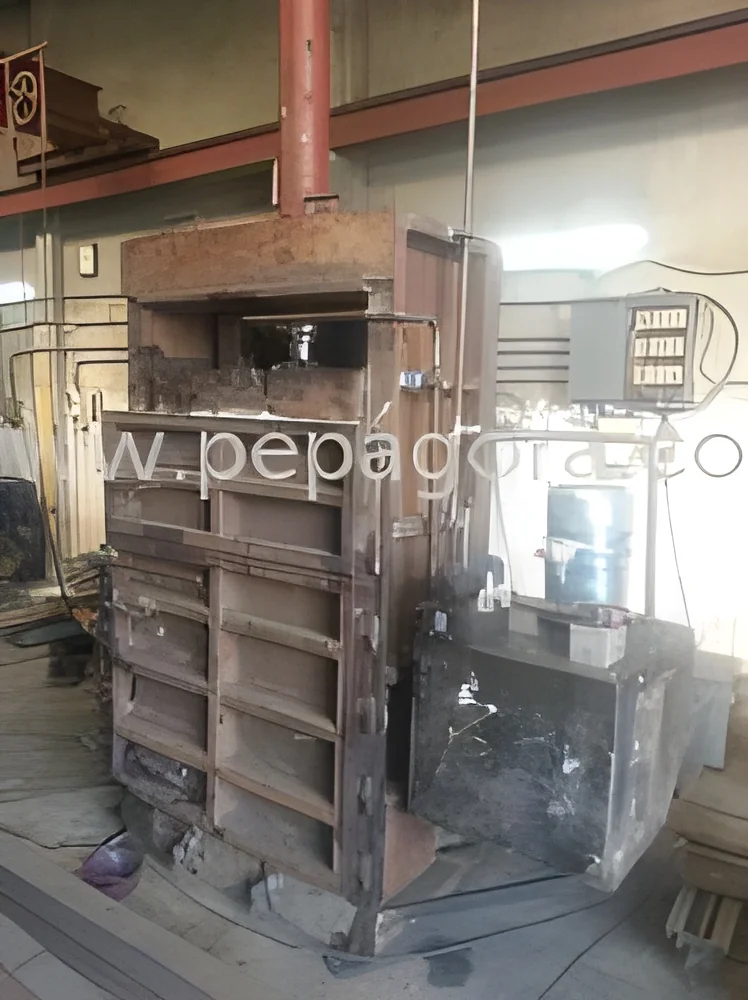
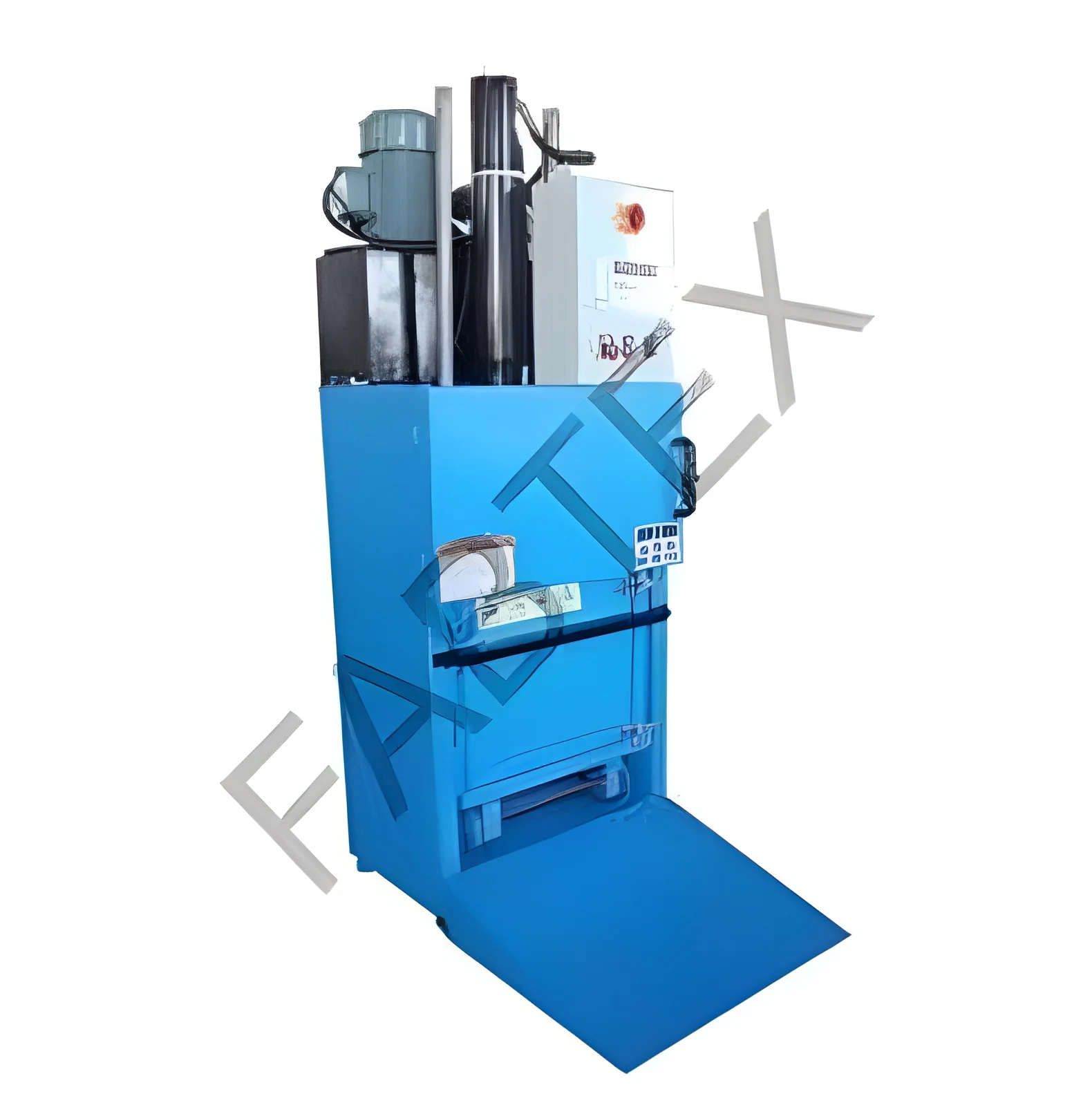
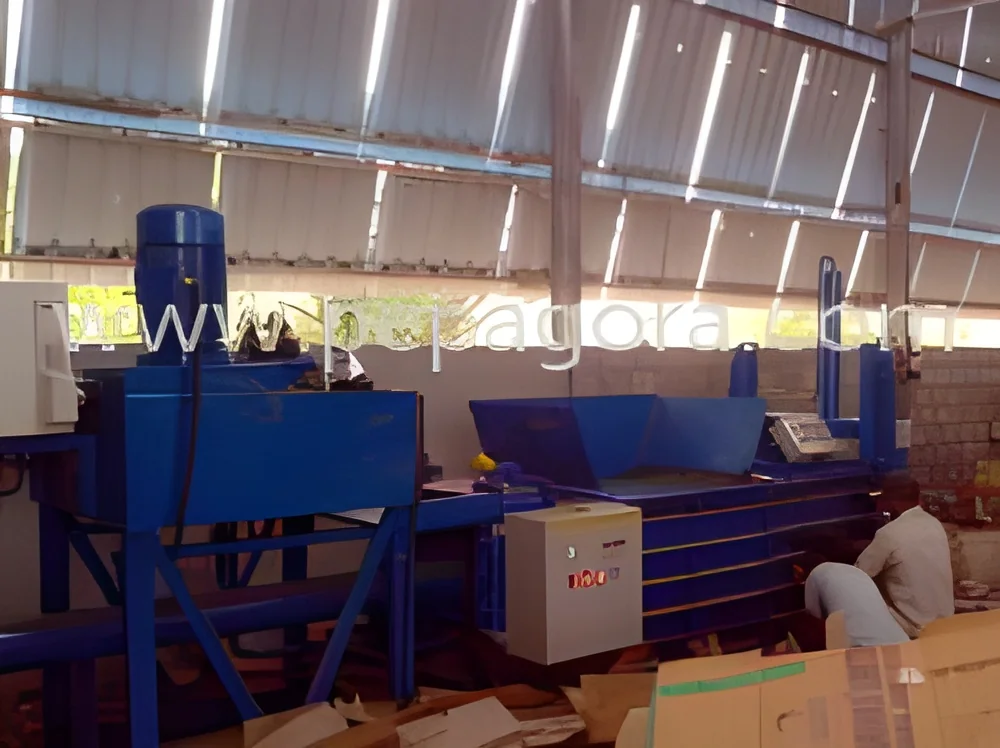
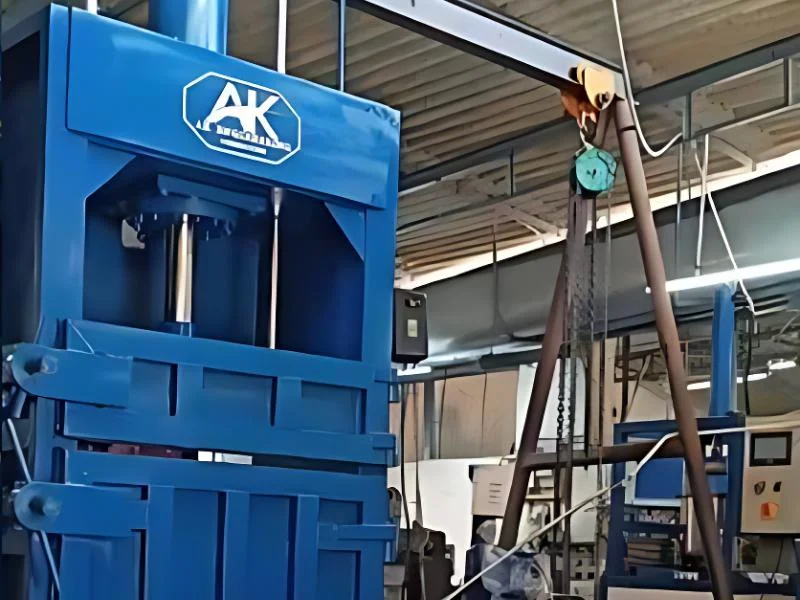
Balers: Balers compress recyclable materials into compact bales, optimizing storage space and simplifying transport. They are commonly used in retail and manufacturing sectors.
Granulators: These machines grind materials into small granules, facilitating further processing or reuse. Granulators are particularly effective for plastics and other similar materials.
Crushers: Crushers break down large packaging materials, such as metal cans and containers, into manageable sizes for easier recycling.
Benefits and Advantages
Investing in Recycling Equipment for Packaging Waste comes with numerous benefits that can significantly impact a business’s operations and sustainability initiatives.
Key benefits include:
1. Cost Savings: Efficient recycling reduces disposal costs and can generate revenue from the sale of recycled materials.
2. Environmental Compliance: Adopting recycling practices helps businesses comply with local and international environmental regulations.
3. Enhanced Brand Image: Companies that prioritize sustainability can improve their public image and attract environmentally conscious consumers.
4. Waste Reduction: Recycling equipment helps minimize the volume of waste sent to landfills, contributing to a cleaner environment.
5. Resource Recovery: Effective recycling allows businesses to recover valuable materials, reducing the need for virgin resources.
6. Increased Efficiency: Modern recycling equipment often comes with automation features that streamline operations and reduce labor costs.
Buying Guide for B2B Buyers
When sourcing Recycling Equipment for Packaging Waste, several factors should be considered to ensure the right investment.
1. Quality Assessment: Evaluate the equipment's build quality, materials used, and manufacturer reputation. Look for certifications that indicate adherence to industry standards.
2. Supplier Verification: Conduct thorough vetting of suppliers to confirm their reliability and track record in delivering quality equipment.
3. Pricing and MOQ: Understand the pricing structures and minimum order quantities associated with the equipment to align with budget constraints.
4. Delivery and Lead Times: Inquire about logistics and expected delivery times to ensure timely installation and operation.
5. Compliance Requirements: Verify that the equipment meets all relevant regulatory standards and certifications to avoid legal complications.
Compliance and Certifications
Recycling Equipment for Packaging Waste must adhere to various industry standards and certifications to ensure safety and quality.
Relevant quality standards include ISO 9001, which focuses on quality management systems, and HACCP, which addresses food safety in packaging. Compliance with these standards ensures that equipment is manufactured to high-quality specifications and that operational processes meet safety requirements.
The CE certification is significant for equipment sold in Europe, indicating conformity to health, safety, and environmental protection standards. This certification assures buyers of the equipment's compliance with EU regulations.
In addition to these standards, safety and testing requirements must be met to ensure that the equipment operates safely under various conditions. Regional compliance considerations may also vary, necessitating an understanding of local regulations.
Why Source Recycling Equipment for Packaging Waste from Pepagora?
Pepagora provides a trusted platform for sourcing Recycling Equipment for Packaging Waste, offering several key advantages to B2B buyers.
Verified Supplier Network: Pepagora connects buyers with a network of verified suppliers, ensuring that businesses can source high-quality equipment from reputable manufacturers.
Streamlined RFQ Process: The platform features a streamlined Request for Quotation process, allowing buyers to receive multiple quotes quickly and easily, enhancing decision-making efficiency.
Trade Assurance and Support: Buyers benefit from trade assurance and support services that protect their investments and facilitate smooth transactions.
Regional Coverage: Pepagora serves a wide geographic area, including India, GCC, and Southeast Asia, making it easier for businesses across these regions to access reliable recycling equipment solutions.
By choosing Pepagora, businesses can confidently navigate the complexities of sourcing Recycling Equipment for Packaging Waste, ensuring they make informed and beneficial decisions.

 IN
IN