
 IN
Refillable Dispensers & Bottles
1 products available
What are Refillable Dispensers & Bottles?
Refillable dispensers and bottles are containers designed to hold various liquids, allowing users to refill them for repeated use. These products are typically made from durable materials that can withstand the rigors of industrial environments. They are equipped with dispensing mechanisms that facilitate easy pouring or dispensing of liquids, making them a practical choice for businesses aiming to reduce waste and control costs.
These dispensers and bottles find primary applications in various sectors, including food and beverage, pharmaceuticals, and chemicals. They are commonly used to store and dispense cleaning solutions, sanitizers, oils, and other liquids. Businesses favor refillable options not only for their cost-effectiveness but also for their environmental benefits, as they promote sustainability by minimizing single-use plastic waste.
In today's market, the demand for refillable dispensers and bottles is growing as industries become more environmentally conscious and seek to improve their operational efficiencies. The relevance of these products is underscored by an increasing emphasis on sustainable practices, making them a valuable addition to modern business operations.
Key Features and Specifications
Refillable dispensers and bottles come with a variety of features tailored to meet specific business needs. These specifications can significantly influence the usability and efficiency of the products across different applications.
Key specifications include:
1. Material Composition
- Typically made from high-density polyethylene (HDPE) or glass
- Ensures durability, chemical resistance, and safety
2. Capacity
- Available in various sizes, ranging from 100 ml to 10 liters
- Allows for flexibility based on the volume of liquid to be dispensed
3. Dispensing Mechanism
- Options include pumps, spouts, and triggers
- Facilitates controlled and precise dispensing of liquids
4. Reusability
- Designed for multiple uses with proper cleaning
- Reduces the need for single-use plastics
5. Compatibility
- Suitable for a wide range of liquids, including chemicals and food products
- Ensures versatility in different industrial applications
6. Ease of Cleaning
- Smooth interior surfaces and wide openings
- Simplifies maintenance and hygiene practices
7. Sealability
- Features secure closures to prevent leakage
- Essential for transport and storage safety
8. Customization Options
- Available in various colors and designs
- Allows businesses to brand their products effectively
Refillable dispensers and bottles are designed to meet a variety of user needs, ensuring both functionality and compliance with industry standards.
Common Applications and Use Cases
Refillable dispensers and bottles have a wide range of applications across multiple industries.
1. Food and Beverage: Used for dispensing oils, sauces, and cleaning solutions in restaurants and food processing plants, ensuring proper hygiene and minimizing waste.
2. Pharmaceuticals: Essential for storing and dispensing liquid medications, ensuring compliance with safety and hygiene standards in healthcare settings.
3. Chemical Manufacturing: Employed to manage hazardous liquids safely, with features that prevent leaks and ensure secure handling.
4. Automotive: Used for lubricants and cleaning solutions, allowing for easy access and precise dispensing in repair shops.
5. Janitorial Services: Ideal for cleaning products, enabling easy refilling and reducing the reliance on single-use containers.
6. Cosmetics: Commonly utilized for lotions, shampoos, and other liquid beauty products, providing an eco-friendly packaging solution.
7. Agriculture: Used for fertilizers and pesticides, allowing for controlled application while minimizing environmental impact.
Product Variants and Subcategories
Refillable dispensers and bottles are available in various designs and configurations to cater to diverse business needs.
Liquid Pump Dispenser
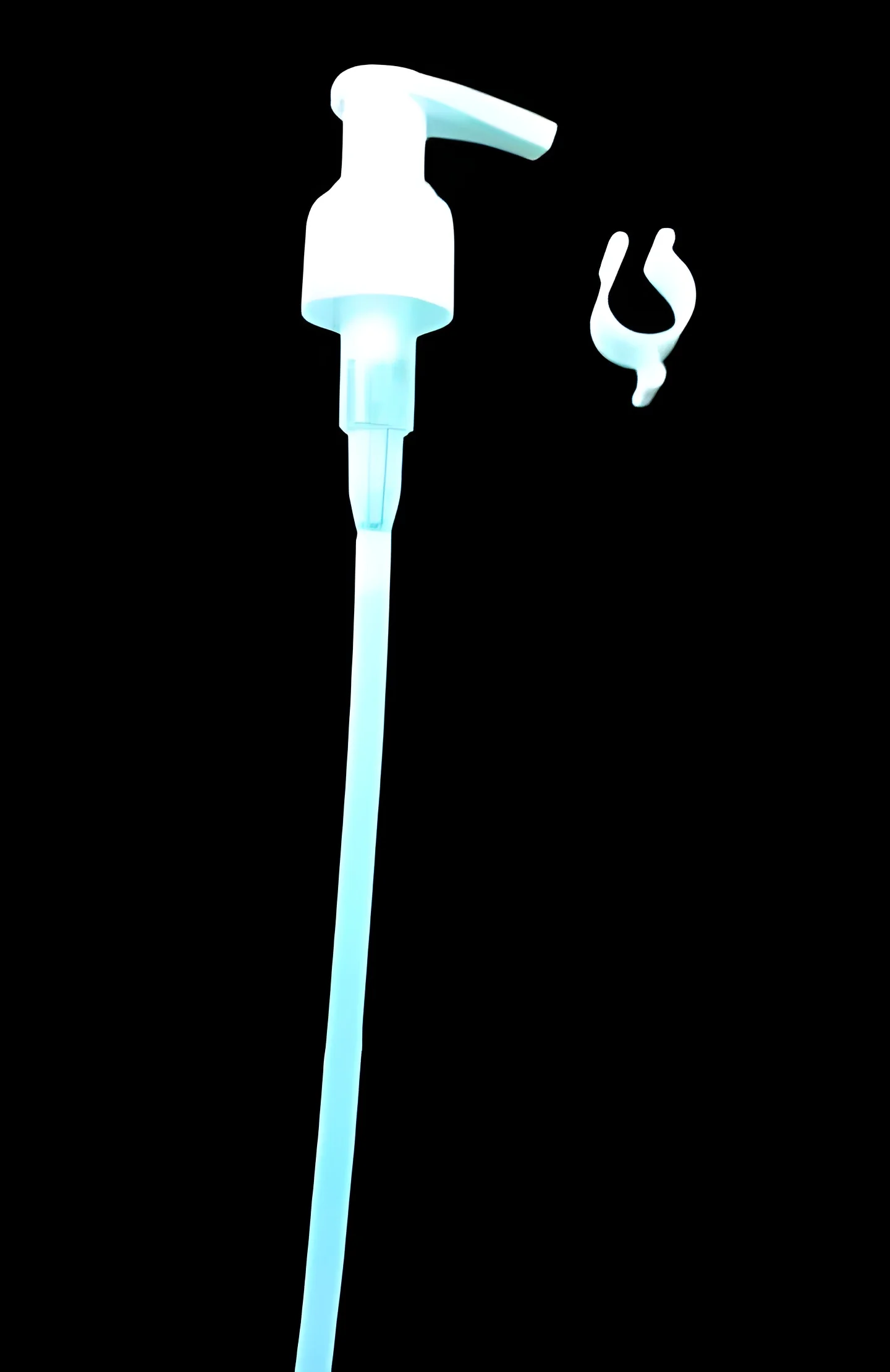
This variant features a built-in pump mechanism that allows for easy dispensing of liquids. It is ideal for use in kitchens and laboratories where precise amounts are necessary.
Squeeze Bottles
These bottles are made for easy handling and dispensing, often used in food service for condiments. Their design allows for quick refills and controlled pouring.
Trigger Spray Bottles
These are commonly used for cleaning products and offer the convenience of spray application. They are designed for frequent use in both commercial and residential settings.
Benefits and Advantages
Refillable dispensers and bottles offer numerous advantages that can enhance business operations.
1. Cost Savings: Reusable containers significantly reduce the costs associated with single-use packaging, leading to long-term savings.
2. Environmental Impact: Using refillable options helps decrease plastic waste, contributing to a more sustainable business model.
3. Convenience: These dispensers allow for easy refilling and dispensing, improving operational efficiency in workplaces.
4. Customization: Many options are available for branding, allowing businesses to promote their identity while maintaining functionality.
5. Safety: Designed with secure closures and materials that prevent leakage, these products enhance safety during handling and transport.
6. Compliance: Many refillable options meet industry standards, ensuring that businesses adhere to regulatory requirements.
Buying Guide for B2B Buyers
When sourcing refillable dispensers and bottles, it is crucial to consider several key factors to ensure that the right product is chosen.
1. Quality Assessment: Evaluate the materials used and the manufacturing processes to ensure durability and safety. Look for products that comply with relevant standards.
2. Supplier Verification: Vet suppliers to ensure they have a reputable track record and can provide reliable products. Check for certifications and customer reviews.
3. Pricing and MOQ: Understand the pricing structure and minimum order quantities. Compare options to find a balance between cost and quality.
4. Delivery and Lead Times: Consider logistics and shipping times. Ensure that the supplier can meet your timelines for product delivery.
5. Compliance Requirements: Verify that products meet necessary industry regulations, such as food safety standards or chemical handling requirements.
Compliance and Certifications
Refillable dispensers and bottles must adhere to several quality standards and certifications to ensure safety and reliability.
ISO 9001 certification is essential, as it indicates a commitment to quality management systems. Companies that hold this certification demonstrate their ability to consistently provide products that meet customer and regulatory requirements.
HACCP (Hazard Analysis Critical Control Point) principles are particularly relevant for food and beverage applications. This ensures that packaging complies with safety standards to avoid contamination.
CE marking is also a critical certification for products sold in the European Economic Area, indicating conformity with health, safety, and environmental protection standards.
It is important for businesses to consider regional compliance regulations as they may vary based on the geographic location. Understanding these requirements can help companies avoid regulatory issues and ensure product acceptance in their target markets.
Why Source Refillable Dispensers & Bottles from Pepagora?
Pepagora provides an efficient and trusted platform for sourcing refillable dispensers and bottles, offering several advantages for B2B buyers.
Verified Supplier Network: Pepagora maintains a network of vetted suppliers who meet stringent quality standards. This ensures that businesses can find reliable products that fit their needs.
Streamlined RFQ Process: The request for quotation (RFQ) system simplifies the procurement process, allowing buyers to receive competitive quotes quickly and efficiently.
Trade Assurance and Support: Pepagora offers trade assurance, providing buyers with protection and support throughout the purchasing process. This helps build trust and confidence in supplier relationships.
Regional Coverage: With a broad geographic reach, including India, the GCC, and Southeast Asia, Pepagora connects buyers to suppliers across diverse markets, facilitating access to a wide range of products and services.

Frequently Asked Questions
What are Refillable Dispensers & Bottles?
Refillable dispensers and bottles are containers designed for the storage and dispensing of liquids that can be reused multiple times. They are typically made from durable materials such as glass or high-quality plastic, allowing for various liquids like soaps, lotions, or beverages to be stored and dispensed efficiently.
What are the different types of Refillable Dispensers & Bottles?
There are several types of refillable dispensers and bottles, including pump bottles, spray bottles, and squeeze bottles. Each type serves different purposes, such as dispensing lotions, sprays, or liquid soaps, and can vary in size and design to meet specific needs.
How do I choose the right Refillable Dispensers & Bottles?
When choosing refillable dispensers and bottles, consider factors such as the type of liquid you plan to store, the dispensing mechanism required, and the material of the container. Additionally, assess the size and capacity that best fits your usage needs and ensure it complies with any relevant safety standards.
What are the standard specifications for Refillable Dispensers & Bottles?
Standard specifications for refillable dispensers and bottles often include material composition, capacity in liters or milliliters, and the type of dispensing mechanism. It is also important to consider compatibility with the liquid intended for use and any applicable regulations for safety and hygiene.
What is the price range for Refillable Dispensers & Bottles?
The price range for refillable dispensers and bottles can vary widely based on factors such as size, material, and design features. Typically, prices can start from as low as INR 50 and can go up to several thousand rupees for specialized or bulk orders.
What quality standards apply to Refillable Dispensers & Bottles?
Quality standards for refillable dispensers and bottles generally include compliance with safety regulations for food-grade materials, non-toxic certifications, and durability tests. It is essential to ensure that the products meet industry-specific standards to guarantee safety and performance.
Where can I find Refillable Dispensers & Bottles suppliers in India?
You can find refillable dispensers and bottles suppliers in India through various B2B marketplaces like Pepagora.com, trade shows, and industry directories. Additionally, searching online for manufacturers and wholesalers in specific regions can yield numerous options.
Can Refillable Dispensers & Bottles be customized?
Yes, many manufacturers offer customization options for refillable dispensers and bottles. Customization can include changes in size, color, branding, and specific dispensing mechanisms based on customer requirements.
What is the typical minimum order quantity for Refillable Dispensers & Bottles?
The typical minimum order quantity (MOQ) for refillable dispensers and bottles varies by supplier but usually ranges from 100 to 500 units per order. It's advisable to check with individual suppliers for their specific MOQ requirements.
What is the typical lead time for Refillable Dispensers & Bottles?
The typical lead time for refillable dispensers and bottles can range from 2 to 8 weeks, depending on factors such as the supplier's production capacity, order complexity, and customization options. It's recommended to confirm the lead time with the supplier before placing an order.
Why Businesses Trust Pepagora
Thousands of companies trust Pepagora to source smarter and sell faster
Expand Your Sales Globally

Source Smarter,Grow Faster
