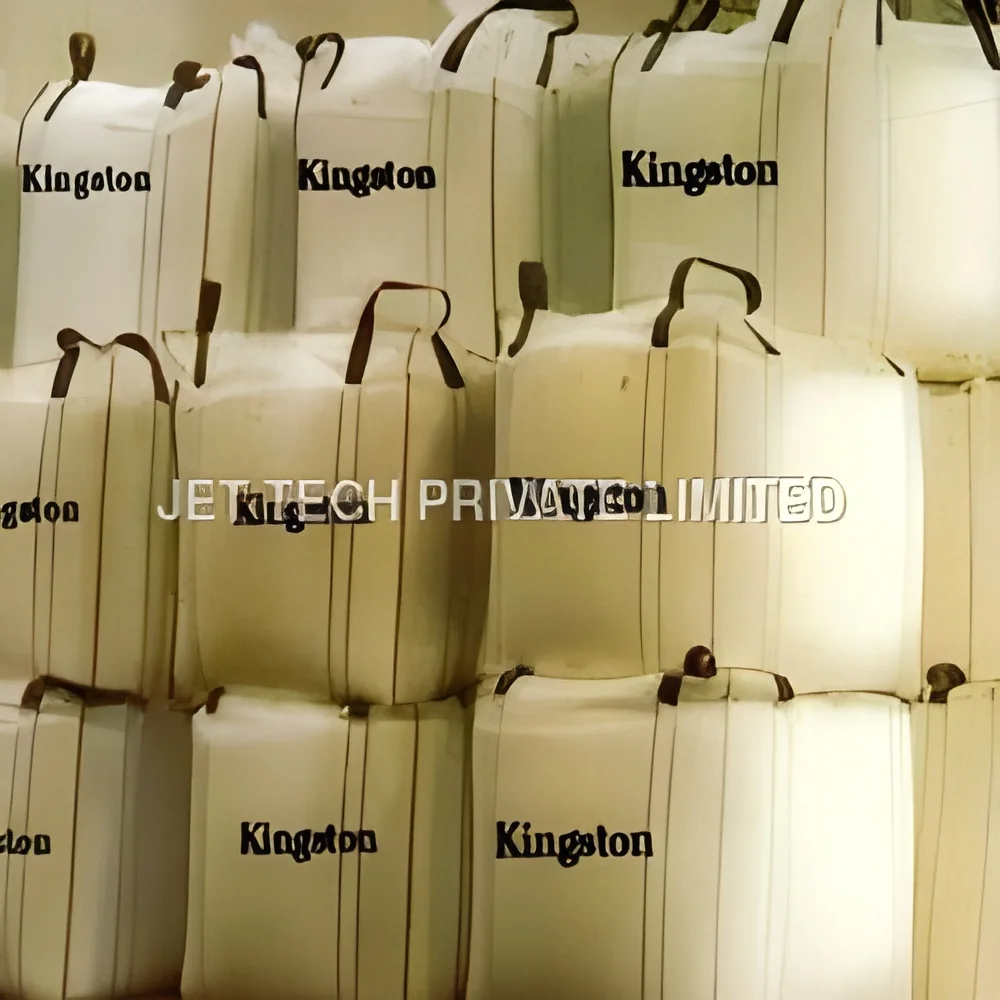
What are Returnable Packaging Systems for B2B?
Returnable Packaging Systems for B2B are specialized packaging solutions designed to be reused multiple times during the transportation and storage of goods. Unlike single-use packaging, these systems are made from durable materials that can withstand various environmental conditions and are engineered to optimize supply chain efficiency. They are widely used in industries such as manufacturing, logistics, and retail, where there is a need for sustainable and cost-effective packaging solutions.
The primary uses of returnable packaging systems include transporting finished products, components, and raw materials. Businesses utilize these systems to minimize waste, reduce packaging costs, and enhance product protection during transit. Returnable packaging is particularly advantageous in scenarios where products are shipped back and forth between suppliers and manufacturers, allowing for efficient inventory management and reducing environmental impact. The growing emphasis on sustainability and circular economy practices further highlights the relevance of these systems in today’s market.
As industries increasingly seek to adopt greener practices, the demand for returnable packaging systems is on the rise. Companies are recognizing the need for innovative solutions that align with their sustainability goals while also providing economic benefits. The market for returnable packaging is expected to expand as more organizations invest in systems that promote reuse and reduce reliance on single-use materials.
Key Features and Specifications
Returnable Packaging Systems come with various features that cater to the specific needs of B2B operations. These features ensure durability, efficiency, and usability across different applications. The systems are designed to meet industry standards and provide reliable performance.
Key specifications include:
1. Material Composition
- Typically made from high-density polyethylene (HDPE) or polypropylene (PP)
- Ensures durability and resistance to wear and tear
2. Load Capacity
- Designed to hold varying weights depending on the application
- Common ranges include capacities from 50 kg to 500 kg
3. Stackability
- Features that allow for efficient stacking during storage and transport
- Reduces space usage and enhances logistic efficiency
4. Customization Options
- Ability to modify size, shape, and branding for specific customer needs
- Provides businesses with tailored solutions
5. Temperature Resistance
- Designed to withstand various temperature ranges suitable for different industries
- Specific ranges not available
6. Safety Features
- Incorporation of safety measures to protect both products and workers
- Includes features like secure locking mechanisms
7. Environmental Impact
- Made from recyclable materials to reduce ecological footprint
- Supports sustainable business practices
8. Compliance Standards
- Aligns with industry-specific regulations and standards
- Ensures quality and safety in transportation
In summary, Returnable Packaging Systems are characterized by their robust materials, customizable features, and focus on sustainability. These systems are designed to meet the dynamic needs of businesses while ensuring product safety and reducing environmental impact.
Common Applications and Use Cases
Returnable Packaging Systems are versatile solutions that find applications across various industries. Their reusable nature makes them suitable for different sectors that prioritize efficiency and sustainability.
1. Automotive Industry: These systems are commonly used for transporting parts and components between manufacturers and assembly plants. They help reduce packaging waste while ensuring parts arrive safely.
2. Food and Beverage Industry: Returnable packaging is utilized for transporting bulk food items. This approach not only minimizes waste but also ensures that products remain in optimal condition during transit.
3. Electronics Sector: Manufacturers use returnable packaging to ship delicate electronic components. The durability of the packaging protects against damage, thus reducing replacement costs.
4. Retail and E-commerce: Returnable packaging solutions are increasingly adopted for shipping products to customers. This practice supports sustainability initiatives while also enhancing customer experience.
5. Pharmaceuticals: In this sector, returnable packaging is vital for transporting sensitive medical products. The systems help maintain product integrity and comply with strict regulatory requirements.
6. Industrial Manufacturing: Many manufacturers rely on returnable packaging for shipping heavy machinery parts. The robust design ensures safe transport, reducing the risk of damage.
7. Construction: Returnable packaging is used for moving materials and tools to job sites. This approach aids in inventory management and reduces the need for single-use packaging.
Product Variants and Subcategories
Returnable Packaging Systems come in various designs and configurations to cater to different business needs. This diversity allows companies to select the most suitable solution for their specific applications.
Collapsible Containers: These containers are designed for easy storage when not in use. Their collapsible design saves space and reduces transportation costs, making them ideal for businesses with fluctuating inventory levels.
Reusable Pallets: Engineered to support heavy loads, reusable pallets are commonly used in supply chains for transporting goods. They provide a sturdy foundation while minimizing the risk of damage during transit.
Dunnage and Inserts: Customized dunnage solutions are used within returnable containers to secure products during transport. These inserts ensure that items do not shift, enhancing protection and stability.
Benefits and Advantages
Returnable Packaging Systems offer numerous advantages that enhance operational efficiency for B2B companies. These benefits contribute to both cost savings and environmental sustainability.
Key benefits include:
1. Cost Efficiency: By reusing packaging, businesses can significantly reduce their overall packaging costs. This leads to savings on materials and disposal fees.
2. Sustainability: Returnable packaging systems are eco-friendly as they minimize waste and reduce reliance on single-use materials. This aligns with corporate social responsibility goals.
3. Enhanced Protection: The durable design of returnable packaging ensures that products are well-protected during transport, reducing the likelihood of damage and loss.
4. Improved Logistics: These systems facilitate better organization and storage of products, streamlining logistics and inventory management processes.
5. Branding Opportunities: Customizable packaging allows businesses to showcase their brand identity, enhancing recognition and marketing efforts.
6. Regulatory Compliance: Many returnable packaging options meet industry standards, ensuring that businesses adhere to safety and quality regulations.
Buying Guide for B2B Buyers
When sourcing Returnable Packaging Systems for B2B, several factors should be considered to ensure the right choice for your business needs.
1. Quality Assessment: Evaluate the quality of materials and construction. Look for systems that meet relevant industry standards to ensure durability and safety.
2. Supplier Verification: Vet potential suppliers carefully. Check for reviews, certifications, and their history of reliability to ensure a trustworthy partnership.
3. Pricing and MOQ: Analyze pricing structures and minimum order quantities. Compare different suppliers to find the best value without compromising on quality.
4. Delivery and Lead Times: Consider the logistics of delivery schedules. Ensure that suppliers can meet your timeline requirements to avoid disruptions in your supply chain.
5. Compliance Requirements: Understand the regulatory needs specific to your industry. Ensure that the packaging solutions comply with applicable safety and quality certifications.
Compliance and Certifications
Returnable Packaging Systems must adhere to various quality standards and certifications to ensure their safety and reliability.
Relevant quality standards include ISO 9001, which focuses on maintaining quality management systems. This certification assures that the packaging meets customer and regulatory requirements consistently.
Industry certifications such as CE indicate compliance with European safety standards, ensuring that the products are safe for use.
Safety and testing requirements are crucial for ensuring that packaging systems can withstand the rigors of transport. Manufacturers often conduct rigorous testing to confirm that their products meet these demands.
Additionally, regional compliance considerations may vary. Businesses should be aware of local regulations regarding packaging and transportation to ensure full compliance.
Why Source Returnable Packaging Systems for B2B from Pepagora?
Pepagora provides an efficient platform for sourcing Returnable Packaging Systems for B2B. The platform offers several key advantages that simplify the sourcing process.
Verified Supplier Network: Pepagora features a network of verified suppliers, ensuring that buyers have access to reputable manufacturers. This reduces the risk associated with sourcing products.
Streamlined RFQ Process: The request for quotation system simplifies the process of obtaining pricing and product details. Buyers can easily communicate their requirements to multiple suppliers.
Trade Assurance and Support: Pepagora offers buyer protection options, providing added security for transactions. This assurance fosters trust in the purchasing process.
Regional Coverage: With a strong presence in India, GCC, and Southeast Asia, Pepagora caters to diverse market needs. This geographic reach allows for efficient sourcing across different regions.

 IN
IN