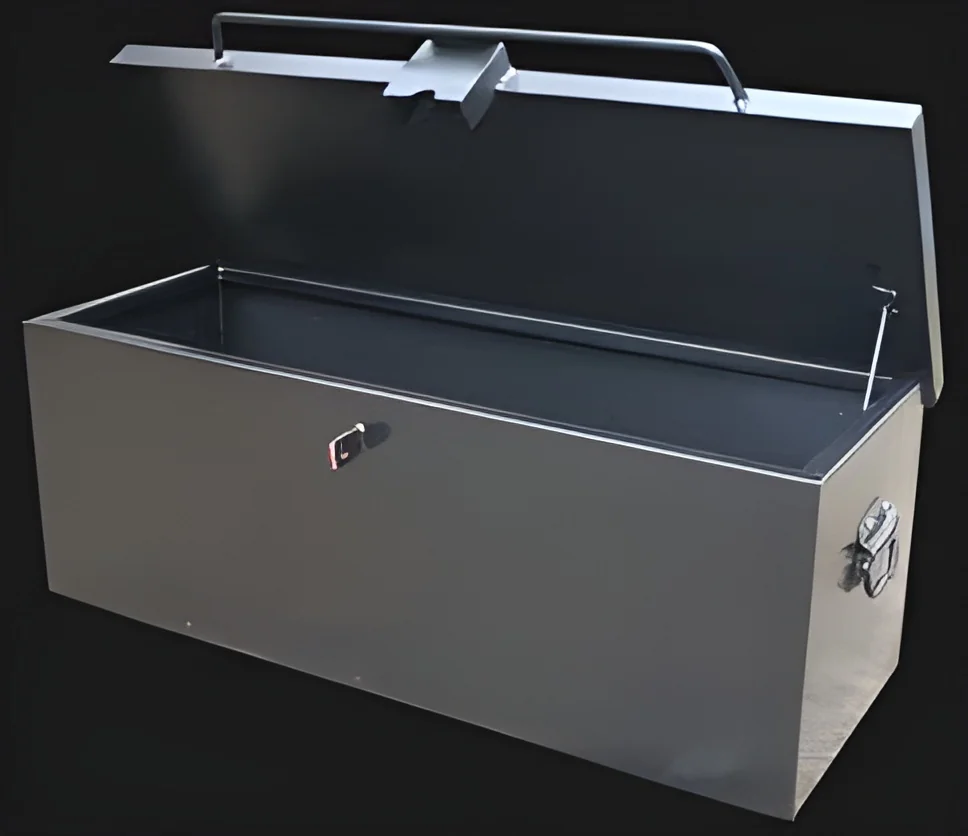
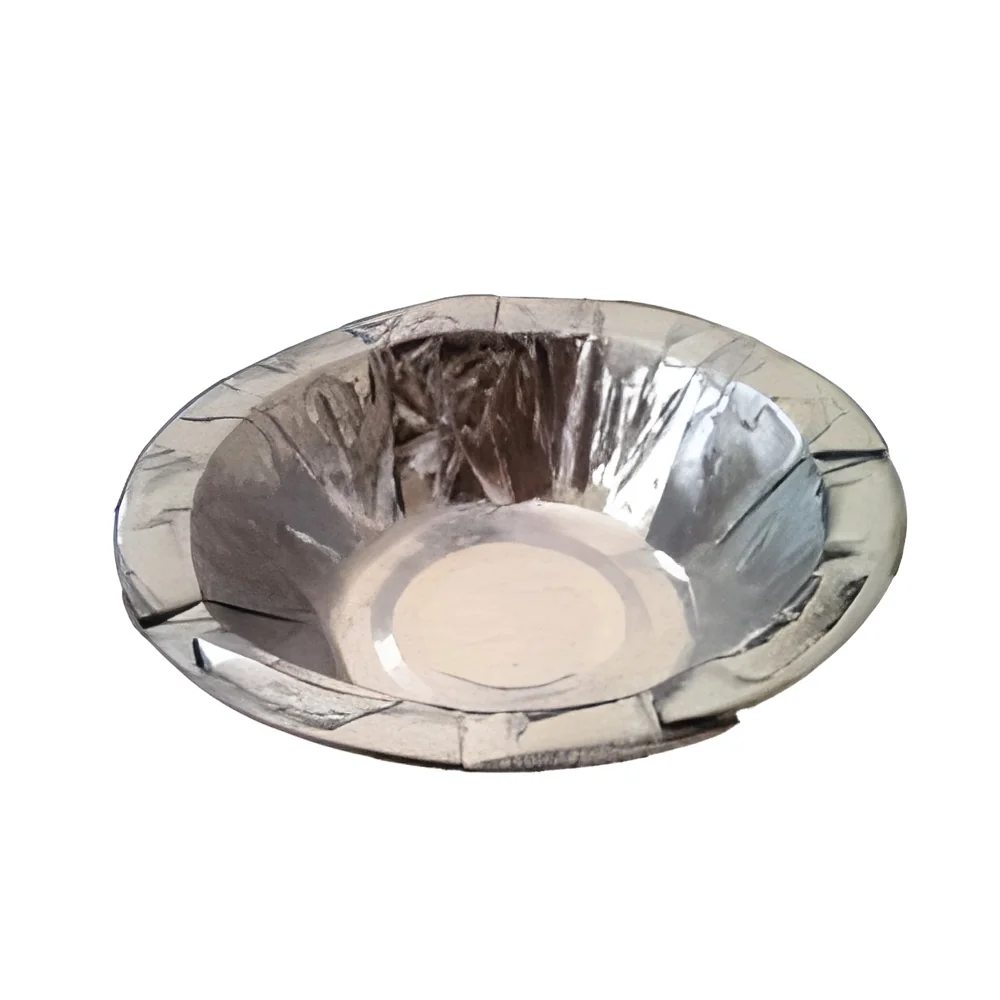
What are Reusable Food Containers?
Reusable food containers are durable storage solutions designed to hold a variety of food items for both commercial and personal use. Unlike single-use containers, these products are made from materials that can withstand multiple uses, reducing waste and promoting sustainability. They come in various shapes, sizes, and materials, catering to different storage needs and preferences.
In the business context, reusable food containers play a critical role in food service operations, catering businesses, meal prep companies, and even in home kitchens. They help maintain food freshness, prevent contamination, and facilitate organized storage. As businesses increasingly focus on environmentally friendly practices, the demand for these containers has surged, making them a staple in the food industry.
The market for reusable food containers is expanding rapidly, driven by growing consumer awareness of sustainability and waste reduction. Companies are looking for reliable and efficient storage solutions that also align with their eco-conscious values. This trend is reflected in the increasing variety of reusable containers available, catering to diverse industries and applications.
Key Features and Specifications
Reusable food containers are designed with several essential features that enhance their usability and functionality. These specifications can vary widely depending on the manufacturer and specific product line.
Key specifications include:
1. Material Composition
- Common materials include polypropylene, glass, and stainless steel.
- Each material offers different benefits in terms of durability, safety, and thermal resistance.
2. Size Options
- Available in various sizes ranging from small snack containers to large meal prep containers.
- Sizes are often specified in liters or quarts to meet different storage needs.
3. Lid Type
- Containers may feature snap-on lids, screw tops, or airtight seals.
- Lid types impact how well the containers preserve food freshness and prevent leaks.
4. Temperature Resistance
- Many containers are designed to withstand high and low temperatures, making them microwave and freezer safe.
- Specific temperature ranges may vary by product.
5. Dishwasher Safe
- Most reusable food containers are dishwasher safe for easy cleaning.
- This feature promotes hygiene and convenience in busy kitchens.
6. Stackability
- Many containers are designed to stack neatly for efficient storage.
- This feature helps maximize space in refrigerators and pantries.
7. BPA-Free Certification
- Many products are labeled as BPA-free, ensuring safety for food storage.
- This is particularly important for containers used for hot or acidic foods.
8. Customization Options
- Some manufacturers offer customization options for branding and specific uses.
- This can include color choices, sizes, or specific designs.
In summary, selecting reusable food containers involves considering various specifications to ensure they meet the needs of the business and maintain food safety.
Common Applications and Use Cases
Reusable food containers are versatile and applicable across numerous industries.
1. Food Service Industry: Restaurants and catering companies use these containers for meal prep, food storage, and takeout services. They help maintain food quality and reduce waste.
2. Meal Prep Businesses: Companies specializing in meal delivery rely on reusable containers for portion control and to ensure the freshness of meals during transport.
3. Grocery Stores: Many grocery stores offer bulk items packaged in reusable containers, promoting sustainable practices and reducing single-use plastic.
4. Healthcare: Hospitals and care facilities use these containers for food service, ensuring that meals are safely stored and easily accessible.
5. Educational Institutions: Schools utilize reusable food containers for lunch programs, encouraging students to reduce waste and promote healthy eating.
6. Home Kitchens: Consumers increasingly use reusable containers for meal planning and leftovers, contributing to reduced food waste at home.
7. Food Manufacturing: Manufacturers use these containers for ingredient storage, ensuring freshness and compliance with safety regulations.
Product Variants and Subcategories
Reusable food containers come in a wide range of variants to suit different needs and preferences.
Plastic Containers
These containers are lightweight and durable, making them ideal for everyday use. They come in various sizes and are often microwave and dishwasher safe.
Glass Containers
Glass containers offer a more premium option, providing excellent durability and non-reactivity with food. They are ideal for reheating food and are often preferred for meal prep.
Stainless Steel Containers
These containers are highly durable and resistant to staining and odors. They are great for both hot and cold items and are often used in outdoor settings or for packed lunches.
Collapsible Containers
These space-saving containers can be collapsed when not in use, making them ideal for travel and storage. They are typically made from silicone and are microwave safe.
Eco-Friendly Containers
Some manufacturers produce containers from biodegradable or recycled materials, catering to environmentally conscious businesses and consumers.
Benefits and Advantages
Reusable food containers offer numerous advantages for businesses and consumers alike.
1. Cost-Effective: Investing in reusable containers reduces the need for frequent repurchases of single-use containers, leading to cost savings over time.
2. Environmental Impact: Using reusable containers significantly lowers plastic waste, contributing to a more sustainable future.
3. Food Preservation: These containers often feature airtight seals that help maintain food freshness and prevent spoilage.
4. Versatility: They cater to various storage needs, from meal prep to transporting food, making them suitable for multiple applications.
5. Safety Assurance: Many reusable containers are made from food-grade materials that are safe for storage, ensuring compliance with health regulations.
6. Durability: High-quality reusable containers are designed to withstand daily use, making them a reliable option for food storage.
Buying Guide for B2B Buyers
When sourcing reusable food containers for business needs, several factors should be taken into account.
1. Quality Assessment: Ensure that the containers meet quality standards and are made from durable materials that ensure longevity and safety. Look for certifications that confirm their safety for food storage.
2. Supplier Verification: Vet potential suppliers to ensure they have a good reputation and reliability. Assess their ability to deliver on time and their customer service capabilities.
3. Pricing and MOQ: Understand the pricing structure and minimum order quantities (MOQ) required by suppliers. This will help in budgeting and supply planning.
4. Delivery and Lead Times: Consider logistics and ensure that suppliers can meet your delivery timelines. Timely delivery is crucial for businesses that rely on consistent stock levels.
5. Compliance Requirements: Familiarize yourself with any regulatory needs specific to your industry. Ensure that the containers comply with relevant food safety standards and regulations.
Compliance and Certifications
When selecting reusable food containers, it is essential to consider compliance and certifications that ensure product safety and quality.
Relevant quality standards, such as ISO 9001 and HACCP, help guarantee that manufacturers adhere to consistent quality management and food safety processes. These certifications assure buyers that the products meet safety and hygiene requirements.
Industry certifications like CE indicate that the products comply with European health, safety, and environmental protection standards. This is particularly important for businesses exporting goods to European markets.
Safety and testing requirements also play a crucial role in ensuring that reusable food containers can withstand various conditions without compromising food safety. Buyers should look for products that have undergone rigorous testing for durability and safety.
Regional compliance considerations may vary based on location. It is important for businesses to recognize local regulations regarding food contact materials to ensure compliance and avoid legal issues.
Why Source Reusable Food Containers from Pepagora?
Pepagora provides a trusted platform for sourcing reusable food containers, offering several key advantages for businesses.
Verified Supplier Network: Pepagora connects buyers with a network of verified suppliers who have been vetted for quality and reliability. This assurance helps businesses make informed purchasing decisions.
Streamlined RFQ Process: The platform offers a straightforward request for quotation (RFQ) process, allowing buyers to easily request pricing and information from multiple suppliers, saving time and effort.
Trade Assurance and Support: Businesses benefit from trade assurance measures designed to protect their purchases. Pepagora provides support throughout the buying process, ensuring a smooth transaction.
Regional Coverage: Pepagora has a strong presence in key markets, including India, the GCC region, and Southeast Asia. This geographic reach enables businesses to access a diverse range of suppliers and products tailored to their specific needs.

 IN
IN