
 IN
Besan (Gram Flour)
3 products available
Key Features and Specifications
Besan has several key features that make it an attractive ingredient for various industries. Its nutritional composition, functional properties, and ease of use contribute to its popularity.
Key specifications include:
1. Nutritional Content
- High in protein, fiber, and essential vitamins.
- Typically contains around 22 grams of protein per 100 grams.
2. Gluten-Free
- Naturally free from gluten, making it suitable for gluten-sensitive diets.
3. Processing Method
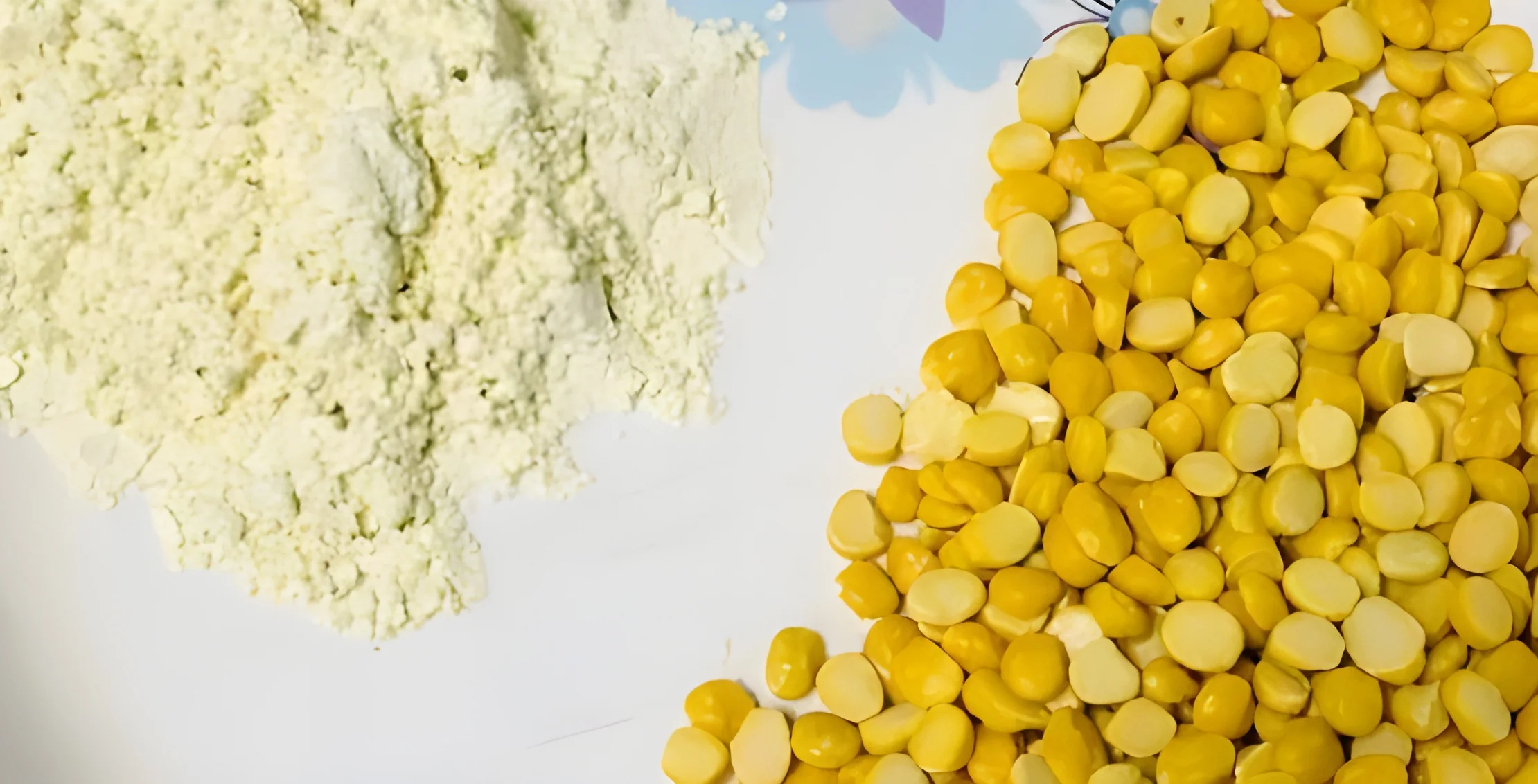
- Made from high-quality, selected chickpeas, ground to a fine powder.
4. Color and Texture
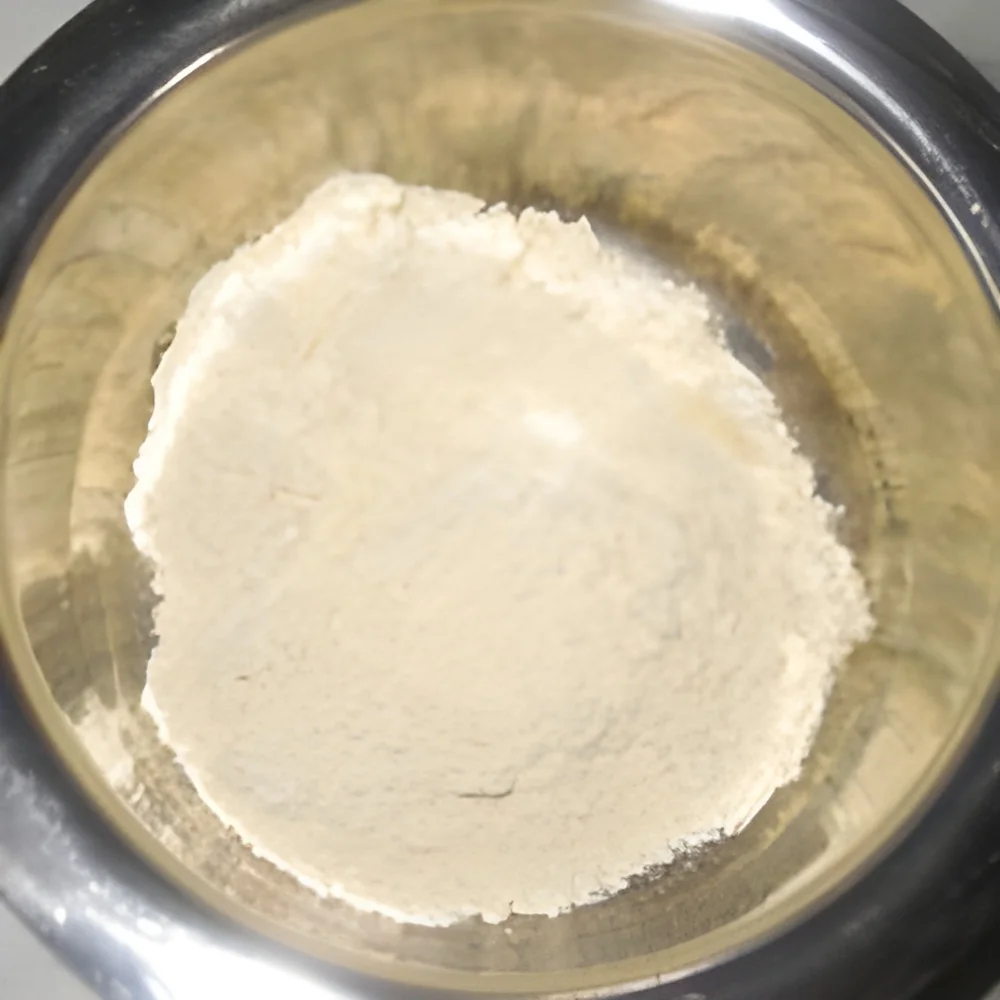
- Pale yellow color with a smooth texture, ideal for culinary applications.
5. Shelf Life
- Generally has a shelf life of 6-12 months when stored properly.
6. Packaging Options
- Available in bulk or retail packaging, catering to different market needs.
7. Compliance Standards
- Meets food safety and quality standards, ensuring product integrity.
8. Customization
- Available in different grind sizes to meet specific customer requirements.
Besan's unique features make it a versatile ingredient suitable for a wide range of applications.
Common Applications and Use Cases
Besan serves various industries with its diverse applications.
1. Food Industry: Used in snacks like bhaji and pakoras, besan is a staple in many Indian cuisines and is also utilized in gluten-free baking.
2. Bakery Sector: Acts as a binding agent and thickener in various baked goods, enhancing texture and nutritional value.
3. Health and Wellness: Increasingly used in health food products due to its high protein content and low glycemic index.
4. Cosmetics: Utilized in skin care products as a natural exfoliant and for its oil-absorbing properties.
5. Pharmaceuticals: Employed as a binding agent in the production of tablets and capsules.
6. Animal Feed: Used as a protein supplement in animal feed formulations.
7. Traditional Cuisine: Integral to many cultural dishes, providing authenticity and flavor.
Product Variants and Subcategories
While there are no specific subcategories of besan available, it can be differentiated based on grind size and processing methods.
Coarse Besan
Coarse besan is ground to a larger particle size, making it preferred for certain types of fritters and batters. Its texture helps to create crispy coatings.
Fine Besan
Fine besan has a smooth texture and is ideal for making batters, sauces, and baked goods. Its versatility makes it a common choice in various recipes.
Benefits and Advantages
Besan offers numerous benefits that make it a valuable ingredient for businesses.
1. Nutritional Value: Rich in protein and fiber, it supports health-conscious formulations.
2. Gluten-Free: Serves as an excellent substitute for wheat flour in gluten-free products.
3. Versatility: Can be used in a wide range of recipes, enhancing product diversity.
4. Cost-Effective: Generally more affordable compared to other specialty flours.
5. Easy to Use: Requires minimal preparation, making it convenient for food manufacturers.
6. Cultural Relevance: Appeals to traditional culinary practices, expanding market reach.
Buying Guide for B2B Buyers
When sourcing besan, there are several important factors to consider to ensure quality and reliability.
1. Quality Assessment: Evaluate the nutritional content and texture of the besan. Request samples to ensure it meets your specific requirements.
2. Supplier Verification: Conduct thorough checks on suppliers to confirm their reliability and quality standards. Look for certifications that demonstrate compliance.
3. Pricing and MOQ: Understand the pricing structure and minimum order quantities. Compare quotes from multiple suppliers to ensure competitive rates.
4. Delivery and Lead Times: Discuss logistics and expected lead times with suppliers to ensure timely delivery for your production needs.
5. Compliance Requirements: Confirm that the besan meets local and international food safety regulations. Ensure suppliers adhere to necessary quality standards.
Compliance and Certifications
Compliance and certifications are critical aspects of sourcing besan. Adhering to quality standards ensures product safety and reliability.
The relevant quality standards for besan may include ISO 9001, which ensures effective quality management systems. HACCP (Hazard Analysis Critical Control Point) is essential for food safety, while GDP (Good Distribution Practices) ensures that products are stored and transported under safe conditions.
Industry certifications, such as CE marking, indicate that the product meets European safety, health, and environmental protection standards.
It is also important to consider regional compliance requirements that may affect the import and sale of besan in different markets. Understanding these regulations helps businesses mitigate risks and ensures consumer safety.
Why Source Besan (Gram Flour) from Pepagora?
Pepagora provides a trusted platform for sourcing besan with several key advantages for B2B buyers.
Verified Supplier Network: Pepagora connects buyers with a network of verified suppliers, ensuring quality and reliability in sourcing. Each supplier undergoes a rigorous verification process to ensure they meet industry standards.
Streamlined RFQ Process: The request for quotation system simplifies the procurement process, allowing buyers to receive and compare quotes efficiently. This helps in making informed purchasing decisions.
Trade Assurance and Support: Buyers benefit from trade assurance programs that protect their orders and investments. Pepagora offers support throughout the sourcing process, ensuring peace of mind.
Regional Coverage: With a strong presence in India, the GCC, and Southeast Asia, Pepagora facilitates access to suppliers across diverse geographical markets. This ensures buyers can find the best products tailored to their needs.

 India
Frequently Asked Questions
What are Besan (Gram Flour)?
Besan, commonly known as gram flour, is a flour made from ground chickpeas. It is a staple ingredient in Indian cuisine, used for various dishes such as pakoras, dhoklas, and as a thickening agent in sauces.
What are the different types of Besan (Gram Flour)?
There are primarily two types of besan: regular besan made from yellow chickpeas and a finer variety made from white chickpeas. Each type has its unique flavor and texture, catering to different culinary applications.
How do I choose the right Besan (Gram Flour)?
When selecting besan, consider the type of dish you are preparing. For recipes that require a lighter texture, opt for finer besan, while regular besan is suitable for denser preparations. Additionally, check the packaging for freshness and quality indicators.
What are the standard specifications for Besan (Gram Flour)?
Standard specifications for besan typically include a moisture content of less than 10%, a protein content of around 20%, and a particle size that can range from fine to coarse. These specifications can vary based on the manufacturer and intended use.
What is the price range for Besan (Gram Flour)?
The price of besan can vary widely depending on the quality, brand, and packaging. Generally, it ranges from INR 40 to INR 100 per kilogram in the Indian market.
What quality standards apply to Besan (Gram Flour)?
Quality standards for besan include adherence to food safety regulations, such as those set by the Food Safety and Standards Authority of India (FSSAI). Additionally, it should be free from contaminants and have a consistent color and aroma.
Where can I find Besan (Gram Flour) suppliers in India?
You can find besan suppliers in India through various online B2B marketplaces like Pepagora, local grocery suppliers, and food ingredient distributors. It's advisable to compare multiple suppliers for quality and pricing.
Can Besan (Gram Flour) be customized?
Yes, besan can be customized in terms of grinding fineness and packaging according to specific requirements of buyers. Some suppliers may also offer blends with other flours for specialized applications.
What is the typical minimum order quantity for Besan (Gram Flour)?
The typical minimum order quantity (MOQ) for besan varies by supplier but generally ranges from 25 kg to 100 kg. It's best to confirm with individual suppliers for their specific MOQ policies.
What is the typical lead time for Besan (Gram Flour)?
The typical lead time for besan can range from 5 to 15 days depending on the supplier's inventory and the order size. It's advisable to communicate with suppliers for accurate delivery timelines based on your order.
Why Businesses Trust Pepagora
Thousands of companies trust Pepagora to source smarter and sell faster
Expand Your Sales Globally

Source Smarter,Grow Faster
