
 IN
Automated Climate Controllers
3 products available
What are Automated Climate Controllers?
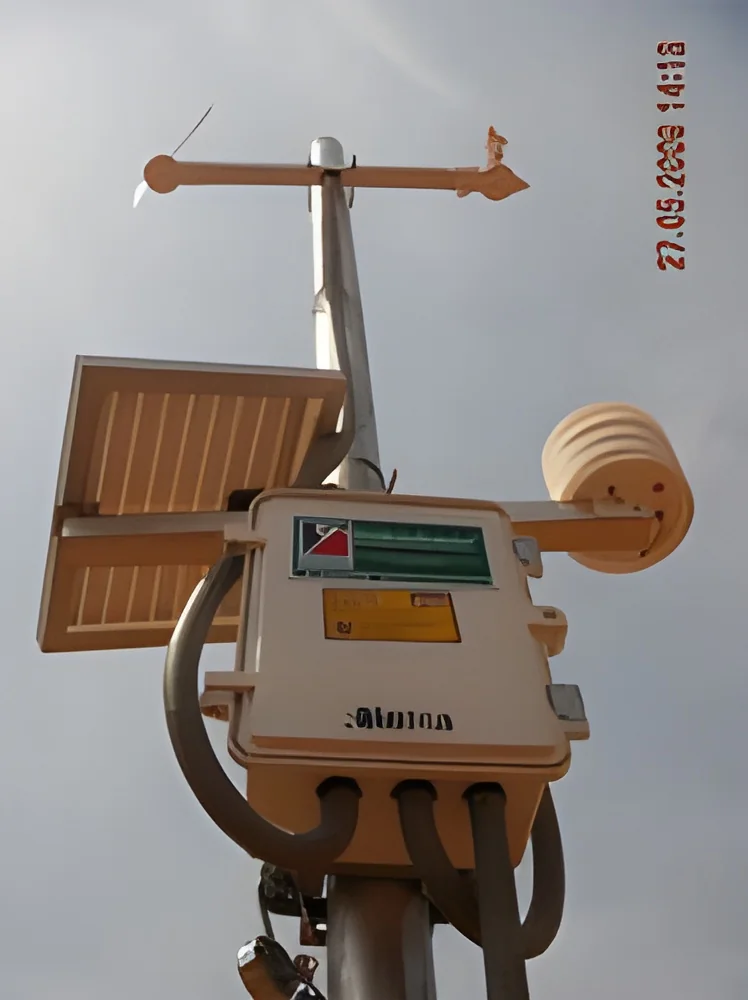
Automated Climate Controllers are advanced systems designed to regulate and maintain optimal environmental conditions, particularly temperature and humidity levels, within various industrial settings. These controllers utilize sensors and automated technology to monitor real-time data, adjusting heating, cooling, and ventilation systems accordingly. By automating the climate control process, businesses can achieve greater efficiency, reduce energy consumption, and ensure the safety of sensitive materials.
These systems are primarily used in industries such as food storage, pharmaceuticals, and agriculture, where precise climate control is crucial. In warehouses, for example, Automated Climate Controllers help preserve the quality of perishable goods. In pharmaceutical production, maintaining specific temperature and humidity levels is essential to comply with regulatory standards and ensure product efficacy. The growing demand for energy-efficient solutions in climate management has increased the relevance of these controllers in the market.
As industries face stricter regulations and the need for sustainable practices, Automated Climate Controllers play a critical role in helping businesses meet these challenges. The market for these controllers is expanding rapidly as companies seek innovative solutions to enhance their operational efficiency and reduce their carbon footprint.
Key Features and Specifications
Automated Climate Controllers come equipped with a range of features and specifications that enhance their functionality and usability. These systems are designed to provide precise control and monitoring, ensuring that environmental conditions remain within desired parameters.
Key specifications include:
1. Temperature Control
- Maintains specific temperature ranges based on application needs
- Capable of adjusting automatically based on real-time data
2. Humidity Control
- Regulates humidity levels to prevent spoilage and ensure product integrity
- Works in conjunction with temperature control for optimal performance
3. Sensor Technology
- Utilizes state-of-the-art sensors for accurate monitoring
- Provides real-time data feedback for immediate adjustments
4. User Interface
- Features intuitive interfaces for easy operation and monitoring
- May include touchscreen capabilities for enhanced user experience
5. Energy Efficiency
- Designed to minimize energy consumption while maintaining performance
- Often includes programmable settings to optimize usage
6. Remote Monitoring
- Allows for control and monitoring from remote locations
- Enables alerts and notifications for any deviations in climate
7. Integration Capabilities
- Can be integrated with existing HVAC systems for seamless operation
- Compatible with building management systems for centralized control
8. Compliance Features
- Designed to meet industry standards and regulations
- Includes reporting capabilities for audits and inspections
These features collectively enhance the functionality of Automated Climate Controllers, making them an essential investment for businesses that require reliable climate management.
Common Applications and Use Cases
Automated Climate Controllers serve a broad spectrum of industries, ensuring that environmental conditions are tailored to specific operational needs.
1. Food Storage: These controllers are crucial in maintaining the ideal temperature and humidity levels for perishable goods, preventing spoilage and waste.
2. Pharmaceuticals: In this industry, precise climate control is necessary to ensure the efficacy of medications and compliance with health regulations.
3. Agriculture: Automated Climate Controllers help manage greenhouse environments, optimizing conditions for plant growth and maximizing yield.
4. Data Centers: These systems regulate temperature and humidity to protect sensitive electronic equipment from overheating and damage.
5. Manufacturing: In various production processes, maintaining specific environmental conditions is essential for quality control and product consistency.
6. Warehousing: Automated Climate Controllers help manage climate conditions in large storage facilities, ensuring that products remain in optimal condition.
7. Laboratories: In research and testing environments, precise climate control is vital for accurate results and experiments.
Product Variants and Subcategories
Automated Climate Controllers are available in various configurations to meet the diverse needs of different industries. Each variant may offer unique features tailored to specific applications.
Variant 1: Advanced HVAC Controllers
These controllers integrate with heating, ventilation, and air conditioning systems to provide comprehensive climate management. They are suitable for large facilities requiring precise control over multiple zones.
Variant 2: Portable Climate Control Units
Designed for flexibility, these units can be moved as needed to manage climate conditions in different areas. They are ideal for temporary setups, such as events or seasonal storage.
Variant 3: Industrial Climate Monitors
These systems offer focused monitoring capabilities without full automation, ideal for businesses that require data logging and manual adjustments.
Benefits and Advantages
Investing in Automated Climate Controllers yields several key benefits that enhance operational efficiency and product safety.
1. Improved Efficiency: Automated systems reduce the need for manual interventions, ensuring consistent climate conditions with minimal effort.
2. Cost Savings: By optimizing energy usage, these controllers can significantly lower operational costs associated with heating and cooling.
3. Enhanced Product Quality: Maintaining optimal climate conditions helps preserve the integrity of sensitive products, reducing spoilage and waste.
4. Regulatory Compliance: Automated Climate Controllers assist businesses in adhering to industry regulations by providing necessary documentation and monitoring.
5. Real-Time Monitoring: With built-in sensors and remote access capabilities, businesses can easily track conditions and make adjustments as needed.
6. Increased Productivity: Automation allows staff to focus on other critical tasks, improving overall workplace productivity.
Buying Guide for B2B Buyers
When sourcing Automated Climate Controllers, it is important for B2B buyers to consider a range of factors to ensure they make an informed decision.
1. Quality Assessment: Evaluate the overall quality of the controllers by reviewing specifications and manufacturer reputation. Look for testimonials and case studies from other businesses.
2. Supplier Verification: Conduct thorough research on potential suppliers. Check their credentials, certifications, and customer reviews to ensure reliability and trustworthiness.
3. Pricing and MOQ: Understand the pricing structure and any minimum order quantities. Compare costs across different suppliers to find the best value without compromising on quality.
4. Delivery and Lead Times: Inquire about logistics, including delivery times and shipping options. Ensure that suppliers can meet your timeline requirements.
5. Compliance Requirements: Familiarize yourself with any industry-specific regulations that apply to climate controllers. Ensure that the products you source meet these compliance standards.
Compliance and Certifications
Automated Climate Controllers must adhere to relevant quality standards and certifications to ensure safety and reliability. Key standards include ISO 9001, which focuses on quality management systems, and HACCP, which is critical in the food industry for ensuring food safety.
Industry certifications such as CE indicate compliance with European safety standards, which can be important for international trade. Additionally, safety and testing requirements must be met to ensure that controllers operate effectively under various conditions.
Regional compliance considerations may vary depending on the target market, necessitating a thorough understanding of local regulations and standards.
Why Source Automated Climate Controllers from Pepagora?
Pepagora provides a trusted platform for sourcing Automated Climate Controllers, offering several key advantages to B2B buyers.
Verified Supplier Network: Pepagora features a robust network of verified suppliers, ensuring that buyers can confidently select from quality manufacturers with proven track records.
Streamlined RFQ Process: The platform simplifies the request for quotation (RFQ) process, allowing buyers to receive multiple quotes from different suppliers quickly, facilitating informed decision-making.
Trade Assurance and Support: Pepagora offers buyer protection through trade assurance, ensuring that transactions are secure and that buyers receive the products as expected.
Regional Coverage: With a strong presence in India, the GCC, and Southeast Asia, Pepagora provides comprehensive market access, connecting buyers with suppliers that meet their specific regional needs.
By leveraging the platform's resources, businesses can effectively source Automated Climate Controllers to enhance their operational efficiency and ensure compliance with industry standards.

 India
 India
 India
Frequently Asked Questions
What are Automated Climate Controllers?
Automated Climate Controllers are advanced devices designed to monitor and regulate environmental conditions such as temperature, humidity, and air quality. These systems use sensors and algorithms to maintain optimal climate settings, ensuring comfort and energy efficiency in various settings like homes, greenhouses, and industrial facilities.
What are the different types of Automated Climate Controllers?
There are several types of Automated Climate Controllers, including HVAC controllers, greenhouse climate management systems, and smart home climate regulators. Each type serves specific applications, from residential spaces to large-scale agricultural environments, allowing for tailored climate management solutions.
How do I choose the right Automated Climate Controllers?
Selecting the right Automated Climate Controller depends on your specific needs, including the size of the area to be controlled, the types of plants or equipment involved, and the desired level of automation. It's essential to consider compatibility with existing systems and the features offered, such as remote monitoring and control capabilities.
What are the standard specifications for Automated Climate Controllers?
Standard specifications for Automated Climate Controllers typically include sensor types (temperature, humidity), control mechanisms (digital or analog), and range of operation. Additional features might include connectivity options (Wi-Fi, Bluetooth), user interface types, and compatibility with other smart devices.
What is the price range for Automated Climate Controllers?
The price range for Automated Climate Controllers can vary widely based on features, brand, and complexity. Basic models may start from around INR 5,000, while advanced systems with extensive features can exceed INR 50,000.
What quality standards apply to Automated Climate Controllers?
Automated Climate Controllers must comply with various quality standards, such as ISO certifications for manufacturing processes and safety regulations. Additionally, they should meet specific performance benchmarks set by industry standards to ensure reliability and efficiency.
Where can I find Automated Climate Controllers suppliers in India?
You can find Automated Climate Controllers suppliers in India through various online B2B marketplaces, including Pepagora.com, where you can connect with manufacturers and distributors. Local trade shows and industry exhibitions are also good sources for finding reliable suppliers.
Can Automated Climate Controllers be customized?
Yes, many manufacturers offer customization options for Automated Climate Controllers to meet specific customer requirements. Customization can include altering sensor types, control interfaces, and integration with existing systems.
What is the typical minimum order quantity for Automated Climate Controllers?
The typical minimum order quantity (MOQ) for Automated Climate Controllers varies by supplier and product type. Generally, it can range from 1 to 50 units, depending on the manufacturer’s policies and the complexity of the controller.
What is the typical lead time for Automated Climate Controllers?
The typical lead time for Automated Climate Controllers can range from 2 to 6 weeks, depending on the supplier and whether the product is in stock or requires customization. It's advisable to confirm lead times with suppliers before placing an order.
Why Businesses Trust Pepagora
Thousands of companies trust Pepagora to source smarter and sell faster
Expand Your Sales Globally

Source Smarter,Grow Faster
