What are 3D Scanning & Reverse Engineering?
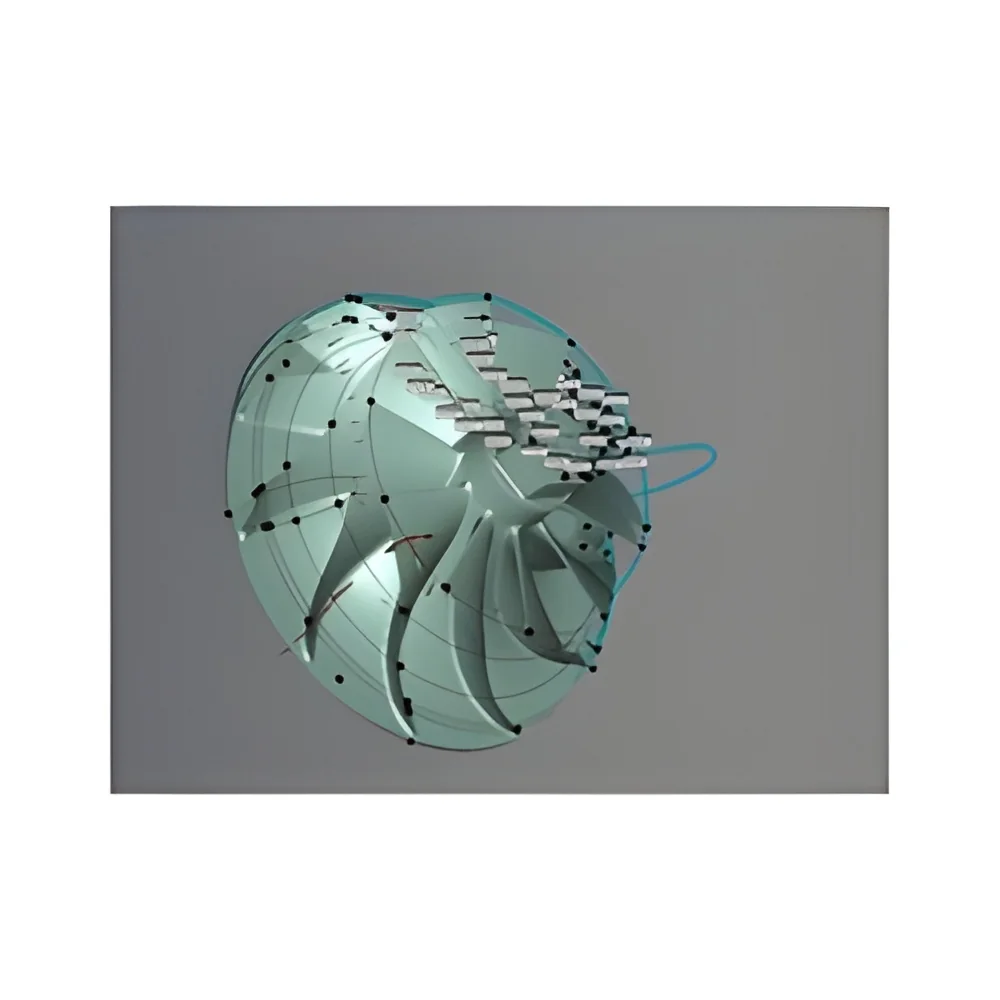
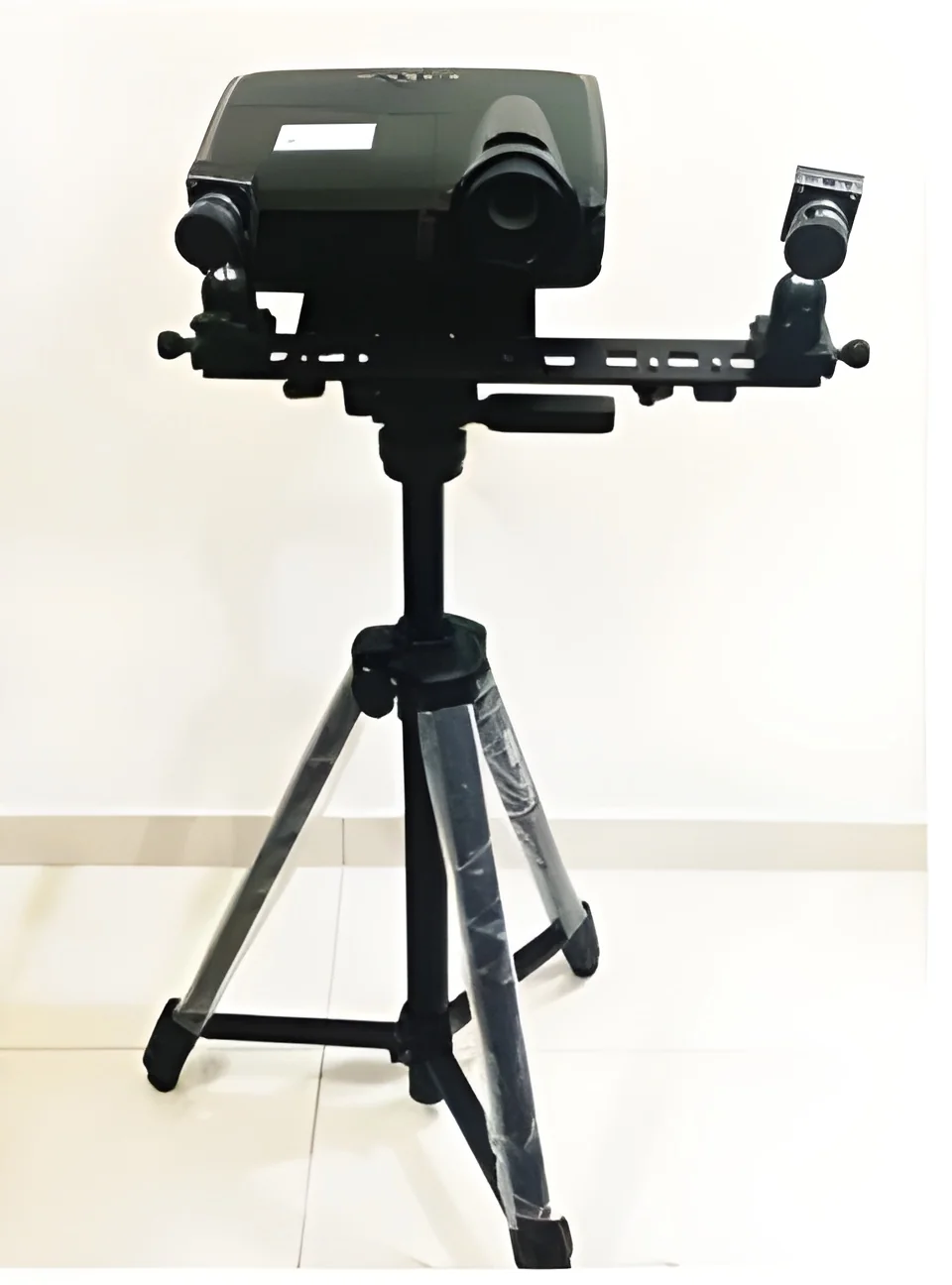
3D scanning refers to the process of capturing the physical dimensions and appearance of an object, converting it into a digital 3D model. This digital representation can be used for various applications, including design, manufacturing, and quality assurance. Reverse engineering is a complementary process that involves analyzing an existing object to extract design information, often to recreate or improve upon it. Together, these technologies enable businesses to enhance product development and streamline production processes.
The primary uses of 3D scanning and reverse engineering span multiple industries, including manufacturing, automotive, aerospace, and healthcare. Companies utilize these technologies to create prototypes, analyze parts for quality control, and facilitate the production of complex components. By leveraging 3D scanning, businesses can significantly reduce the time and cost associated with traditional manufacturing methods, leading to improved efficiency and innovation.
In today's competitive market, the relevance of 3D scanning and reverse engineering continues to grow. As industries increasingly adopt automation and advanced manufacturing techniques, the demand for precise and efficient product development solutions becomes critical. The global market for these technologies is expanding, driven by advancements in scanning technology and the need for rapid prototyping and customization.
Key Features and Specifications
3D scanning and reverse engineering systems come equipped with various features that enhance their functionality and usability. These specifications are critical for ensuring accurate results in different applications.
Key specifications include:
1. Scanning Accuracy
- Detail about this specification: The precision with which the scanner captures measurements.
- Technical parameters or ranges: Typically ranges from micrometers to millimeters, depending on the scanner type.
2. Scanning Speed
- Detail about this specification: The rate at which the scanner captures data.
- Technical parameters or ranges: Can vary from a few hundred thousand points per second to several million, depending on the equipment.
3. Resolution
- Detail about this specification: The level of detail captured in the 3D model.
- Technical parameters or ranges: Often measured in millimeters or micrometers, higher resolutions yield more detailed models.
4. Data Output Formats
- Detail about this specification: Compatibility with various file formats for ease of use.
- Technical parameters or ranges: Common formats include STL, OBJ, and PLY.
5. Portability
- Detail about this specification: The ease of transport and setup for the scanning equipment.
- Technical parameters or ranges: Portable systems may weigh less than 10 kg, allowing for onsite scanning.
6. Software Integration
- Detail about this specification: Compatibility with existing CAD software for seamless workflows.
- Technical parameters or ranges: Must support major CAD platforms like SolidWorks, AutoCAD, and others.
7. User Interface
- Detail about this specification: Ease of use for operators, affecting training time and operational efficiency.
- Technical parameters or ranges: Intuitive interfaces are designed for minimal training requirements.
8. Battery Life
- Detail about this specification: Duration of operation on a single charge for portable devices.
- Technical parameters or ranges: Ranges from 2 to 8 hours depending on usage and scanning conditions.
In summary, understanding the key features and specifications of 3D scanning and reverse engineering is essential for selecting the right equipment. These parameters influence the accuracy, efficiency, and overall effectiveness of the scanning process.
Common Applications and Use Cases
3D scanning and reverse engineering have widespread applications across various industries.
1. Manufacturing: Companies utilize 3D scanning for quality control and inspection of parts, ensuring they meet design specifications. This technology allows for rapid feedback and reduces production downtime.
2. Automotive: In the automotive industry, 3D scanning is used for creating prototypes and analyzing existing parts for improvements. It helps in reducing the time taken for design iterations.
3. Aerospace: Aerospace manufacturers apply 3D scanning to ensure precision in component fabrication and to reverse engineer parts for maintenance and upgrades.
4. Healthcare: In the healthcare sector, 3D scanning is used to create custom prosthetics and implants tailored to individual patient needs, enhancing patient outcomes.
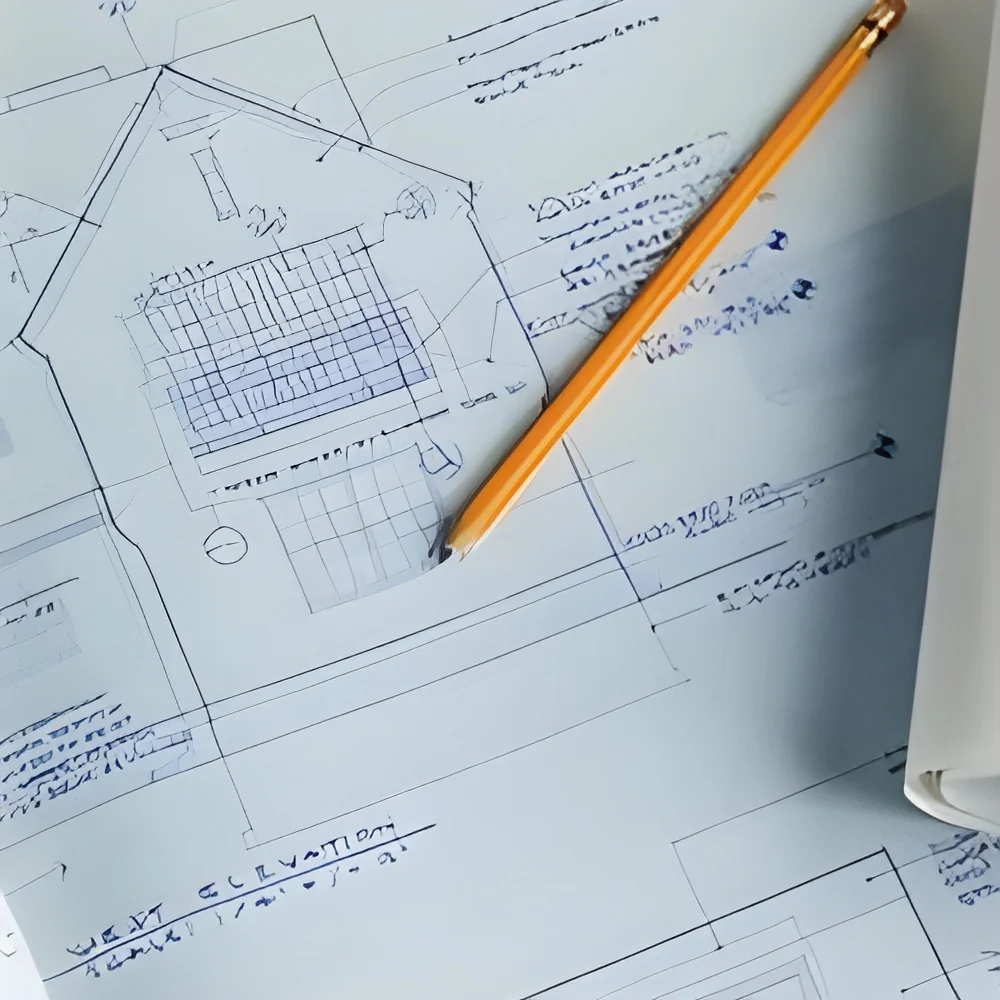
5. Architecture: Architects employ 3D scanning to capture existing structures for renovation projects, allowing for accurate modeling and planning.
6. Art and Heritage: Cultural institutions leverage 3D scanning to preserve artifacts and create digital replicas for study and display.
7. Consumer Products: Brands use 3D scanning to enhance product design and facilitate rapid prototyping, streamlining the development of new consumer goods.
Product Variants and Subcategories
3D scanning and reverse engineering products come in various forms to cater to different needs and applications.
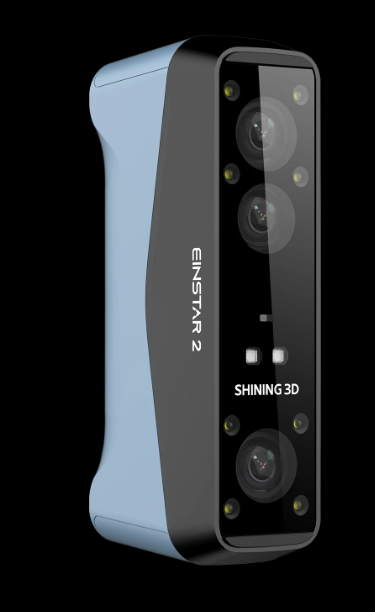
Handheld 3D Scanners
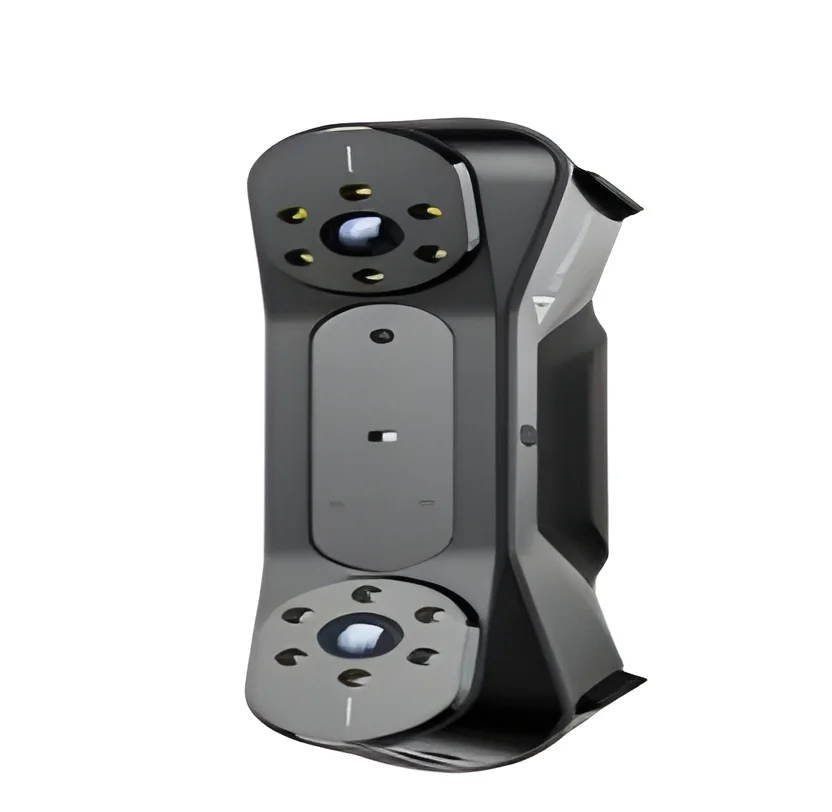
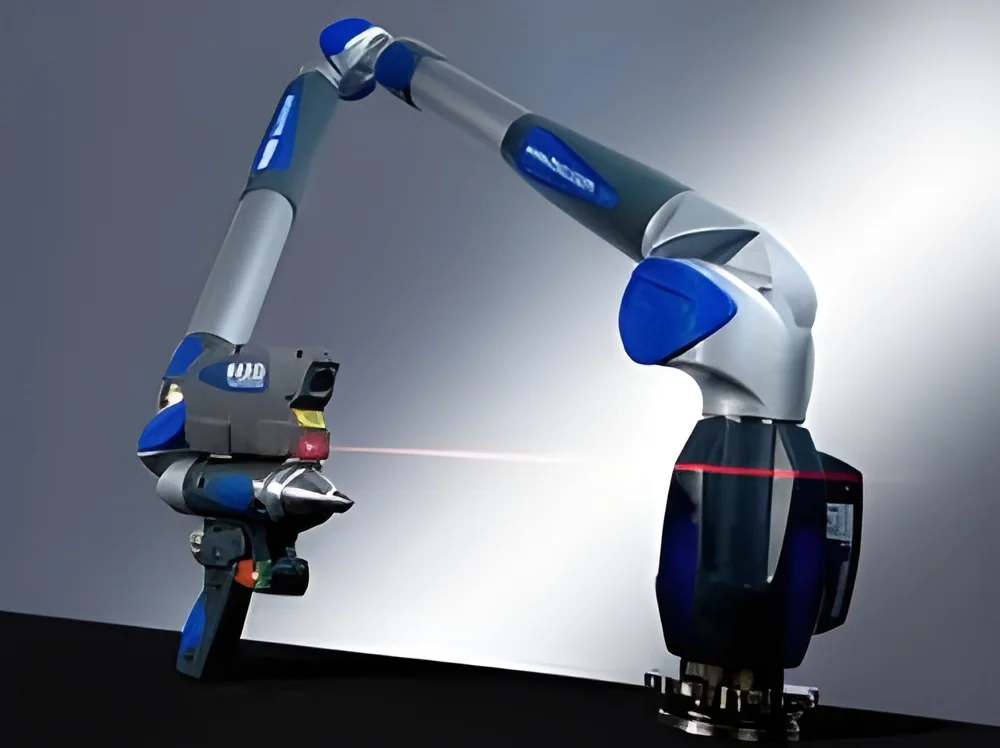
These portable devices are designed for ease of use and mobility. Handheld scanners are ideal for capturing data in hard-to-reach areas and are commonly used for smaller objects and intricate details.
Stationary 3D Scanners
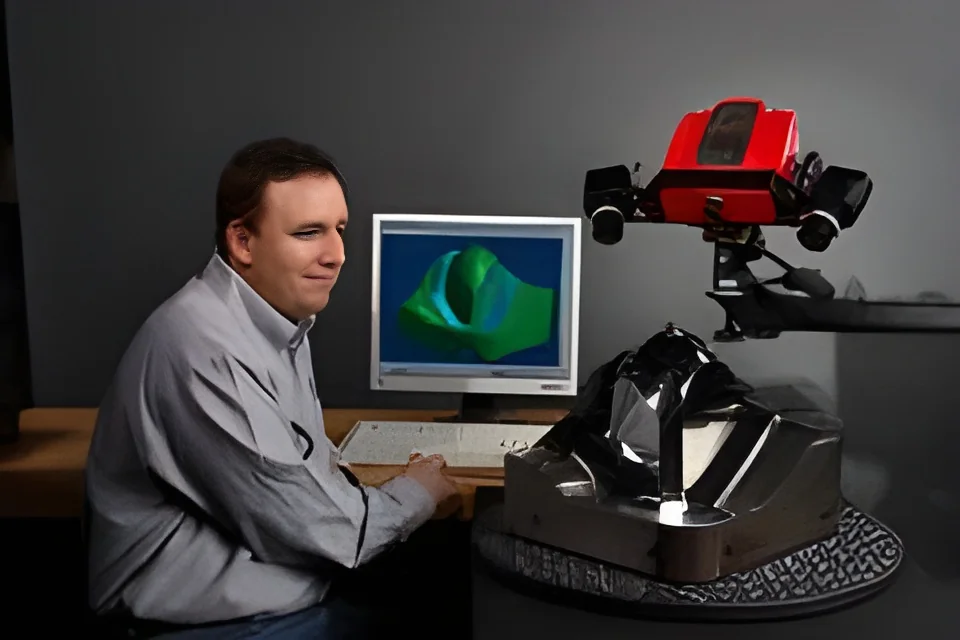
Stationary scanners provide high accuracy and are suitable for larger objects or environments. They are often used in industrial applications where precision is paramount.
Laser Scanners
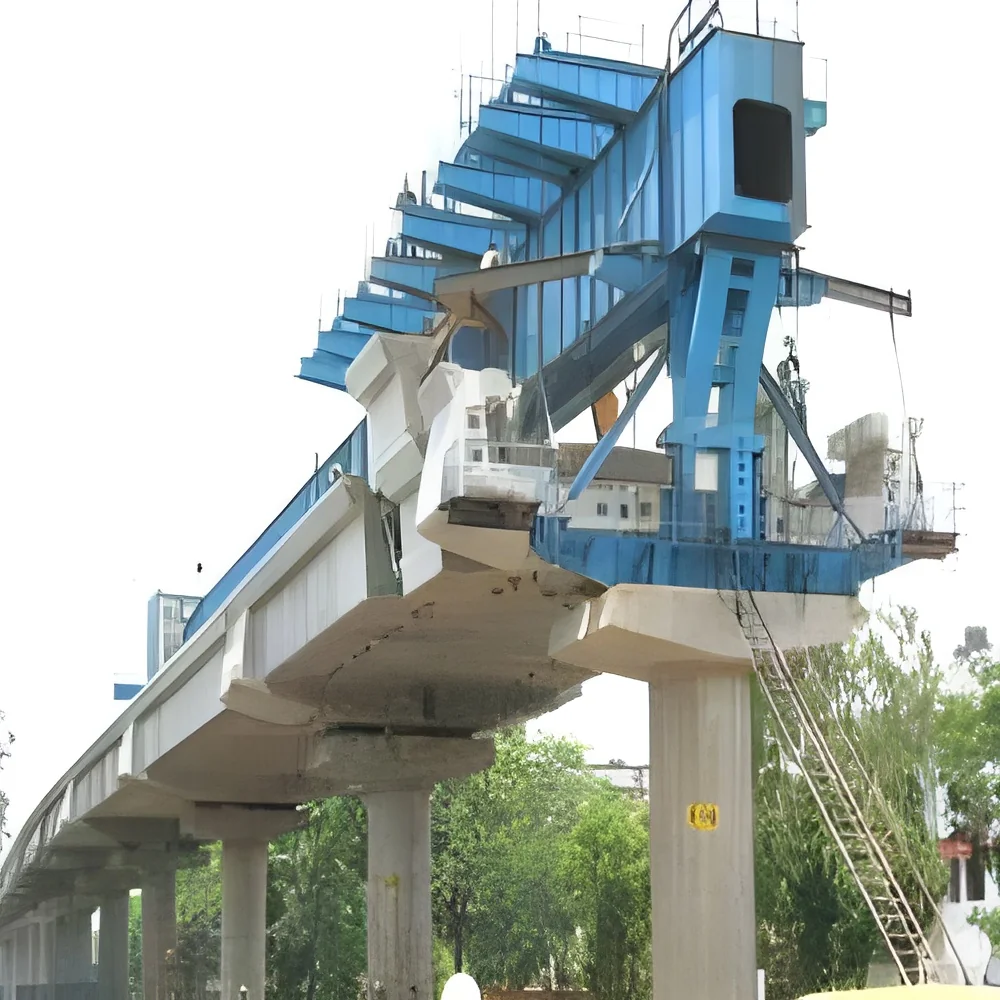
Laser scanners utilize laser technology to capture detailed 3D models. They are widely used in construction and engineering for topographic surveys and site inspections.
Structured Light Scanners
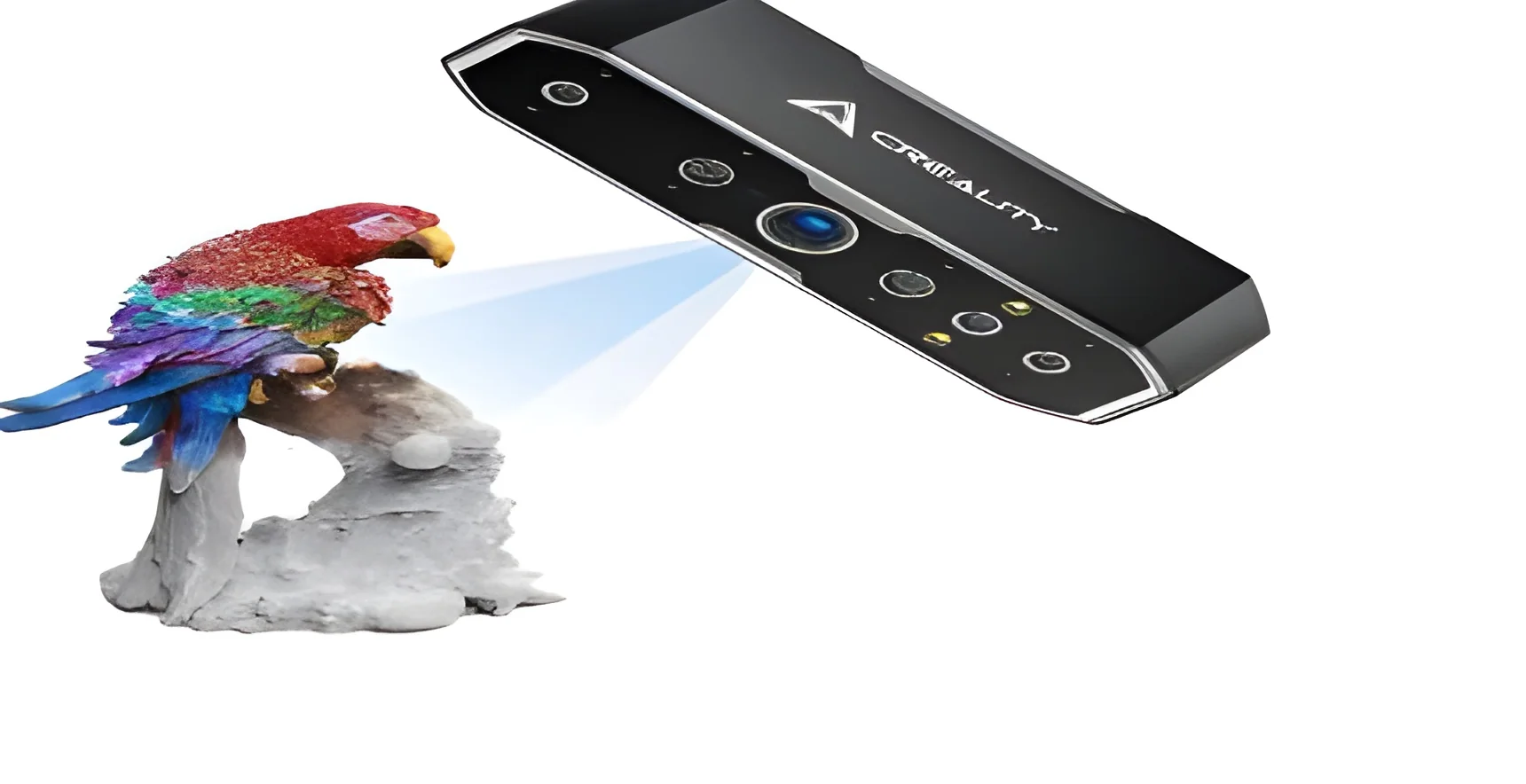
These scanners project a series of light patterns onto the object, capturing its shape and texture. They excel in applications requiring high-resolution images, such as in the automotive and healthcare sectors.
Benefits and Advantages
The adoption of 3D scanning and reverse engineering offers several substantial benefits to businesses.
Key benefits include:
1. Enhanced Accuracy: 3D scanning provides precise measurements, reducing errors in the manufacturing process and improving product quality.
2. Time Efficiency: The ability to quickly create and iterate designs accelerates the development cycle, allowing companies to bring products to market faster.
3. Cost Savings: By minimizing material waste and reducing rework, businesses can lower production costs significantly.
4. Customization: 3D scanning facilitates the creation of tailored solutions, enabling companies to meet specific customer needs more effectively.
5. Improved Collaboration: Digital models enhance communication between teams and stakeholders, leading to better decision-making and project outcomes.
6. Preservation of Knowledge: Reverse engineering allows companies to maintain and enhance existing products, preserving valuable design knowledge and expertise.
Buying Guide for B2B Buyers
When sourcing 3D scanning and reverse engineering technologies, several factors should be considered to make informed purchasing decisions.
1. Quality Assessment: Ensure that the equipment meets industry standards and specifications. Look for certifications and customer reviews to gauge performance and reliability.
2. Supplier Verification: Vet potential suppliers to confirm their reputation and reliability in providing quality products. Consider their experience in the industry and their customer support offerings.
3. Pricing and MOQ: Understand the pricing structure and minimum order quantities. Compare quotes from different suppliers to ensure you are getting a competitive deal while considering your budget constraints.
4. Delivery and Lead Times: Inquire about the logistics of delivery and the expected lead times. Timely delivery is crucial for maintaining production schedules.
5. Compliance Requirements: Be aware of any regulatory standards that may apply to your industry, such as safety, environmental, and quality assurance regulations.
Compliance and Certifications
Compliance with quality standards and certifications is essential in the realm of 3D scanning and reverse engineering. Adhering to relevant quality standards, such as ISO 9001, ensures that products and services meet customer and regulatory requirements consistently.
Industry certifications, such as CE marking, indicate that the products conform to European health, safety, and environmental protection standards. These certifications enhance consumer trust and can facilitate entry into international markets.
Safety and testing requirements are also paramount, as they ensure that equipment is safe for use and performs reliably under various conditions. Organizations must also consider regional compliance, as different countries may have specific regulations governing the use of 3D scanning technologies.
Why Source 3D Scanning & Reverse Engineering from Pepagora?
Pepagora provides a trusted platform for sourcing 3D scanning and reverse engineering technologies, offering several key advantages to B2B buyers.
The verified supplier network ensures that businesses can connect with reliable manufacturers who adhere to high-quality standards. This reduces the risk associated with procurement and enhances confidence in the products being sourced.
The streamlined RFQ process allows buyers to request quotations efficiently, facilitating quicker decision-making. This user-friendly system is designed to save time and improve procurement efficiency.
Trade assurance and support further enhance buyer protection, ensuring that businesses are safeguarded against potential issues during the sourcing process. This commitment to customer satisfaction is a hallmark of Pepagora's service.
Finally, Pepagora's geographic reach across India, the GCC, and Southeast Asia allows businesses to access a diverse range of suppliers and products. This broad market coverage ensures that buyers can find tailored solutions that meet their specific needs while benefiting from competitive pricing and local support.

 IN
IN



 India
India