
 IN
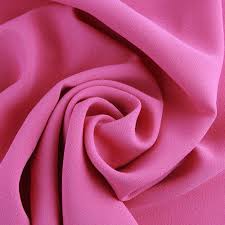
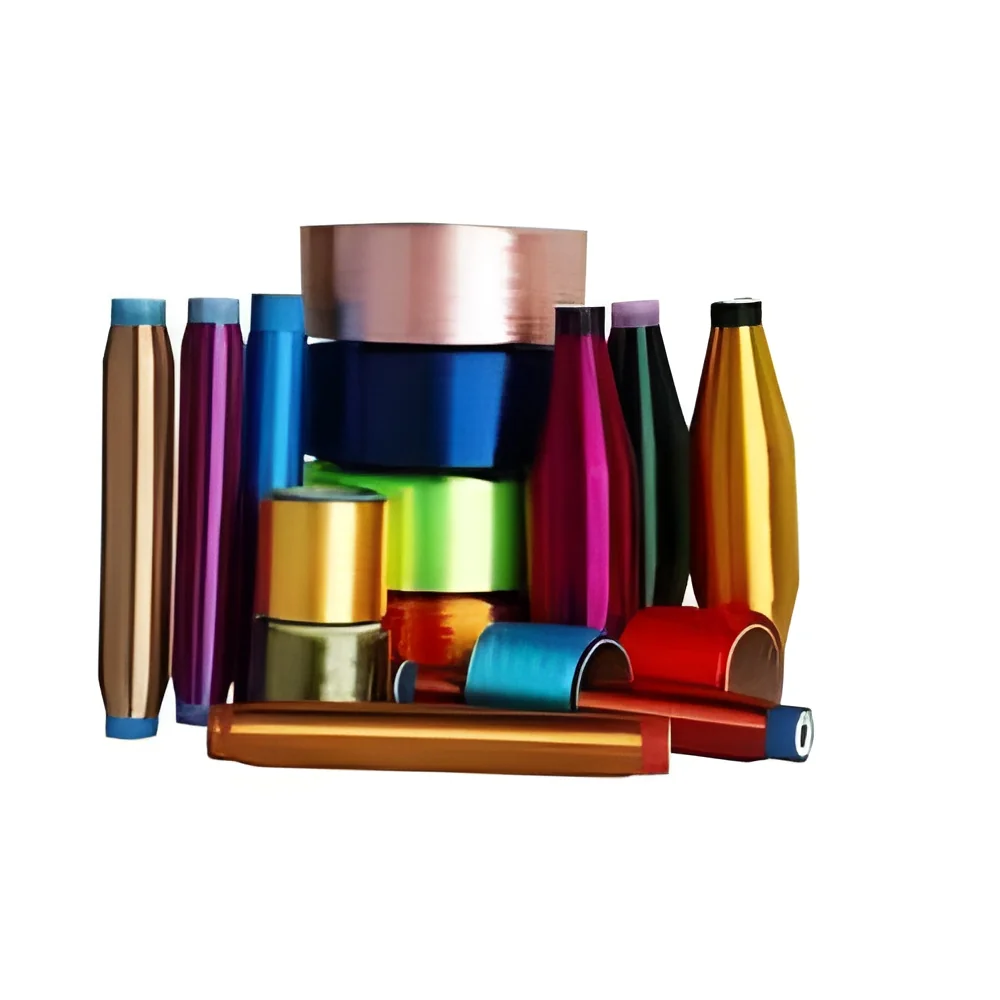
Synthetic Fabrics (Polyester, Nylon)
108 products available
𝗞𝗲𝘆 𝗙𝗲𝗮𝘁𝘂𝗿𝗲𝘀 𝗮𝗻𝗱 𝗦𝗽𝗲𝗰𝗶𝗳𝗶𝗰𝗮𝘁𝗶𝗼𝗻𝘀
Synthetic fabrics, particularly polyester and nylon, come with a range of features that enhance their utility across various applications. These characteristics make them suitable for both consumer and industrial uses.
Key specifications include:
1. Durability
- High tensile strength
- Resistance to wear and tear
2. Moisture Wicking
- Quick-drying capabilities
- Breathability for comfort
3. UV Resistance
- Protection against harmful UV rays
- Retains color and integrity over time
4. Lightweight
- Easy to handle and transport
- Ideal for applications requiring low weight
5. Chemical Resistance
- Resistant to many chemicals and solvents
- Suitable for industrial environments
6. Colorfastness
- Retains color despite exposure to sunlight and washing
- Available in a wide range of colors and patterns
7. Easy Care
- Machine washable
- Resists wrinkles and shrinking
8. Cost-Effectiveness
- Affordable compared to natural fibers
- Long lifespan reduces replacement costs
These features collectively make synthetic fabrics a preferred choice for manufacturers and consumers alike.
𝗖𝗼𝗺𝗺𝗼𝗻 𝗔𝗽𝗽𝗹𝗶𝗰𝗮𝘁𝗶𝗼𝗻𝘀 𝗮𝗻𝗱 𝗨𝘀𝗲 𝗖𝗮𝘀𝗲𝘀
Synthetic fabrics find applications across a variety of industries, thanks to their unique properties.
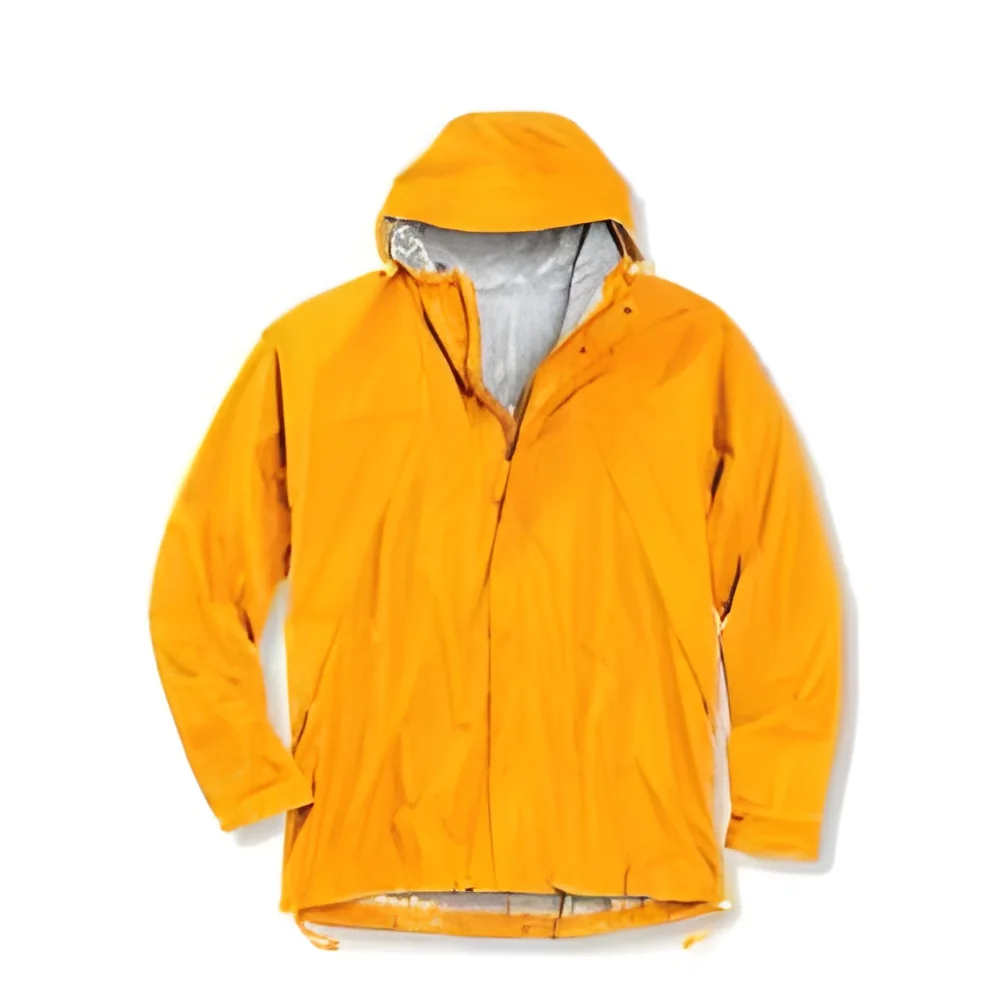
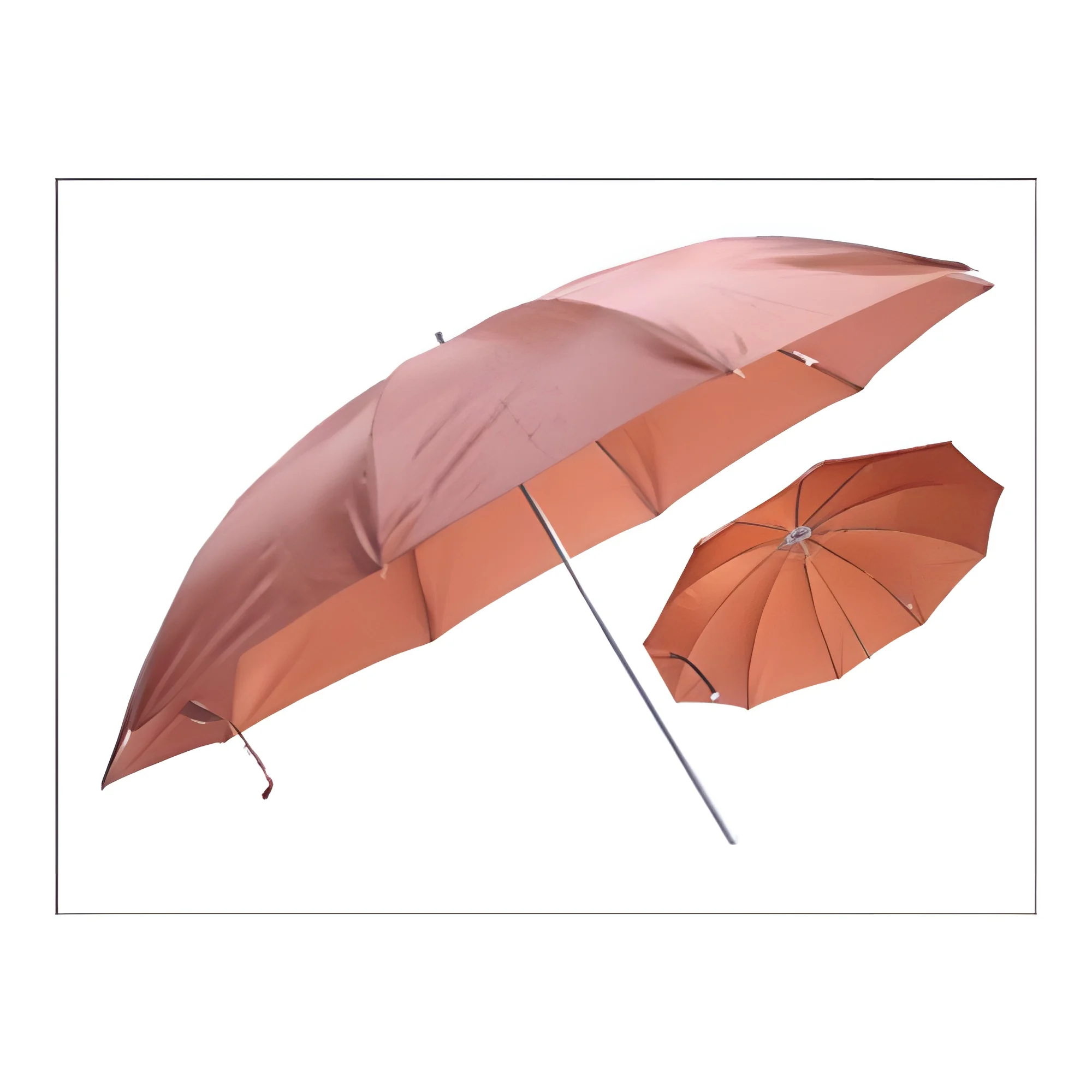
1. Textiles: Polyester and nylon are widely used in clothing, including activewear and outdoor gear, due to their durability and moisture-wicking properties.
2. Automotive: These fabrics are employed in seat covers, upholstery, and interior linings, providing comfort and long-lasting performance.
3. Construction: Synthetic fabrics are utilized in tarps, nets, and protective gear, offering strength and resistance to environmental elements.
4. Healthcare: Used in medical textiles, synthetic fabrics serve in applications such as surgical gowns and drapes, where hygiene and durability are crucial.
5. Sports: Performance gear and equipment often incorporate synthetic fabrics for their lightweight and moisture management capabilities.
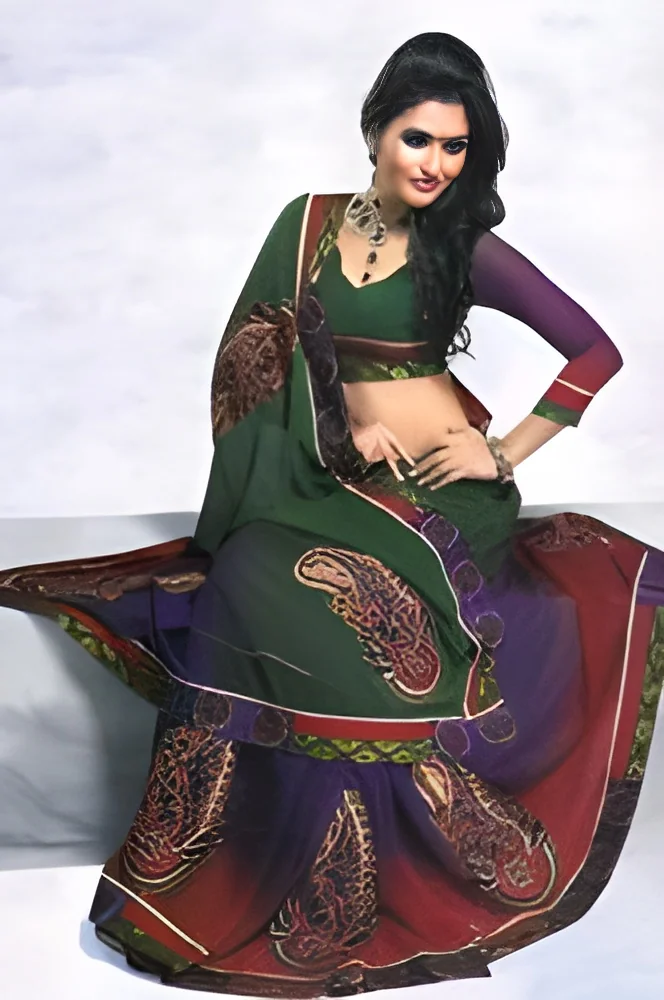
6. Home Furnishings: Upholstery and drapery fabrics made from polyester and nylon are favored for their aesthetic appeal and resistance to fading.
7. Industrial: Ropes and nets made from synthetic fabrics are used in construction and maritime applications, providing high strength and reliability.
𝗣𝗿𝗼𝗱𝘂𝗰𝘁 𝗩𝗮𝗿𝗶𝗮𝗻𝘁𝘀 𝗮𝗻𝗱 𝗦𝘂𝗯𝗰𝗮𝘁𝗲𝗴𝗼𝗿𝗶𝗲𝘀
Synthetic fabrics offer diversity in their formulations and uses, catering to different market needs.
Polyester Fabric
This variant is known for its versatility and is widely used in clothing and home textiles. It is resistant to shrinking and stretching, making it ideal for everyday use.
Nylon Fabric
Nylon is recognized for its strength and elasticity. It is often used in outdoor gear such as jackets and tents due to its water-resistant properties.
Microfiber
A subtype of polyester, microfiber fabrics are ultra-fine and soft, making them suitable for cleaning products and luxurious textiles.
Ripstop Fabric
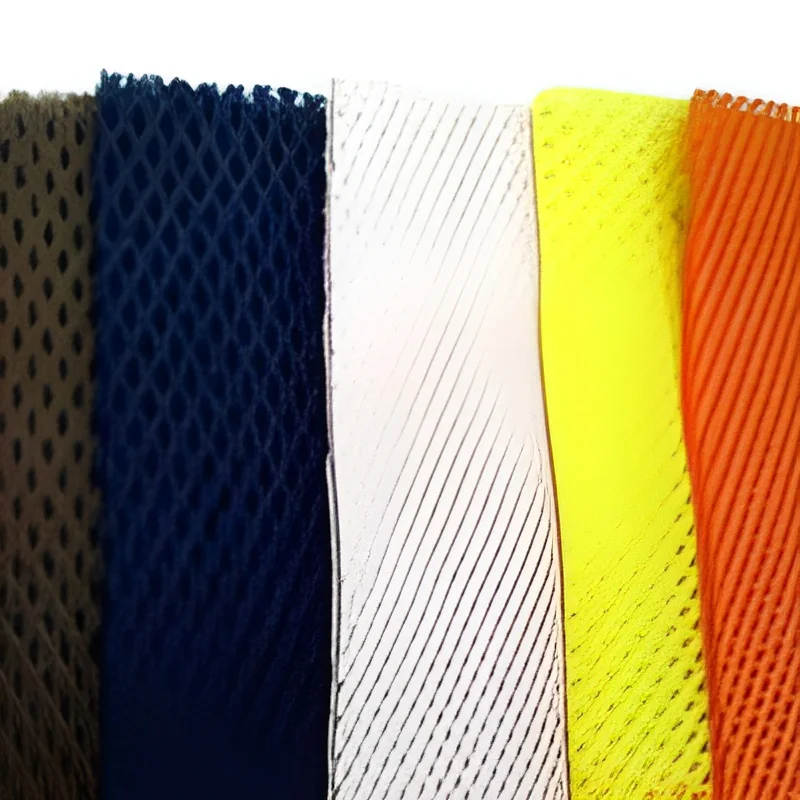
This type of nylon is reinforced with a grid pattern, giving it exceptional tear resistance. It is commonly used in military and outdoor applications.
𝗕𝗲𝗻𝗲𝗳𝗶𝘁𝘀 𝗮𝗻𝗱 𝗔𝗱𝘃𝗮𝗻𝘁𝗮𝗴𝗲𝘀
Choosing synthetic fabrics offers several key benefits that enhance their appeal in the marketplace.
1. Durability: Synthetic fabrics are designed to withstand wear and tear, resulting in longer-lasting products.
2. Versatility: These materials can be used in a wide range of applications, from fashion to industrial uses, making them highly adaptable.
3. Cost-Effective: The affordability of synthetic fabrics makes them a budget-friendly option for manufacturers and consumers alike.
4. Easy Maintenance: Synthetic fabrics typically require less care than natural fibers, offering convenience for end-users.
5. Performance: With features like moisture-wicking and UV resistance, these fabrics provide superior performance in various conditions.
6. Variety: Available in numerous colors, patterns, and textures, synthetic fabrics can meet diverse aesthetic preferences and functional requirements.
𝗕𝘂𝘆𝗶𝗻𝗴 𝗚𝘂𝗶𝗱𝗲 𝗳𝗼𝗿 𝗕𝟮𝗕 𝗕𝘂𝘆𝗲𝗿𝘀
When sourcing synthetic fabrics, particularly polyester and nylon, B2B buyers should consider several critical factors.
1. Quality Assessment: Evaluate the fabric's durability, texture, and performance characteristics. Look for samples to ensure it meets specific requirements.
2. Supplier Verification: Research potential suppliers to confirm their reliability and reputation. Check for reviews and their history in the market.
3. Pricing and MOQ: Understand the pricing structure and inquire about minimum order quantities to ensure it aligns with your budget and needs.
4. Delivery and Lead Times: Discuss logistics and confirm delivery schedules to avoid delays in your production or supply chain.
5. Compliance Requirements: Ensure that the fabrics meet any necessary industry standards and regulations, particularly in sectors like healthcare and automotive.
𝗖𝗼𝗺𝗽𝗹𝗶𝗮𝗻𝗰𝗲 𝗮𝗻𝗱 𝗖𝗲𝗿𝘁𝗶𝗳𝗶𝗰𝗮𝘁𝗶𝗼𝗻𝘀
Synthetic fabrics, including polyester and nylon, must adhere to various quality standards and regulations to ensure safety and performance.
ISO 9001 is a key standard that outlines criteria for a quality management system, demonstrating the ability to provide consistent products and services.
CE certification is crucial for products sold in the European market, indicating compliance with health, safety, and environmental protection standards.
Safety and testing requirements often involve assessments for flammability, chemical resistance, and durability, ensuring that the fabrics are suitable for their intended applications.
Regional compliance considerations may vary, with different countries imposing specific regulations that must be met by suppliers and manufacturers.
Why Source Synthetic Fabrics (Polyester, Nylon) from Pepagora?
Pepagora offers a trusted platform for sourcing synthetic fabrics like polyester and nylon, providing several key advantages.
Verified Supplier Network: Pepagora ensures that all suppliers are thoroughly vetted, providing buyers with peace of mind regarding the quality and reliability of their sources.
Streamlined RFQ Process: The platform simplifies the request for quotation process, allowing buyers to receive competitive pricing and options quickly, enhancing procurement efficiency.
Trade Assurance and Support: Buyers benefit from trade assurance services that protect their transactions, ensuring that they receive the products as promised.
Regional Coverage: With a strong presence in India, the GCC, and Southeast Asia, Pepagora connects buyers to a wide range of suppliers, facilitating access to quality synthetic fabrics in diverse markets.






Frequently Asked Questions
What are Synthetic Fabrics (Polyester, Nylon)?
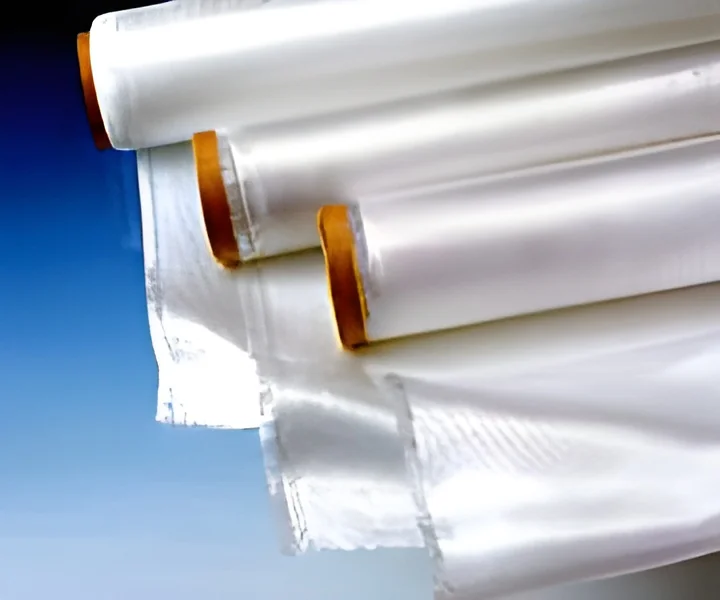
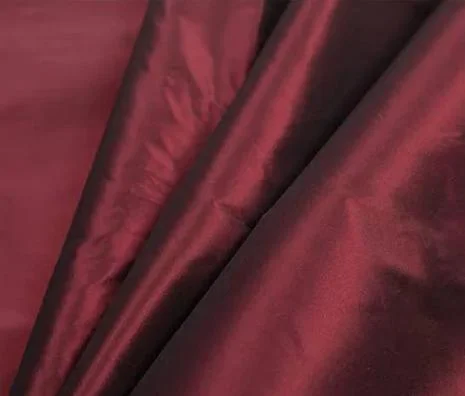
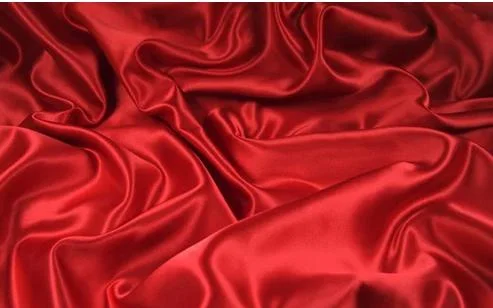
Synthetic fabrics, such as polyester and nylon, are man-made textiles created from petrochemicals. They are known for their durability, resistance to wrinkles, and ability to retain color, making them popular choices in various applications including fashion, upholstery, and outdoor gear.
What are the different types of Synthetic Fabrics (Polyester, Nylon)?
There are several types of synthetic fabrics, including woven and knitted polyester, nylon taffeta, and stretch polyester blends. Each type offers unique properties such as breathability, moisture-wicking, and varying levels of elasticity, suitable for different uses.
How do I choose the right Synthetic Fabrics (Polyester, Nylon)?
Choosing the right synthetic fabric depends on its intended use, desired properties, and performance characteristics. Consider factors like durability, stretchability, and weather resistance, and consult with suppliers to ensure the fabric meets your specific requirements.
What are the standard specifications for Synthetic Fabrics (Polyester, Nylon)?
Standard specifications for synthetic fabrics include weight (measured in grams per square meter), tensile strength, elongation, and color fastness. These specifications can vary based on the intended application and should be reviewed to ensure they meet industry standards.
What is the price range for Synthetic Fabrics (Polyester, Nylon)?
The price range for synthetic fabrics like polyester and nylon can vary widely based on quality, type, and supplier. Generally, prices may range from $2 to $10 per meter, depending on the specifications and order quantity.
What quality standards apply to Synthetic Fabrics (Polyester, Nylon)?
Quality standards for synthetic fabrics often include ISO certifications, ASTM standards for textile testing, and compliance with safety regulations. These standards ensure that the fabrics meet specific performance criteria and are safe for use in various applications.
Where can I find Synthetic Fabrics (Polyester, Nylon) suppliers in India?
You can find synthetic fabric suppliers in India through B2B marketplaces like Pepagora.com, trade shows, and industry directories. It's advisable to compare multiple suppliers and review their product offerings and customer feedback before making a decision.
Can Synthetic Fabrics (Polyester, Nylon) be customized?
Yes, synthetic fabrics can often be customized in terms of color, pattern, and specific performance features. Many manufacturers offer customization options to meet the unique needs of businesses and their specific applications.
What is the typical minimum order quantity for Synthetic Fabrics (Polyester, Nylon)?
The typical minimum order quantity (MOQ) for synthetic fabrics can vary by supplier but often ranges from 50 to 100 meters. It's best to check with individual suppliers for their specific MOQs.
What is the typical lead time for Synthetic Fabrics (Polyester, Nylon)?
The typical lead time for synthetic fabrics can range from 2 to 6 weeks, depending on the supplier, order size, and customization requirements. Always confirm lead times with your chosen supplier before placing an order.
Why Businesses Trust Pepagora
Thousands of companies trust Pepagora to source smarter and sell faster
Expand Your Sales Globally

Source Smarter,Grow Faster
